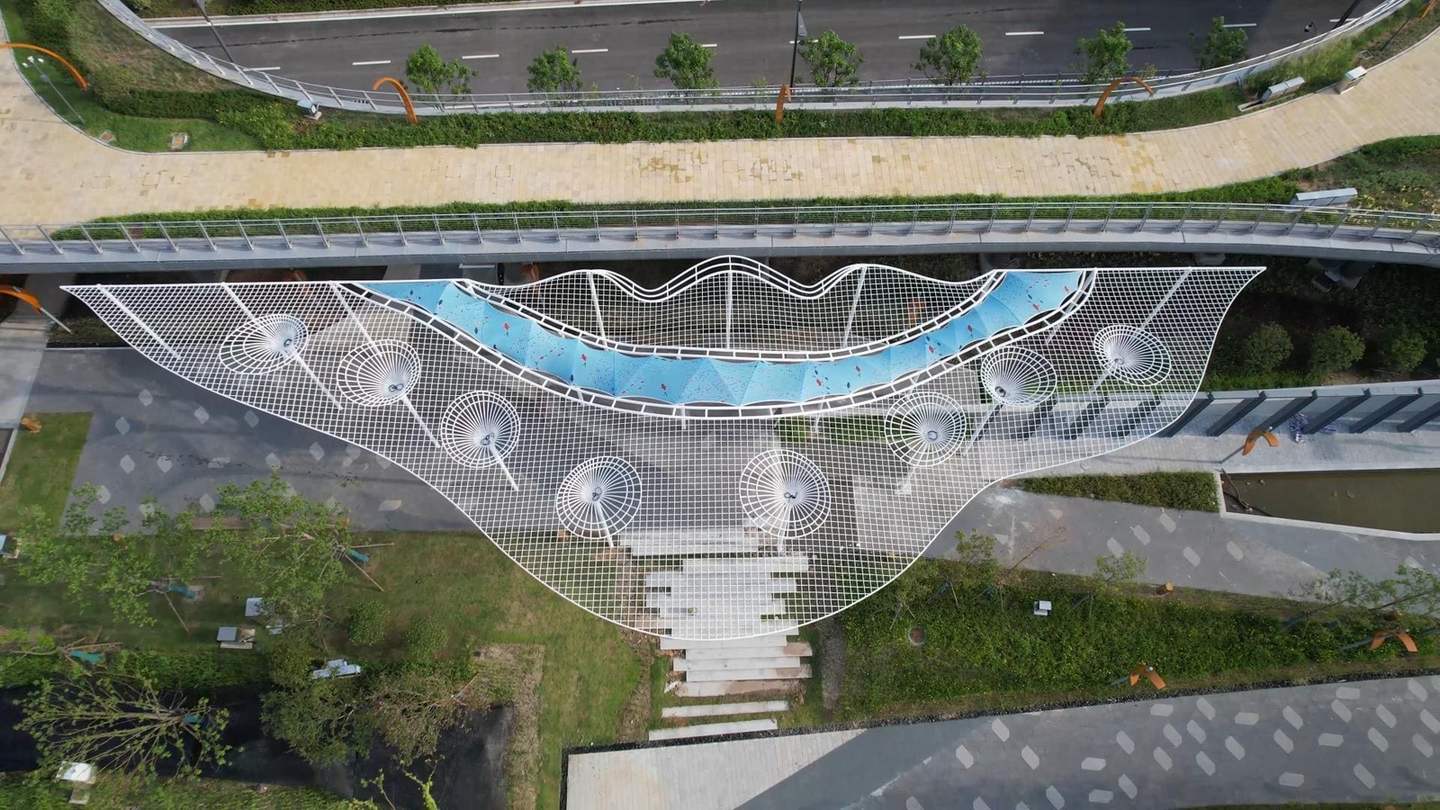
Architectural Sculpture: A Complete Guide to Design, Materials, Fabrication, and Building Integration
Architectural sculpture brings artistic expression into the built environment through three-dimensional forms, decorative structures, integrated artworks, and sculptural architectural features. It can appear on building facades, at entrances, in atriums, across landscaped podiums, or within public spaces connected to commercial and cultural developments. Unlike standalone decorative objects, architectural sculpture is often developed in direct relationship with a building's design, proportions, materials, and structural systems.
For architects, developers, designers, public art consultants, and project owners, commissioning architectural sculpture requires coordination between artistic concepts and construction requirements. The artwork must complement the building while meeting practical expectations for structural support, material performance, fabrication accuracy, transportation, and installation. This guide explains the main types of architectural sculpture, material options, design considerations, manufacturing processes, and key factors to evaluate when sourcing a custom architectural artwork.
1. What Is Architectural Sculpture?
Architectural sculpture refers to three-dimensional artwork designed for, integrated into, or closely associated with buildings and architectural environments. It may serve a decorative, symbolic, cultural, or spatial function. Some works are attached to building facades, while others are freestanding sculptures positioned at entrances, within courtyards, or in landscaped areas around a development.
Historically, architectural sculpture has included carved stone figures, relief panels, ornamental details, and sculptural elements incorporated into religious and civic buildings. Contemporary applications have expanded to include abstract metal structures, large-scale installations, geometric forms, customized facade features, and mixed-material artworks. The defining feature is the relationship between the sculpture and the architecture rather than a particular material or artistic style.
1.1 Architectural Sculpture vs. Decorative Sculpture
Decorative sculpture is generally selected to improve the visual appearance of a space. It may be placed in a lobby, garden, reception area, or commercial display environment without being directly connected to the building's architectural design. Architectural sculpture has a closer relationship with the building itself, often responding to its proportions, facade composition, circulation routes, or structural features.
This relationship affects the design and production process. A decorative sculpture may be designed as an independent object, while architectural sculpture often requires coordination with architectural drawings, structural interfaces, fixing systems, and construction schedules. Buyers should establish whether the artwork is intended to be freestanding, attached to the building, suspended, or integrated into an architectural element.
1.2 The Relationship Between Sculpture and Architecture
Architecture establishes the overall organization of a built environment through structure, materials, space, and circulation. Sculpture introduces an additional three-dimensional artistic element that can reinforce or contrast with these architectural features. A sculptural form may echo the geometry of a building, create a visual transition between interior and exterior spaces, or provide a distinctive focal point within a large architectural volume.
Successful integration requires attention to scale, proportion, viewing angles, lighting, and material compatibility. A sculpture that is too small may disappear against a large facade, while an oversized installation may overwhelm an entrance or interfere with pedestrian movement. These relationships should be considered during the early design stage rather than after the building design has been finalized.
1.3 Common Applications of Architectural Sculpture
Architectural sculpture is used in commercial buildings, hotels, resorts, museums, cultural centers, corporate campuses, residential developments, public institutions, and transportation facilities. Common applications include facade artworks, entrance sculptures, atrium installations, decorative columns, sculptural canopies, courtyard features, and integrated landscape artworks.
The purpose varies by project. Some artworks communicate cultural or historical themes, while others strengthen a building's identity or create a memorable visitor experience. In large developments, sculpture may also help distinguish different zones, establish a visual landmark, or connect the architectural design with the surrounding public realm.
2. Main Types of Architectural Sculpture
Architectural sculpture can take many forms depending on the building type, design concept, location, and intended function. Some works are integrated directly into architectural surfaces, while others remain independent objects within the building environment. Understanding these categories helps project teams define the scope of work and identify suitable production methods.
2.1 Facade Sculpture
Facade sculpture is designed for the exterior surfaces of buildings. It may be attached to a wall, integrated into a facade system, or positioned in front of the building as a three-dimensional feature. Contemporary facade sculptures often use geometric patterns, abstract forms, metal panels, layered structures, and perforated surfaces to create depth and visual movement.
Because facade artworks are exposed to weather and may be located above occupied areas, their design requires careful structural and installation planning. The fixing system, material weight, wind exposure, drainage, corrosion protection, and maintenance access should be evaluated. The sculpture must also coordinate with the building's facade construction and waterproofing details.
2.2 Entrance and Landmark Sculptures
Entrance sculptures are placed near building entrances, arrival areas, forecourts, or public plazas. Their purpose is often to establish a strong first impression and create a recognizable identity for the development. These works may be abstract metal forms, figurative sculptures, symbolic objects, or large-scale installations that relate to the building's architectural language.
Designers should consider the approach sequence, pedestrian circulation, vehicle access, viewing distance, and relationship with signage. The sculpture should enhance the entrance without obstructing visibility or creating unnecessary circulation conflicts. For large installations, the foundation and lifting arrangements should be coordinated with the site construction team.
2.3 Atrium and Interior Architectural Sculpture
Atrium sculptures are commonly used in hotels, shopping centers, office buildings, museums, and cultural facilities. They may be freestanding, suspended, or positioned on architectural platforms. Because atriums often provide long viewing distances and multiple viewing levels, the artwork should be designed to remain visually effective from different floors and directions.
Interior architectural sculpture may use stainless steel, bronze, aluminum, fiberglass, glass, or mixed materials. Important considerations include floor loading, ceiling height, fixing points, access for installation, and the relationship with interior lighting. If the sculpture is suspended, the support system and building interfaces must be reviewed by the appropriate engineering professionals.
2.4 Sculptural Columns and Architectural Features
Sculptural columns and architectural features combine structural or spatial elements with artistic treatment. They may involve customized cladding, carved surfaces, sculptural bases, decorative capitals, or independent forms positioned around columns and entrances. Some contemporary projects reinterpret traditional architectural details using simplified geometry or modern materials.
Buyers should distinguish between elements that are purely decorative and those that perform a structural function. If a sculptural component forms part of the building's load-bearing system, its design and production must be coordinated with the project's structural engineer. Decorative coverings and non-structural artworks still require secure fixing and appropriate material specifications.
2.5 Integrated Landscape and Architectural Sculpture
Some architectural sculptures extend beyond the building envelope and become part of the surrounding landscape. They may connect entrances with gardens, plazas, courtyards, water features, or pedestrian routes. These artworks help create continuity between architecture and the public realm.
Integrated landscape sculptures should be designed in relation to paving, planting, drainage, lighting, seating, and maintenance access. Material selection must reflect outdoor exposure, while foundations and installation methods should be coordinated with landscape construction. The artwork should feel connected to the site rather than appearing as an unrelated object placed after the development is complete.
3. Materials Used in Architectural Sculpture
Material selection influences the sculpture's appearance, weight, fabrication method, structural requirements, durability, and maintenance. Architectural sculpture may use the same materials as the surrounding building or introduce a contrasting material to create visual emphasis. The right choice depends on whether the artwork is installed indoors or outdoors, attached to the building, exposed to weather, or intended to remain accessible to the public.
3.1 Stainless Steel
Stainless steel is widely used for contemporary architectural sculpture because it can be fabricated into complex shapes and finished with different surface effects. Mirror-polished stainless steel reflects surrounding buildings and landscape elements, while brushed or satin finishes create a more restrained appearance. Stainless steel can also be formed into geometric panels, curved structures, and assembled three-dimensional forms.
Manufacturing may involve laser cutting, bending, rolling, welding, grinding, and polishing. For facade or outdoor installations, buyers should confirm the stainless steel grade, thickness, connection details, and corrosion considerations. Reflective surfaces require particular attention to fabrication quality because uneven polishing, visible joints, and surface distortion can affect the appearance of the finished artwork.
3.2 Aluminum
Aluminum is often considered for architectural sculpture where reducing weight is important. It can be used for facade features, suspended artworks, geometric assemblies, and large decorative panels. Its relatively low density can simplify handling and reduce some support demands, although the final structural design still depends on the sculpture's dimensions, geometry, and installation conditions.
Aluminum can be finished through brushing, polishing, anodizing, painting, and coating. The manufacturer should consider the compatibility of the selected finish with the building's exterior materials and environmental exposure. Connection design should also account for the material's physical properties and its interaction with other metals used in the structure.
3.3 Bronze
Bronze is suitable for architectural sculptures that require detailed forms, traditional artistic references, or distinctive surface textures. It is often used for figurative artworks, reliefs, commemorative features, decorative entrances, and sculptural elements in cultural buildings. Casting allows complex shapes and fine details to be reproduced, while patination provides a range of surface colors.
The manufacturing process may include sculpting, mold making, casting, chasing, welding, grinding, and patination. For large architectural applications, the artwork may require internal reinforcement and engineered fixing details. Buyers should confirm the casting quality, surface treatment, component connections, and maintenance expectations before production.
3.4 Corten Steel
Corten steel develops a weathered surface that can create a distinctive architectural appearance. Its warm, earthy color often complements concrete, stone, brick, and natural landscape materials. It is used for facade features, outdoor installations, sculptural screens, and large geometric artworks.
The weathering process and resulting appearance depend on environmental conditions. Designers should consider water runoff and potential staining on adjacent paving or building materials. The manufacturer should also clarify the material specification, fabrication method, and whether the proposed installation environment is suitable for the intended weathered finish.
3.5 Stone and Concrete
Stone and concrete are traditional architectural materials that remain relevant in contemporary sculptural applications. Stone can provide natural texture, visual weight, and a connection to established architectural traditions. Concrete can be cast into customized forms and integrated with walls, platforms, landscape structures, and other building elements.
These materials are generally heavier than many metal or composite alternatives, so transportation, lifting, support, and foundation requirements should be considered early. Stone fabrication may involve cutting, carving, grinding, and polishing, while concrete sculpture may require formwork, reinforcement, casting, curing, and surface treatment.
3.6 Fiberglass and Mixed Materials
Fiberglass is useful for producing lightweight sculptural forms with complex curves and customized surfaces. It may be considered for decorative facade elements, interior installations, themed environments, and large artistic features where reducing weight is important. Appropriate resin systems, reinforcement, and protective finishes are required for the intended environment.
Mixed-material architectural sculpture may combine metal, stone, glass, timber, concrete, or composite materials. These combinations can create contrast and connect the artwork with the building's material palette. However, different materials may respond differently to moisture, temperature changes, and movement, so connection details and maintenance procedures must be considered during design development.
4. Design Principles for Architectural Sculpture
Architectural sculpture should be developed in response to the building and its surroundings. Its visual character needs to complement the architectural concept while remaining practical to fabricate, install, and maintain. A well-designed artwork considers not only its own shape but also the spaces, surfaces, people, and structures around it.
4.1 Coordinate with Architectural Style
The sculpture's form and material should relate to the building's architectural language. A contemporary glass-and-metal building may suit an abstract stainless steel installation, while a stone-clad cultural building may benefit from a more textured sculptural treatment. The relationship does not need to be identical in style; contrast can also be effective when it is intentional and visually balanced.
Designers should review facade patterns, structural grids, building proportions, color palettes, and surrounding landscape materials. This helps determine whether the artwork should reinforce existing architectural features or introduce a contrasting visual element. The objective is to create a coherent relationship rather than simply matching every material and color.
4.2 Establish Scale and Proportion
Scale is particularly important because architectural sculpture is often viewed in relation to large building surfaces and interior volumes. A sculpture intended for a small entrance should not dominate the available space, while a facade artwork may need sufficient dimensions to remain visible from street level. Height, width, depth, and volume should be evaluated in relation to the building and expected viewing distance.
Three-dimensional renderings and scaled models can help project teams assess proportions before fabrication. For large projects, designers should review the sculpture from multiple viewpoints, including pedestrian approaches, upper floors, and nearby public spaces. These checks help reduce the risk of a design that looks balanced in a close-up rendering but feels inappropriate at the actual site.
4.3 Consider Light and Shadow
Light changes the appearance of architectural sculpture throughout the day. Reflective metal surfaces may capture surrounding buildings and sky, while perforated panels and open frameworks can create changing shadow patterns. Sculptures with textured surfaces may reveal different details under direct sunlight, indirect lighting, or nighttime illumination.
Designers should consider the orientation of the artwork, nearby windows, facade lighting, and the direction of natural sunlight. For interior installations, the relationship with ceiling lights and daylight openings should be reviewed. If artificial lighting is part of the concept, electrical access, equipment placement, and maintenance responsibilities should be defined before manufacturing.
4.4 Balance Artistic Expression and Function
Architectural sculpture can be highly expressive, but it should not compromise the building's intended use. Facade artworks should not obstruct required access or interfere with building systems. Entrance installations should maintain clear pedestrian and emergency routes, while interior sculptures should respect circulation, accessibility, and operational requirements.
Where the sculpture is integrated with architectural features, designers should clarify whether it is decorative, functional, or both. Elements that provide shading, screening, or spatial separation may require additional performance criteria. The design team should identify these requirements before the manufacturer prepares detailed production drawings.
4.5 Plan for Maintenance and Long-Term Appearance
Architectural sculpture should be designed with its expected service environment in mind. Outdoor installations may experience moisture, pollution, UV exposure, temperature changes, and physical contact. Interior works may require regular cleaning and protection from accidental impact. Different materials and finishes have different maintenance requirements.
Designers should consider how surfaces can be accessed for cleaning and inspection. Tall facade sculptures may require building maintenance equipment, while artworks positioned above atriums may need specialized access arrangements. A maintenance plan helps the owner understand the long-term responsibilities associated with the installation.
5. Structural and Technical Considerations
Architectural sculpture often interacts with buildings, facade systems, foundations, and other constructed elements. Its design must therefore consider more than the visible artistic form. Structural loads, connection details, material behavior, environmental exposure, and installation procedures should be reviewed according to the project's location and applicable building requirements.
5.1 Load and Support Requirements
The sculpture's weight and geometry determine how loads are transferred to its supports. A freestanding artwork may require a reinforced base and foundation, while a facade installation may rely on brackets, plates, anchors, or a secondary support frame. Suspended sculptures require a carefully designed connection to the building structure.
For large or exposed installations, engineering assessment may need to consider self-weight, wind loads, seismic requirements, vibration, and other project-specific conditions. The manufacturer should coordinate with the appointed structural engineer and provide relevant fabrication information. Final support details should be approved before production and site installation.
5.2 Fixing Systems and Building Interfaces
Fixing systems connect the artwork to the building or its supporting structure. Common arrangements include anchor bolts, welded plates, mechanical brackets, embedded components, and concealed support frames. The correct solution depends on the sculpture's weight, geometry, material, installation position, and the construction method of the building.
Building interfaces should be coordinated with architectural and structural drawings. The design team should check whether the proposed fixing method affects waterproofing, insulation, facade panels, drainage paths, or other building systems. Where concealed connections are required, access for inspection and maintenance should also be considered.
5.3 Wind and Environmental Exposure
Outdoor architectural sculptures may be exposed to wind, rain, temperature fluctuations, humidity, and pollution. Large surfaces and open frameworks can experience different wind effects depending on their geometry and location. The support structure and connections should be designed according to the applicable engineering requirements rather than estimated from appearance alone.
Material selection should also reflect environmental exposure. Coastal locations may require additional attention to corrosion resistance, while areas with heavy rainfall may need drainage details that prevent water from collecting inside the sculpture. The manufacturer should understand the installation environment before confirming material and finish specifications.
5.4 Fire, Accessibility, and Building Requirements
Architectural sculpture installed within buildings may need to comply with relevant building, fire, accessibility, and operational requirements. The specific obligations depend on the jurisdiction, building type, location, and whether the artwork affects circulation or building systems. For example, an installation in an atrium should not obstruct required routes or interfere with access to safety equipment.
Project teams should identify applicable requirements early and confirm which professionals are responsible for reviewing them. The manufacturer can provide material and fabrication information, but regulatory approvals and building compliance should be coordinated with the project's qualified design and construction professionals.
6. Architectural Sculpture Fabrication Process
Fabricating architectural sculpture requires coordination between the approved artistic design and the technical requirements of the building. The production process may involve digital modeling, engineering review, material preparation, forming, casting, assembly, surface finishing, and inspection. The exact workflow depends on the material and whether the sculpture is freestanding, attached to a facade, or integrated into an interior architectural feature.
6.1 Concept Development and Design Review
The process begins with the project concept and available architectural information. Buyers may provide sketches, reference images, building elevations, three-dimensional models, or preliminary dimensions. The manufacturer reviews these materials to understand the intended form, location, material preferences, and likely production requirements.
At this stage, the project team should identify the sculpture's relationship with the building. Important questions include whether the artwork is attached to an existing structure, supported independently, suspended, or integrated into a facade system. These decisions influence the technical development and should not be postponed until fabrication begins.
6.2 3D Modeling and Technical Drawings
Three-dimensional modeling helps translate the artistic concept into a form that can be reviewed and manufactured. The model can clarify proportions, surface geometry, component divisions, and the relationship between the artwork and the building. It also supports the preparation of production drawings and assembly plans.
Technical drawings may include dimensions, material thicknesses, connection positions, support arrangements, and installation interfaces. For complex projects, the manufacturer may need to coordinate drawing information with architectural, structural, and facade documentation. The buyer should approve the relevant drawings before materials are ordered and fabrication starts.
6.3 Material Preparation and Fabrication
Manufacturing methods depend on the selected material. Metal sculpture may involve cutting, bending, rolling, welding, machining, and grinding. Bronze artwork may require mold preparation, casting, chasing, and assembly. Fiberglass elements may use molds, resin systems, reinforcement layers, and surface preparation.
For architectural applications, component dimensions and connection locations must be controlled carefully. Some sculptures are manufactured as individual panels or modules that are assembled on site. The production plan should identify each component and confirm how it will be transported, lifted, connected, and finished after installation.
6.4 Surface Finishing and Protective Treatment
Surface finishing gives the sculpture its intended appearance and may also provide protection against environmental exposure. Common methods include polishing, brushing, patination, painting, powder coating, and protective coating. The selected finish should be compatible with the material and suitable for the building's interior or exterior environment.
Samples should be approved before large-scale finishing begins, particularly when color, gloss, texture, or reflectivity is important. The manufacturer should also explain how the finish will be protected during handling and transportation. For outdoor installations, the project team should confirm the expected maintenance requirements.
6.5 Factory Assembly and Quality Inspection
Large architectural sculptures may require trial assembly to verify component alignment and connection positions before delivery. This is useful when the artwork contains multiple sections or interfaces with building supports. Where complete assembly is not practical, the manufacturer should inspect critical joints, connection plates, and representative components.
Quality inspection should cover material specifications, dimensions, fabrication quality, surface finish, component fit, and packaging. The buyer may request inspection photographs, documentation, or a factory visit according to the project requirements. Any differences from the approved drawings should be reviewed and accepted before shipment.
7. Installation Planning for Architectural Sculpture
Installation is a critical stage because architectural sculpture must be connected safely to the building or its supporting structure. Even a well-fabricated artwork can create problems if site access, foundation conditions, lifting equipment, or fixing details have not been planned. Installation coordination should begin during design development and continue through fabrication and delivery.
7.1 Site Measurement and Interface Verification
Before production, the project team should verify important site dimensions and structural interfaces. These may include wall dimensions, support positions, foundation levels, anchor locations, ceiling heights, and available installation clearances. Existing building conditions may differ from preliminary drawings, so critical measurements should be confirmed before components are manufactured.
For facade installations, the team should coordinate with the facade contractor to confirm fixing positions and compatibility with the building envelope. For freestanding sculptures, foundation dimensions and anchor bolt arrangements should be checked against the approved installation drawings. This reduces the risk of misalignment during installation.
7.2 Transportation and Component Planning
Architectural sculptures may contain oversized or irregular components that are difficult to transport as a single unit. Dividing the artwork into modules can make delivery easier, but it introduces additional requirements for connections, assembly, and finish continuity. The design should balance transportation limitations with the visual quality of the completed sculpture.
Buyers should confirm vehicle access, unloading areas, lifting capacity, and temporary storage conditions. Components with polished or delicate surfaces need suitable protective packaging. The manufacturer should provide clear identification and handling instructions for each section so that the installation team can manage the delivery efficiently.
7.3 Lifting and On-Site Assembly
Large sculptures may require cranes, lifting frames, hoists, or other specialized equipment. The lifting method depends on the artwork's weight, center of gravity, dimensions, and available site conditions. Lifting points should be considered during design because adding temporary lifting arrangements after fabrication may be difficult or unsafe.
On-site assembly should follow an agreed sequence. The installation team needs to understand how components connect, which fasteners or welding methods are required, and how visible joints will be finished. For facade and suspended artworks, the relevant building support system should be checked before the sculpture is lifted into position.
7.4 Final Inspection and Handover
After installation, the sculpture should be inspected to confirm its position, alignment, connections, appearance, and general condition. The project team should check that the artwork matches the approved design and that no visible damage occurred during lifting or assembly. Any required protective treatment or finishing work should be completed before handover.
Handover documentation may include approved drawings, material information, finish references, maintenance guidance, and inspection records. The owner should understand which components require periodic inspection and who is responsible for future maintenance. Clear documentation supports the long-term management of the artwork.
8. Cost Factors in Architectural Sculpture Projects
The cost of architectural sculpture depends on its dimensions, material, design complexity, manufacturing method, structural requirements, finishing, transportation, and installation scope. A decorative metal feature attached to a wall may have very different cost drivers from a large suspended sculpture in an atrium. Buyers should evaluate the complete project scope rather than comparing fabrication prices alone.
8.1 Material and Fabrication Costs
Material costs depend on the type, grade, thickness, quantity, and availability of the selected material. Fabrication costs are influenced by the number of components, forming complexity, welding requirements, casting operations, surface treatment, and assembly work. Highly reflective finishes or detailed sculptural surfaces may require additional labor and inspection.
Buyers should provide the same drawings and specifications when requesting quotations from different manufacturers. This helps ensure that each proposal is based on comparable material and production requirements. Any proposed material substitutions or changes to the manufacturing method should be reviewed before comparing prices.
8.2 Engineering and Building Integration
Architectural sculpture may require structural calculations, custom brackets, anchor systems, reinforcement frames, foundation work, or coordination with the building facade. These technical requirements can represent a significant part of the project cost, particularly for large or exposed installations.
Buyers should clarify whether engineering, foundation design, building interface coordination, and installation drawings are included in the manufacturer's quotation. If these tasks are handled by the architect or a separate engineering consultant, the division of responsibility should be documented.
8.3 Transportation and Installation Costs
Transportation costs depend on component dimensions, total weight, packaging requirements, delivery distance, and whether special vehicles or permits are necessary. Installation costs may include cranes, rigging, lifting equipment, access platforms, site labor, and temporary safety arrangements.
International projects may also involve export packaging, customs clearance, insurance, import duties, and local transportation. Buyers should confirm the delivery terms and identify which party is responsible for each stage. This provides a clearer picture of the total project cost.
9. How to Choose an Architectural Sculpture Manufacturer
Selecting a manufacturer requires an assessment of artistic understanding, fabrication capability, technical coordination, quality control, and project management. A supplier may produce attractive sculptures but lack experience with building interfaces or large-scale installation requirements. Buyers should evaluate the manufacturer's experience against the specific architectural application.
9.1 Review Similar Architectural Projects
Look for completed projects involving comparable materials, dimensions, installation positions, and building types. A manufacturer with experience in freestanding garden sculptures may not necessarily have the same expertise required for facade installations or suspended atrium artworks. Project photographs can provide an initial indication of experience, but buyers should also ask about the scope of work performed.
Useful information includes whether the manufacturer handled design development, technical drawings, fabrication, assembly, surface finishing, and installation coordination. Understanding its actual responsibilities helps buyers assess whether the supplier can support the project requirements.
9.2 Evaluate Fabrication and Material Capabilities
The manufacturer's production methods should match the sculpture's material and design. Relevant processes may include metal cutting, forming, welding, machining, casting coordination, polishing, painting, and composite molding. Buyers should ask which processes are performed directly and which are assigned to external partners.
Outsourcing is not necessarily a problem, but responsibilities should be clear. The manufacturer should explain how outsourced operations are coordinated, how quality is inspected, and who is accountable if a component does not meet the approved specifications.
9.3 Confirm Engineering and Installation Coordination
Architectural sculpture often requires coordination with architects, structural engineers, facade contractors, and site installation teams. The manufacturer should be able to provide relevant production information and communicate clearly about fixing systems, component dimensions, and installation interfaces.
Buyers should confirm who is responsible for structural calculations, foundation design, building approvals, lifting plans, and final installation. These responsibilities should be agreed before production begins to avoid gaps between the manufacturer and other project participants.
9.4 Assess Quality Control and Communication
A reliable manufacturer should be able to explain its inspection process and identify the stages where buyer approval is required. These may include material confirmation, finish sample approval, production drawing approval, factory inspection, and final packaging review. Clear inspection criteria help reduce disagreements about the completed artwork.
Communication is equally important. The project team should establish a main contact, document revision procedures, production milestones, and a method for managing changes. For international projects, clear written updates and organized technical documentation help keep designers, buyers, and manufacturers aligned.
10. Common Mistakes to Avoid in Architectural Sculpture Projects
Architectural sculpture projects can become difficult when artistic decisions are separated from construction planning. Many problems can be avoided by involving the manufacturer and relevant technical professionals early, confirming building interfaces, and documenting the approved requirements before fabrication.
10.1 Designing Without Considering the Building Structure
A sculpture may look visually successful in a rendering but be difficult to support on the actual building. Its weight, fixing positions, wind exposure, and connection details can create technical challenges, particularly for facade and suspended installations. Structural considerations should therefore be incorporated into design development rather than addressed only after the artwork is complete.
Buyers should coordinate the sculpture with the architect and structural engineer and confirm the available support conditions. The manufacturer should receive relevant drawings and technical information before finalizing the production method.
10.2 Ignoring Site Conditions
Failure to consider site access, weather exposure, drainage, foundation conditions, and installation space can lead to unexpected changes. For example, a large sculpture may not fit through the building entrance, or a facade fixing detail may conflict with waterproofing and insulation systems.
Site information should be reviewed before production drawings are approved. Where necessary, the project team should conduct site measurements and coordinate with the relevant contractors. This helps ensure that the sculpture can be delivered and installed as planned.
10.3 Selecting Materials Based Only on Appearance
A material may match the architectural concept but perform poorly under the intended environmental conditions. Outdoor installations require consideration of corrosion, UV exposure, moisture, temperature changes, and maintenance. Heavy materials may also create additional support and transportation requirements.
Material decisions should balance appearance with durability, structural performance, manufacturing feasibility, and long-term maintenance. The manufacturer should explain the advantages and limitations of the proposed material and finish for the specific application.
10.4 Leaving Installation Details Until the End
Installation should not be treated as a separate issue that begins only after manufacturing is complete. Component divisions, lifting points, connection systems, foundation interfaces, and access requirements can all influence the sculpture's design. If these details are overlooked, the finished artwork may require additional modifications or specialized equipment.
Buyers should establish the installation method during technical development and confirm responsibilities with the site contractor. A coordinated installation plan helps protect the artwork and reduce delays during construction.
11. Working with a Custom Architectural Sculpture Manufacturer
Custom architectural sculpture projects require cooperation between the client, architect, designer, manufacturer, engineers, and installation contractors. Each participant contributes different information, and the project runs more smoothly when responsibilities and approval procedures are clearly defined. The manufacturer should understand the artistic objectives while providing practical feedback on materials, fabrication, and assembly.
11.1 Prepare the Project Information
Before requesting a quotation, buyers should prepare concept drawings, reference images, architectural elevations, approximate dimensions, material preferences, and the intended installation location. It is also helpful to provide information about the building structure, site access, target completion date, and project budget.
If the design is still under development, explain which details are confirmed and which remain open to discussion. This helps the manufacturer distinguish between a preliminary estimate and a quotation based on approved technical specifications.
11.2 Review Portfolio and Technical Proposals
Review the manufacturer's completed projects and compare them with the proposed architectural application. Pay attention to fabrication quality, surface finishing, component alignment, and the relationship between the sculpture and its surroundings. Ask questions about projects that demonstrate similar technical challenges.
A useful technical proposal should explain the proposed material, production method, component arrangement, finishing process, and relevant installation considerations. Buyers should review these details alongside the quotation to understand what is included and what remains the responsibility of other contractors.
11.3 Coordinate Approvals and Project Changes
Before manufacturing starts, the project team should approve the design, dimensions, materials, finishes, production drawings, and relevant fixing details. Any changes after approval should be documented and reviewed for their effect on cost, schedule, structural requirements, and installation.
Yifeng Sculpture provides sculpture design and fabrication options for projects involving different artistic forms and applications. Buyers can review our completed sculpture projects to explore examples of custom artworks. More information about our sculpture services is available on our website. If you are planning an architectural sculpture project, share your concept drawings, architectural references, dimensions, and installation requirements through our contact page so that the project details can be reviewed.
12. Conclusion: Integrating Architectural Sculpture into Building Design
Architectural sculpture can strengthen the identity of a building, create visual focal points, and establish a closer relationship between architecture, art, and the surrounding environment. Whether it takes the form of a facade installation, entrance feature, atrium artwork, sculptural column, or integrated landscape element, its success depends on coordinated design and technical planning.
For architects, developers, and project owners, the most important steps are to define the artwork's purpose, understand the building and site conditions, select suitable materials, coordinate structural requirements, and plan fabrication and installation from the beginning. If you are developing a custom architectural sculpture, contact Yifeng Sculpture with your drawings, reference images, material preferences, dimensions, and project information. We can review the requirements and discuss practical fabrication options that support the intended architectural design.
Frequently Asked Questions About Architectural Sculpture
Q1. What is the main purpose of architectural sculpture?
Architectural sculpture adds artistic, cultural, or decorative elements to buildings and their surrounding environments. It can strengthen a building's identity, create a visual focal point, communicate a concept, or improve the relationship between architecture and public space. Depending on the project, it may be integrated into a facade, positioned at an entrance, installed in an atrium, or placed within a landscaped area.
Q2. What materials are commonly used for architectural sculpture?
Common materials include stainless steel, aluminum, bronze, corten steel, stone, concrete, fiberglass, and mixed materials. The choice depends on the design, installation location, structural requirements, environmental exposure, appearance, and maintenance expectations. Outdoor and facade installations require particular attention to material durability and fixing details.
Q3. How is architectural sculpture attached to a building?
Depending on its weight, dimensions, and location, architectural sculpture may use anchor bolts, brackets, welded plates, embedded components, or secondary support frames. Suspended installations require connections to suitable building structures. The fixing system should be coordinated with the architect and structural engineer and approved before fabrication and installation.
Q4. What should be considered when designing architectural sculpture?
Important considerations include architectural style, scale, proportion, viewing angles, lighting, material compatibility, structural support, environmental exposure, public access, and maintenance. The design should also account for transportation, lifting, installation access, and connections to the building. These factors should be reviewed during the early design stage.
Q5. How do I choose a manufacturer for architectural sculpture?
Choose a manufacturer with relevant experience in comparable materials, dimensions, and architectural applications. Review its completed projects, fabrication methods, quality control procedures, technical communication, and ability to coordinate with architects and engineers. Confirm the production scope, engineering responsibilities, installation arrangements, delivery terms, and inspection requirements before placing an order.
.png?imageMogr2/format/webp)

