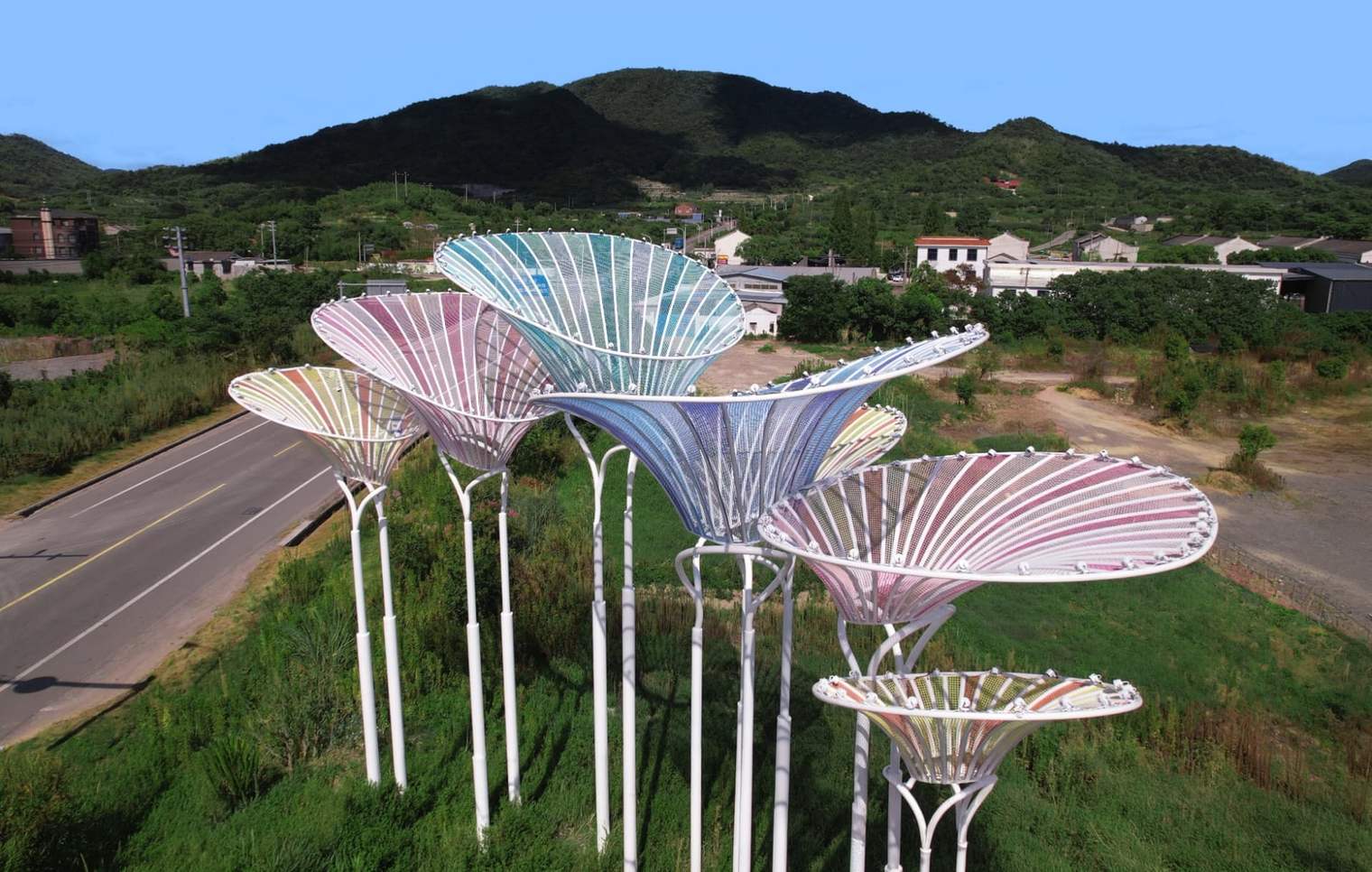
Art Installation: A Complete Guide to Planning, Design, Fabrication, and Execution
Art installation is the process of planning, creating, transporting, and placing artwork within a specific environment. It can involve a single sculpture, a large public artwork, an architectural feature, an interactive display, or a coordinated collection of artistic elements. Unlike simply placing a finished artwork in a room or outdoor space, a successful installation requires careful consideration of the site, audience, structural requirements, materials, access conditions, and construction schedule.
For property developers, architects, landscape designers, public art consultants, and project owners, art installation is often part of a larger development or renovation project. The artwork must complement the surrounding environment while meeting practical requirements for safety, durability, accessibility, and maintenance. This guide explains how to plan an art installation project, coordinate design and fabrication, prepare the site, and manage the final installation process.
1. What Is Art Installation?
Art installation refers to the process of creating and positioning artwork in a particular space so that the artwork and its environment form a coordinated visual or experiential result. The term can describe both the finished artistic arrangement and the practical work required to bring it into place.
Art installations can be temporary or permanent, indoor or outdoor, decorative or conceptual. They may be commissioned for public plazas, parks, museums, commercial buildings, hotels, shopping centers, corporate campuses, and cultural institutions. Some projects use one large sculpture as a focal point, while others combine several objects, lighting elements, architectural components, or interactive features.
1.1 Common Types of Art Installation
Public art installations are designed for shared environments such as city squares, parks, streets, and transportation facilities. They may communicate cultural themes, commemorate historical events, or improve the identity of a public space. These projects often involve coordination with local authorities, architects, landscape designers, engineers, and construction contractors.
Commercial art installations are commonly used in hotels, office buildings, retail developments, residential communities, and corporate headquarters. Their purpose may include strengthening a brand identity, creating a distinctive visitor experience, or adding artistic value to an architectural environment.
Indoor installations are generally protected from direct weather exposure but may have restrictions related to ceiling height, floor loading, building access, fire safety, and visitor circulation. Outdoor installations require additional attention to weather resistance, foundations, drainage, wind loads, and long-term maintenance.
1.2 Art Installation vs. Sculpture Installation
Sculpture installation is a specific type of art installation that focuses on positioning and securing three-dimensional sculptural works. It may involve lifting, anchoring, assembling, and leveling a sculpture according to approved engineering and installation drawings.
Art installation has a broader scope. It may include sculptures, suspended objects, wall-mounted artworks, lighting, multimedia elements, decorative structures, and site-specific compositions. A project may therefore require several different installation methods and specialist teams working together.
2. Planning an Art Installation Project
Planning establishes the artistic direction, project scope, budget, schedule, and technical requirements. It also helps determine whether the proposed artwork is suitable for the intended location. Without sufficient planning, a visually attractive concept may encounter problems during fabrication, transportation, or on-site installation.
For commissioned projects, the planning stage should bring together the client, designer, manufacturer, project manager, and relevant technical consultants. Early communication helps identify constraints and establish clear responsibilities before production begins.
2.1 Define the Project Objectives
Start by identifying what the installation is expected to achieve. It may serve as a landmark, express a cultural identity, enhance an architectural entrance, commemorate an event, improve a visitor experience, or create a focal point within a landscape.
The objective influences the scale, form, materials, location, and interaction between the artwork and its audience. For example, an installation in a hotel lobby may prioritize visual impact and coordination with interior finishes. An artwork in a public plaza may need to be recognizable from several directions and accommodate pedestrian movement around it.
A clear project brief should identify the intended audience, artistic theme, preferred style, approximate dimensions, viewing conditions, and expected project outcome. Reference images and preliminary sketches can help communicate the desired direction.
2.2 Identify the Project Stakeholders
Art installation projects may involve more stakeholders than a standard decorative procurement project. Depending on the location and complexity, participants may include property owners, architects, interior designers, landscape architects, public art consultants, structural engineers, general contractors, electrical contractors, facility managers, and local authorities.
Each party may have different responsibilities. The architect may coordinate the artwork with the building design, while the structural engineer reviews support conditions. The manufacturer handles fabrication, and the installation contractor manages lifting and assembly. These responsibilities should be established early to avoid conflicting instructions or gaps in project coordination.
2.3 Establish the Budget and Schedule
The project budget should cover the full scope rather than only the artwork's production cost. Depending on the installation, expenses may include design development, 3D modeling, engineering, materials, fabrication, surface finishing, packaging, transportation, lifting equipment, foundation work, electrical connections, and installation labor.
The schedule should include concept approval, technical review, material procurement, fabrication, quality inspection, shipping, site preparation, installation, and final acceptance. If the installation is part of a building or landscape project, its milestones should be coordinated with the overall construction schedule.
3. Site Assessment and Installation Planning
Site conditions influence the artwork's design, fabrication method, and installation procedure. Before finalizing the design, the project team should understand the available space, access routes, structural capacity, environmental exposure, and relationship with surrounding features.
A site assessment is particularly important for large, heavy, suspended, or publicly accessible installations. It helps determine what equipment and preparation work will be required and whether the proposed artwork can be installed safely within the available space.
3.1 Measure the Available Space
Accurate measurements help confirm whether the artwork will fit its intended location. Relevant dimensions may include floor area, ceiling height, wall dimensions, entrance openings, overhead clearance, and distance from nearby structures.
For outdoor projects, the assessment should also consider pathways, planting areas, paving levels, road access, drainage, and nearby utilities. The artwork should be positioned so that it does not obstruct pedestrian circulation, emergency access, or essential site functions.
3.2 Review Structural and Environmental Conditions
Indoor installations may require confirmation of floor loading, wall support capacity, ceiling structure, and fixing conditions. Suspended artworks need particular attention because their weight and support arrangements must be coordinated with the building structure.
Outdoor installations require additional review of wind exposure, rainfall, humidity, temperature changes, ground conditions, and potential corrosion risks. The selected materials and structural system should reflect the actual installation environment rather than general assumptions about outdoor suitability.
3.3 Plan Access and Equipment Requirements
The installation team needs to understand how the artwork will reach its final position. Narrow corridors, staircases, elevators, low ceilings, restricted loading areas, and limited crane access can affect the size of transportable components and the installation sequence.
Large artworks may require forklifts, cranes, lifting frames, mobile platforms, or temporary supports. Equipment selection should be based on the component weight, dimensions, center of gravity, lifting points, and site restrictions. These details should be reviewed before delivery.
4. Art Installation Design and Concept Development
The design process connects the artistic idea with the physical environment. A successful installation should respond to the space rather than simply occupy it. Its form, scale, material, color, orientation, and viewing experience should be considered in relation to the project's architecture and landscape.
Concept development should also account for fabrication and installation from the beginning. This helps the design team avoid proposals that are visually appealing but impractical to manufacture, transport, or assemble.
4.1 Develop the Artistic Concept
The concept may be inspired by local history, cultural identity, nature, architecture, community values, or an abstract visual theme. The design team should explain how the proposed form communicates the intended idea and why it is appropriate for the selected location.
For commercial developments, the artwork may need to reinforce the identity of the property or create a memorable visitor experience. For public projects, the concept may need to reflect the site's cultural context and the expectations of its users.
4.2 Evaluate Scale, Proportion, and Composition
Scale determines how the artwork relates to people, buildings, and surrounding landscape elements. A large installation may be appropriate for an open plaza or atrium, while a smaller composition may work better in a garden, reception area, or narrow pedestrian space.
Designers should consider the artwork from multiple viewing positions. A composition that looks balanced from one direction may appear incomplete from another. Digital visualizations and scale models can help evaluate proportions and sightlines before the design is approved.
4.3 Integrate the Artwork with Its Surroundings
The artwork should have a clear relationship with the surrounding environment. This may involve matching architectural materials, creating contrast with the landscape, responding to natural light, or aligning with important pedestrian routes.
Integration does not necessarily mean that the artwork must blend into its surroundings. A strong visual contrast can be intentional, provided that the installation has been planned as part of the overall spatial composition.
5. Selecting Materials for Art Installation
Material selection affects the appearance, weight, durability, fabrication process, and maintenance requirements of an installation. The most suitable material depends on the artistic concept, installation environment, structural requirements, and available production methods.
For custom projects, material samples should be reviewed before full production. This is especially important when the artwork needs to match architectural finishes or maintain a specific appearance under different lighting conditions.
5.1 Stainless Steel
Stainless steel is commonly used for contemporary art installations because it offers a clean appearance, good strength, and several surface finish options. Polished stainless steel can reflect surrounding architecture and landscape, while brushed and satin finishes provide a more restrained appearance.
It is suitable for many indoor and outdoor applications, including public sculptures, architectural features, entrance installations, and large abstract artworks. The appropriate stainless steel grade should be selected according to the exposure environment, particularly for coastal or industrial locations.
5.2 Bronze
Bronze is often selected for figurative, commemorative, and traditional artworks. Its casting properties allow detailed forms, while patination provides a range of surface colors and textures.
Bronze installations may involve several production stages, including sculpting, mold making, casting, finishing, assembly, and surface treatment. For large works, component divisions and installation connections should be planned before casting begins.
5.3 Fiberglass and Resin
Fiberglass and resin-based materials are useful for installations that require complex shapes, lightweight components, or customized colors. They are commonly considered for oversized decorative forms, themed environments, and organic designs.
For outdoor use, the material system should be evaluated for UV exposure, moisture, temperature changes, impact resistance, and coating performance. Large components may require internal reinforcement or a supporting frame to maintain their shape and stability.
5.4 Stone and Concrete
Stone and concrete can provide a solid architectural appearance and are often used in public spaces, gardens, memorial installations, and landscape projects. Natural stone offers distinctive textures, while cast concrete can be formed into different shapes and surface finishes.
Because these materials can be heavy, the design must account for foundation capacity, lifting equipment, transportation, and site access. Large components may need to be divided into sections for safer handling and more practical installation.
5.5 Glass, Wood, and Mixed Materials
Glass and wood can introduce transparency, warmth, and material contrast into an art installation. They may be combined with metal or concrete to create layered compositions and distinctive visual effects.
Mixed-material installations require careful coordination because different materials respond differently to moisture, temperature, movement, and cleaning products. Connection details should accommodate these differences and allow components to be inspected or replaced when necessary.
6. Fabrication and Production Preparation
After the concept and technical details have been approved, the project moves into fabrication. The production process depends on the materials, geometry, scale, and intended finish. Some installations can be produced as single components, while larger or more complex works need modular fabrication and on-site assembly.
Accurate production drawings and clear approval procedures are essential. They help ensure that the manufacturer, client, and installation team are working from the same design information.
6.1 Develop 3D Models and Shop Drawings
Three-dimensional modeling helps the project team review the artwork's geometry, dimensions, and component relationships. For complex installations, the digital model may also support production planning and coordination with architectural or structural drawings.
Shop drawings should identify material specifications, component dimensions, connection details, fixing positions, and assembly requirements. If the artwork is divided into modules, each component should be clearly identified to support fabrication, packing, and installation.
6.2 Manufacture and Assemble Components
Fabrication methods may include cutting, bending, welding, casting, molding, carving, machining, and surface treatment. The appropriate process depends on the selected material and the shape of the artwork.
For large installations, components may be manufactured separately and assembled in the workshop or on site. Trial assembly can help identify fit-up issues before transportation, particularly when the final installation location has limited access or a short construction window.
6.3 Inspect Finish and Production Quality
Quality inspection should compare the finished work with the approved drawings, samples, and specifications. Relevant checks may include dimensions, surface appearance, weld quality, connection alignment, coating condition, and component fit.
Where the artwork has a specific color or texture, the approved sample should be used as the quality reference. Photographs and inspection records can help the client review the finished installation before shipment.
7. Transportation and On-Site Art Installation
Transportation and installation are often among the most coordination-intensive stages of a custom art project. The finished artwork may be large, heavy, fragile, or difficult to handle. Its delivery and installation must therefore be planned around the component dimensions, site access, lifting requirements, and construction schedule.
For large projects, the installation method should be reviewed before fabrication is completed. This allows the manufacturer to prepare suitable lifting points, modular connections, packaging, and assembly details.
7.1 Prepare the Artwork for Transportation
Packaging should protect the artwork from impact, vibration, moisture, and surface damage. Polished metal, painted surfaces, patinated bronze, glass, and other delicate finishes may require specialized protective materials and handling procedures.
For modular installations, each component should be labeled and packed according to the assembly sequence. The shipment should include relevant drawings, component identification, and handling instructions to help the receiving team prepare for installation.
7.2 Prepare the Installation Site
Before delivery, the site should be checked against the approved installation drawings. Foundations, anchor bolts, wall supports, ceiling connections, electrical points, and access routes should be ready as required by the project.
Site preparation may also involve temporary barriers, floor protection, lifting access, traffic management, and coordination with other contractors. Completing these tasks in advance helps reduce delays once the artwork arrives.
7.3 Complete Lifting, Positioning, and Assembly
Depending on the artwork, installation may involve cranes, forklifts, lifting frames, mechanical fasteners, welding, or other approved methods. The installation team should follow a planned sequence and use the designated lifting points and support arrangements.
After positioning, the team should verify alignment, fixing conditions, stability, and surface quality. Any protective packaging should be removed carefully, and installation-related marks or damage should be addressed before final acceptance.
8. Safety, Accessibility, and Compliance
Safety requirements depend on the installation type, location, materials, and intended audience. Artwork in a private indoor space may have different requirements from a large public installation in a busy pedestrian area. The project team should identify applicable local building, fire, accessibility, and public safety requirements before fabrication and installation.
Safety should be considered throughout the project rather than checked only after the artwork has been completed. Early review helps designers and manufacturers address risks through appropriate forms, materials, connections, and installation methods.
8.1 Structural and Fixing Safety
Structural support should be designed according to the artwork's weight, geometry, installation conditions, and relevant loads. Wall-mounted, suspended, elevated, and freestanding installations each require suitable support and fixing details.
Large or unusual installations may need structural calculations and review by qualified engineers. The final fixing arrangement should match the approved design and the actual site conditions.
8.2 Visitor Circulation and Accessibility
Art installations should not unnecessarily obstruct accessible routes, emergency exits, circulation paths, or essential facilities. The project team should review the artwork's footprint, protruding elements, viewing areas, and possible visitor interactions.
If the artwork is intended to be touched, entered, climbed, or used as a seating element, those activities should be considered in the design. The structure and surface details should be suitable for the expected level of public interaction.
8.3 Electrical and Lighting Considerations
Some installations incorporate lighting, sensors, screens, or interactive equipment. These features introduce additional requirements for power supply, cable routing, weather protection, access, and maintenance.
Electrical components should be specified and installed according to applicable requirements. Outdoor systems need suitable protection against moisture and environmental exposure, while indoor systems must coordinate with building services and fire safety provisions.
9. Maintenance and Long-Term Management
Maintenance is an important part of permanent art installation planning. Even durable materials can experience surface contamination, coating deterioration, corrosion, loosening, or accidental damage over time. The maintenance approach should reflect the material, finish, environment, and expected use of the space.
Project owners should obtain maintenance instructions and relevant technical records when the installation is completed. These documents help facility teams understand how to clean, inspect, and repair the artwork without damaging its surface or structure.
9.1 Establish a Cleaning Schedule
Cleaning requirements vary by material. Stainless steel may need regular removal of fingerprints and environmental deposits, while bronze may require specialist care depending on its patina. Painted and coated surfaces should be cleaned using methods compatible with the specified finish.
The manufacturer should provide appropriate cleaning guidance. Abrasive materials, unsuitable chemicals, and excessive pressure should be avoided unless specifically approved for the relevant surface.
9.2 Inspect Structural and Surface Conditions
Periodic inspections can identify loose connections, visible corrosion, cracks, coating damage, water accumulation, or other signs of deterioration. Large outdoor installations may require additional checks of internal supports and foundation interfaces.
Inspection frequency should reflect the installation environment and project requirements. Any suspected structural issue should be assessed by qualified professionals before the artwork is reopened to public access or further work is carried out.
9.3 Keep Project and Maintenance Records
Owners should retain approved drawings, material specifications, finish samples, installation photographs, inspection records, and maintenance instructions. These records provide a reference for future repairs and help ensure that replacement components remain compatible with the original installation.
10. How to Choose an Art Installation Manufacturer
For custom projects, choosing the right manufacturer can influence the quality, schedule, and overall coordination of the installation. A suitable partner should understand the artistic requirements as well as the technical challenges involved in producing and installing the artwork.
Clients should assess the manufacturer's relevant experience, production capabilities, quality procedures, and ability to coordinate with other project participants. The goal is to find a partner who can translate the approved design into a finished installation that meets the project's requirements.
10.1 Review Relevant Project Experience
Review completed projects that are similar in material, scale, complexity, or application. A manufacturer with experience in architectural metalwork may be suitable for a stainless steel installation, while a project involving cast bronze may require different production expertise.
Ask for examples that demonstrate the quality of fabrication, surface finishing, component assembly, and installation coordination. Where possible, review projects that have been in service for some time to understand how the materials and finishes perform after installation.
10.2 Confirm Design and Production Capabilities
Some manufacturers provide only fabrication, while others can also support concept development, 3D modeling, technical review, engineering coordination, and installation planning. The required level of support should be established before selecting a supplier.
Confirm which production processes are handled in-house and which are outsourced. Also ask how drawings are reviewed, how material samples are approved, and how quality is inspected before delivery.
10.3 Clarify Scope, Delivery, and Installation Responsibilities
Project quotations should clearly identify included services and exclusions. These may cover design, engineering, fabrication, packaging, transportation, foundation work, lifting equipment, on-site assembly, and final positioning.
Responsibilities should be agreed upon among the client, manufacturer, general contractor, and installation team. Clear documentation helps prevent disputes about site preparation, access, equipment, and final acceptance.
For custom sculpture and public art projects, explore our design and fabrication services to understand the types of project support available. You can also review our completed sculpture projects for examples of different materials, forms, and applications. If you are planning an art installation, share your project brief, site drawings, reference images, and preliminary dimensions through our contact page so the design and production requirements can be discussed.
11. How Much Does Art Installation Cost?
The cost of art installation varies according to the artwork's size, materials, design complexity, production method, installation environment, and project scope. A small decorative installation may involve relatively straightforward fabrication and positioning, while a large public artwork may require engineering, specialized transportation, foundation construction, cranes, and on-site assembly.
It is important to distinguish the artwork's fabrication price from the total installed project cost. A quotation that covers only production may not include the site work, transportation, equipment, or installation labor needed to complete the project.
11.1 Main Cost Factors
Design costs may include concept development, 3D modeling, technical drawings, engineering coordination, and revisions. Production costs depend on material quantity, fabrication complexity, surface treatment, component size, and quality requirements.
Installation costs are influenced by site access, lifting requirements, foundation conditions, working hours, equipment availability, and the number of components. Remote locations or restricted construction sites may require additional planning and logistics.
11.2 How to Prepare a Project Budget
Start by defining the full project scope and identifying the services required from the manufacturer. Provide drawings, reference images, dimensions, material preferences, installation location, and target schedule wherever possible.
Ask suppliers to separate design, fabrication, transportation, and installation costs where appropriate. This makes it easier to compare quotations and identify areas that may need further coordination. A contingency allowance can also help manage unexpected site conditions or approved changes.
12. Conclusion: Managing Art Installation from Concept to Completion
A successful art installation depends on more than the quality of the finished artwork. It requires a coordinated process that connects artistic concept development, site assessment, material selection, fabrication, transportation, installation, and long-term maintenance. Each stage influences the final appearance, safety, durability, and overall project outcome.
For developers, architects, landscape designers, and project owners, early collaboration with designers, manufacturers, engineers, and contractors helps reduce uncertainty. Confirming site conditions, technical requirements, responsibilities, and approval procedures before production begins can prevent avoidable delays and additional costs.
At Yifeng Sculpture, we support custom sculpture and art installation projects that require coordination between artistic concepts and manufacturing requirements. Whether you are developing a public artwork, an architectural feature, or a commercial installation, sharing your project brief, site information, reference images, and preliminary specifications is a practical first step toward discussing design, fabrication, and installation options.
Frequently Asked Questions About Art Installation
Q1. What is included in an art installation project?
An art installation project may include concept development, site assessment, design, 3D modeling, engineering coordination, material selection, fabrication, packaging, transportation, site preparation, assembly, and final positioning. The exact scope depends on the artwork and the agreement between the client, manufacturer, and installation contractor.
Q2. How long does an art installation project take?
The schedule depends on the artwork's complexity, material availability, design approval process, fabrication requirements, transportation distance, and site conditions. A relatively simple installation may be completed within a shorter period, while a large custom public artwork may require several months of design, production, and coordination. The project schedule should include approval and installation milestones.
Q3. What materials are commonly used for art installation?
Common materials include stainless steel, bronze, fiberglass, resin, stone, concrete, glass, and wood. Mixed-material installations may combine several of these options. The best material depends on the artistic concept, indoor or outdoor environment, structural requirements, budget, and maintenance expectations.
Q4. What should be checked before art installation begins?
Before art installation begins, the project team should confirm site dimensions, access routes, structural support, foundation or fixing conditions, lifting requirements, electrical connections where applicable, and coordination with other contractors. The finished artwork should also be checked against approved drawings and specifications before delivery.
Q5. Can a sculpture manufacturer handle art installation?
Some sculpture manufacturers provide installation support in addition to design and fabrication. Their services may include packaging, transportation coordination, modular assembly, installation guidance, and on-site positioning. Clients should confirm the exact scope, equipment responsibilities, site preparation requirements, and final acceptance procedures before placing an order.
.png?imageMogr2/format/webp)

