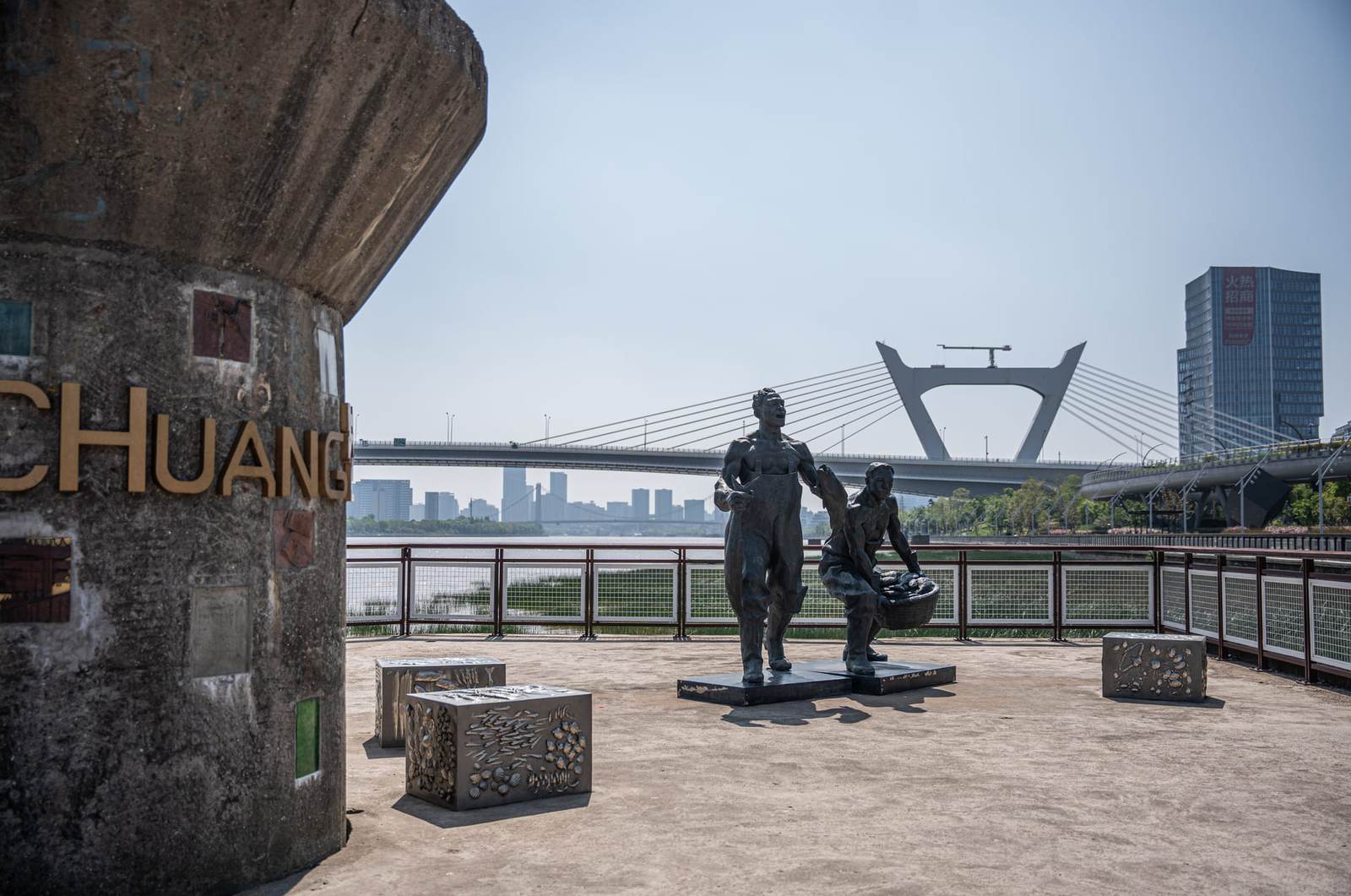
Bronze Sculpture: A Complete Guide to Design, Casting, Finishes, and Applications
Bronze sculpture has been used in art, architecture, and public spaces for centuries. Its ability to capture fine details, support complex forms, and develop distinctive surface finishes makes it a popular choice for figurative artworks, memorials, cultural installations, and architectural features. Today, bronze continues to serve both traditional and contemporary sculpture projects, from small decorative pieces to large public monuments.
For architects, developers, public art consultants, designers, and procurement teams, commissioning a bronze sculpture involves more than selecting an artistic concept. The project also requires decisions about alloy composition, casting methods, dimensions, structural support, patina, fabrication quality, transportation, and installation. This guide explains how bronze sculptures are designed and manufactured, what buyers should consider when selecting a bronze sculpture manufacturer, and how to plan for long-term performance.
1. What Is a Bronze Sculpture?
A bronze sculpture is a three-dimensional artwork made primarily from bronze, a copper-based alloy that commonly contains tin and may include other elements. Bronze has a long history in sculpture because it can be cast into detailed shapes and finished with a wide range of surface colors and textures. It is used for figurative statues, abstract artworks, reliefs, decorative objects, memorials, and public installations.
Bronze is particularly suitable for designs that require detailed modeling and expressive surface features. Facial expressions, clothing folds, animal forms, ornamental patterns, and complex textures can be reproduced through appropriate mold-making and casting processes. Once cast, the sculpture can be refined through chasing, welding, grinding, and patination.
1.1 Why Bronze Is Used for Sculpture
Bronze offers a combination of casting capability, visual character, and mechanical properties that make it useful for a broad range of sculpture applications. It can reproduce intricate details while supporting both solid and hollow construction methods. Hollow cast sections can reduce weight compared with a fully solid object of the same external dimensions, although their thickness and internal support still need to be engineered for the intended application.
Another advantage is the variety of finishes available. Bronze can be polished, brushed, chemically patinated, or treated to create different colors and textures. These options allow the material to suit traditional, contemporary, architectural, and landscape-oriented designs.
1.2 Common Applications of Bronze Sculpture
Bronze sculptures are frequently used for public monuments, memorial statues, cultural installations, garden features, and architectural decoration. Figurative bronze works are common in civic spaces and institutional environments, while abstract bronze sculptures may be commissioned for hotels, corporate developments, museums, and landscaped plazas.
Smaller bronze sculptures are also used as awards, commemorative objects, decorative features, and collectible artworks. The production method and level of detail vary according to the intended size, application, budget, and design requirements.
2. Types of Bronze Sculpture
Bronze sculpture can be classified according to its artistic form, construction method, and intended application. Understanding these categories helps buyers communicate their requirements and select an appropriate production approach.
The choice should reflect the artwork's purpose, viewing distance, installation environment, and desired visual expression. A detailed figurative sculpture may require a different modeling and casting process from a large abstract installation made from multiple bronze sections.
2.1 Figurative Bronze Sculpture
Figurative bronze sculptures represent people, animals, or recognizable subjects. They may be realistic, stylized, or expressive, depending on the artistic direction. Human figures are often commissioned for memorials, historical displays, educational institutions, and cultural spaces. Animal sculptures are frequently used in parks, gardens, hotels, and themed environments.
These works often require careful attention to anatomy, proportions, posture, facial expression, and surface detail. The sculpting and mold-making stages are particularly important because they establish the level of detail that can be transferred into the final cast bronze piece.
2.2 Abstract Bronze Sculpture
Abstract bronze sculpture uses shapes, lines, volumes, and textures to communicate ideas without necessarily depicting recognizable subjects. Designs may feature flowing curves, geometric structures, irregular forms, or combinations of solid and open spaces.
Abstract works are often selected for contemporary architecture and public spaces because they can create a distinctive focal point while allowing viewers to interpret the form in different ways. The design should still account for balance, structural support, casting limitations, and the relationship between the sculpture and its surroundings.
2.3 Bronze Relief Sculpture
Bronze relief sculpture is a form of artwork in which figures or patterns project from a relatively flat background. Reliefs may be used for memorial plaques, architectural panels, historical displays, decorative facades, and commemorative installations.
Low relief and high relief differ in how far the modeled elements project from the background. The required depth, panel dimensions, fixing method, and viewing distance should be considered during design development. Large relief panels may also need reinforcement and modular connections.
2.4 Monumental Bronze Sculpture
Monumental bronze sculptures are large-scale works designed for public spaces, institutional grounds, memorial sites, and major architectural developments. They may depict historical figures, symbolic subjects, cultural themes, or abstract forms.
Large bronze sculptures often require sectional casting, internal steel support, engineered foundations, and coordinated installation planning. Their design must consider not only artistic proportions but also wind exposure, component weight, lifting points, transportation limits, and maintenance access.
3. Bronze Sculpture Design and Concept Development
The design stage establishes the sculpture's artistic direction and provides the information needed for modeling, casting, and installation. A clear concept helps the client and manufacturer agree on the intended appearance before committing to production.
For commissioned bronze sculpture projects, the design process should consider the artwork's purpose, location, dimensions, viewing conditions, and budget. Technical review should be introduced early enough to identify details that may affect mold making, casting, assembly, or structural support.
3.1 Define the Artistic Theme
The artistic theme may be based on a person, animal, historical event, cultural symbol, natural form, or abstract idea. The theme should establish the subject and visual language of the sculpture. For public projects, it may also need to reflect local history, community identity, or the intended message of the site.
Clients should communicate the concept through a written brief, sketches, reference photographs, or examples of preferred artistic styles. It is useful to distinguish essential design requirements from elements that can be adjusted during concept development.
3.2 Determine Dimensions and Proportions
Dimensions influence the sculpture's visual impact, material quantity, casting method, weight, transportation, and installation requirements. A small tabletop bronze piece can often be produced as one casting, while a large outdoor figure may need to be divided into several sections.
Proportions should be evaluated in relation to the installation site and expected viewing distance. A monument in an open plaza may need a different scale from a bronze sculpture displayed in a garden or building lobby. Three-dimensional models and site visualizations can help the project team evaluate these relationships.
3.3 Consider Casting and Assembly Requirements
Some designs are relatively straightforward to cast, while others contain deep recesses, thin projections, enclosed spaces, or complex undercuts that make mold preparation and casting more difficult. These features should be reviewed before the sculptural model is finalized.
For large sculptures, the manufacturer may recommend dividing the artwork into sections. The division plan should preserve the visual continuity of the finished form while providing practical access for casting, finishing, transportation, and assembly.
4. Bronze Sculpture Casting Methods
Casting is one of the defining processes in bronze sculpture production. It involves creating a mold or casting system into which molten bronze is poured or otherwise introduced. The method influences the achievable level of detail, component size, production complexity, and finishing work required.
The appropriate casting method depends on the sculpture's geometry, dimensions, quantity, and quality requirements. Buyers should discuss the process with the manufacturer rather than assuming that every bronze sculpture is produced in the same way.
4.1 Lost-Wax Casting
Lost-wax casting is widely used for bronze sculptures that require detailed forms. A model is used to create a mold, and a wax version of the sculpture is produced from that mold. The wax is then covered with a refractory investment material. During heating, the wax melts and leaves a cavity into which molten bronze can be poured.
After the bronze cools, the investment material is removed and the casting is cleaned. The casting is then refined through processes such as chasing, welding, grinding, and surface preparation. This method is suitable for many figurative sculptures, ornamental details, and complex artistic forms.
4.2 Sand Casting
Sand casting uses a prepared sand mold to create the required shape. It can be suitable for certain larger or less intricate components, depending on the design and production requirements. The process generally involves preparing the mold, forming the cavity, pouring molten bronze, allowing it to cool, and removing the casting.
The achievable surface detail and dimensional accuracy depend on the mold design, sand system, casting conditions, and finishing process. Sand casting may require additional machining or surface refinement to achieve the intended appearance.
4.3 Sectional Casting for Large Sculptures
Large bronze sculptures are often divided into multiple cast sections because producing and handling a single massive casting may be impractical. Individual sections are cast separately and then joined through welding or other suitable assembly methods.
Sectional casting makes transportation and handling more manageable, but it requires careful planning. Joint locations should be selected to reduce their visibility and preserve the continuity of the sculptural surface. The internal support system and assembly sequence should also be coordinated before production begins.
4.4 Choosing the Appropriate Casting Process
The casting process should be selected according to the level of detail, sculpture size, shape complexity, production quantity, and required finish. Lost-wax casting is often suitable for detailed forms, while other casting methods may be more practical for specific component geometries or production conditions.
When comparing manufacturers, ask them to explain the proposed casting process and how it will affect the final surface, dimensional consistency, production schedule, and cost. A clear process description helps buyers understand what is included in the quotation.
5. Bronze Sculpture Finishes and Patinas
The surface finish is a major part of a bronze sculpture's visual identity. Bronze can be treated to create a wide range of colors, textures, and levels of reflectivity. The selected finish should complement the artistic concept and suit the installation environment.
Clients should review physical finish samples whenever possible. Patina colors can vary depending on the alloy, chemical treatment, application method, temperature, and finishing technique. A sample provides a more reliable reference than a color description alone.
5.1 Natural Bronze Appearance
Unpatinated bronze has a warm metallic appearance that can range from reddish to golden-brown depending on its alloy composition and surface condition. Polishing can increase reflectivity, while brushing or other mechanical treatments can create a more subdued texture.
The surface may change over time through oxidation and environmental exposure. If the project requires a consistent appearance, the specification should define the intended treatment and maintenance expectations.
5.2 Brown and Dark Patina
Brown and dark patinas are common finishes for figurative sculptures and memorial artworks. They can create visual depth and help emphasize details such as facial features, clothing, and textured surfaces.
Different application techniques can produce uniform or varied tonal effects. The final appearance should be evaluated under lighting conditions similar to those expected at the installation site.
5.3 Green Patina
Green patina is associated with the aged appearance of bronze and is often used for traditional statues, garden sculptures, and architectural details. It can range from subtle green-brown tones to more pronounced green or blue-green surfaces.
A controlled green patina is different from simply allowing a sculpture to weather without a defined treatment. The manufacturer should explain the selected patination process and whether a protective coating will be applied afterward.
5.4 Polished and Textured Finishes
Polished bronze can create a brighter metallic surface, while brushed, satin, hammered, or textured finishes provide different visual effects. These treatments may be used across the entire sculpture or combined to emphasize selected areas.
Complex surface treatments require consistent workmanship. The project team should identify which areas need a uniform finish and which areas are intended to have deliberate variations in color or texture.
5.5 Protective Coatings and Surface Care
Some bronze sculptures receive protective waxes, lacquers, or other coatings to influence surface appearance and slow environmental changes. The appropriate treatment depends on the finish, location, and maintenance plan.
No coating eliminates the need for inspection and care. Outdoor bronze sculptures may require periodic cleaning and surface assessment, particularly in locations exposed to pollution, moisture, or frequent public contact.
6. Structural Design for Outdoor Bronze Sculpture
Structural planning becomes increasingly important as the size and complexity of a bronze sculpture increase. The artwork must support its own weight and withstand relevant environmental loads while remaining securely connected to its foundation or supporting structure.
Large outdoor bronze sculptures may include internal steel frameworks, reinforced bases, anchor systems, and engineered foundations. These components should be designed in coordination with the sculpture's external form and casting sections.
6.1 Internal Support Structures
Some bronze sculptures can be supported by their cast sections and base arrangement, while larger or more complex works may require an internal steel structure. The support system helps transfer loads and maintain the intended geometry.
Its design should consider access for assembly and inspection, the relationship between bronze and steel components, and potential movement caused by temperature changes. The supporting structure should not interfere with the visible artistic form or create unnecessary fabrication difficulties.
6.2 Foundation and Anchoring
The foundation provides the connection between the sculpture and the ground. Depending on the size and location, it may include reinforced concrete, embedded plates, anchor bolts, or other engineered fixing systems.
Foundation requirements depend on the sculpture's dimensions, weight, geometry, wind exposure, soil conditions, and local engineering standards. The manufacturer should provide the necessary interface information so that the project's structural or civil engineering team can coordinate the foundation design.
6.3 Wind Loads and Environmental Exposure
Tall sculptures and artworks with large exposed surfaces may be affected by wind loads. Their shape and orientation can influence how wind acts on the structure. The design should be reviewed according to the applicable site conditions and engineering requirements.
Outdoor bronze sculptures should also be assessed for moisture accumulation, corrosion at connections, and drainage. Bronze itself develops surface changes over time, but internal steel supports, fasteners, and adjacent materials may need separate protection.
7. Bronze Sculpture Manufacturing Process
Bronze sculpture manufacturing involves several connected stages, from model preparation to final surface treatment. The exact workflow depends on the casting method, sculpture dimensions, and level of detail required.
Understanding the production sequence helps clients evaluate quotations, approve samples, and establish realistic delivery expectations. It also provides a basis for quality checks before the sculpture is shipped.
7.1 Sculpting and Model Preparation
The process usually begins with a physical or digital model that defines the sculpture's form and details. Depending on the project, the model may be developed in clay, wax, plaster, or another suitable material. Digital modeling may also support the development of complex geometry and production references.
The model should be approved before mold making begins. Changes made after mold preparation can affect production time and cost, so the client should confirm proportions, surface details, and artistic features at this stage.
7.2 Mold Making and Wax Preparation
For lost-wax casting, the approved model is used to prepare a mold. Wax is then introduced into the mold to create a wax replica of the sculpture. The wax replica is checked and refined before the investment mold is prepared.
For large or complex works, multiple molds and wax sections may be required. The production team should identify how these sections will be connected and how the final sculpture will be assembled.
7.3 Bronze Pouring and Casting Cleanup
Molten bronze is poured into the prepared mold under controlled production conditions. After cooling, the mold is removed and the casting is cleaned. Excess material from gates and channels is cut away, and the cast surface is prepared for further refinement.
At this stage, the manufacturer checks the casting for visible defects and confirms that the component is suitable for finishing. The required inspection methods depend on the component geometry and project specifications.
7.4 Chasing, Welding, and Assembly
Chasing is used to refine cast surfaces, restore details, and reduce visible evidence of the casting process. If the sculpture is made from several sections, the components may be joined through welding and then ground or refined to create a continuous surface.
Assembly quality is particularly important for large sculptures. Joint positions, alignment, surface continuity, and internal support connections should be checked against the approved drawings.
7.5 Patination and Final Inspection
After the sculpture has been assembled and prepared, the selected patina or surface finish is applied. The treatment may involve chemical solutions, controlled heating, mechanical finishing, or protective coatings, depending on the intended result.
Final inspection should compare the finished sculpture with the approved model, dimensions, finish sample, and project specifications. The manufacturer should also check the base, fixing details, and any components needed for transportation and installation.
8. How to Choose a Bronze Sculpture Manufacturer
Choosing a bronze sculpture manufacturer requires evaluating artistic understanding, casting experience, finishing quality, production control, and project coordination. A manufacturer may be capable of producing small decorative pieces but lack the experience or facilities needed for a large public monument.
Buyers should assess whether the manufacturer can manage the specific casting method, sculpture scale, surface finish, and installation requirements. Clear communication and documented approvals are also important throughout the production process.
8.1 Review Casting Experience and Project Portfolio
Ask to see completed bronze sculptures that are similar in size, complexity, and application. Pay attention to surface detail, casting consistency, joint visibility, patina quality, and the overall finish.
For large projects, review examples that demonstrate sectional casting, internal support, and installation coordination. Relevant project experience provides a more useful indication of capability than general claims about manufacturing expertise.
8.2 Understand the Production Process
Ask the manufacturer to explain how the sculpture will be modeled, molded, cast, assembled, and finished. Confirm which stages are completed in-house and which are handled by specialist partners.
It is also useful to understand how material specifications, casting quality, welding, surface treatments, and dimensional accuracy are inspected. A clear production workflow helps buyers understand how the finished result will be controlled.
8.3 Confirm Samples, Drawings, and Approval Procedures
Before full production, confirm the approved model, dimensions, casting details, and finish sample. The project agreement should explain how revisions are handled and who has authority to approve changes.
For complex sculptures, request production drawings and assembly information. These documents are important for checking the relationship between individual sections, internal supports, fixing points, and the final installation arrangement.
8.4 Clarify Delivery and Installation Support
Confirm whether the quotation includes packaging, transportation, foundation information, on-site assembly, lifting equipment, and installation labor. These services are not automatically included in every bronze sculpture order.
For custom projects, review our sculpture design and fabrication services to understand the available project support. You can also explore completed sculpture projects for examples of different forms and applications. If you are planning a custom bronze sculpture, share your design references, dimensions, preferred finish, and installation requirements through our contact page so the project scope can be evaluated.
9. Bronze Sculpture Maintenance and Longevity
Bronze is valued for its long history of use in sculpture, but its surface appearance can change through oxidation and environmental exposure. Maintenance requirements depend on the alloy, patina, protective coating, installation location, and expected appearance.
Owners should establish a maintenance plan based on the manufacturer's recommendations. Routine cleaning and periodic inspection can help preserve the sculpture's appearance and identify problems with connections, coatings, or supporting structures.
9.1 Routine Cleaning
Cleaning removes dust, dirt, pollution deposits, bird droppings, and other surface contaminants. The method should be compatible with the sculpture's patina and protective treatment. Abrasive tools or aggressive chemicals can damage the finish and should not be used without professional guidance.
For public installations, cleaning frequency may need to reflect visitor contact and local environmental conditions. Coastal or heavily polluted locations may require more frequent attention than sheltered indoor environments.
9.2 Patina Inspection and Surface Protection
Patina is part of the visual character of many bronze sculptures. Some owners prefer a stable, controlled finish, while others accept gradual natural changes. The maintenance plan should clarify the desired appearance so that cleaning and treatment methods do not conflict with the artistic intention.
Where protective waxes or coatings are used, their condition should be inspected periodically. Renewal requirements depend on the treatment and exposure conditions.
9.3 Structural Inspection and Repair
Large bronze sculptures should be checked for loose connections, cracks, movement, water accumulation, and deterioration around the base or foundation interface. Internal support systems may also require inspection where access is available and the project design calls for it.
Any suspected structural problem should be assessed by qualified professionals. Repairs should use compatible materials and methods so that the sculpture's appearance and structural performance are maintained.
10. How Much Does a Bronze Sculpture Cost?
The cost of a bronze sculpture depends on its size, artistic complexity, casting method, material quantity, surface finish, assembly requirements, and installation scope. A small decorative bronze sculpture may involve a relatively straightforward production process, while a large custom monument may require extensive modeling, sectional casting, internal reinforcement, and specialist installation.
Because each commissioned sculpture has different requirements, an accurate quotation needs project-specific information. Buyers should also distinguish the sculpture's production cost from the total cost of delivery and installation.
10.1 Main Factors That Affect Bronze Sculpture Prices
Material costs depend on the quantity and specification of bronze used. Design and modeling costs are influenced by the level of detail, number of revisions, and complexity of the form. Casting costs depend on the selected process, mold requirements, component size, and production conditions.
Finishing can also affect the price. Detailed chasing, complex patination, polishing, and protective treatments require additional labor and quality control. Large sculptures may involve more assembly work, internal support, packaging, and transportation expenses.
10.2 Information Needed for a Quotation
To request a quotation, provide the sculpture's approximate dimensions, reference images or drawings, preferred finish, intended application, installation location, required quantity, and target delivery date. If the design is not finalized, explain which elements are confirmed and which may be developed with the manufacturer.
Ask the supplier to identify whether the quotation includes modeling, mold making, casting, finishing, packaging, transportation, and installation. Comparing quotations based on the same scope helps buyers understand differences in pricing and service coverage.
11. Conclusion: Planning a Successful Bronze Sculpture Project
Bronze sculpture combines artistic expression with a manufacturing process that requires careful control of modeling, mold making, casting, assembly, and surface finishing. Its versatility makes it suitable for figurative works, abstract artworks, memorials, architectural decoration, and large public installations.
For project owners and procurement teams, successful commissioning depends on defining the artistic concept, selecting the right casting method, approving the surface finish, and confirming the structural and installation requirements. Early coordination with an experienced manufacturer helps ensure that the design can be translated into a finished sculpture that meets the project's expectations.
At Yifeng Sculpture, we support custom sculpture projects that require coordination between artistic design and manufacturing. Whether you are planning a bronze artwork, a public monument, or a custom installation for a commercial or cultural development, sharing your reference images, dimensions, preferred finish, and project requirements is a practical first step toward discussing the production approach.
Frequently Asked Questions About Bronze Sculpture
Q1. What is the lost-wax process for bronze sculpture?
The lost-wax process is a casting method in which a wax replica is created from an approved model and covered with a refractory mold material. The wax is removed through heating, leaving a cavity for molten bronze. After the bronze cools, the mold is removed and the casting is cleaned, refined, assembled where necessary, and finished.
Q2. Is bronze sculpture suitable for outdoor use?
Bronze sculpture is commonly used outdoors for monuments, memorials, garden artworks, and public installations. Its surface will change over time through oxidation and environmental exposure. The project should consider the bronze alloy, patina, protective treatment, internal support materials, foundation, and maintenance requirements.
Q3. What is the difference between bronze and brass sculpture?
Bronze and brass are both copper-based alloys, but their compositions differ. Bronze commonly contains tin, while brass primarily combines copper and zinc. Their casting behavior, color, mechanical properties, and finishing characteristics can differ. The appropriate material depends on the sculpture's design, manufacturing process, and performance requirements.
Q4. How long does it take to manufacture a custom bronze sculpture?
Production time depends on the sculpture's size, detail, casting method, number of sections, finishing requirements, and approval schedule. A small sculpture may require a shorter production period, while a large custom monument may involve extended modeling, mold making, casting, assembly, and installation coordination. A manufacturer should provide a project-specific schedule after reviewing the design.
Q5. How do I choose a reliable bronze sculpture manufacturer?
Review the manufacturer's bronze casting experience, completed projects, surface finishing quality, production process, and ability to handle the required scale. Ask about modeling, mold making, casting, assembly, inspection, and installation support. Confirm material specifications, approved samples, project responsibilities, and delivery arrangements before placing an order.
.png?imageMogr2/format/webp)

