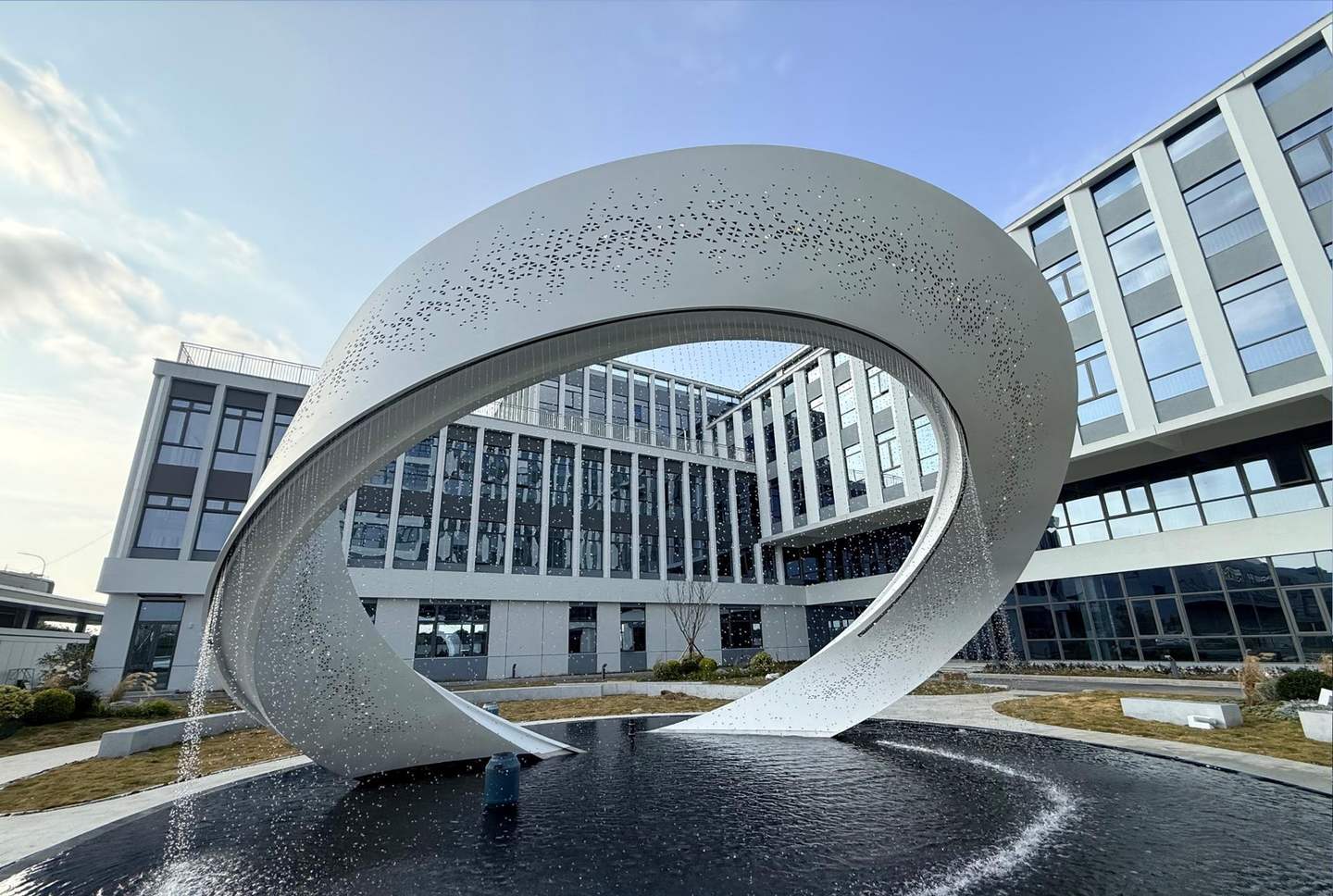
Custom Sculpture: A Complete Guide to Design, Materials, Fabrication, and Commissioning
A custom sculpture is more than a decorative object. For commercial developments, public spaces, hotels, parks, and cultural projects, it can become a defining visual feature that communicates a place's identity and creates a lasting impression. Unlike standard sculptures selected from an existing catalog, a custom sculpture is developed around specific artistic goals, site conditions, dimensions, materials, and project requirements.
However, commissioning a sculpture involves more than choosing an attractive concept. Project owners and designers need to consider design development, material performance, structural requirements, fabrication methods, transportation, installation, and long-term maintenance. Each decision can affect the final appearance, project budget, production schedule, and service life.
This guide explains how to plan and commission a custom sculpture, from the initial concept to final installation. It is intended for developers, architects, landscape designers, contractors, and procurement teams who need to make informed decisions when sourcing a sculpture for a commercial or public project.
1. What Is a Custom Sculpture?
A custom sculpture is an artwork designed and manufactured according to a client's specific requirements rather than selected from a standard product range. Its shape, dimensions, material, surface finish, color, and installation method can all be adjusted to suit the project. Depending on the application, the sculpture may be created as a freestanding landmark, an architectural feature, an interactive installation, or a decorative element integrated into a landscape or building environment.
Custom sculpture projects usually involve collaboration between the client, designer, sculpture manufacturer, and sometimes structural engineers or installation contractors. The client defines the project's objectives and site conditions, while the design and production teams translate those requirements into a manufacturable and installable artwork.
1.1 Custom Sculpture vs. Standard Sculptures
The main difference between custom and standard sculptures is the level of project-specific adaptation. Standard sculptures are generally produced according to predetermined designs, dimensions, and material specifications. They can be suitable for buyers who need a relatively straightforward decorative piece and do not have strict requirements for size, appearance, or site integration.
A custom sculpture, by comparison, is developed around the intended location and the client's design expectations. For example, a sculpture for a hotel entrance may need to coordinate with the building's architectural language, while a large public artwork may need to meet specific height, wind-load, foundation, and transportation requirements. The design can also incorporate a company's visual identity, a cultural theme, or a particular landscape concept.
This flexibility makes custom production more suitable for projects where the sculpture must serve as a recognizable landmark or an important part of the overall design. It also means that the project requires more detailed communication and technical confirmation before fabrication begins.
1.2 Common Applications of Custom Sculpture
Custom sculptures are used in a wide range of commercial, architectural, and public environments. In urban development projects, large outdoor sculptures can help establish the identity of plazas, parks, waterfronts, and pedestrian areas. Developers may commission a distinctive artwork to create a visual focal point and improve the overall character of a public space.
Hotels, resorts, shopping centers, and office buildings also use custom sculptures to strengthen their visual identity. A sculpture at an entrance, reception area, garden, or central courtyard can become part of the visitor experience. For cultural institutions and municipal projects, sculptures may communicate local history, community values, or artistic themes.
Indoor applications include lobby installations, decorative wall sculptures, reception-area artwork, and feature pieces for commercial interiors. The intended environment should be considered from the beginning because indoor and outdoor applications may require different materials, surface treatments, structural designs, and maintenance arrangements.
2. How to Plan a Custom Sculpture Project
Effective planning helps prevent design changes, budget overruns, and installation problems later in the project. Before approaching a manufacturer, the project team should establish what the sculpture needs to achieve, where it will be installed, and what practical limitations may affect its design. These details provide the foundation for concept development and technical discussions.
2.1 Define the Artistic Purpose and Project Requirements
The first step is to clarify the purpose of the sculpture. A landmark artwork in a public plaza may need to be visually recognizable from a considerable distance, while a sculpture inside a hotel lobby may focus more on detail, material quality, and coordination with interior finishes. A sculpture for a corporate headquarters may also need to reflect the company's identity or communicate a particular brand message.
Project teams should prepare a basic requirement brief covering the intended application, artistic theme, approximate dimensions, preferred materials, installation environment, and expected completion date. Reference images, concept sketches, architectural drawings, and visual examples can help communicate the desired direction. It is also useful to identify any non-negotiable requirements, such as maximum height, available installation space, color restrictions, or local safety standards.
A clear brief does not need to contain every technical detail at the beginning. However, it should give the manufacturer enough information to assess feasibility and recommend an appropriate design and production approach.
2.2 Assess the Installation Site
Site conditions can significantly influence sculpture design and manufacturing. For outdoor projects, the project team should consider local climate, wind exposure, rainfall, humidity, temperature changes, ground conditions, and potential exposure to corrosive substances. A sculpture installed near the coast, for example, may require more careful material and surface-finish selection than one placed in a protected indoor environment.
Available space is equally important. The sculpture's height, width, viewing distance, surrounding buildings, pedestrian circulation, and landscaping should all be evaluated. A large artwork may look impressive in a rendering but feel disproportionate when placed next to nearby structures. Site photographs, survey drawings, and accurate dimensions help the design team understand these relationships before production.
Access for delivery and installation should also be checked early. Narrow roads, underground parking structures, limited crane access, overhead restrictions, and existing landscape features can affect whether the sculpture should be manufactured as one piece or divided into transportable sections.
2.3 Establish the Budget and Project Schedule
A realistic budget should cover more than the sculpture's manufacturing cost. Depending on the project, the total investment may include concept design, engineering, material procurement, fabrication, surface finishing, packaging, transportation, lifting equipment, foundation work, installation labor, and final inspection. If these items are not considered early, the initial quotation may not reflect the full project cost.
The schedule should account for design approval, technical drawings, material preparation, fabrication, finishing, quality inspection, delivery, and on-site installation. Large or highly customized sculptures may require several rounds of design review before production can begin. Imported materials, special finishes, complex forming processes, and overseas transportation can also affect lead time.
It is advisable to establish key approval milestones and identify who has the authority to confirm design changes. This helps maintain communication between the client, designer, manufacturer, and installation team throughout the project.
3. Custom Sculpture Design and Concept Development
Design development is the stage where an artistic idea becomes a workable project proposal. A successful custom sculpture needs to balance visual expression with physical dimensions, material properties, fabrication methods, and installation conditions. A concept that looks attractive in a sketch may need technical adjustments before it can be manufactured safely and efficiently.
3.1 Develop a Concept That Fits the Project Identity
The design concept should reflect the purpose and character of the location. For a public plaza, the artwork may need a recognizable silhouette and a strong visual presence. For a landscape project, its form may respond to natural elements such as water, plants, mountains, or surrounding terrain. In a commercial development, the sculpture may incorporate abstract shapes or symbolic elements associated with the project's identity.
Designers should consider how people will experience the sculpture from different directions and distances. A piece intended to be viewed from all sides requires a more complete three-dimensional design than one positioned against a wall. The relationship between the sculpture and its surroundings should also be evaluated, including lighting, pedestrian movement, nearby buildings, and landscape elements.
At this stage, it is useful to compare several concept directions before selecting one for detailed development. This allows the client to evaluate the artistic approach while changes are still relatively easy to make.
3.2 Use Sketches, 3D Models, and Renderings
Sketches and reference images are useful for communicating the initial idea, but they may not provide enough information for a large or technically complex sculpture. Three-dimensional models help clarify the sculpture's proportions, overall volume, component relationships, and appearance from different viewing angles. They can also help identify areas that may be difficult to fabricate or assemble.
Renderings can show how the proposed artwork may look within its actual environment. By placing the sculpture into a site photograph or architectural visualization, the project team can assess its scale, color, visual impact, and relationship with surrounding elements. This is particularly useful for public art and commercial developments, where the artwork needs to work as part of a larger design scheme.
For projects involving complex structures or large dimensions, 3D design information can also support later engineering and fabrication work. However, a visual model should not be treated as a substitute for production drawings or structural calculations. These documents need to be developed and reviewed separately before manufacturing.
3.3 Confirm the Final Design Before Production
Before fabrication begins, the client and manufacturer should confirm the final design and its technical specifications. These typically include overall dimensions, material grades, material thicknesses where applicable, surface finishes, colors, component divisions, connection details, and installation requirements.
It is important to establish a formal approval process for design changes. Adjustments to the sculpture's height, shape, material, or internal structure may influence manufacturing methods, costs, and delivery schedules. If changes are introduced after fabrication has started, some components may need to be reworked or produced again.
For this reason, the approved design should be supported by clear drawings and written specifications. Both parties should understand which aspects are fixed and which details may still be adjusted during production.
4. Choosing the Right Material for Custom Sculpture
Material selection affects a sculpture's appearance, weight, durability, fabrication complexity, maintenance requirements, and overall cost. There is no single material suitable for every project. The best choice depends on the sculpture's design, installation environment, expected service life, and available manufacturing processes.
4.1 Stainless Steel Sculpture
Stainless steel is widely used for contemporary sculptures because of its clean appearance, strength, and suitability for complex formed structures. Depending on the design, it can be polished, brushed, mirror-finished, painted, or treated with other surface finishes. Reflective stainless steel sculptures are often used in plazas, commercial developments, landscape projects, and architectural spaces where changing reflections are part of the artistic effect.
For outdoor applications, the appropriate stainless steel grade should be selected according to environmental conditions. Coastal environments and areas exposed to deicing salts or industrial pollutants may require more corrosion-resistant specifications and careful maintenance planning. Weld quality, surface treatment, drainage, and the prevention of water accumulation are also important for long-term performance.
4.2 Bronze Sculpture
Bronze is a traditional sculpture material valued for its appearance, casting characteristics, and ability to reproduce detailed forms. It is commonly used for figurative sculptures, commemorative artworks, cultural installations, and decorative pieces. Depending on the casting process and finishing requirements, bronze can reproduce fine surface details and support a range of patina colors.
Bronze sculptures can develop changes in surface appearance over time, particularly when installed outdoors. Some projects intentionally use natural patina as part of the artistic character, while others require a protective finish to maintain a more consistent appearance. The desired surface effect should therefore be confirmed before production.
4.3 Fiberglass Sculpture
Fiberglass, generally produced using glass fiber reinforced plastic, is useful for sculptures that require complex shapes, relatively low weight, and flexible surface finishes. It can be molded into organic forms, oversized decorative objects, and designs that would be difficult or expensive to produce using metal alone.
Fiberglass sculptures can be painted in different colors and finished to resemble other materials, depending on the production process. Their performance depends on resin selection, laminate design, structural reinforcement, coating quality, and exposure conditions. For large outdoor installations, the internal support structure and connection details need to be designed carefully rather than relying only on the outer shell.
4.4 Weathering Steel and Other Materials
Weathering steel, often referred to as Corten steel, is selected for its distinctive rust-like appearance and architectural character. It can be suitable for landscape and public art projects where an earthy, industrial, or natural visual effect is desired. However, its use requires consideration of local climate, drainage, surrounding materials, and potential runoff staining. It should not be selected simply because the surface appearance is attractive in a reference image.
Other materials may include aluminum, copper, stone, wood, concrete, and combinations of different materials. Aluminum can reduce overall weight, while stone may be appropriate for projects that emphasize natural texture and permanence. Mixed-material sculptures can create distinctive visual effects, but the connections between materials need to account for differences in weight, expansion, corrosion behavior, and maintenance requirements.
| Material | Typical Characteristics | Common Applications | Key Considerations |
|---|---|---|---|
| Stainless Steel | Modern appearance, strong, available in multiple finishes | Public art, plazas, commercial landscapes, architectural features | Grade selection, welding quality, surface maintenance |
| Bronze | Traditional appearance, detailed casting, patina options | Figurative art, commemorative sculptures, cultural projects | Casting quality, patina consistency, surface protection |
| Fiberglass | Lightweight, moldable, flexible surface finishes | Large decorative forms, themed installations, complex shapes | Resin system, reinforcement, coating, internal support |
| Weathering Steel | Distinctive weathered appearance, industrial character | Landscape sculpture, outdoor public art, architectural features | Climate suitability, drainage, runoff staining |
| Aluminum | Relatively lightweight, corrosion-resistant when properly specified | Large installations, suspended forms, architectural artwork | Structural design, joining methods, surface treatment |
5. Custom Sculpture Fabrication Process
Once the design and material specifications have been approved, the project moves into fabrication. The exact production process depends on the sculpture's size, geometry, material, and required finish. A small decorative sculpture may involve relatively simple forming and finishing, while a large public artwork may require detailed component planning, specialist equipment, structural reinforcement, and multiple inspection stages.
5.1 Material Preparation and Component Production
Fabrication begins with material procurement and preparation. The manufacturer needs to confirm that the selected materials meet the approved specifications before cutting, forming, casting, or molding starts. For metal sculptures, this may involve checking material grades, thicknesses, dimensions, and surface condition. For fiberglass sculptures, it may involve preparing molds, reinforcement materials, and the specified resin system.
Large sculptures are often divided into smaller components to make fabrication, handling, and transportation more manageable. The component layout should be planned according to the sculpture's geometry, structural requirements, available workshop space, and final installation method. Poorly planned divisions can create visible joints or make on-site assembly unnecessarily difficult.
5.2 Forming, Welding, Casting, and Assembly
Metal sculptures may involve cutting, rolling, bending, forging, welding, and mechanical assembly. Complex curved surfaces often require specialized forming techniques and careful control of dimensions. Welded structures need appropriate joint preparation and welding procedures to maintain strength while achieving the required visual quality.
Bronze sculptures generally use casting processes to create the required forms. The process may involve pattern making, mold preparation, casting, removal of excess material, welding or joining of sections, and surface finishing. Fiberglass production commonly involves mold preparation, resin application, fiber reinforcement, curing, trimming, and assembly.
Regardless of the process, fabrication should follow the approved drawings and technical requirements. Dimensional checks during production can help identify deviations before they affect later assembly or installation.
5.3 Surface Treatment and Final Finishing
Surface finishing has a major influence on the final appearance of a sculpture. Stainless steel may require grinding, polishing, brushing, or coating. Bronze may need patination, polishing, or protective treatment. Fiberglass may require filling, sanding, priming, and painting to achieve a smooth and consistent surface.
Finishing requirements should be defined clearly because terms such as mirror finish, brushed finish, matte finish, and antique patina can be interpreted differently. Reference samples or approved finish boards can reduce misunderstandings between the client and manufacturer. For large sculptures, the team should also consider whether the finish can be maintained consistently across different components.
5.4 Quality Inspection Before Delivery
Quality inspection should take place throughout production rather than only at the end. Depending on the project, inspection may cover material verification, dimensional accuracy, welding quality, structural connections, surface consistency, color matching, and assembly fit. For large sculptures, trial assembly in the workshop can help confirm whether separate sections fit together correctly before they are packed and shipped.
Photographs, inspection records, material documentation, and approved samples can provide useful references for the client. If the sculpture is divided into multiple sections, each component should be identified clearly to support packing, transportation, and installation. Any defects or deviations should be resolved before final delivery approval.
6. Structural Engineering and Installation Requirements
A sculpture's artistic design must be supported by a practical structural and installation plan. This is especially important for large outdoor sculptures, suspended artworks, and installations in public areas. Structural considerations should be addressed during design development, not added as an afterthought after fabrication is complete.
6.1 Structural Design and Foundation Planning
Structural requirements depend on the sculpture's dimensions, weight, geometry, material, installation location, and environmental exposure. Outdoor sculptures may need to withstand wind loads, temperature changes, rain, and other site-specific conditions. The internal frame, support members, connection points, and foundation should be designed to transfer the expected loads safely.
Foundation requirements depend on the ground conditions and the sculpture's structural configuration. Some projects may use reinforced concrete foundations, embedded plates, anchor bolts, or other engineered connection systems. The foundation design should be coordinated with the civil or structural engineering team responsible for the site.
For projects in regions with specific building codes or public safety requirements, qualified local professionals should review the relevant structural calculations and installation details. The manufacturer should provide the necessary technical information for coordination, but local compliance requirements should not be assumed without verification.
6.2 Transportation and Modular Installation
Transportation planning is particularly important for oversized sculptures. The overall dimensions and weight of the finished artwork may exceed standard shipping or road transport limits. In such cases, the manufacturer may need to divide the sculpture into sections that can be transported separately and assembled at the installation site.
Modular fabrication can make delivery and lifting more manageable, but it introduces additional requirements for joint design, alignment, labeling, and on-site assembly. Connection points should be positioned to maintain structural integrity while minimizing their visual impact. The manufacturer and installation contractor should also agree on the assembly sequence, lifting points, required equipment, and access conditions.
Before delivery, the project team should confirm the site readiness, foundation completion, crane or lifting access, installation schedule, and responsibility for each stage of the work. This coordination helps reduce delays and prevents avoidable problems when the sculpture arrives.
7. How Much Does a Custom Sculpture Cost?
The cost of a custom sculpture varies considerably because every project has different design, material, fabrication, and installation requirements. A small indoor artwork and a large outdoor landmark may use completely different production processes and engineering solutions. Therefore, a reliable quotation should be based on project-specific information rather than a general price estimate.
7.1 Factors That Influence Custom Sculpture Pricing
Design complexity is one of the main cost factors. Sculptures with intricate details, unusual geometry, complex internal structures, or multiple components may require more design development and specialized fabrication work. Large dimensions can also increase material consumption, handling requirements, workshop time, and transportation costs.
Material selection has a direct influence on the quotation. Stainless steel, bronze, fiberglass, weathering steel, and other materials differ in raw material cost, processing requirements, and finishing methods. The selected surface treatment can also affect the production process. For example, a high-quality mirror finish may require more careful surface preparation than a standard brushed finish.
Other cost factors include structural engineering, foundation coordination, packaging, shipping distance, lifting equipment, installation labor, and local site conditions. For international projects, customs procedures, import duties, and local taxes may also need to be considered separately.
7.2 How to Prepare for a More Accurate Quotation
To receive a more useful quotation, buyers should provide the manufacturer with as much project information as possible. Useful materials include concept drawings, reference images, approximate dimensions, preferred materials, installation location, expected finish, and the required delivery date. If the project has architectural drawings or site photographs, these can help the manufacturer evaluate the design and installation conditions.
It is also important to clarify what the quotation includes. Buyers should check whether the price covers design development, engineering, fabrication, finishing, packaging, transportation, and installation. If some services are excluded, they should be identified clearly so that the project team can compare quotations on a consistent basis.
For projects where the design is still under development, an initial budget estimate may be useful. However, the final quotation should be updated after the main design and technical specifications have been confirmed.
8. How to Choose a Custom Sculpture Manufacturer
Choosing the right manufacturer is an important part of commissioning a custom sculpture. The supplier needs to understand both the artistic concept and the practical requirements of production and delivery. A manufacturer with suitable experience can help identify fabrication challenges early, recommend appropriate materials, and coordinate technical details before they become costly problems.
8.1 Review Previous Projects and Relevant Experience
Start by reviewing the manufacturer's previous sculpture projects. Look for examples that are relevant to the proposed artwork in terms of material, dimensions, complexity, finish, and installation environment. A portfolio containing large outdoor sculptures may be more relevant to a public plaza project than one focused mainly on small indoor decorative pieces.
Project photographs can help evaluate the visual quality of completed work, but buyers should also ask about the production scope. It is useful to understand whether the manufacturer handled design development, material processing, fabrication, finishing, and installation coordination or only supplied part of the project.
When possible, request project references or additional photographs showing the sculpture from different angles and at different production stages. This provides a more complete picture of the manufacturer's practical capabilities.
8.2 Evaluate Design and Fabrication Capabilities
A capable manufacturer should be able to translate design concepts into workable production plans. This includes understanding three-dimensional drawings, evaluating material suitability, planning component divisions, and identifying potential fabrication challenges. The manufacturer should also be able to explain how the proposed design will be produced and what adjustments may be necessary to meet technical requirements.
Buyers should assess whether the supplier has the equipment, skilled workers, and production processes needed for the project. For example, a large stainless steel sculpture may require metal forming, welding, grinding, polishing, and trial assembly capabilities. A bronze project may require appropriate casting and finishing resources.
Clear communication is another important factor. The manufacturer should be able to explain technical issues in a way that helps the client make informed decisions, rather than simply accepting every design request without evaluating feasibility.
8.3 Confirm Project Management and Delivery Arrangements
Custom sculpture projects often involve several stages and multiple parties. Before placing an order, buyers should understand how the manufacturer manages design approval, production progress, quality inspection, packaging, and delivery. A clear project schedule with defined milestones makes it easier to track progress and coordinate the sculpture with the wider construction or landscape project.
It is also important to clarify how design changes, production issues, and delivery delays will be communicated. For international projects, buyers should confirm the shipping method, packaging arrangements, export documentation, and responsibilities for customs clearance and local installation.
As a sculpture manufacturer, Yifeng Sculpture works with clients on customized sculpture projects for different applications. Buyers can review examples in our sculpture project portfolio and learn more about our custom sculpture services. Reviewing relevant projects and discussing the intended application with the production team can help determine whether the proposed design is suitable for the project.
9. Conclusion
Commissioning a custom sculpture requires coordination between artistic design, material selection, fabrication, structural engineering, transportation, and installation. A successful project begins with a clear understanding of the artwork's purpose and site conditions, followed by a design that balances visual impact with practical production requirements. Material selection and fabrication planning then determine how accurately the concept can be translated into a finished sculpture.
For developers, architects, landscape designers, and procurement teams, selecting an experienced manufacturer is essential to managing these stages effectively. Before requesting a quotation, prepare the available drawings, reference images, dimensions, material preferences, and installation information. If you are planning a custom sculpture for a public space, commercial development, hotel, or landscape project, you can contact Yifeng Sculpture to discuss your concept and project requirements with our team.
Frequently Asked Questions About Custom Sculpture
Q1. How long does it take to manufacture a custom sculpture?
The production time for a custom sculpture depends on its size, design complexity, material, finishing requirements, and fabrication process. The overall schedule may also include concept development, drawing approval, structural coordination, transportation, and installation. A relatively simple sculpture may require less production time, while a large outdoor artwork with complex geometry and multiple components will generally need a longer schedule. Buyers should confirm the timeline with the manufacturer after the main design and specifications have been reviewed.
Q2. What materials are commonly used for a custom sculpture?
Common materials for a custom sculpture include stainless steel, bronze, fiberglass, weathering steel, aluminum, stone, and other materials selected according to the design and installation environment. Stainless steel is often used for contemporary outdoor artwork, bronze is suitable for detailed casting, and fiberglass provides flexibility for complex shapes and relatively lightweight structures. The final choice should consider appearance, durability, fabrication requirements, maintenance, and project budget.
Q3. Can a custom sculpture be designed for outdoor installation?
Yes. A custom sculpture can be designed for outdoor installation in public plazas, parks, gardens, commercial developments, and other open environments. However, the design needs to account for local weather conditions, wind exposure, corrosion risks, foundation requirements, and public safety. Material grade, protective finishing, drainage, structural support, and installation methods should all be considered during the design stage to support long-term performance.
Q4. What information should I provide when requesting a custom sculpture quotation?
When requesting a custom sculpture quotation, buyers should provide reference images or concept drawings, approximate dimensions, preferred materials, surface finish requirements, installation location, and expected delivery date. Architectural drawings, site photographs, and foundation information are also useful for larger projects. If the design has not been finalized, an initial brief describing the artistic purpose and intended application can help the manufacturer assess feasibility and prepare a preliminary estimate.
Q5. How do I choose the right custom sculpture manufacturer?
When choosing a custom sculpture manufacturer, review its previous projects, material experience, design support, fabrication capabilities, quality inspection procedures, and project management arrangements. It is important to select a supplier whose experience matches the size, material, and complexity of your project. Buyers should also confirm the quotation scope, production schedule, packaging, transportation, and installation responsibilities before placing an order.
Related Pages:
.png?imageMogr2/format/webp)

