Environmental Art: A Complete Guide to Design, Materials, Site Planning, and Installation
Environmental art is an artistic approach that connects creative expression with the natural or built environment. Rather than treating an artwork as an isolated object, environmental art considers the surrounding landscape, architecture, ecology, climate, and human activities as essential parts of the design. It can take the form of large outdoor sculptures, landscape installations, site-specific artworks, interactive structures, or integrated artistic features within public spaces.
For landscape architects, urban planners, property developers, public art consultants, and project owners, commissioning environmental art requires a combination of artistic planning and technical coordination. The artwork must respond to its location, use appropriate materials, withstand environmental exposure, and remain compatible with the surrounding ecosystem and infrastructure. This guide explores the main types of environmental art, design considerations, material options, fabrication processes, installation requirements, and practical factors that influence long-term project performance.
1. What Is Environmental Art?
Environmental art is a broad artistic practice that explores the relationship between people, art, and the environment. It may respond to natural landscapes, ecological systems, urban environments, or the ways people interact with public spaces. Some works are created directly within natural settings, while others introduce sculptural forms or artistic structures into parks, plazas, gardens, waterfronts, and architectural developments.
Unlike conventional sculpture that is primarily evaluated as an independent object, environmental art often depends on its relationship with the site. The direction of sunlight, movement of visitors, surrounding vegetation, natural materials, and changing weather conditions may all influence how the work is experienced. Some projects are permanent installations, while others are temporary and designed to change, weather, or eventually return to the environment.
1.1 Environmental Art and Traditional Outdoor Sculpture
Outdoor sculpture is generally defined by its physical location and material requirements. Environmental art places greater emphasis on the relationship between the artwork and its surroundings. A stainless steel sculpture installed in a plaza may function mainly as a visual landmark, but it can also become an environmental artwork if its design responds directly to sunlight, water, landscape patterns, or the movement of people through the site.
Environmental art may also involve changes to the landscape itself, such as earthworks, landforms, pathways, planting arrangements, and installations made from natural materials. The boundary between sculpture, landscape architecture, and environmental design is therefore not always fixed. The project brief should clarify whether the primary objective is artistic expression, ecological interpretation, public engagement, spatial design, or a combination of these purposes.
1.2 Common Characteristics of Environmental Art
Environmental art is often site-specific, meaning that its concept and form are developed in response to a particular location. It may incorporate local materials, natural processes, environmental themes, or the history of the landscape. Some artworks change appearance with the seasons, weather, daylight, or the growth of surrounding vegetation.
Another important characteristic is the relationship between the artwork and its audience. Visitors may view the work from a distance, walk through it, interact with its components, or experience it as part of a larger landscape. These characteristics influence decisions about scale, positioning, accessibility, safety, and maintenance.
2. Main Types of Environmental Art
Environmental art includes many different forms, and the appropriate approach depends on the site's characteristics and the project's objectives. Some works focus on the natural landscape, while others explore urban environments, ecological issues, or the relationship between artistic structures and public space. Understanding these categories helps project owners establish a clearer direction before commissioning an artwork.
2.1 Land Art and Landscape-Based Installations
Land art uses the landscape as an essential artistic medium. Works may involve earth, stone, sand, vegetation, water, or other materials found at the site. Some projects create large geometric patterns or sculptural landforms, while others use subtle interventions that encourage visitors to notice changes in terrain, scale, or natural processes.
Landscape-based installations require careful assessment of soil stability, drainage, vegetation, erosion, and access. If the artwork changes the ground surface or involves substantial earthwork, the design team may need input from landscape architects, civil engineers, and environmental specialists. The objective is to create an artistic intervention that is compatible with the physical and ecological conditions of the location.
2.2 Outdoor Sculptural Environmental Art
Outdoor sculptural environmental art uses three-dimensional forms to create a visual or spatial relationship with the surrounding environment. Materials may include stainless steel, bronze, stone, concrete, fiberglass, timber, and recycled components. The sculpture may represent natural forms, communicate an environmental theme, or create a distinctive feature within a park, garden, plaza, or waterfront setting.
These installations require attention to material durability, structural stability, foundation design, and weather exposure. Designers should also consider how the sculpture will appear under different lighting conditions and how it relates to existing landscape elements. For custom metal and sculptural projects, our sculpture design and fabrication services provide a starting point for discussing material and manufacturing options.
2.3 Ecological and Sustainability-Focused Art
Ecological art explores environmental issues such as biodiversity, water conservation, habitat protection, pollution, climate change, and resource consumption. Some projects use reclaimed materials or natural components to communicate the environmental impact of human activity. Others are designed to support ecological awareness through educational displays, interactive structures, or installations that respond to local environmental conditions.
However, an artwork that uses recycled materials is not automatically environmentally responsible. The project team should consider material sourcing, processing, transportation, construction waste, durability, and end-of-life treatment. A meaningful sustainability strategy evaluates the full lifecycle of the installation rather than focusing on one visible material choice.
2.4 Interactive and Participatory Environmental Art
Interactive environmental art invites visitors to participate in the artwork or experience the site in a different way. Examples include walk-through sculptures, sound installations, responsive lighting, kinetic structures, and artistic elements integrated with public seating or pathways. These projects can encourage visitors to engage with the environment rather than simply observe it.
Interactive components introduce additional technical considerations. Moving parts, electrical systems, sensors, lighting equipment, and visitor contact surfaces must be designed for the intended level of use and exposure. The project owner should also plan for inspection, replacement parts, power supply, and maintenance access so that the installation remains functional after opening.
3. How to Develop an Environmental Art Concept
Concept development should begin with an understanding of the site's environmental and cultural context. Environmental art is most effective when its form and meaning are connected to the location rather than selected independently and placed into the landscape. The project team should identify the intended message, the audience, the physical characteristics of the site, and the role the artwork should play within the overall environment.
3.1 Define the Environmental Theme and Project Objectives
The first step is to establish what the artwork should communicate. A project may focus on local biodiversity, water systems, landscape history, urban development, environmental protection, or the relationship between people and nature. The theme should be specific enough to guide design decisions while allowing sufficient artistic freedom to develop an engaging visual concept.
Project owners should also determine whether the artwork is intended to educate visitors, create a landmark, encourage interaction, support placemaking, or strengthen the identity of a development. These objectives affect the scale, location, material, and level of technical complexity. For projects involving sensitive ecological or cultural subjects, consultation with relevant specialists and local communities may be necessary before the concept is finalized.
3.2 Study the Site Before Selecting the Form
Site research should examine topography, vegetation, soil conditions, water movement, existing structures, pedestrian routes, and views. Designers should also consider how the environment changes throughout the year. A location that is open and visually prominent in winter may become partially hidden by vegetation during summer, while seasonal rainfall may affect access or drainage.
Photographs, site measurements, landscape drawings, and three-dimensional models can help the design team understand these conditions. For larger projects, additional surveys may be required to identify underground utilities, existing infrastructure, or areas where construction activity could affect vegetation and soil. This information should inform the concept rather than being treated as a final installation check.
3.3 Create a Strong Relationship Between Art and Landscape
The artwork should establish a deliberate relationship with its surroundings. It may contrast with the landscape through reflective metal, integrate with natural materials, follow the geometry of existing pathways, or frame a particular view. The relationship does not always need to be subtle. A bold sculptural structure can create a strong focal point, provided its scale and placement are appropriate for the site.
Designers should evaluate how visitors will approach and experience the work. Some installations are intended to be viewed from a distance, while others encourage people to walk around, pass through, or interact with the structure. These different experiences influence the composition, clearances, surface details, and accessibility requirements.
4. Site Planning and Environmental Assessment
Environmental art projects depend heavily on site conditions, especially when they involve natural landscapes or public outdoor environments. A detailed site assessment helps determine whether the proposed design is physically feasible and whether construction could create unintended environmental impacts. The level of investigation should match the project's scale, location, and technical complexity.
4.1 Assess Topography, Soil, and Drainage
Topography affects the artwork's position, foundation design, visibility, and relationship with pedestrian routes. Sloping ground may require stepped foundations, retaining structures, or adjustments to the installation layout. Soil conditions influence bearing capacity and the type of foundation that can safely support the sculpture. Projects involving heavy structures should obtain appropriate engineering advice before construction begins.
Drainage is equally important. Water accumulation around a foundation can contribute to corrosion, surface deterioration, or ground movement. Landscape modifications may also redirect runoff toward nearby pathways, planting areas, or buildings. The design should preserve appropriate drainage patterns and include suitable provisions for water management.
4.2 Protect Existing Vegetation and Natural Features
Existing trees, shrubs, wetlands, rock formations, and other natural features may be important parts of the site's identity. Installation work should be planned to minimize unnecessary disturbance, particularly where mature trees or protected habitats are involved. The project team may need to establish construction exclusion zones and specify how equipment and materials can be moved through the site.
Foundation positions and access routes should be coordinated with the landscape plan. If the artwork is intended to coexist with planting, designers should consider the mature size of vegetation rather than only its appearance at the time of installation. Roots, branches, seasonal growth, and maintenance activities can all affect the long-term relationship between the sculpture and the landscape.
4.3 Consider Climate and Long-Term Exposure
Environmental art installed outdoors may be exposed to rain, wind, sunlight, temperature fluctuations, humidity, salt, pollution, and biological growth. The severity of these conditions depends on the location. A sculpture in a coastal park may require a different material and surface treatment strategy from one installed in a dry inland landscape.
Design details should account for these conditions. Metal components may require appropriate corrosion protection, while timber and composite materials may need coatings or treatments suited to outdoor use. Joints, drainage openings, connections, and concealed spaces should be designed to reduce water retention and make inspection or maintenance practical.
5. Choosing Materials for Environmental Art
Material selection should reflect both artistic intention and environmental performance. Some projects benefit from natural materials that blend into the landscape, while others use manufactured materials to create a deliberate contrast. The project team should evaluate durability, weight, fabrication requirements, environmental impact, maintenance, and end-of-life options before approving the final specification.
5.1 Stainless Steel for Contemporary Environmental Art
Stainless steel is frequently used in contemporary outdoor sculpture because it can be fabricated into complex shapes and finished in different ways. Polished surfaces reflect the surrounding landscape, sky, and visitors, creating an artwork that changes visually with its environment. Brushed and matte finishes provide a more restrained appearance and can help the sculpture integrate with modern architecture.
Outdoor performance depends on the selected grade, surface condition, fabrication quality, and exposure environment. Coastal locations and areas with industrial pollution require careful consideration of corrosion resistance and cleaning requirements. Welds, joints, drainage details, and surface protection should be included in the technical specification. Buyers can explore our sculpture project portfolio for examples of different sculptural forms and material approaches.
5.2 Bronze for Naturalistic and Cultural Installations
Bronze is suitable for detailed figurative sculpture, symbolic forms, and artworks that require traditional casting techniques. Its ability to reproduce complex surfaces makes it useful for naturalistic subjects, including plants, animals, and human figures. Different patination processes can create a range of colors and surface characteristics that respond well to outdoor environments.
Bronze should be specified according to the required appearance, structural configuration, and maintenance strategy. Large works may need internal reinforcement, concealed connections, and sectional assembly. If the artwork is intended to develop a natural patina, the project owner should understand how the surface may change over time and whether that change is consistent with the artistic concept.
5.3 Stone, Timber, and Natural Materials
Stone, timber, earth, and other natural materials can create a strong relationship between an artwork and its landscape. Stone may be used for carved forms, stacked compositions, foundations, or integrated landscape elements. Timber can introduce warmth and organic texture, while earth and sand may be used to create temporary land-based installations or larger landscape interventions.
Natural materials vary in durability and environmental performance. Timber may require protection against moisture, insects, and UV exposure, while stone can be affected by water absorption, freeze-thaw cycles, and surface erosion. Projects using locally sourced materials should verify their suitability, availability, and extraction or sourcing conditions. Temporary works may accept natural weathering, but permanent installations need a clear strategy for structural performance and maintenance.
5.4 Recycled Metals and Reclaimed Materials
Recycled metal, reclaimed timber, reused stone, and other recovered materials can support environmental themes and reduce demand for newly sourced resources. These materials may also provide distinctive textures and visual histories that contribute to the artistic concept. They are particularly relevant to projects that explore consumption, industrial heritage, waste, and resource conservation.
Reclaimed materials require additional inspection because their previous use may affect strength, dimensions, contamination, and surface condition. Recycled metal components should be checked for material compatibility and structural suitability, while reclaimed timber may need testing for deterioration or chemical treatment. The project team should document the source and condition of materials when these factors affect performance or environmental claims.
6. Sustainable Design Considerations for Environmental Art
Sustainability should be considered throughout the project lifecycle rather than treated as a decorative theme. Material sourcing, fabrication energy, transportation, installation disturbance, maintenance, and eventual reuse or disposal all influence the environmental footprint of an artwork. A project may use recycled materials but still have a substantial impact if it requires excessive transportation, frequent replacement, or intensive maintenance.
6.1 Evaluate Material Sourcing and Lifecycle Impact
Project teams should compare materials according to their expected service life, production requirements, transportation distance, maintenance needs, and end-of-life possibilities. Locally available materials may reduce transportation impacts, although their technical suitability still needs to be verified. Recycled or reclaimed components can be valuable, but they should meet the structural and safety requirements of the installation.
Lifecycle thinking also helps avoid decisions based solely on initial purchase price. A material with a lower upfront cost may require frequent replacement, while a more durable option may offer better long-term performance. The appropriate choice depends on the project's environmental objectives, budget, maintenance resources, and expected lifespan.
6.2 Reduce Construction Waste and Site Disturbance
Manufacturing and installation planning can reduce unnecessary material waste. Accurate drawings, optimized component dimensions, controlled cutting processes, and trial assembly help prevent rework. Fabrication waste should be separated and managed according to applicable recycling or disposal requirements.
At the installation site, the project team should plan equipment routes, storage areas, foundation excavation, and temporary works to minimize damage to existing landscape features. Where possible, components can be prefabricated off-site to reduce construction time and disturbance. The installation method should be selected according to the sensitivity and accessibility of the location.
6.3 Plan for Repair, Reuse, and End-of-Life Management
Permanent environmental art should be designed with future maintenance and potential repair in mind. Replaceable components, accessible connections, standardized fasteners, and documented material specifications can make maintenance easier. If the installation is temporary, the design should consider how components can be dismantled, reused, recycled, or returned to their original environment.
Some natural-material artworks are intended to change or disappear through weathering and natural processes. In these cases, the project brief should explain what changes are expected and whether any materials could create environmental risks. Clear end-of-life planning helps ensure that the artwork's environmental message is supported by responsible project management.
7. Fabrication and Construction of Environmental Art
The fabrication process depends on the artwork's material, size, geometry, and installation method. A custom metal sculpture may involve cutting, forming, welding, machining, and polishing, while a landscape-based project may require earthworks, stone placement, planting, or other site construction activities. For mixed-material installations, the different production methods must be coordinated so that components fit together and perform as intended.
7.1 Develop Detailed Drawings and Technical Specifications
Concept sketches and renderings establish the artistic direction, but they need to be developed into technical documentation before fabrication or construction. Drawings should identify overall dimensions, material specifications, component sections, connection details, finish requirements, foundation interfaces, and installation tolerances. Three-dimensional models can help resolve complex forms and show how individual elements relate to the site.
Environmental projects may also require landscape plans, drainage details, ecological assessments, lighting layouts, and construction access drawings. These documents help different contractors understand their responsibilities and reduce conflicts between artistic, engineering, and landscape requirements. The level of detail should be appropriate for the project's complexity and approval process.
7.2 Manufacture Sculptural Components
For metal environmental art, manufacturing may involve cutting sheet material, forming curved surfaces, welding structural frames, assembling panels, and applying surface finishes. Bronze works may require mold preparation, casting, finishing, and patination. Composite sculptures may use molds, reinforced shells, and protective coatings to achieve the required geometry and surface performance.
Quality control should be applied throughout production rather than only at the end. Dimensional checks, material verification, weld inspections where applicable, and surface reviews can identify issues before they affect later stages. For large installations, individual components may need to be manufactured in sections to simplify transportation and site assembly.
7.3 Test Samples and Trial Assemblies
Material samples help confirm color, texture, reflectivity, coating performance, and other visual characteristics before full production. This is particularly important when the artwork combines several materials or when the final appearance depends on the relationship between the sculpture and natural light. Project owners should approve representative samples against clearly defined criteria.
Trial assembly is useful for installations with multiple components or complex connections. It allows the team to check alignment, assembly sequence, tolerances, and the fit of individual sections before transportation. Any adjustments should be recorded and reflected in the final production documentation to maintain consistency between the workshop and the installation site.
8. Installation and Public Safety
Environmental art installation requires coordination between the manufacturer, project owner, landscape contractor, structural engineer, and site management team. The installation strategy should account for the artwork's weight, lifting requirements, foundation conditions, site access, and surrounding public activities. Projects in parks, plazas, waterfronts, or protected landscapes may also require special construction controls.
8.1 Prepare the Site and Foundation
Before installation, the site should be checked against the approved drawings and construction plan. The project team should confirm ground levels, foundation dimensions, anchor positions, drainage, underground utilities, and equipment access. Any differences between the actual site and the approved design should be reviewed before the sculpture is lifted into position.
Foundation work may involve reinforced concrete, embedded anchors, base plates, or specialized support systems. The correct solution depends on the artwork's structural requirements and the characteristics of the site. Where the installation is located near existing trees, water features, or sensitive landscape areas, excavation and equipment movement should follow the agreed environmental protection measures.
8.2 Coordinate Lifting, Assembly, and Final Positioning
Large sculptural components may require cranes, lifting frames, temporary supports, and specialized rigging. Lifting points should be established during design and verified before installation. The installation contractor should work from an approved lifting and assembly plan that identifies equipment capacity, load distribution, exclusion zones, and the sequence of operations.
After the sculpture is positioned, the team should complete the specified connections, verify alignment, and inspect the visible surfaces. Electrical or interactive systems should be tested where included. Final checks should also confirm that pathways remain accessible, drainage functions correctly, and the installation does not create hazards for visitors or maintenance personnel.
8.3 Protect the Environment During Construction
Construction activities should be managed to minimize damage to vegetation, soil, waterways, and nearby habitats. Temporary barriers may be needed to protect sensitive areas, while equipment routes and material storage locations should be selected to reduce unnecessary disturbance. Waste, packaging, and construction materials should be collected and handled according to the project's environmental requirements.
If the installation is located in a public space, the contractor should also provide suitable barriers, warning signs, and pedestrian diversions. Construction activities may need to be scheduled around park operations, public events, or periods when visitor activity is high. These arrangements protect both the public and the surrounding environment during the installation process.
9. Maintenance and Long-Term Performance
Environmental art may be designed to remain in place for decades or to change naturally over time. The maintenance strategy should reflect the artist's intention, the selected materials, the local climate, and the expected level of public interaction. Some sculptures require regular cleaning and inspection, while natural-material installations may be intended to weather or gradually transform as part of the artwork.
9.1 Establish Material-Specific Maintenance Procedures
Different materials require different maintenance methods. Stainless steel may need periodic cleaning to remove dirt, fingerprints, or environmental deposits. Bronze may require inspection of its patina and protective treatment, depending on the desired surface appearance. Timber may need checks for moisture damage, biological growth, and coating deterioration, while stone should be inspected for cracking, erosion, and water-related damage.
Cleaning procedures should be appropriate for the material and finish. Abrasive methods or unsuitable chemical cleaners can damage surfaces and change their appearance. Project owners should obtain maintenance recommendations from the manufacturer or relevant material specialists and ensure that maintenance personnel understand the correct procedures.
9.2 Inspect Structural Connections and Outdoor Components
Routine inspections should examine visible joints, anchors, support elements, foundations, and any components exposed to movement or repeated public contact. Interactive installations may require additional checks of mechanical parts, sensors, electrical systems, and protective enclosures. Inspection frequency should be based on the design, material, environmental exposure, and applicable safety requirements.
Any signs of movement, corrosion, cracking, deformation, or loose connections should be evaluated by qualified professionals. Maintenance records can help owners identify recurring problems and plan repairs before deterioration becomes more serious. These records are especially useful for large public installations managed by different facility teams over time.
10. How to Select an Environmental Art Manufacturer
Choosing a manufacturer or fabrication partner is an important decision for environmental art projects involving custom sculptures and fabricated structures. The supplier should understand the artistic concept, material requirements, fabrication limitations, and installation interfaces. Buyers should evaluate relevant experience and technical capabilities rather than relying only on general claims about production capacity.
10.1 Review Experience with Similar Materials and Projects
Different environmental art projects require different manufacturing skills. A supplier experienced in stainless steel sculpture may be suitable for polished metal structures, while bronze casting, stone carving, or landscape construction may require specialist partners. Buyers should review completed projects with comparable materials, dimensions, surface finishes, and structural complexity.
When evaluating a portfolio, ask what role the manufacturer played in the project. A supplier may have fabricated the sculpture, provided engineering support, completed installation, or only manufactured selected components. Understanding the actual scope of work helps project owners determine whether the supplier's experience matches their requirements.
10.2 Confirm Technical Coordination and Quality Control
A qualified fabrication partner should be able to review drawings, discuss material specifications, identify manufacturing challenges, and coordinate production details with the design team. The supplier should explain how it manages dimensional inspections, material checks, surface finishing, trial assembly, and packaging. For complex projects, clear technical communication is essential to avoid discrepancies between the approved design and finished artwork.
Buyers should confirm the scope of supply, inspection responsibilities, approved finish samples, transportation arrangements, and warranty conditions before placing an order. If several contractors are involved, the responsibilities for foundation construction, lifting, final assembly, electrical work, and environmental protection should be clearly defined.
10.3 Work with a Partner That Understands Custom Sculpture
Environmental art projects often involve unique shapes, mixed materials, and site-specific requirements that cannot be handled through standard product specifications. A custom sculpture manufacturer should be able to interpret the design intent and explain how the proposed form can be fabricated, divided into sections, finished, and installed. This capability is especially valuable when the project requires unusual dimensions or a close relationship between the sculpture and surrounding architecture.
At Yifeng Sculpture, we work with custom sculptural projects involving different forms, materials, and installation environments. Our project portfolio offers examples of sculptural work that can help buyers explore possible approaches. For a new project, sharing concept drawings, reference images, material preferences, dimensions, and site conditions provides a practical starting point for discussing fabrication feasibility and production requirements.
11. Environmental Art Applications in Different Spaces
Environmental art can be integrated into many types of outdoor and architectural environments. Each setting creates different opportunities and technical constraints. The design should respond to the site's function, landscape character, audience, and maintenance requirements rather than applying the same approach to every location.
11.1 Parks and Botanical Gardens
Parks and botanical gardens provide opportunities to connect sculpture with vegetation, natural materials, seasonal changes, and visitor movement. An artwork may serve as a focal point along a pathway, a feature within a garden, or an interpretive installation related to local ecology. Natural forms and materials can help create a close relationship between the artwork and the surrounding landscape.
Designers should consider mature plant growth, root protection, irrigation, drainage, and maintenance access. The sculpture should not unnecessarily obstruct pathways or interfere with important planting areas. Materials should also be selected according to the local climate and the maintenance resources available to the park operator.
11.2 Urban Public Spaces
Environmental art in urban environments can improve the visual character of plazas, pedestrian streets, waterfront promenades, and civic spaces. It may introduce natural references into highly built-up areas or create a visual connection between architecture, infrastructure, and public activity. Large metal sculptures, integrated landscape features, and interactive installations are common approaches.
Urban projects require careful coordination with utilities, paving, lighting, pedestrian circulation, and surrounding buildings. The design should consider visibility from different directions and the possibility of regular public contact. Durable materials and accessible maintenance arrangements are particularly important in locations with heavy daily use.
11.3 Commercial and Corporate Landscapes
Commercial developments and corporate campuses may use environmental art to create distinctive outdoor environments and strengthen their identity. Sculptural features can be placed near entrances, courtyards, water features, landscaped walkways, or gathering spaces. The artwork may communicate themes such as innovation, sustainability, connection, or local culture.
These projects should be coordinated with the architectural and landscape design teams. The sculpture must fit the site's circulation and functional requirements while remaining visually consistent with the development. Maintenance access, lighting, cleaning, and the long-term availability of replacement components should be considered before installation.
11.4 Waterfronts and Natural Landscapes
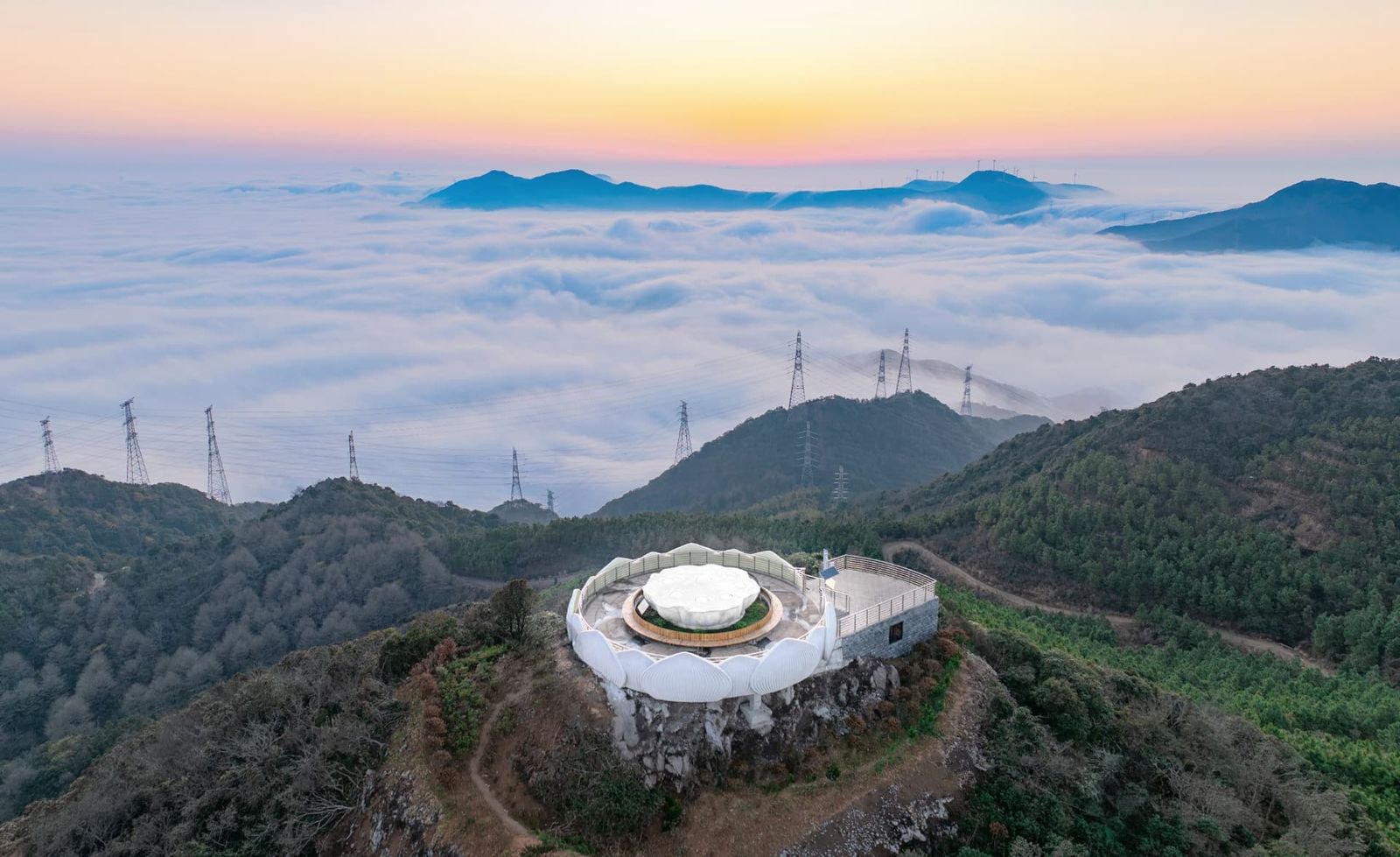
Waterfronts, coastal parks, and natural landscapes offer distinctive settings for environmental art because the surrounding environment can become part of the artwork's visual experience. Reflections, tides, changing light, wind, and vegetation may influence how visitors perceive the installation. Some projects use forms inspired by water movement, local geology, or regional ecosystems.
These locations may also create demanding technical conditions. Salt exposure, moisture, wind, erosion, and changing ground levels can affect material selection and foundation design. Project teams should assess environmental risks carefully and coordinate with relevant authorities where the installation may affect waterways, protected habitats, or public access.
12. Conclusion: Creating Environmental Art That Connects with Its Surroundings
Successful environmental art combines a clear artistic concept with an understanding of the natural or built environment. Its design should respond to the site's character, use materials appropriate for the exposure conditions, and account for structural performance, fabrication, installation, public safety, and long-term maintenance. Sustainability should also be considered throughout the project lifecycle, from material sourcing and production to construction and eventual reuse or disposal.
For project owners, architects, and landscape designers, the most effective approach is to study the site carefully, define the intended environmental message, and involve artistic, technical, and fabrication specialists early in the process. If you are planning an environmental art installation for a park, public space, commercial landscape, or waterfront development, send us your concept drawings, reference images, preferred materials, dimensions, and site information. Our team can discuss suitable custom sculpture fabrication approaches and help evaluate the practical requirements for developing your project.
Frequently Asked Questions About Environmental Art
Q1. What is the main purpose of environmental art?
Environmental art explores the relationship between artistic expression and the natural or built environment. It may raise awareness of ecological issues, interpret a landscape, improve public spaces, or encourage people to interact with their surroundings. The specific purpose depends on the project's concept, location, and intended audience.
Q2. What materials are commonly used in environmental art?
Common materials include stainless steel, bronze, stone, timber, concrete, fiberglass, recycled metals, and reclaimed materials. Some projects also use earth, sand, water, and vegetation as part of the artwork. Material selection should consider artistic objectives, environmental exposure, durability, sourcing, and maintenance.
Q3. How does environmental art differ from land art?
Land art is generally a category of environmental art that uses the landscape and natural materials as central elements of the artwork. Environmental art is a broader term that also includes outdoor sculptures, ecological installations, urban artworks, and interactive projects that explore the relationship between art and the environment.
Q4. How can environmental art be designed to be sustainable?
Sustainable environmental art considers material sourcing, production processes, transportation, construction disturbance, maintenance, and end-of-life management. Designers may use recycled or locally sourced materials, reduce fabrication waste, protect existing vegetation, and develop artworks that can be repaired, reused, or responsibly dismantled.
Q5. What should I consider when commissioning an environmental art project?
Important considerations include the project's purpose, site conditions, environmental impact, artistic concept, material selection, structural requirements, fabrication methods, installation access, public safety, and maintenance. Buyers should also establish clear approval procedures and select manufacturers or project partners with experience relevant to the proposed materials and construction methods.
.png?imageMogr2/format/webp)