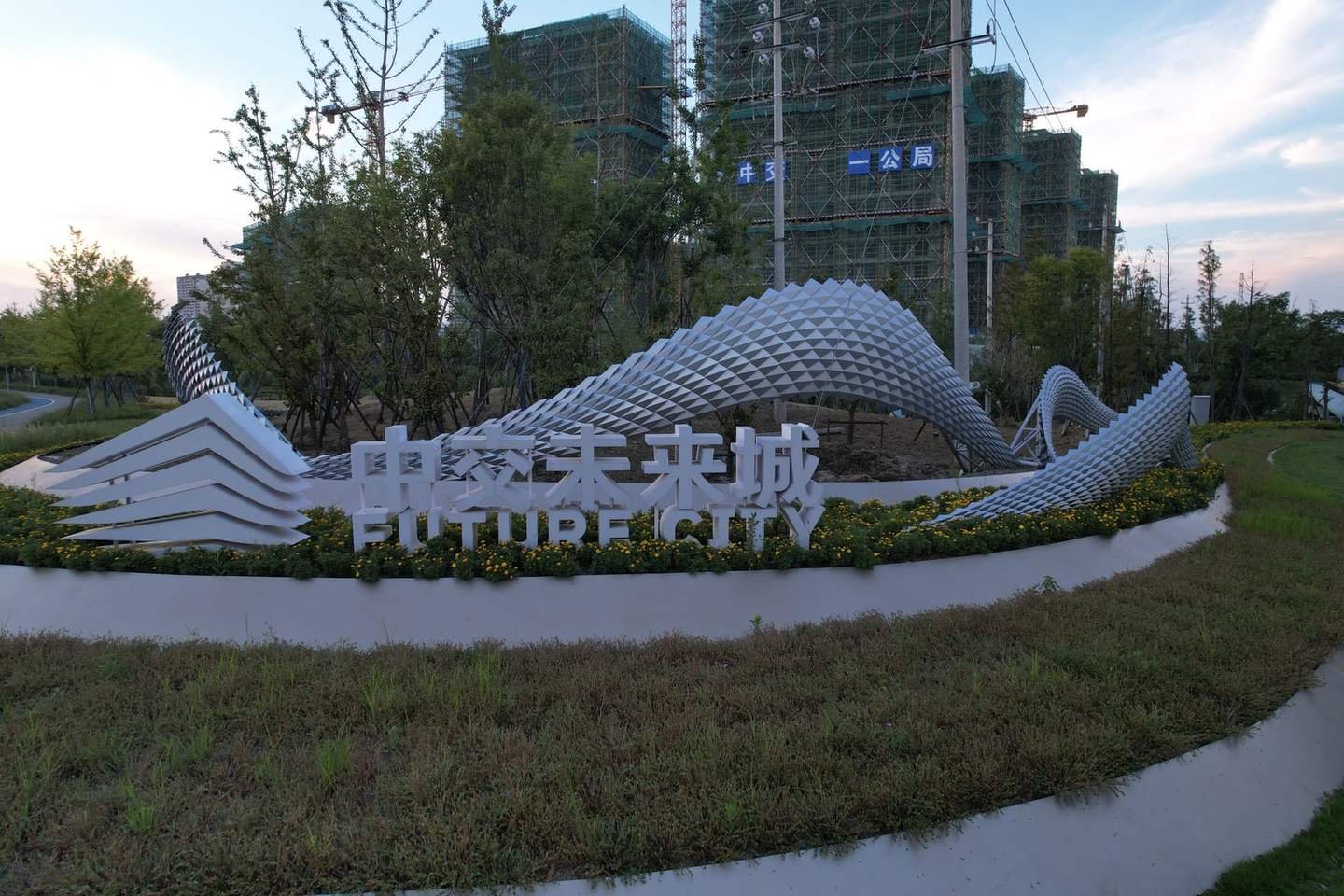
Large Sculpture: A Complete Guide to Design, Engineering, Fabrication, and Installation
A large sculpture can transform an ordinary outdoor or indoor environment into a recognizable visual destination. In public plazas, parks, commercial developments, hotels, waterfronts, and architectural spaces, oversized artwork often serves as a landmark that attracts attention and gives a location a distinct identity. However, producing a large sculpture involves considerably more than enlarging a conventional artwork. Its dimensions, weight, structural stability, material performance, transportation requirements, and installation conditions all need to be considered from the beginning.
For developers, architects, landscape designers, and public art project owners, the main challenge is balancing artistic ambition with engineering and construction realities. A sculpture may look impressive in a rendering, but its actual feasibility depends on whether the design can be fabricated, transported, lifted, installed, and maintained safely. Decisions made during the early planning stage can have a significant impact on the project budget and delivery schedule.
This guide explains how to plan a large sculpture project, from concept development and structural engineering to material selection, fabrication, transportation, and installation. It also covers cost considerations and how to evaluate a sculpture manufacturer for an oversized artwork.
1. What Is a Large Sculpture?
A large sculpture is an artwork with dimensions or weight that make it a prominent physical feature within its surrounding environment. It may be installed indoors or outdoors and can take the form of an abstract composition, figurative artwork, geometric structure, architectural feature, or monumental public installation. There is no single universal size threshold that defines a large sculpture. Its scale should be evaluated in relation to the site, viewing distance, surrounding buildings, and intended visual impact.
Unlike smaller decorative pieces, large sculptures often require specialized engineering, production equipment, lifting arrangements, and transportation planning. Their construction may involve internal steel frameworks, multiple fabricated sections, reinforced foundations, and on-site assembly. The design process must therefore coordinate artistic requirements with structural and logistical considerations.
1.1 Common Applications of Large Sculpture
Public spaces are among the most common locations for large sculptures. Municipal plazas, parks, pedestrian areas, waterfront developments, and cultural districts may use monumental artwork to establish a visual landmark or communicate local identity. These sculptures are often designed to be viewed from multiple directions and from different distances, making overall proportions and silhouette particularly important.
Commercial developments also use large sculptures to strengthen the identity of a property. Hotels, shopping centers, office complexes, resorts, and residential communities may install oversized artwork at entrances, central courtyards, gardens, or public gathering areas. In these environments, the sculpture needs to complement the architecture and landscape rather than compete with them unnecessarily.
Large sculptures can also be installed inside exhibition halls, atriums, museums, and other interior spaces. Indoor installations may face fewer weather-related challenges, but access, floor loading, ceiling height, fire safety, and installation equipment still need to be evaluated.
1.2 Large Sculpture vs. Monumental Sculpture
The terms large sculpture and monumental sculpture are sometimes used interchangeably, but they can describe slightly different project intentions. A large sculpture generally refers to an artwork with substantial physical dimensions, while monumental sculpture often emphasizes public significance, symbolic meaning, or a landmark function.
A monumental sculpture may be commissioned to commemorate an event, represent a community, or become an important part of a city's identity. A large decorative sculpture in a hotel or commercial plaza may have a similar physical scale without carrying the same commemorative purpose.
For procurement and project planning, the distinction is less important than the actual technical requirements. Buyers should focus on dimensions, weight, structural design, materials, installation conditions, and the role of the artwork within the site.
2. Planning a Large Sculpture Project
Planning is especially important when a sculpture reaches a scale that affects site construction, transportation, or public safety. The project team should establish the artistic purpose, available space, approximate dimensions, budget, schedule, and installation constraints before the design is finalized. This information allows designers and manufacturers to assess feasibility and identify issues before they affect production.
2.1 Define the Purpose and Visual Impact
Begin by identifying what the sculpture needs to achieve. A landmark in a public plaza may need a distinctive silhouette that can be recognized from a distance. An artwork for a resort landscape may focus on visual harmony with the natural environment, while a sculpture for a corporate headquarters may communicate a brand concept or organizational identity.
The intended viewing experience should also be established. Will visitors approach the sculpture closely, view it from surrounding buildings, or see it primarily from a road or pedestrian route? Will people be able to walk around it or interact with it? These questions influence the sculpture's proportions, orientation, surface details, and relationship with nearby circulation areas.
Reference images, concept sketches, and written design briefs help communicate the intended direction. The project team should identify the most important visual characteristics so that later engineering and fabrication adjustments do not unnecessarily change the artwork's identity.
2.2 Evaluate the Site and Available Space
Site conditions influence the sculpture's dimensions, orientation, foundation, and installation method. The project team should review the available footprint, ground conditions, surrounding buildings, pedestrian circulation, landscaping, and viewing distances. A sculpture that appears appropriately scaled in a design presentation may look too dominant or too small when placed in its actual environment.
For outdoor locations, the assessment should also cover wind exposure, rainfall, humidity, temperature changes, coastal conditions, and potential sources of corrosion. Nearby trees, water features, lighting equipment, and underground utilities may create additional design or installation constraints.
Access conditions are equally important. Narrow roads, overhead restrictions, limited crane positions, underground parking structures, and restricted construction areas can affect how large components are delivered and lifted into place. These conditions should be documented before the fabrication strategy is confirmed.
2.3 Establish Budget, Schedule, and Project Responsibilities
The budget for a large sculpture should account for more than the artwork's manufacturing cost. It may include concept development, three-dimensional modeling, structural engineering, material procurement, fabrication, surface finishing, packaging, transportation, foundation construction, lifting equipment, and installation labor.
The project schedule should include design review, drawing approval, engineering coordination, material preparation, production, inspection, delivery, and installation. Large sculptures may require longer lead times because of their size, custom fabrication processes, and the coordination needed between different contractors.
Responsibilities should be defined clearly. The client, designer, manufacturer, structural engineer, general contractor, and installation team may each control different parts of the project. Establishing who approves drawings, prepares the foundation, arranges lifting equipment, and accepts the finished sculpture helps reduce misunderstandings.
3. Large Sculpture Design and Scale Development
Designing a large sculpture requires careful attention to proportion, viewing distance, environmental context, and manufacturing feasibility. Increasing the size of an existing design does not always produce a successful result. Small details may become visually insignificant at a distance, while structural elements that were unnecessary in a small model may become essential at full scale.
3.1 Develop Proportions for the Actual Environment
The sculpture should be designed in relation to the surrounding architecture and landscape. Its height, width, depth, and visual mass need to be evaluated against nearby buildings, trees, roads, and open spaces. For example, a tall vertical sculpture may create a strong landmark effect in a broad plaza, while a low horizontal composition may work better in a landscaped garden or waterfront setting.
Viewing distance also influences the level of detail required. Features that are visible in a close-up model may disappear when the artwork is viewed from across a large public space. Designers should therefore consider the sculpture's overall silhouette, major surface divisions, color, and contrast as well as its smaller details.
For artworks intended to be viewed from multiple directions, the three-dimensional form should be developed comprehensively. A design that looks attractive from the front may appear unbalanced from the side or rear if those views have not been considered.
3.2 Use 3D Models and Site Visualizations
Three-dimensional modeling helps designers and project owners evaluate the sculpture's geometry and proportions before fabrication. Digital models can show the artwork from different angles, clarify its overall volume, and provide a basis for technical discussions with engineers and manufacturers.
Site visualizations are useful for evaluating how the sculpture will look in its intended environment. By placing the model into architectural drawings, landscape plans, or site photographs, the project team can assess its relationship with nearby structures, pedestrian routes, planting, and lighting.
For large projects, the digital model may also support engineering development and component planning. However, the visual model should be converted into suitable production drawings and engineering documents before fabrication begins. A rendering alone does not define material thickness, connection details, reinforcement, or foundation requirements.
3.3 Design for Fabrication and Installation
A large sculpture should be designed with its manufacturing and installation processes in mind. The fabrication team needs to understand how the artwork can be divided into components, how those components will be formed and joined, and how the completed sections can be handled inside the workshop.
Component divisions should consider transportation dimensions, lifting capacity, assembly access, and the visibility of joints. If the sculpture uses reflective metal surfaces, joints may require particularly careful placement and finishing to maintain visual continuity. If it uses composite materials, internal support structures and connection details may require additional planning.
Designing for installation at an early stage can also prevent problems with access and equipment. The team should confirm whether the sculpture can be lifted into position as one unit or whether it needs to be assembled on site.
4. Choosing Materials for Large Sculpture
Material selection affects the sculpture's weight, structural behavior, surface appearance, fabrication process, transportation cost, and long-term maintenance. Large artworks place additional demands on material performance because their dimensions and exposed surfaces can increase the effects of wind, temperature changes, and handling forces.
4.1 Stainless Steel
Stainless steel is widely used for large contemporary sculptures because it can be fabricated into curved panels, geometric structures, and reflective forms. Mirror-polished stainless steel is particularly popular for landmark artwork because it reflects surrounding buildings, landscapes, and changing light conditions.
Fabrication may involve cutting, bending, rolling, welding, grinding, and polishing. Large sculptures are often produced from multiple sections that are assembled into a complete structure. Internal reinforcement may be required depending on the dimensions, geometry, and structural design.
The appropriate stainless steel grade should be selected according to environmental exposure. Coastal locations and areas exposed to chlorides may require more corrosion-resistant specifications than protected indoor environments. Surface finish, fabrication cleanliness, drainage, and maintenance should also be considered.
4.2 Bronze
Bronze is often used for figurative, commemorative, and cultural sculptures. It can reproduce detailed forms through casting and offers a distinctive appearance that can be further developed through patination and other finishing techniques.
For large bronze sculptures, the artwork may need to be cast in multiple sections and assembled after the individual components have been processed. The production plan should account for component weight, casting requirements, joining methods, and surface consistency.
Bronze sculptures installed outdoors may develop changes in surface appearance over time. The desired patina and maintenance approach should be discussed before production, particularly when the project requires a relatively consistent finish.
4.3 Fiberglass and Reinforced Composites
Fiberglass is useful for large sculptures that require complex shapes and relatively low weight. It can be molded into organic forms, oversized decorative objects, and designs with intricate surface contours. Painted finishes also allow a wide range of colors and visual effects.
Large fiberglass sculptures generally require an internal support system to maintain their shape and transfer loads to the foundation. The design should consider resin selection, reinforcement arrangement, laminate thickness, connection details, and the effects of outdoor exposure.
Fiberglass may reduce the weight of the outer sculpture compared with some solid metal constructions, but the complete structure still needs to be evaluated. The support frame, base, lifting points, and foundation may contribute significantly to the final weight and installation requirements.
4.4 Weathering Steel, Aluminum, and Mixed Materials
Weathering steel can create an earthy, industrial appearance that works well in certain landscape and architectural environments. Its use requires attention to local climate, drainage, and runoff because weathering products may stain adjacent surfaces. Aluminum can reduce component weight and may be considered for certain large or suspended structures, although its mechanical properties and joining requirements must be addressed during engineering.
Some large sculptures combine stainless steel, bronze, fiberglass, glass, stone, lighting elements, or other materials. Mixed-material construction can create distinctive visual effects, but the connections between materials need to account for differences in weight, thermal expansion, corrosion behavior, and maintenance requirements.
5. Structural Engineering for Large Sculpture
Structural engineering is one of the most important aspects of a large sculpture project. As dimensions increase, the artwork may be exposed to greater wind forces, larger bending moments, and more demanding foundation requirements. The internal structure and support system must be designed to maintain stability throughout the expected service life.
5.1 Internal Frames and Reinforcement
Large sculptures often use internal steel frames, ribs, stiffeners, support plates, or other reinforcement components. These elements help maintain the intended geometry and transfer loads from the outer surface to the base or foundation. The exact arrangement depends on the sculpture's shape, material, dimensions, and support conditions.
For hollow metal sculptures, the internal framework may be integrated with the outer shell through welded or bolted connections. Fiberglass sculptures may use a separate metal support structure to carry the main loads. The design should also consider access for fabrication, inspection, drainage, and future maintenance.
Reinforcement should be based on engineering calculations rather than visual judgment alone. Adding more material does not automatically create a better structure. The design needs to provide an appropriate balance between strength, weight, fabrication complexity, and cost.
5.2 Wind Loads and Environmental Forces
Wind can be a major design consideration for tall sculptures and artworks with large projected surface areas. Curved, flat, hollow, or irregular forms may respond differently to wind forces. The sculpture's location, height, geometry, and surrounding environment influence the applicable design requirements.
Other environmental factors may include temperature variation, rainwater accumulation, vibration, and exposure to corrosive substances. For sculptures installed in public spaces, the design may also need to consider accidental contact, access restrictions, and other site-specific safety requirements.
Qualified structural professionals should determine the applicable loads and design criteria according to the relevant local codes and project conditions. The manufacturer should work from approved engineering information when preparing the fabrication drawings.
5.3 Foundation and Ground Conditions
The foundation transfers the sculpture's loads into the ground and helps prevent excessive movement or overturning. Depending on the project, it may use a reinforced concrete foundation, embedded steel plates, anchor bolts, or other engineered connection arrangements.
Foundation design depends on the sculpture's weight, height, structural behavior, soil conditions, and environmental loads. The project team should coordinate the foundation with the civil and structural engineering teams responsible for the site. Underground utilities, existing structures, drainage systems, and construction access may also affect the foundation location and design.
Foundation work should be completed and checked before the sculpture arrives. Anchor positions, embedded plates, and connection dimensions need to match the approved drawings to avoid unnecessary adjustments during installation.
5.4 Safety and Public Access
Large sculptures installed in public areas should be evaluated for risks associated with falling components, sharp edges, unstable surfaces, climbing, and unauthorized access. The design should avoid unnecessary hazards and include appropriate structural connections and surface details.
Where visitors can approach or interact with the sculpture, the project team should consider how people may use the surrounding space. Barriers, clear circulation routes, lighting, signage, or other site measures may be appropriate depending on the artwork and local requirements. Safety responsibilities should be coordinated between the designer, manufacturer, engineer, contractor, and site owner.
6. Large Sculpture Fabrication Process
Manufacturing a large sculpture often requires a combination of specialized equipment, skilled fabrication work, and careful production planning. The exact process depends on the selected material and artistic form, but the main objective is to reproduce the approved design while maintaining structural performance and surface quality.
6.1 Technical Drawings and Component Breakdown
Before production, the design needs to be translated into manufacturing information. This may include three-dimensional models, dimensioned drawings, sectional details, material specifications, reinforcement layouts, connection drawings, and assembly instructions.
The sculpture is then divided into components according to the production method and installation strategy. The breakdown should consider the size of available workshop equipment, transport restrictions, lifting capacity, and the position of joints. Each component should have a clear identification system so that it can be tracked throughout production and assembly.
6.2 Cutting, Forming, and Component Production
Metal sculpture components may be produced through laser cutting, waterjet cutting, bending, rolling, forging, or other forming processes. The selected method depends on the material thickness, shape, dimensional requirements, and available equipment.
Fiberglass components may require master models, molds, resin application, reinforcement, and curing. Bronze components generally involve pattern preparation, mold making, casting, and subsequent processing. For mixed-material sculptures, different production methods may be carried out in separate workshop areas before final assembly.
Dimensional checks should take place during component production. This helps ensure that parts fit together correctly and reduces the risk of discovering major discrepancies during final assembly.
6.3 Welding, Assembly, and Surface Treatment
Metal components may be joined through welding or mechanical connections. The fabrication team needs to control alignment and distortion, particularly when assembling large curved surfaces or thin metal panels. Structural connections should follow the approved engineering details, while visible joints may require additional grinding and finishing.
Surface treatment depends on the selected material and desired appearance. Stainless steel may require brushing or mirror polishing, bronze may receive patination, and fiberglass may be filled, sanded, primed, and painted. Large sculptures often require careful coordination between assembly and finishing so that the completed surface remains visually consistent.
6.4 Trial Assembly and Quality Inspection
When a sculpture is divided into several sections, trial assembly in the workshop can confirm whether the components fit together correctly. It allows the team to inspect alignment, connection details, overall proportions, and visible transitions before transportation.
Quality inspection may include material verification, dimensional measurement, weld inspection, surface evaluation, connection checks, and documentation review. The project team should agree on the inspection criteria before production so that the manufacturer and client have a consistent basis for acceptance.
7. Transportation and Installation of Large Sculpture
Transportation and installation can be major cost and schedule considerations for oversized artwork. A sculpture that can be fabricated successfully in a workshop may still be difficult to deliver if its components exceed road transport limits or cannot pass through the site entrance. The installation strategy should therefore be developed alongside the design and fabrication plan.
7.1 Plan Transport Dimensions and Packaging
Transport planning should account for the dimensions, weight, shape, and surface finish of each component. The project team should confirm the available road access, loading arrangements, shipping method, and any restrictions on oversized cargo. International projects may also require special export documentation and coordination with freight providers.
Protective packaging should prevent scratches, impact damage, deformation, and moisture-related problems during transportation. Reflective metal surfaces and painted fiberglass components may require additional protection. Large or irregular sections may need custom supports, lifting frames, or reinforced crates.
7.2 Determine Lifting Equipment and Installation Sequence
The installation method depends on the sculpture's weight, component dimensions, site access, and foundation arrangement. Cranes, lifting frames, rigging equipment, temporary supports, and specialist installation personnel may be required. The project team should confirm lifting points and the expected center of gravity before delivery.
If the sculpture is assembled on site, the installation sequence should be documented in advance. The plan should explain how sections will be positioned, aligned, connected, and inspected. It should also identify the equipment and personnel needed for each stage.
7.3 Coordinate with the Construction and Landscape Teams
Large sculpture installation often takes place within a wider construction or landscape project. The sculpture may need to be coordinated with paving, planting, lighting, water features, drainage, electrical systems, and pedestrian access. If these activities are not properly sequenced, the installation team may face restricted access or damage to completed site works.
Before delivery, confirm that the foundation is ready, access routes are clear, lifting equipment can reach the installation area, and the surrounding work has progressed to the appropriate stage. The general contractor and site manager should be involved in the installation schedule.
7.4 Final Alignment and Handover
After positioning, the sculpture should be checked against the approved orientation, elevation, and alignment requirements. Connections and anchor arrangements should be inspected according to the engineering and installation documents. Any protective materials should be removed carefully to avoid damaging the finished surface.
The handover process may include final photographs, inspection records, material information, maintenance instructions, and relevant installation documentation. For public artworks, the site owner should also understand the recommended inspection and cleaning schedule.
8. How Much Does a Large Sculpture Cost?
The cost of a large sculpture varies significantly according to its dimensions, design complexity, materials, structural requirements, fabrication methods, and installation conditions. A large artwork is not necessarily expensive only because it uses more material. Complex geometry, difficult surface finishes, engineering requirements, and restricted site access can also increase the total project cost.
8.1 Main Cost Factors
Material consumption is one of the main cost factors. Stainless steel, bronze, fiberglass, weathering steel, and other materials have different raw material prices and processing requirements. The sculpture's overall size, material thickness, internal reinforcement, and component count also influence material and labor costs.
Design complexity can increase the amount of skilled work required. Curved surfaces, irregular geometries, detailed textures, multiple material combinations, and high-quality reflective finishes may require additional production time. Large sculptures may also need structural calculations, foundation coordination, trial assembly, and specialized lifting arrangements.
Transportation and installation can represent a significant part of the total budget. Oversized components may require special transport, custom packaging, cranes, rigging equipment, and additional site labor. These costs should be evaluated early rather than added after fabrication is complete.
8.2 Prepare a Complete Project Brief for Quotation
To obtain a useful quotation, buyers should provide the manufacturer with concept images, drawings, approximate dimensions, preferred materials, surface finish requirements, and the intended installation location. Site photographs, architectural plans, foundation information, and delivery deadlines can further improve the accuracy of the estimate.
The quotation should clearly identify what is included. Buyers should check whether the price covers design development, engineering coordination, fabrication, finishing, packaging, transportation, foundation work, and installation. If different suppliers are responsible for different stages, their scopes should be coordinated to avoid gaps or duplicated costs.
8.3 Allow for Contingencies and Site Changes
Large projects can encounter changes during design development, construction, or installation. Site conditions may differ from the original drawings, access arrangements may change, or the client may request adjustments to the artwork. A project budget should allow for reasonable contingencies and define how changes will be evaluated and approved.
It is also important to establish a formal process for changes after design approval. Adjustments to dimensions, materials, structural details, or finishing requirements may affect the fabrication schedule and quotation. Documenting these changes helps the project team maintain control over cost and delivery.
9. How to Choose a Large Sculpture Manufacturer
Choosing a manufacturer for a large sculpture requires careful evaluation of both artistic and technical capabilities. The supplier needs to understand the design intent, manufacture oversized components, manage structural details, maintain finish quality, and coordinate delivery. A supplier that has experience with small decorative pieces may not necessarily have the resources needed for a large public installation.
9.1 Review Comparable Large Sculpture Projects
Start by reviewing the manufacturer's portfolio for projects with similar dimensions, materials, structural complexity, and installation environments. Pay attention to whether the supplier has produced large outdoor artwork, reflective metal structures, multi-section sculptures, or other projects relevant to your requirements.
Ask about the manufacturer's actual responsibilities in those projects. It is useful to understand whether the company handled design development, fabrication, surface finishing, trial assembly, transportation, or installation coordination. This helps distinguish direct manufacturing experience from projects where the supplier had only a limited role.
9.2 Assess Workshop Capacity and Technical Resources
Large sculpture production requires suitable workshop space, material handling equipment, fabrication machinery, and skilled personnel. Buyers should consider whether the manufacturer can accommodate the artwork's largest components and carry out trial assembly before delivery.
For metal sculptures, relevant capabilities may include cutting, bending, rolling, welding, grinding, and polishing. For bronze or fiberglass projects, buyers should review the manufacturer's experience with casting, molding, reinforcement, and finishing. The production process should match the material and complexity of the proposed artwork.
9.3 Evaluate Engineering and Installation Coordination
A large sculpture manufacturer should be able to coordinate fabrication with the approved structural design. This includes understanding internal reinforcement, connection details, component segmentation, lifting points, and foundation interfaces. The manufacturer should also be willing to work with the client's engineer and installation contractor when technical coordination is required.
Before placing an order, clarify who is responsible for structural calculations, foundation design, transportation, lifting equipment, on-site assembly, and final inspection. These responsibilities should be documented so that important installation tasks are not overlooked.
9.4 Confirm Quality Control and Project Communication
Quality control should cover materials, dimensions, fabrication, surface finishing, component assembly, and final packaging. Buyers should ask what inspection records or production photographs can be provided and whether a workshop inspection or trial assembly can be arranged for the project.
Communication is equally important. The manufacturer should provide clear updates on design approvals, production progress, potential delays, and technical issues. A defined communication process helps keep the sculpture project aligned with the wider construction schedule.
9.5 Discuss Your Large Sculpture Project with Yifeng
Yifeng Sculpture works on customized sculpture projects for commercial, architectural, landscape, and public environments. When evaluating a large sculpture project, our team can review the proposed design, dimensions, material preferences, and installation requirements to understand the production considerations.
You can explore our sculpture project portfolio to review examples of completed work and visit our sculpture services page for further information. To discuss a project, prepare the available drawings, reference images, site information, and target schedule before contacting our team.
10. Conclusion
A large sculpture project requires close coordination between artistic design, material selection, structural engineering, fabrication, transportation, and installation. Its success depends on more than achieving the intended appearance. The artwork must also be manufacturable, structurally appropriate, transportable, and compatible with the site where it will be installed.
For developers, architects, landscape designers, and public art project owners, early planning is the most effective way to reduce technical risks and unexpected costs. Before requesting a quotation, prepare the concept drawings, dimensions, site conditions, material preferences, and installation requirements. If you are planning a large sculpture for a public space, commercial development, hotel, or landscape project, contact Yifeng Sculpture to discuss the design and production requirements with our team.
Frequently Asked Questions About Large Sculpture
Q1. What is considered a large sculpture?
A large sculpture is generally an artwork with dimensions or weight that make it a prominent feature within its surrounding environment. There is no universal size threshold because the perceived scale depends on the installation site, viewing distance, and surrounding structures. For project planning, buyers should provide the actual height, width, depth, estimated weight, and intended location so that the manufacturer can evaluate the production and installation requirements.
Q2. What materials are commonly used for a large sculpture?
Common materials for a large sculpture include stainless steel, bronze, fiberglass, weathering steel, aluminum, and combinations of different materials. Stainless steel is popular for contemporary reflective artwork, bronze is often used for detailed figurative and commemorative pieces, and fiberglass can be useful for oversized forms that require relatively low weight. The material should be selected according to the design, structural requirements, environmental exposure, and maintenance expectations.
Q3. How is a large sculpture transported and installed?
A large sculpture may be transported as one complete structure or divided into smaller sections. The choice depends on its dimensions, weight, road access, shipping restrictions, and installation conditions. Oversized projects may require special transport, custom packaging, cranes, lifting frames, and on-site assembly. Transportation and installation planning should be completed during the design stage.
Q4. Does a large sculpture require structural engineering?
Many large sculptures require structural engineering, particularly when they are installed outdoors, have significant height or projected surface area, or are located in public spaces. Engineering may cover internal reinforcement, wind loads, connection details, anchor systems, and foundations. The specific requirements depend on the sculpture's design and location, and qualified professionals should review the applicable calculations and local regulations.
Q5. What information is needed to request a large sculpture quotation?
To request a large sculpture quotation, provide concept drawings or reference images, approximate dimensions, preferred materials, surface finish requirements, installation location, and expected delivery date. Site photographs, architectural plans, foundation information, and access details are also useful. The manufacturer can use this information to assess fabrication methods, structural coordination, transportation, installation, and the expected project cost.
Related Pages:
.png?imageMogr2/format/webp)

