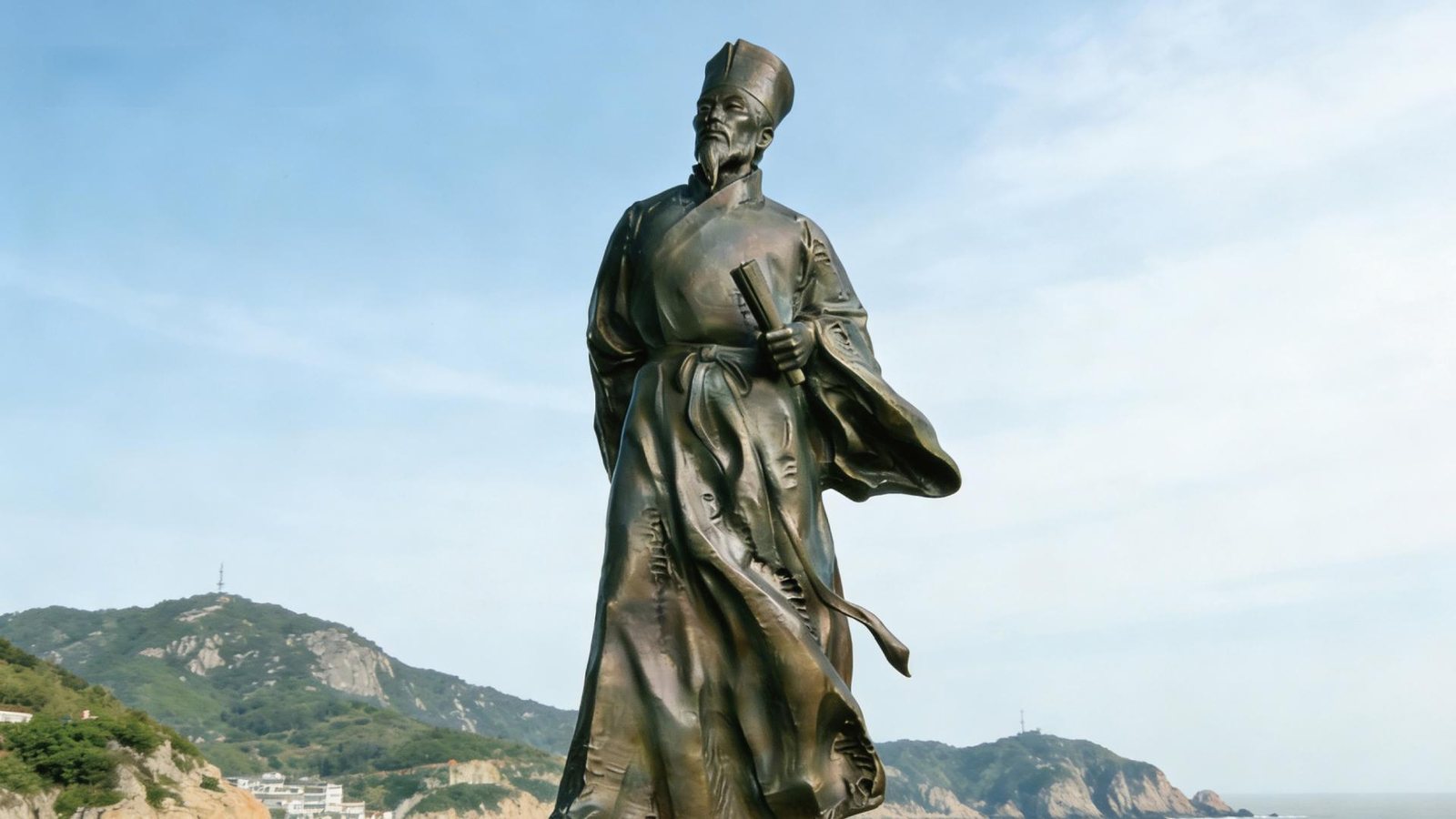
Memorial Sculpture: A Complete Guide to Design, Materials, Fabrication, and Installation
A memorial sculpture provides a lasting way to commemorate a person, historical event, community, or shared experience. Installed in parks, public squares, cemeteries, memorial gardens, institutional campuses, and other meaningful locations, these artworks give physical form to remembrance. Their design can range from realistic figurative statues and portrait sculptures to abstract forms, symbolic installations, and large architectural monuments.
Creating a successful memorial sculpture requires careful consideration of more than artistic appearance. The artwork should communicate the intended meaning, respond to its location, use materials suitable for long-term display, and meet structural and installation requirements. Project owners must also consider the expectations of families, communities, historians, architects, landscape designers, and public authorities who may have an interest in the final work.
This guide explains the main types of memorial sculptures, the design and planning process, material options, fabrication methods, installation requirements, and long-term maintenance considerations. It is intended for municipalities, cultural institutions, developers, organizations, and families planning a custom memorial artwork.
1. What Is a Memorial Sculpture?
A memorial sculpture is a three-dimensional artwork created to preserve the memory of a person, group, event, historical period, or meaningful collective experience. It can take the form of a figurative statue, bust, relief, abstract sculpture, symbolic structure, or large-scale public installation. The artwork may be placed in a dedicated memorial site or integrated into a broader public environment.
Unlike decorative sculpture, memorial artwork usually carries a specific commemorative purpose. Its subject, form, inscriptions, materials, and location contribute to the way people understand and experience the memorial. Some works communicate a particular historical narrative, while others use abstract forms to express themes such as remembrance, sacrifice, resilience, unity, or hope.
1.1 The Purpose of Memorial Sculpture
The primary purpose of memorial sculpture is to create a lasting physical reference for remembrance. It can help preserve the memory of individuals whose contributions have influenced a community, commemorate important historical events, or provide a place for reflection and public gathering. In some settings, the sculpture also serves an educational purpose by presenting names, dates, symbols, and historical information.
The intended purpose should guide the design from the beginning. A memorial dedicated to an individual may emphasize recognizable facial features and personal characteristics, while a memorial commemorating a collective event may use symbolic forms or multiple sculptural elements. A memorial in a public park may also need to support quiet reflection, accessible circulation, and group visits.
1.2 Memorial Sculpture and Public Space
Memorial sculptures are often integrated into public spaces where visitors can approach, view, and interact with the artwork. Their placement influences how people move through the site and how they experience the commemorative subject. A sculpture may be positioned at the center of a plaza, along a landscaped pathway, within a memorial garden, or beside an existing historic structure.
The surrounding environment should reinforce rather than compete with the memorial's purpose. Landscape design, seating, lighting, paving, planting, and nearby buildings all influence the visitor experience. The artwork should also be accessible to people with different mobility needs and should provide sufficient space for visitors to pause, gather, or participate in commemorative activities where appropriate.
2. Common Types of Memorial Sculpture
Memorial sculpture can be developed in many artistic styles and physical formats. The appropriate type depends on the subject being commemorated, the available site, the client's objectives, and the intended relationship with visitors. Understanding the main formats helps project owners establish a suitable direction before commissioning an artist or manufacturer.
2.1 Figurative Memorial Statues
Figurative memorial statues represent identifiable people or groups through sculpted human forms. They are commonly used to commemorate historical leaders, public figures, military personnel, cultural contributors, and individuals whose work has had a lasting impact. The sculpture may depict a standing figure, seated figure, full-length composition, or a group of people.
Realistic figurative work requires careful attention to anatomy, facial expression, clothing, posture, and symbolic details. The sculptor must balance historical accuracy with artistic interpretation while considering how the figure will appear from different viewing distances. For outdoor statues, the final composition also needs to accommodate material limitations, structural support, and long-term exposure.
2.2 Busts and Portrait Memorials
Bust sculptures focus primarily on the head, shoulders, and upper torso of an individual. They are frequently used in schools, universities, museums, cultural institutions, memorial halls, and dedicated commemorative spaces. Their smaller scale can make them suitable for locations where a full-length statue would be impractical.
Portrait accuracy is particularly important because facial features carry much of the subject's identity. Reference photographs, historical records, and approved portrait materials may be required during modeling. The client should review the facial proportions, expression, hairstyle, clothing, and overall presentation before the sculpture enters final production.
2.3 Abstract Memorial Sculpture
Abstract memorial sculptures communicate meaning through shapes, proportions, materials, textures, and spatial relationships rather than direct human representation. They may use forms such as circles, arches, columns, intertwined structures, open spaces, or rising elements to express themes of continuity, unity, remembrance, and hope.
Abstract designs can be suitable when a memorial represents a community, historical event, or collective experience rather than one specific person. Their meaning may also be open to personal interpretation, allowing visitors to engage with the artwork in different ways. The design should nevertheless have a clear conceptual foundation so that its form and location remain connected to the commemorative purpose.
2.4 War and Historical Memorial Sculptures
War and historical memorial sculptures commemorate military service, significant conflicts, public tragedies, and events that have shaped a community or nation. They may include figurative statues, symbolic objects, engraved names, relief panels, architectural structures, or combinations of several artistic elements.
Historical accuracy and respectful representation are especially important for these commissions. Project teams may need to consult historians, veterans' organizations, families, community representatives, and relevant institutions. The selection of symbols, inscriptions, uniforms, dates, and historical references should be reviewed carefully before the design is finalized.
2.5 Memorial Reliefs and Wall Sculptures
Memorial reliefs are sculptural works that project from a background surface or wall. They can depict historical scenes, portraits, symbolic imagery, or narrative sequences. Reliefs are often integrated into building facades, memorial walls, entrances, and indoor commemorative spaces.
Because these artworks are attached to an existing structure, the project team must consider wall capacity, fixing systems, material weight, drainage, and access for installation. The relief's viewing distance and lighting conditions should also influence the level of detail and depth used in the design.
3. Planning a Memorial Sculpture Project
Memorial projects often involve emotional, cultural, historical, and practical considerations. A clear planning process helps ensure that the artwork represents the intended subject accurately while meeting the requirements of its location and future ownership. Project owners should establish the commemorative purpose, stakeholders, budget, schedule, and approval process before committing to a final design.
3.1 Define the Subject and Commemorative Purpose
The first step is to establish what or whom the memorial will commemorate. The brief should explain the historical or personal significance of the subject, the intended audience, and the message the artwork should communicate. It should also identify whether the memorial is intended primarily for quiet reflection, public education, ceremonial gatherings, or recognition of an individual's achievements.
These objectives influence the artistic approach. A memorial honoring one person may require portrait references and biographical information, while a memorial representing a collective event may need a broader symbolic direction. The project owner should distinguish essential historical information from optional design preferences so that artists can develop concepts with a clear understanding of the commission.
3.2 Consult Families, Communities, and Stakeholders
Memorial sculptures may be commissioned by families, public institutions, local governments, educational organizations, or community groups. Different stakeholders can have different expectations regarding the subject's representation, symbolism, inscriptions, location, and scale. Consultation provides an opportunity to understand these expectations before major design decisions are made.
Depending on the project, consultation may include family discussions, public meetings, interviews, historical research, or review by a specialist committee. The process should identify who has authority to approve the concept and how conflicting opinions will be resolved. Clear decision-making arrangements help avoid repeated design changes during later stages.
3.3 Select an Appropriate Location
The location should have a meaningful relationship with the commemorated subject and provide a suitable environment for the artwork. A memorial may be placed near a historical site, within a cemetery, in a public park, on an institutional campus, or in a dedicated memorial plaza. The location should also be accessible to its intended audience and provide adequate space for viewing and reflection.
Site assessment should include dimensions, ground conditions, existing structures, pedestrian routes, drainage, lighting, and access for delivery equipment. Outdoor locations require additional consideration of wind, rainfall, temperature changes, humidity, and pollution. If the memorial is placed near existing infrastructure or historic buildings, the project team should confirm that foundation work and installation will not damage surrounding structures.
3.4 Establish the Budget and Project Schedule
The project budget should cover the complete delivery process rather than only the sculpture's design or manufacturing cost. Potential expenses include research, artistic development, modeling, engineering, materials, fabrication, surface finishing, inscriptions, foundations, transportation, installation, permits, and maintenance. The budget should also include an appropriate allowance for unexpected site or production conditions.
The schedule should account for stakeholder consultation, concept reviews, design approval, technical documentation, material procurement, fabrication, finishing, shipping, and installation. Portrait memorials and historically detailed sculptures may require additional time for reference research and approval. If the memorial is connected to an anniversary or public ceremony, the target date should be communicated early so that the production plan can be developed realistically.
4. Designing a Memorial Sculpture
The design process translates the commemorative purpose into a physical artwork. It should balance artistic expression, historical relevance, spatial integration, material suitability, and technical feasibility. A well-developed design communicates its intended meaning while remaining practical to manufacture and install.
4.1 Develop a Clear Artistic Concept
The artistic concept should explain how the sculpture represents the person, event, or community being commemorated. For a figurative statue, the concept may focus on the subject's posture, expression, clothing, and symbolic objects. For an abstract memorial, it may use geometry, movement, material contrast, or negative space to express broader ideas.
Concept proposals should show how the artwork relates to the intended location and viewing experience. Drawings, reference images, digital models, and written explanations can help stakeholders understand the design direction. The concept should be reviewed for historical accuracy, visual balance, suitability for the site, and alignment with the commemorative objectives.
4.2 Consider Scale and Viewing Distance
The scale of a memorial sculpture should reflect the size of the site and the way visitors will experience the artwork. A monument in a large public square may require substantial height and a strong silhouette to remain visible from a distance. A memorial bust in a small garden may benefit from a more intimate scale that encourages closer observation.
Design reviews should consider the sculpture from multiple viewpoints and at different distances. The project team should assess how the artwork appears from entrance routes, nearby paths, surrounding buildings, and accessible viewing areas. Physical models or full-scale samples can be useful when it is difficult to judge proportions from digital renderings alone.
4.3 Incorporate Names, Dates, and Inscriptions
Inscriptions often form an important part of memorial design. They may include names, dates, quotations, historical descriptions, dedications, or other information that helps visitors understand the purpose of the artwork. The content should be verified carefully because errors in names, dates, and wording can be difficult and expensive to correct after fabrication.
Legibility should be considered alongside visual design. Letter size, font style, material contrast, viewing distance, lighting, and surface texture all affect readability. The client should approve the final inscription text and layout before engraving, casting, or attaching the lettering. If several languages are required, the translations should be reviewed by qualified language professionals.
4.4 Balance Artistic Meaning with Practical Requirements
A memorial sculpture must be capable of being produced and supported safely. The design may need to accommodate internal reinforcement, base connections, drainage, sectional assembly, and lifting points. These elements should be coordinated with the artist and technical team without unnecessarily compromising the intended appearance.
For large or complex memorials, early discussions with structural engineers and sculpture manufacturers can identify practical limitations. The team can review material thicknesses, fabrication methods, joint locations, foundation requirements, and installation access while the design is still flexible. This reduces the likelihood of major revisions after concept approval.
5. Choosing Materials for Memorial Sculpture
Material selection influences the visual character, durability, weight, manufacturing method, and maintenance requirements of a memorial. Because many memorial sculptures are intended to remain in place for decades, material performance should be considered over the expected service life. The appropriate choice depends on the design, location, environmental exposure, budget, and available maintenance resources.
5.1 Bronze Memorial Sculpture
Bronze is a traditional material for figurative statues, portrait busts, commemorative reliefs, and detailed memorial artworks. Its casting properties allow sculptors to reproduce complex forms, facial features, clothing, and surface textures. Patination can create a variety of colors and visual effects, giving the finished sculpture a distinctive character.
Bronze fabrication typically involves modeling, mold preparation, casting, chasing, assembly, and surface finishing. Large works may be divided into sections that are joined after casting. The project team should approve the intended patina and review representative samples because surface appearance can vary with the production process and environmental exposure.
5.2 Stainless Steel Memorial Sculpture
Stainless steel is often selected for contemporary memorials that use abstract forms, geometric structures, or polished metal surfaces. It can be fabricated into complex shapes and large-scale assemblies, making it suitable for public plazas, memorial gardens, and architectural environments. Brushed, satin, and mirror-polished finishes provide different visual effects.
The appropriate stainless steel grade should be selected according to the installation environment. Coastal exposure, pollution, moisture, and contact with other materials may influence corrosion performance. Fabrication quality, welding, drainage, surface treatment, and maintenance access should also be considered when developing the technical specification.
5.3 Granite and Natural Stone
Granite and other natural stones are frequently used for memorial bases, engraved panels, monuments, and architectural structures. They offer a substantial appearance and can support inscriptions, relief carving, and polished or textured finishes. Stone may also be combined with bronze or metal sculptures to create a contrasting material composition.
Natural stone varies in color, texture, strength, and weathering characteristics. The selected stone should be reviewed for consistency and suitability for the intended location. Its weight and installation requirements may require engineered foundations and specialist lifting equipment, particularly for large memorial blocks or multi-section monuments.
5.4 Corten Steel
Corten steel can be used for contemporary memorials that require a weathered, earthy appearance. Its surface develops an oxide layer under suitable environmental conditions, creating a distinctive texture and color. It may be used for abstract forms, engraved panels, landscape-integrated structures, and large sculptural compositions.
Weathering steel requires appropriate conditions to develop and maintain its protective surface. Persistent moisture and poor drainage can affect performance, while runoff may stain adjacent paving or stone. These issues should be considered during site planning and detailing, especially when the memorial is installed near walkways or light-colored surfaces.
5.5 Fiberglass and Other Custom Materials
Fiberglass can be useful when the memorial design includes complex forms, relatively lightweight structures, or specific surface colors. It may be selected for certain indoor memorial installations, themed artworks, or designs where solid metal or stone would be impractical. Coatings can create different surface textures and visual effects.
Other materials, including aluminum, copper, concrete, and glass, may be suitable for particular artistic concepts. Mixed-material memorials require careful consideration of how different materials are connected and how they respond to temperature changes, moisture, and long-term exposure. The project team should evaluate both the artistic result and the practical requirements of ownership.
6. Memorial Sculpture Fabrication Process
Fabrication transforms the approved design into the finished memorial. The process varies according to material and artistic style, but it may involve modeling, casting, cutting, forming, welding, machining, carving, assembly, and surface treatment. A clear production plan helps the client understand how the artwork will be manufactured and how quality will be verified.
6.1 Modeling and Design Approval
For figurative memorials, the production process may begin with clay, wax, or digital modeling. These models allow the artist and client to review the subject's facial features, proportions, posture, clothing, and symbolic details before final production. Abstract works may use scale models, digital geometry, or physical samples to communicate the intended form.
Approval should cover the overall composition and the details that are important to the commemorative purpose. Once the model is approved, changes may become more expensive because they can affect molds, tooling, production drawings, and material procurement. The client should therefore establish a formal approval milestone before the manufacturer proceeds to the next stage.
6.2 Casting and Metal Fabrication
Bronze memorials are commonly produced through casting methods that allow detailed sculptural forms to be reproduced. The process may include mold preparation, wax work, casting, metal finishing, chasing, and assembly. Each stage requires careful control to maintain the intended details and surface quality.
Stainless steel and other metal memorials may be produced through cutting, forming, rolling, bending, welding, machining, and polishing. Large structures may be divided into transportable sections and assembled later. The manufacturing method should be selected according to the geometry, material thickness, required tolerances, and installation conditions.
6.3 Surface Treatment and Finishing
Surface finishing is an important part of the memorial's final appearance. Bronze may receive a specified patina, while stainless steel may be brushed or polished. Stone surfaces can be polished, honed, carved, or textured. Painted and coated materials require suitable preparation and protection according to their exposure conditions.
Clients should review finish samples before full production when color, texture, or surface consistency is important. The inspection criteria should be documented so that the manufacturer understands the expected result. Final checks should identify visible defects, inconsistent treatment, scratches, assembly marks, or damage caused during handling.
6.4 Quality Inspection and Documentation
Quality control should verify that the completed sculpture matches the approved design, dimensions, material specifications, and finish requirements. Depending on the project, inspection may include dimensional checks, weld review, casting quality, connection details, surface treatment, and trial assembly. Large memorials may require additional checks of component alignment and lifting arrangements.
Project documentation should be retained for future maintenance and repair. Useful records include approved drawings, material specifications, finish information, inspection reports, structural documents, installation instructions, and photographs. These records help the owner understand how the memorial was produced and how it should be maintained.
7. Structural Design and Installation Requirements
Memorial sculptures are often installed in outdoor public environments where they may be exposed to wind, rain, temperature changes, and regular visitor activity. Their support systems must be appropriate for the artwork's dimensions, weight, shape, and location. Structural design and installation planning should be completed before fabrication is finalized.
7.1 Foundation and Support Systems
Large memorial sculptures may require reinforced concrete foundations, steel support frames, base plates, anchor bolts, or embedded fixing systems. The structural design should consider the artwork's center of gravity, wind exposure, load transfer, and the capacity of the supporting ground. Wall-mounted reliefs and sculptures attached to existing buildings require an assessment of the supporting structure.
Foundation requirements should be coordinated with the architect, structural engineer, manufacturer, and installation contractor. The team should confirm dimensions, anchor locations, embedment details, and any underground utility restrictions. Engineering calculations and local approvals should be completed by appropriately qualified professionals.
7.2 Public Safety and Accessibility
A memorial site should provide safe and accessible routes for visitors. The sculpture should not obstruct pedestrian circulation, emergency access, or other essential site functions. Sharp edges, unstable components, low projections, and surfaces that may become slippery should be assessed according to the artwork's location and intended use.
If visitors are expected to touch or interact with the sculpture, the design should account for foreseeable physical contact. Seating, pathways, ramps, lighting, and surrounding landscape elements should also be considered as part of the complete memorial environment. Local accessibility and safety requirements should be reviewed during the planning stage.
7.3 Transportation and Lifting
Large memorial sculptures may require special packaging, transport vehicles, lifting equipment, and carefully planned delivery routes. The maximum dimensions and weight of each component should be confirmed before manufacturing is completed. If the artwork is divided into sections, the manufacturer should provide clear identification and assembly information for each part.
Lifting points and temporary supports should be incorporated into the production and installation plans. The team should confirm crane capacity, access conditions, ground stability, overhead clearance, and any road or site restrictions. These checks help reduce the risk of damage and avoid delays when the sculpture arrives.
7.4 Installation and Final Acceptance
Installation may involve foundation preparation, lifting, positioning, leveling, bolted connections, welding, grouting, and final surface treatment. The work should follow an agreed installation method and be carried out by qualified personnel using appropriate equipment and safety procedures. For memorials in active public areas, temporary barriers and visitor-management arrangements may be necessary.
Final acceptance should confirm the sculpture's location, alignment, appearance, structural connections, and compliance with approved documents. The client should also receive handover materials such as drawings, material information, inspection records, maintenance instructions, and warranties where applicable. Any outstanding issues should be recorded with clear responsibilities and completion dates.
8. Memorial Site Design and Visitor Experience
The setting of a memorial sculpture contributes to its meaning and influences how visitors interact with it. The surrounding landscape, pathways, seating, lighting, planting, and architectural elements should be planned as part of the overall commemorative environment. A well-designed site can support quiet reflection while remaining accessible and practical to maintain.
8.1 Landscape and Spatial Integration
Memorial sculptures can be integrated into gardens, plazas, courtyards, parks, and dedicated commemorative spaces. Landscape design may use planting, paving, water elements, walls, and changes in ground level to create a clear approach to the artwork. The sculpture should remain visually understandable within the setting rather than being obscured by surrounding elements.
Plant selection and maintenance should be considered over time. Trees and shrubs may change the amount of shade, visibility, and access available around the memorial as they grow. Irrigation systems and drainage should also be positioned so that water does not accumulate around foundations or cause unnecessary staining and surface deterioration.
8.2 Lighting and Nighttime Visibility
Lighting can help visitors understand the sculpture's form and details after dark. It may emphasize a figurative subject, highlight a relief, or create a controlled visual effect around an abstract monument. The lighting design should support the memorial's intended atmosphere without producing excessive glare or disturbing nearby properties.
Outdoor electrical components should be specified for the installation conditions and coordinated with the sculpture's structure. The project team should also plan access for maintenance and replacement. Lighting equipment that is difficult to reach can increase long-term maintenance costs and complicate future repairs.
8.3 Seating and Spaces for Reflection
Some memorial sites are designed for visitors to spend time reflecting, reading inscriptions, or attending commemorative gatherings. Seating, shaded areas, accessible pathways, and suitable viewing positions can make the site more welcoming. Their placement should preserve clear views of the sculpture and avoid interfering with ceremonial or maintenance activities.
The design should reflect the expected use of the site. A memorial in a busy civic square may need more generous circulation space and clearly defined gathering areas, while a small memorial garden may prioritize privacy and a quieter atmosphere. These decisions should be coordinated with the sculpture's scale and orientation.
9. Budgeting and Procurement for Memorial Sculpture
Memorial sculpture budgets should include all major stages from concept development to installation and future care. The cost of the artwork itself is only one part of the total project. Engineering, foundations, inscriptions, site preparation, transportation, lifting equipment, and landscaping may represent significant additional expenses.
9.1 Main Factors Affecting Cost
The main cost factors include sculpture dimensions, material selection, design complexity, modeling requirements, fabrication methods, surface finishing, structural support, and production quantity. A detailed bronze portrait may require extensive modeling and casting work, while a large stainless steel memorial may involve complex metal fabrication and internal reinforcement.
Site conditions can also affect the budget. Difficult access, foundation work, underground utilities, traffic management, specialist lifting equipment, and installation restrictions may increase project costs. Clients should identify these conditions during planning and request estimates that clearly distinguish artwork production from site construction and installation.
9.2 Comparing Sculpture Manufacturer Quotations
Manufacturer quotations should be based on consistent drawings and specifications. Clients should compare material grades, dimensions, thicknesses, fabrication methods, internal structures, surface finishes, assembly scope, packaging, and delivery responsibilities. Differences in technical assumptions can explain why quotations for apparently similar sculptures vary considerably.
It is also important to confirm production lead times, payment schedules, inspection arrangements, and the process for approving design changes. A quotation should identify what is included and what remains the client's responsibility, especially when engineering, foundations, transportation, or installation are handled by separate contractors.
9.3 Managing Approvals and Changes
Memorial projects may involve several rounds of review, especially when the design includes historical references, portrait details, names, or inscriptions. The client should establish approval milestones for the concept, model, technical drawings, material samples, and final production. Each approval should be documented so that the project team has a clear reference.
Changes after production begins can affect molds, materials, fabrication schedules, and delivery costs. If revisions are necessary, the manufacturer should explain their impact before proceeding. A formal change process helps maintain control while allowing the project to respond to legitimate technical or stakeholder requirements.
10. Long-Term Maintenance and Preservation
Memorial sculptures are often intended to remain in place for generations, making maintenance and preservation important parts of project planning. The owner should understand how the selected materials respond to environmental exposure and what inspections or treatments are needed to maintain the artwork's condition. A maintenance plan should be prepared before handover rather than after problems appear.
10.1 Cleaning and Material Care
Cleaning methods should reflect the sculpture's material and surface treatment. Bronze may require careful cleaning to avoid damaging its patina, while stainless steel may need periodic removal of pollution deposits and surface contaminants. Stone may require specialist cleaning depending on its porosity and finish. Painted and coated surfaces should be checked for damage and treated using suitable products.
The manufacturer or conservation specialist should provide clear care instructions. Abrasive materials, strong chemicals, and inappropriate pressure-cleaning methods can damage the artwork. Owners should also avoid applying protective treatments without confirming that they are suitable for the material and original finish.
10.2 Regular Structural and Surface Inspections
Periodic inspections should look for corrosion, cracks, loose connections, movement, water accumulation, surface deterioration, and damage caused by physical contact or vandalism. The inspection frequency should reflect the artwork's location, size, structural system, and exposure conditions. Memorials in coastal areas or high-traffic public spaces may require more frequent checks.
Inspection records should include photographs, observations, repair recommendations, and completed maintenance work. For large or structurally significant memorials, inspections may need to involve qualified engineers or conservation professionals. Retaining the original technical documents makes future assessments more accurate.
10.3 Protecting Historical and Artistic Integrity
Preservation involves more than repairing physical damage. Changes to inscriptions, finishes, replacement components, or surrounding landscape can affect the meaning and appearance of a memorial. Owners should consult relevant stakeholders before making significant alterations, especially when the artwork has historical or cultural importance.
Original drawings, photographs, material specifications, and approval records should be retained as part of the memorial's permanent documentation. These records help future caretakers understand the original design intent and make informed decisions about restoration or conservation.
11. Common Mistakes When Commissioning a Memorial Sculpture
Memorial projects can encounter difficulties when the commemorative purpose, stakeholder expectations, technical requirements, and long-term ownership arrangements are not clearly established. Addressing these issues early can reduce redesign work and help protect the quality and meaning of the finished artwork.
11.1 Incomplete Historical Research
When a memorial represents a real person or historical event, inaccurate details can undermine the credibility of the artwork. Incorrect names, dates, clothing, symbols, or inscriptions may be difficult to correct after casting or fabrication. The project team should identify reliable reference materials and assign responsibility for verifying historical information.
Where appropriate, historians, family representatives, cultural organizations, or other subject specialists should review the concept. Their input should be obtained early enough to influence the design rather than being requested only after the main production decisions have been made.
11.2 Insufficient Stakeholder Consultation
Memorial sculptures can carry strong personal and community significance. If the project team does not understand the expectations of relevant stakeholders, the final artwork may create disagreement about its subject, symbolism, wording, or location. This can lead to repeated revisions and delays.
A clear consultation process should explain who can provide feedback, who makes final decisions, and which elements are open to change. Documenting agreed decisions helps maintain consistency as the project progresses.
11.3 Choosing Materials Without Considering the Environment
A material that looks appropriate in a sample may not perform well in the actual installation environment. Moisture, pollution, salt exposure, temperature changes, drainage, and cleaning methods can all influence long-term performance. The project team should evaluate these factors before confirming the material specification.
Material selection should also consider maintenance capacity. A highly detailed surface or specialized finish may require more frequent professional care than the owner can provide. Choosing a suitable material and detailing system can reduce future maintenance difficulties.
11.4 Overlooking Foundation and Installation Requirements
Large memorial sculptures may require significant foundations, lifting equipment, and carefully planned access. If these requirements are not considered during design, the project may encounter unexpected construction work or installation delays. The final artwork may also need to be redesigned to accommodate transport or site limitations.
Foundation, structural, and logistics reviews should take place before production drawings are finalized. The team should confirm that the artwork can be transported to the site and installed safely using the available equipment and access routes.
12. Working with a Custom Memorial Sculpture Manufacturer
A specialist sculpture manufacturer helps turn an approved memorial design into a finished artwork that meets the required dimensions, material specifications, and surface quality. Depending on the project, the manufacturer may work with the artist, consultant, engineer, and client to coordinate modeling, casting, metal fabrication, assembly, finishing, packaging, and delivery.
12.1 What to Look for in a Manufacturer
Clients should review a manufacturer's experience with the materials and sculpture types required for the project. Relevant experience may include bronze casting, stainless steel fabrication, large metal structures, portrait sculpture production, relief panels, and custom surface treatments. Completed project examples can help demonstrate whether the manufacturer has handled similar dimensions and technical requirements.
Production resources and quality management are also important. Ask how the manufacturer reviews technical drawings, verifies material specifications, checks dimensions, manages surface finishing, and documents production progress. For complex memorials, confirm whether trial assembly and pre-delivery inspection can be arranged.
12.2 Information to Prepare Before Requesting a Quotation
Prepare the concept drawings, reference photographs, approximate dimensions, material preferences, inscription details, installation location, and target completion date. If the memorial represents an individual or historical subject, provide approved reference materials and clarify which portrait or historical details are essential.
Where technical information is not yet available, identify the open questions rather than making assumptions. The manufacturer can provide an initial assessment based on the available information and explain which additional documents are needed for a detailed quotation. This makes the discussion more efficient and helps establish realistic production expectations.
12.3 Yifeng's Approach to Custom Memorial Sculpture Production
Yifeng Sculpture works with clients and project stakeholders on custom sculpture production for public, architectural, and commemorative environments. Each memorial has its own artistic and technical requirements, so the production approach should be developed around the approved concept, selected materials, dimensions, surface treatment, and installation conditions.
Clients can explore our sculpture services and completed sculpture projects to review different approaches to custom artwork production. For a new memorial commission, share the design concept, reference materials, dimensions, preferred material, inscription requirements, and installation information with our team. We can review the manufacturing considerations and discuss suitable production options for the project.
Conclusion
A successful memorial sculpture brings together commemorative meaning, artistic design, material selection, fabrication quality, structural safety, and long-term preservation. Whether the project involves a figurative statue, portrait bust, abstract monument, or large public installation, every decision should support the purpose of the memorial and its relationship with the surrounding environment.
For families, institutions, municipalities, and project owners, early planning and clear communication are essential. Historical research, stakeholder consultation, site assessment, technical review, and realistic budgeting help create a stronger foundation for delivery. If you are planning a custom memorial sculpture, share your concept drawings, reference photographs, dimensions, material preferences, and intended installation location with Yifeng Sculpture. We can review the production requirements and discuss a suitable manufacturing approach for your commemorative project.
Frequently Asked Questions About Memorial Sculpture
Q1. What is the purpose of a memorial sculpture?
A memorial sculpture creates a lasting physical tribute to a person, group, historical event, or shared experience. It can preserve memory, communicate historical information, recognize contributions, and provide a place for reflection or public gathering. Its design and location should reflect the significance of the subject and the expectations of the intended audience.
Q2. What materials are commonly used for memorial sculpture?
Common materials include bronze, stainless steel, granite, other natural stones, corten steel, fiberglass, and concrete. Bronze is frequently used for figurative statues and detailed portraits, while stainless steel is suitable for contemporary and abstract forms. Granite and other stones are often used for monuments and engraved memorial panels. Material selection depends on design, environmental exposure, budget, and maintenance requirements.
Q3. How much does a custom memorial sculpture cost?
The cost of a custom memorial sculpture depends on its size, design complexity, material, modeling requirements, fabrication method, surface finish, structural support, and installation conditions. Additional expenses may include foundations, inscriptions, transportation, lifting equipment, and site preparation. A detailed estimate requires concept information, dimensions, material preferences, and a clear project scope.
Q4. How long does it take to make a memorial sculpture?
The production timeline depends on the sculpture's scale, material, design detail, manufacturing process, and approval requirements. Figurative memorials may need additional time for portrait development and stakeholder review. Large outdoor monuments may also require engineering, foundation construction, transportation planning, and specialist installation. The schedule should include all these stages rather than focusing only on workshop production.
Q5. How do I choose a manufacturer for a memorial sculpture?
Choose a manufacturer with relevant experience in the required materials, sculpture type, dimensions, and finishing processes. Review completed projects, production capabilities, technical documentation, quality inspection procedures, and delivery arrangements. Provide approved reference images, drawings, dimensions, material preferences, and installation details when requesting a quotation so the manufacturer can evaluate the project accurately.
.png?imageMogr2/format/webp)

