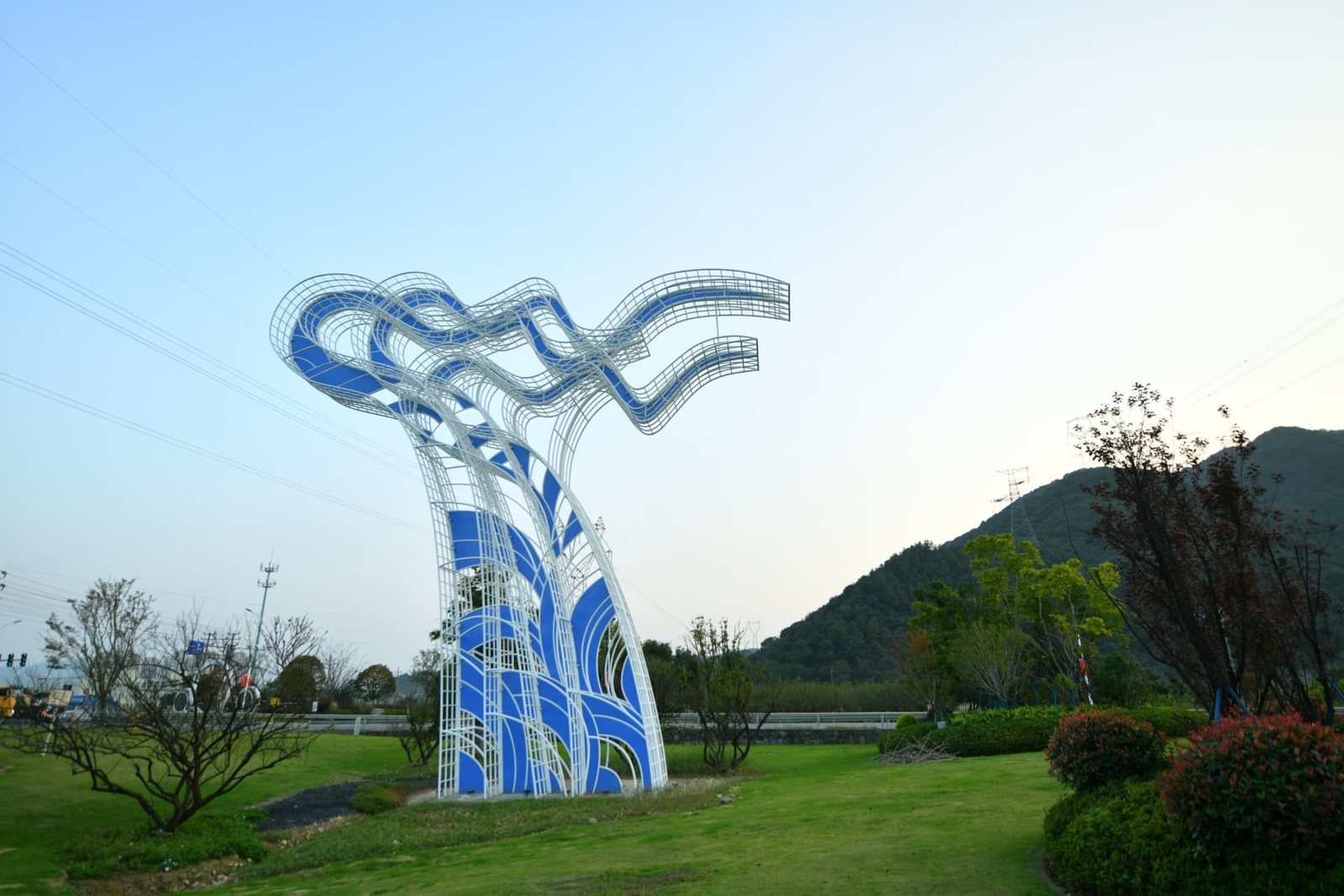
Outdoor Sculpture: A Complete Guide to Design, Materials, Durability, and Installation
Outdoor sculpture plays an important role in shaping the identity and visual experience of public spaces, commercial developments, parks, gardens, cultural venues, and architectural environments. Unlike indoor artwork, an outdoor sculpture must be designed to withstand changing weather conditions, environmental exposure, and long-term public use while maintaining its artistic character. Its success depends not only on the visual concept but also on material selection, structural stability, fabrication quality, and installation planning.
For property developers, architects, landscape designers, public art consultants, and project procurement teams, selecting an outdoor sculpture involves several decisions that should be considered together. The artwork needs to fit the site, communicate the intended message, meet safety requirements, and remain manageable in terms of maintenance and ownership costs. This guide explains how to plan an outdoor sculpture project, compare materials, evaluate fabrication requirements, and prepare for installation.
1. What Is an Outdoor Sculpture?
An outdoor sculpture is a three-dimensional artwork designed to be displayed in an exterior environment. It may be installed in a public plaza, park, garden, hotel entrance, commercial complex, waterfront development, campus, or private landscape. Outdoor sculptures can serve artistic, cultural, commemorative, decorative, or architectural purposes, depending on the project's objectives.
Unlike artwork intended for controlled indoor environments, outdoor sculpture is exposed to factors such as sunlight, rain, wind, humidity, temperature fluctuations, pollution, and physical contact. These conditions influence the choice of materials, structural design, surface treatment, and installation method. A successful project must therefore combine artistic planning with practical engineering and fabrication considerations.
1.1 Common Applications of Outdoor Sculpture
Outdoor sculptures are used in a wide range of environments. In public plazas and civic spaces, they can create recognizable landmarks and provide a visual focus for gathering areas. In parks and gardens, sculptures may complement planting, pathways, water features, and natural landscapes. Commercial developments often use custom artworks to strengthen their identity and create distinctive visitor experiences.
Hotels, resorts, shopping centers, office campuses, and residential developments may also commission outdoor sculptures for entrances, courtyards, landscaped areas, and pedestrian zones. In these settings, the artwork should relate to the architecture and surrounding design rather than appear as an unrelated decorative object.
1.2 Outdoor Sculpture and Indoor Sculpture: Key Differences
The main difference between outdoor and indoor sculpture is the environment in which the artwork must perform. Indoor sculptures are generally protected from direct rainfall, strong wind, and significant temperature changes. Outdoor sculptures need materials and construction methods appropriate for continuous environmental exposure.
Outdoor projects may also involve more demanding foundation work, transportation arrangements, lifting operations, and public safety considerations. Designers need to account for drainage, corrosion protection, structural loading, and access for maintenance. These requirements should be addressed during the design stage rather than treated as additional work after the sculpture has been manufactured.
2. Planning an Outdoor Sculpture Project
Good planning establishes the relationship between the artistic concept, installation site, project budget, and technical requirements. Before developing a detailed design, the project team should clarify what the sculpture is expected to achieve and how it will interact with the surrounding environment.
For commissioned projects, a clear brief also helps designers and manufacturers understand the client's priorities. It reduces the risk of developing an attractive concept that cannot be installed within the available space, budget, or construction schedule.
2.1 Define the Purpose and Visual Direction
Start by identifying the main purpose of the outdoor sculpture. Is it intended to become a landmark, express a cultural theme, commemorate an important person or event, reinforce a commercial brand, or improve the visual quality of a landscape? The answer will influence the sculpture's form, scale, material, and viewing experience.
For example, a sculpture in a civic plaza may need a strong silhouette that can be recognized from a distance. A garden sculpture may be more closely connected to plants, pathways, and natural forms. An artwork outside a corporate headquarters may reflect the company's identity through abstract shapes, material choices, or a distinctive composition.
The project brief should record the intended audience, key message, preferred artistic style, approximate dimensions, and expected viewing distance. Reference images and preliminary sketches can help communicate the desired direction.
2.2 Evaluate the Installation Site
Site analysis is essential because the surrounding environment affects both the appearance and technical requirements of the sculpture. The project team should review the available footprint, ground conditions, nearby buildings, pedestrian routes, vehicle access, existing utilities, landscape features, and important sightlines.
Environmental exposure should also be assessed. A sculpture installed near the coast may face salt-laden air and higher corrosion risks. An artwork in an open plaza may experience stronger wind exposure than one positioned in a sheltered courtyard. Locations with heavy rainfall may require more attention to drainage and water management.
Useful site information includes architectural drawings, landscape plans, photographs, ground-level measurements, and, where appropriate, structural or geotechnical information. Accurate site data helps prevent problems during foundation construction and installation.
2.3 Establish the Budget and Project Schedule
The budget should cover more than the sculpture itself. Depending on the project scope, costs may include concept development, 3D modeling, engineering, materials, fabrication, surface finishing, packaging, transportation, foundation construction, lifting equipment, and installation labor.
The project schedule should identify design approval, technical review, material procurement, fabrication, inspection, delivery, and installation milestones. If the sculpture is part of a larger construction project, its production and installation dates need to coordinate with landscaping, paving, lighting, and other site works.
3. Choosing Materials for Outdoor Sculpture
Material selection is one of the most important decisions in outdoor sculpture design. Different materials offer different combinations of appearance, strength, weight, weather resistance, fabrication flexibility, and maintenance requirements. The best choice depends on the artistic concept, installation environment, expected service life, and available production methods.
Project teams should compare materials based on their actual exposure conditions rather than relying on general descriptions such as weather-resistant or durable. Material grade, thickness, protective treatment, connection design, and workmanship all contribute to long-term performance.
3.1 Stainless Steel
Stainless steel is widely used for contemporary outdoor sculpture because it combines strength with a clean and versatile appearance. Its surface can be polished to create reflective effects or finished with brushed, satin, or textured treatments for a more subdued look. It is suitable for abstract sculptures, geometric forms, large-scale installations, and architectural features.
Different stainless steel grades offer different levels of corrosion resistance. The appropriate grade should be selected according to the installation environment. Coastal locations, industrial areas, and sites exposed to deicing salts may require more careful material specification than sheltered inland environments.
Fabrication may involve laser cutting, rolling, bending, welding, grinding, and polishing. For complex curved surfaces, the design should consider sheet thickness, forming limitations, weld locations, and the need for consistent surface quality across different components.
3.2 Bronze
Bronze is a traditional material for outdoor sculpture, particularly for figurative artwork, memorials, historical subjects, and decorative installations. It can reproduce detailed forms and accommodate different patinas, allowing designers to create warm brown, dark, greenish, or other aged surface effects.
Bronze sculptures are commonly produced through casting processes. The workflow may include sculpting, mold making, wax preparation, casting, finishing, assembly, and patination. For large works, the sculpture may be divided into multiple sections that are joined during fabrication or installation.
Although bronze is suitable for many outdoor applications, its surface appearance can change over time. The project specification should clarify whether natural patina development is acceptable or whether a particular finish needs to be maintained.
3.3 Fiberglass and Resin
Fiberglass and resin-based materials provide flexibility for producing complex shapes and relatively lightweight sculpture components. They are often considered for oversized decorative forms, themed installations, organic shapes, and artworks requiring a broad range of colors or surface effects.
Outdoor performance depends on the resin system, reinforcement, surface coating, fabrication quality, and exposure conditions. UV exposure, moisture, temperature changes, and physical impact should be considered when specifying the material. Large fiberglass sculptures may also require internal support structures to maintain stability.
Where the artwork will be installed in a publicly accessible location, the project team should review applicable fire performance, impact resistance, and safety requirements rather than assuming that all fiberglass systems have the same properties.
3.4 Stone and Concrete
Stone and concrete are suitable for outdoor sculpture projects that require a substantial, architectural, or landscape-oriented appearance. Natural stone offers distinctive color and texture variations, while cast concrete can be formed into a wider range of shapes and surface finishes.
Both materials can be heavy, so transportation, lifting, foundation capacity, and installation access need to be evaluated early. Large sculptures may need to be manufactured in sections to make delivery and assembly more practical. Designers should also consider water absorption, freeze-thaw exposure where relevant, surface treatment, and long-term cleaning requirements.
3.5 Weathering Steel
Weathering steel is often used in landscape and architectural sculpture where a natural oxidized surface is part of the intended visual expression. Its reddish-brown appearance can complement stone, concrete, planting, and other natural materials.
However, weathering steel should not be treated as suitable for every outdoor environment. Its performance depends on exposure conditions that allow the surface to develop and maintain a protective patina. Locations with persistent moisture, salt exposure, or unsuitable drainage may create problems. Rust runoff can also stain paving and adjacent materials, so the design should consider the surrounding surfaces and water paths.
3.6 Combining Different Materials
Some outdoor sculptures combine stainless steel, bronze, stone, concrete, glass, wood, or synthetic materials to create contrast in texture, color, transparency, and form. Mixed-material designs can provide greater artistic flexibility, but they also introduce technical challenges.
Different materials may expand and contract at different rates, respond differently to moisture, or require different cleaning methods. The connections between materials should accommodate these differences. Designers should also consider whether individual components can be inspected, repaired, or replaced without dismantling the entire sculpture.
4. Designing Outdoor Sculptures for Weather Resistance
Weather resistance should be integrated into the design rather than treated as a finishing step. Rain, sunlight, wind, humidity, pollution, and temperature changes can affect the sculpture's surface and structure in different ways. The specific risks depend on the location, material, geometry, and construction method.
Designers and manufacturers should review the environmental conditions before finalizing the material specification. This makes it easier to select appropriate protective systems and avoid details that trap water, collect debris, or create difficult maintenance conditions.
4.1 Corrosion Protection
Metal sculptures may require suitable material grades, protective coatings, or other corrosion-control measures depending on the environment. Stainless steel still needs appropriate grade selection, fabrication practices, and cleaning. Bronze may develop a natural patina, while carbon steel and weathering steel require different protection strategies.
Welds, joints, cut edges, and areas where water can collect deserve particular attention. The project specification should identify the intended finish and any surface protection required after fabrication. Where different metals are connected, the design should also consider galvanic corrosion risks and suitable isolation details.
4.2 UV and Temperature Resistance
Outdoor sculptures made from painted metals, fiberglass, resin, or other coated materials may experience color changes, coating degradation, or surface deterioration under prolonged sunlight. The selected coating system should be suitable for the expected UV exposure and environmental conditions.
Temperature changes can also cause materials to expand and contract. Large sculptures with multiple components may need connection details that accommodate movement without creating excessive stress. Material compatibility and joint design become particularly important when different materials are combined.
4.3 Drainage and Moisture Management
Water accumulation can cause corrosion, staining, material deterioration, or damage to internal components. Hollow sculptures should be designed with appropriate drainage and, where necessary, ventilation. The design should avoid unnecessary cavities and horizontal surfaces where water or debris can collect.
Drainage openings need to be positioned so they do not undermine the intended appearance or create hazards for visitors. The manufacturer should coordinate drainage details with the sculpture's internal structure and fabrication method.
4.4 Surface Finish and Protective Coatings
Surface finishing influences both appearance and maintenance. Polished metal, brushed metal, painted finishes, patinas, textured surfaces, and protective coatings each have different cleaning and renewal requirements. A finish should be selected according to the desired visual effect and the expected conditions at the installation site.
Clients should review physical samples where possible. A finish viewed in a workshop may look different under direct sunlight or against the colors of nearby buildings and landscape materials. Sample approval helps establish a clear quality reference before full production.
5. Outdoor Sculpture Design: Scale, Form, and Site Integration
The visual impact of an outdoor sculpture depends on its relationship with the surrounding environment. Scale, proportion, orientation, color, and viewing distance should be considered together. A sculpture may be visually impressive on its own but feel out of place if its dimensions or style do not respond to the architecture and landscape.
Design development should therefore include both the artwork itself and its position within the wider site. Drawings, 3D models, and visualizations can help stakeholders understand how the sculpture will appear from different viewpoints.
5.1 Select an Appropriate Scale
The appropriate scale depends on the size of the site, surrounding buildings, expected viewing distance, and role of the artwork. A landmark sculpture in a large public square may need considerable height or width to maintain visual presence. A sculpture in a landscaped courtyard may require a smaller and more intimate composition.
Human scale is equally important. If visitors are expected to approach or walk around the sculpture, the design should provide adequate circulation space and avoid obstructing accessible routes. The artwork should also be proportionate to nearby benches, pathways, planting, lighting, and other site elements.
5.2 Consider Viewing Angles
Outdoor sculptures are often viewed from several directions rather than from a single fixed position. A design that appears balanced from the front may have an unfinished appearance from the side or rear. This is especially important in open plazas, parks, and other spaces where visitors can walk around the artwork.
The design team should identify major approach routes and viewing points. Digital models can be used to review the sculpture from pedestrian level, nearby buildings, roads, and elevated viewpoints where relevant. This helps ensure that the composition remains effective throughout the site.
5.3 Coordinate with Landscape and Architecture
The sculpture should complement the surrounding architecture and landscape. Its shape, material, color, and surface finish may reinforce the visual language of the development or create a deliberate contrast. For example, a reflective metal sculpture may provide a contemporary focal point in a landscaped plaza, while a stone artwork may blend more naturally into a garden environment.
Landscape coordination should include planting growth, irrigation, drainage, lighting, paving, and maintenance access. Designers should consider how the site will look several years after installation, not only immediately after construction is complete.
6. Structural Engineering and Safety Requirements
Structural engineering is essential for outdoor sculptures, particularly when the artwork is large, heavy, elevated, suspended, or installed in a publicly accessible area. The structure must safely support its own weight and withstand relevant environmental loads throughout its intended service life.
Engineering requirements depend on the sculpture's geometry, material, location, foundation conditions, and local regulations. Structural design and verification should be completed by qualified professionals familiar with the project's requirements.
6.1 Structural Framework and Stability
Large sculptures may require an internal steel framework, reinforced base, support columns, or other structural components. These elements transfer loads from the visible artwork to the foundation or supporting building structure.
Wind exposure is particularly important for tall sculptures and artworks with large projected surface areas. The design team should consider the relevant site conditions and applicable engineering standards. The visible sculpture and its internal support system need to be evaluated as one integrated structure.
6.2 Foundation and Anchoring
The foundation connects the sculpture to the ground and plays a major role in overall stability. Depending on the artwork and site conditions, the foundation may involve a reinforced concrete base, embedded plates, anchor bolts, or other engineered fixing systems.
Foundation design should be coordinated with ground conditions, underground utilities, paving levels, drainage, and nearby construction. The sculpture manufacturer should provide the necessary interface information so that the civil or structural engineering team can coordinate the foundation before site work begins.
6.3 Public Safety and Accessibility
Outdoor sculptures in public spaces should be reviewed for potential hazards. Sharp edges, unstable components, exposed fasteners, pinch points, climbable structures, and protruding elements may create risks depending on the artwork's location and intended use.
The design should also consider pedestrian circulation and accessibility. Sculptures should not obstruct required routes, emergency access, or essential site facilities. If visitors are expected to touch, sit on, or interact with the artwork, those uses need to be addressed in the design and engineering requirements.
7. Outdoor Sculpture Fabrication Process
Once the design and technical requirements have been approved, the project can move into fabrication. The manufacturing process depends on the selected material, sculpture geometry, size, and surface finish. Complex outdoor sculptures may require several production methods and multiple stages of quality inspection.
Coordination between the designer and manufacturer is important throughout production. Approved drawings, material specifications, finish samples, and assembly details should provide a consistent reference for the fabrication team.
7.1 Design Development and Shop Drawings
The approved concept is translated into production information such as dimensions, component layouts, material thicknesses, connection details, and assembly instructions. For complex sculptures, the manufacturer may develop detailed 3D models and shop drawings to coordinate individual parts.
Shop drawings should clearly identify the relationship between visible surfaces and internal structures. They should also indicate component divisions, weld locations, fixing points, and any features needed for transportation or installation. Client and technical approval should be completed before manufacturing proceeds.
7.2 Material Preparation and Component Fabrication
Depending on the material, fabrication may involve cutting, forming, casting, molding, carving, welding, or machining. Metal sculptures may require sheet cutting, rolling, bending, and assembly. Bronze sculptures may involve mold preparation and casting, while fiberglass components may be produced using molds and reinforcement layers.
Large sculptures are often divided into manageable sections for production and delivery. Component sizes should be coordinated with workshop capacity, transportation restrictions, lifting arrangements, and the final assembly method.
7.3 Welding, Assembly, and Surface Treatment
After individual components are prepared, they are assembled according to the approved drawings. Welding, mechanical connections, grinding, filling, and surface preparation may be required depending on the material and construction method.
Surface treatment is particularly important for outdoor artwork because it affects appearance and environmental performance. Polishing, brushing, patination, painting, sealing, or protective coating should follow the approved finish specification. The manufacturer should use agreed samples as references for color, texture, and surface quality.
7.4 Quality Inspection and Pre-Shipment Review
Before delivery, the sculpture should be checked against the approved design and project specifications. Inspection may cover dimensions, component fit, surface finish, weld quality, structural details, coating condition, and assembly interfaces.
For large or modular sculptures, a trial assembly may be useful to confirm that components fit together correctly. Photographs, inspection records, and packing information can also help the client review the finished work before shipment.
8. Transportation and Installation of Outdoor Sculpture
Transportation and installation should be planned during design development because the sculpture's size, weight, geometry, and assembly method affect the delivery process. A sculpture that can be fabricated in a workshop may still be difficult to transport through narrow roads, restricted site entrances, or areas with limited lifting access.
Early coordination helps determine whether the artwork should be delivered as one piece or divided into modules. It also allows the project team to arrange suitable vehicles, lifting equipment, foundation preparation, and installation personnel.
8.1 Plan Packaging and Transportation
Packaging should protect the sculpture from impact, vibration, moisture, and surface damage during transportation. Reflective, polished, painted, or delicate surfaces may require special protective materials and handling procedures.
Oversized components may need special transport arrangements, route checks, or lifting plans. If the sculpture is divided into modules, each component should be labeled and documented to support efficient assembly at the destination.
8.2 Prepare the Site and Foundation
Before the sculpture arrives, the site should be ready for installation. This may include completing the foundation, confirming anchor bolt positions, preparing lifting access, coordinating temporary barriers, and protecting nearby paving or landscape elements.
Foundation dimensions and fixing locations should be checked against the approved drawings. Any discrepancy should be resolved before lifting begins. This is especially important for large sculptures because correcting foundation problems after the artwork has been delivered can be costly and time-consuming.
8.3 Lifting, Assembly, and Final Positioning
Installation may involve cranes, lifting frames, temporary supports, mechanical fasteners, welding, or other methods selected for the specific sculpture. The lifting plan should identify the component weight, center of gravity, approved lifting points, equipment capacity, and site restrictions.
After positioning, the installation team should complete the required connections and verify alignment, stability, and surface condition. Protective materials should be removed carefully, and any installation-related marks or finish damage should be addressed according to the agreed quality requirements.
9. Maintenance and Long-Term Care
Outdoor sculpture maintenance helps preserve the artwork's appearance and identify potential problems before they become serious. Maintenance requirements vary according to material, surface finish, climate, pollution levels, and public interaction. A sculpture installed near the coast may need a different inspection and cleaning schedule from one located in a sheltered inland garden.
Maintenance planning should be discussed before installation is complete. Clear instructions help property owners and facility managers understand which cleaning methods are appropriate and which treatments should be avoided.
9.1 Routine Cleaning
Routine cleaning removes dust, dirt, bird droppings, pollution deposits, and other surface contaminants. The cleaning method should be compatible with the sculpture's material and finish. Abrasive tools or aggressive chemicals may damage polished metal, patinated bronze, paint systems, or protective coatings.
For this reason, the manufacturer should provide material-specific cleaning recommendations. The maintenance team should also test unfamiliar cleaning products on a small, inconspicuous area before applying them to the entire sculpture.
9.2 Periodic Structural and Surface Inspections
Inspections should review visible corrosion, coating damage, cracks, loose connections, water accumulation, and signs of movement. Large sculptures may also require access to internal structures and foundation interfaces, depending on their design and inspection requirements.
Inspection frequency should reflect the installation environment, material specification, and project risk assessment. Any unusual movement, structural damage, or significant deterioration should be evaluated by qualified professionals before maintenance work proceeds.
9.3 Repair and Protective Treatment
Some surface finishes require periodic renewal to maintain their intended appearance and protective performance. Painted metal may need localized coating repairs, while certain bronze finishes may require specialist cleaning or treatment. Natural patina development may be acceptable for some projects and undesirable for others.
The project owner should retain the original material specifications, finish samples, fabrication drawings, and maintenance instructions. These records make future repair work easier and help ensure that replacement materials or treatments remain compatible with the original sculpture.
10. How to Choose an Outdoor Sculpture Manufacturer
Selecting a suitable manufacturer is important for projects that require custom design, complex fabrication, large components, or specialized surface treatments. The manufacturer should understand the relationship between artistic intent, material performance, structural requirements, and installation conditions.
Clients should evaluate not only the manufacturer's portfolio but also its ability to manage technical coordination and deliver work according to approved specifications. A reliable production process helps reduce the risk of inconsistent finishes, assembly problems, and avoidable schedule changes.
10.1 Review Relevant Project Experience
Look for examples that are relevant to the intended application, material, and scale. A manufacturer experienced in small decorative objects may not have the same capabilities required for a large outdoor landmark. Review completed projects to understand the quality of fabrication, surface finishing, component assembly, and overall presentation.
Where possible, ask about the challenges involved in similar projects and how they were addressed. This can provide a more useful assessment than relying on product photographs alone.
10.2 Confirm Design and Fabrication Capabilities
Custom outdoor sculpture projects may require concept development, 3D modeling, engineering coordination, material processing, welding, casting, surface finishing, and modular assembly. Confirm which capabilities are available directly from the manufacturer and which are handled through external partners.
It is also useful to understand how design revisions are managed, how production drawings are approved, and how quality is inspected. These details help determine whether the manufacturer can support the project from initial development through delivery.
10.3 Clarify Delivery and Installation Responsibilities
Not every sculpture manufacturer provides the same level of installation support. Some may supply the finished artwork, while others may also coordinate packaging, transportation, on-site assembly, and installation guidance.
Before placing an order, clarify the scope of supply, delivery terms, foundation responsibilities, lifting arrangements, site preparation, and final acceptance procedures. These items should be documented so that the client, manufacturer, contractor, and installation team understand their respective responsibilities.
For custom projects, explore our sculpture design and fabrication services to understand the available project support. You can also review our completed sculpture projects for examples of different materials, forms, and applications. If you have a specific outdoor sculpture requirement, share your site information, reference images, approximate dimensions, and preferred materials through our contact page so the project scope can be evaluated.
11. How Much Does an Outdoor Sculpture Cost?
The cost of an outdoor sculpture depends on its dimensions, design complexity, material, structural system, surface finish, fabrication method, and installation requirements. A relatively simple metal sculpture may require fewer production steps than a large custom artwork with complex geometry, internal reinforcement, multiple materials, and specialized finishes.
There is no single price that applies to all outdoor sculpture projects. A meaningful quotation requires enough information to evaluate the design, material specifications, production process, delivery conditions, and installation scope.
11.1 Main Factors That Affect the Price
Material costs are influenced by the type, grade, thickness, quantity, and availability of the selected material. Fabrication costs depend on the complexity of cutting, forming, welding, casting, molding, assembly, and surface treatment. Large or irregular sculptures may require more workshop space, specialized equipment, and additional handling.
Engineering and installation can also represent significant parts of the total budget. Structural calculations, foundation construction, transport permits, cranes, access equipment, and on-site labor should be considered when preparing the project estimate.
11.2 How to Request an Accurate Quotation
To obtain a useful quotation, provide the manufacturer with drawings or sketches, approximate dimensions, reference images, installation location, preferred material, surface finish, target delivery date, and expected scope of service. If the design is not finalized, indicate which details are fixed and which can be adjusted.
Ask suppliers to clarify whether the quotation includes design development, engineering coordination, fabrication, packaging, transportation, and installation. Comparing quotations on the same scope makes it easier to identify cost differences and avoid unexpected expenses later.
12. Conclusion: Planning an Outdoor Sculpture for Long-Term Performance
A successful outdoor sculpture must combine artistic value with practical performance. Its concept should respond to the site, its materials should suit the environment, and its structure should support safe installation and long-term use. Design development, fabrication planning, transportation, and maintenance all contribute to the final quality of the artwork.
For developers, architects, landscape designers, and project owners, early coordination with experienced designers and manufacturers can make the process more predictable. Reviewing site conditions, confirming material specifications, and resolving technical details before production begins helps reduce costly changes and installation difficulties.
At Yifeng Sculpture, we support custom sculpture projects that require coordination between artistic concepts and manufacturing requirements. Whether you are planning a public landmark, a landscaped installation, or a sculpture for a commercial development, sharing your project brief, site drawings, reference images, and preliminary dimensions is a practical way to begin discussing design, materials, fabrication, and installation.
Frequently Asked Questions About Outdoor Sculpture
Q1. What materials are best for outdoor sculpture?
Common materials for outdoor sculpture include stainless steel, bronze, stone, concrete, weathering steel, and appropriately specified fiberglass systems. The best option depends on the installation environment, artistic requirements, structural demands, expected service life, and maintenance plan. Material grade and surface treatment should be selected according to actual exposure conditions.
Q2. How do you protect an outdoor sculpture from weather damage?
Protecting an outdoor sculpture starts with choosing materials suitable for the local environment. Appropriate corrosion protection, UV-resistant coatings, effective drainage, suitable connections, and regular inspections can help reduce deterioration. The specific protection method depends on the material and should be confirmed with the manufacturer or relevant technical specialists.
Q3. Does an outdoor sculpture need a concrete foundation?
Many outdoor sculptures require an engineered foundation, but the exact solution depends on the sculpture's size, weight, structural design, ground conditions, and installation method. Some smaller artworks may use alternative fixing arrangements, while large or tall sculptures may require reinforced concrete foundations and anchor systems. Foundation requirements should be confirmed by qualified engineers.
Q4. How long can an outdoor sculpture last?
The service life of an outdoor sculpture depends on its material, fabrication quality, protective treatment, structural design, environmental exposure, and maintenance. Properly specified and maintained metal, stone, concrete, and other suitable materials can remain in service for many years. A project-specific maintenance plan helps preserve both appearance and structural performance.
Q5. What information should I provide when ordering a custom outdoor sculpture?
When ordering a custom outdoor sculpture, provide the installation location, intended purpose, approximate dimensions, reference images, preferred materials, surface finish, budget range, and required completion date. Site photographs, architectural drawings, and landscape plans are also useful. If you need design assistance, explain which parts of the concept are already decided and where you would like the manufacturer to provide input.
.png?imageMogr2/format/webp)

