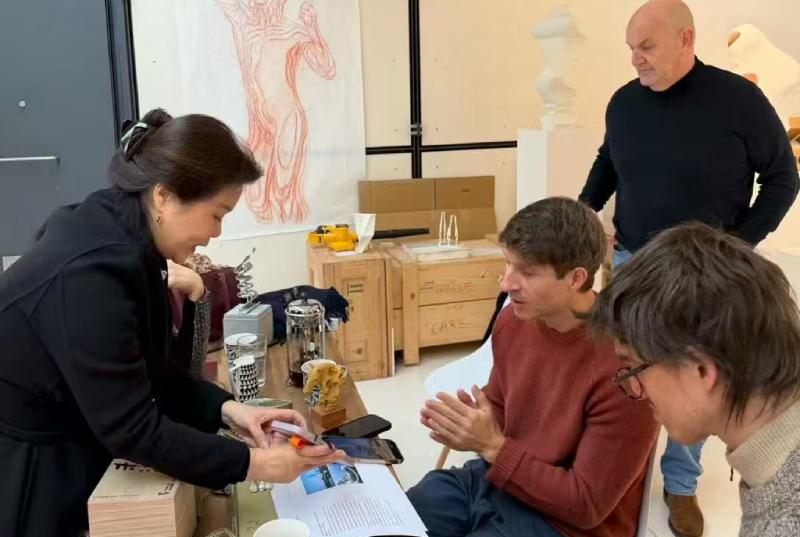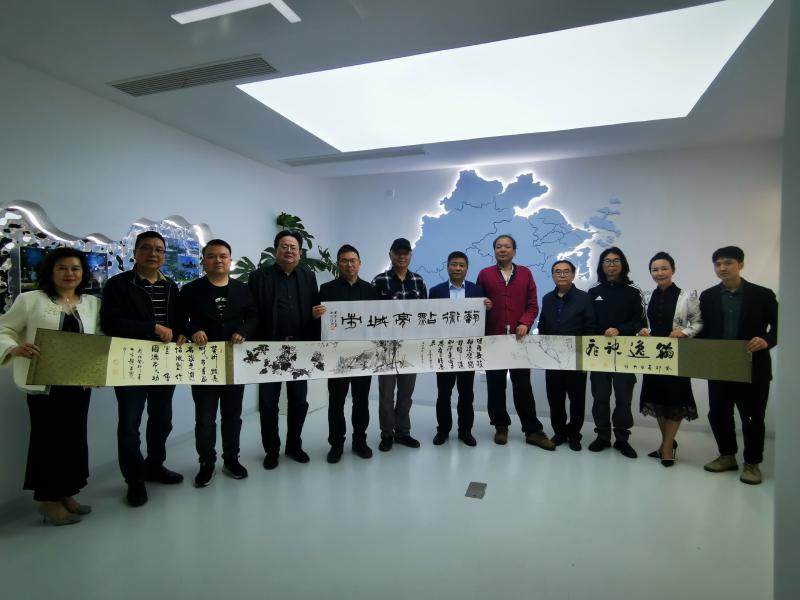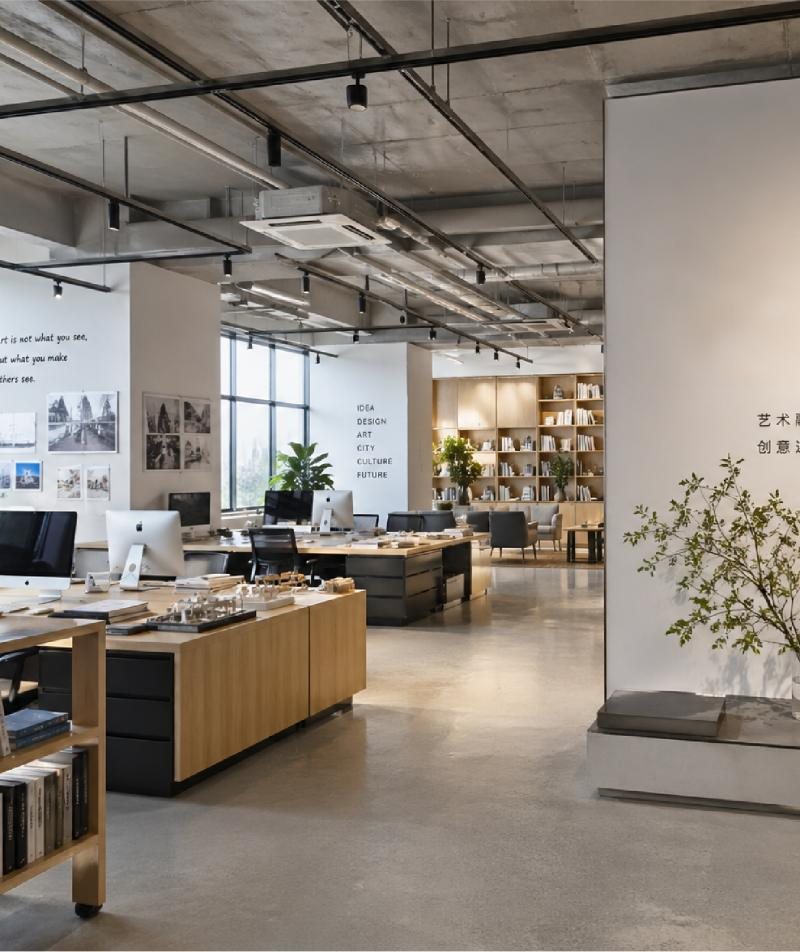
Public Art Consulting: A Complete Guide to Planning, Artist Selection, Project Management, and Delivery
Public art projects involve more than selecting an attractive sculpture or commissioning an artist to create an artwork. They require coordination between artistic goals, site conditions, budgets, technical requirements, public expectations, regulatory approvals, fabrication, and installation. For developers, municipalities, architects, landscape designers, and project owners, managing these elements without a clear process can lead to delays, unexpected costs, and artwork that does not fully serve its intended environment.
Public art consulting helps project stakeholders connect creative ideas with practical project requirements. A consultant can support early planning, define the scope of work, coordinate artist selection, review design proposals, assess fabrication feasibility, and help manage delivery. The level of involvement varies depending on the project, but the objective remains consistent: ensure that artistic quality, technical performance, and project execution are considered together from the beginning.
This guide explains how public art consulting works, what services may be included, how to select the right consulting partner, and which technical and commercial factors should be addressed before commissioning a public artwork.
1. What Is Public Art Consulting?
Public art consulting is a professional service that helps clients plan, develop, coordinate, and deliver artwork intended for public or publicly accessible environments. These environments may include city streets, parks, plazas, transportation facilities, commercial developments, residential communities, campuses, cultural institutions, and hospitality properties.
Unlike a service focused exclusively on artistic design, public art consulting considers the entire project lifecycle. A consulting team may help translate the client's objectives into a workable brief, identify suitable artists or studios, evaluate design concepts, coordinate technical reviews, and monitor progress through fabrication and installation. The exact responsibilities depend on the consultant's expertise and the agreement with the client.
1.1 The Difference Between Public Art Consulting and Art Commissioning
Art commissioning generally refers to the process of appointing an artist or studio to create a specific artwork. The commission may include a design brief, concept development, production, delivery, and installation. Public art consulting can cover a broader range of activities before, during, and after the commission.
For example, a property developer planning a large outdoor sculpture may first need to determine the appropriate location, project budget, artwork scale, procurement method, and approval process. A consultant can help establish these requirements before the developer invites artists to submit proposals. This reduces the risk of receiving visually appealing concepts that are unsuitable for the site or financially unrealistic.
1.2 Who Needs Public Art Consulting?
Public art consulting can benefit organizations that commission or manage artwork but do not have all the necessary artistic, technical, and project-management resources internally. Municipal governments may need support when integrating artwork into public infrastructure. Real estate developers may use consultants to coordinate sculptures and installations across residential or commercial developments. Architects and landscape designers may require specialist input when artwork affects circulation, sightlines, foundations, or the wider design of a space.
Corporate clients, universities, hospitals, cultural organizations, and hospitality operators may also require consulting support. Their priorities can differ considerably. A corporate campus may emphasize brand identity and visitor experience, while a public park may prioritize community relevance, accessibility, durability, and long-term maintenance.
2. What Services Are Included in Public Art Consulting?
Public art consulting is not a single standardized service package. Some consultants focus on strategy and artist selection, while others remain involved through design development, fabrication coordination, installation, and project closeout. Before appointing a consultant, clients should establish which responsibilities are included and which must be handled by architects, engineers, artists, contractors, or specialist fabricators.
2.1 Project Brief Development and Strategic Planning
A clear project brief provides the foundation for all subsequent decisions. It should explain why the artwork is being commissioned, who the intended audience is, where the artwork will be located, and what the client expects the completed project to achieve. The brief may also define the artistic direction, approximate dimensions, preferred materials, budget range, completion date, and required documentation.
Consultants can help clients distinguish essential requirements from optional preferences. For instance, a landmark sculpture may need to be visible from several approach directions, whereas an artwork within a landscaped courtyard may be designed for closer viewing and interaction. These differences influence the scale, form, structural approach, materials, and lighting requirements. A well-prepared brief gives artists enough creative freedom while keeping proposals aligned with the project's practical boundaries.
2.2 Artist and Studio Selection
Finding the right artist or studio involves more than comparing portfolios. Relevant experience, material knowledge, production resources, project coordination, and the ability to meet technical requirements should also be considered. A consultant may develop a shortlist based on the project's artistic direction, scale, location, budget, and delivery schedule.
For projects involving large sculptures or complex metal structures, the production capabilities of the selected studio are particularly important. Clients should understand whether fabrication is completed in-house or through external suppliers, how quality is checked, and whether the proposed team can coordinate with structural engineers and installation contractors. Reviewing previous projects with similar materials and dimensions can provide more useful evidence than evaluating visual style alone.
2.3 Concept Review and Design Development
After an artist or studio is selected, the design process usually moves from initial concepts to more detailed proposals. Consultants may help organize design reviews, collect feedback, and assess whether the proposed artwork responds to the brief. Reviews can cover artistic relevance, visual impact, scale, material selection, accessibility, safety, and compatibility with the surrounding architecture or landscape.
At this stage, the client should avoid treating a concept rendering as proof that the artwork is ready for production. A rendering communicates visual intent, but it does not necessarily demonstrate structural stability, material performance, fabrication feasibility, or installation requirements. These issues need to be addressed through technical drawings, material specifications, engineering calculations, and other project documentation as appropriate.
2.4 Budget and Procurement Coordination
Public art budgets may include more than the artist's design and fabrication fees. Transportation, lifting equipment, foundations, electrical systems, lighting, site preparation, permits, engineering, insurance, installation labor, and future maintenance can all affect the total project cost. If these items are overlooked during early planning, the project may face budget pressure after the design has already been approved.
A consultant can help organize the budget into clearly defined cost categories and identify responsibilities among the client, artist, fabricator, and construction team. Procurement documents should also explain what is included in each quotation, what constitutes a variation, which party supplies technical drawings, and how additional work will be approved. This is especially important for projects involving custom sculpture fabrication, where changes in dimensions, materials, finishes, or structural details can affect both cost and lead time.
2.5 Fabrication and Installation Coordination
Once the design is approved and the technical requirements are established, the project enters fabrication and delivery. Depending on the consultant's contract, responsibilities may include reviewing production schedules, coordinating design clarifications, arranging factory inspections, monitoring documentation, and communicating with installation contractors.
Installation coordination is particularly important for large or site-specific artworks. The team may need to confirm access routes, crane capacity, lifting points, foundation readiness, anchor positions, electrical connections, and temporary site restrictions. A sculpture that can be fabricated successfully in a workshop may still be difficult to transport or install if these factors are not considered early enough.
3. How to Plan a Public Art Consulting Project
Effective consulting begins before the client requests artist proposals or commits to a particular sculpture concept. The planning stage establishes the project's purpose, boundaries, responsibilities, and decision-making process. A structured approach helps prevent artistic, technical, and commercial requirements from being handled separately.
3.1 Define the Project Objectives
The first step is to identify what the artwork should contribute to the site. Possible objectives include creating a recognizable landmark, expressing local history, strengthening a development's identity, improving the experience of a public space, or introducing an interactive cultural element. These objectives should be specific enough to guide design decisions without prescribing every visual detail.
Stakeholders should also identify the intended audience and the expected relationship between people and the artwork. A sculpture in a busy transit area may need to communicate its visual identity from a distance while avoiding interference with pedestrian movement. An installation in a quiet garden may support more detailed observation and a closer relationship with its surroundings. Defining these expectations early makes later concept reviews more objective.
3.2 Evaluate the Site Before Selecting an Artwork
Site assessment should cover physical conditions, surrounding structures, pedestrian circulation, visibility, environmental exposure, and access for construction equipment. For outdoor projects, the team should consider wind loads, rainfall, temperature changes, humidity, pollution, coastal conditions, and possible contact with landscaping or irrigation systems.
Existing underground utilities, drainage systems, paving structures, and foundation conditions may also affect the artwork's location. If a sculpture requires a reinforced concrete foundation or embedded anchor system, the civil and structural teams need to confirm that the proposed location can accommodate it. Site photographs, measured surveys, architectural drawings, and preliminary engineering reviews provide a stronger basis for design development than visual inspection alone.
3.3 Establish the Budget and Delivery Schedule
The project budget should reflect the full cost of delivering and maintaining the artwork rather than focusing only on the initial production price. Clients should allow for design development, engineering, materials, fabrication, surface treatment, packaging, transportation, site preparation, installation, and contingency costs. The budget should also identify whether taxes, insurance, permit fees, and long-term maintenance are included.
Scheduling should follow the same principle. The required completion date may depend on construction milestones, public opening dates, seasonal access restrictions, or coordination with other contractors. Custom artworks can require extended periods for concept approval, engineering, material procurement, fabrication, finishing, and transport. A realistic schedule should include time for client reviews and technical revisions instead of assuming that production can begin immediately after the initial concept is presented.
3.4 Define Roles and Approval Responsibilities
Public art projects often involve multiple parties, including the project owner, consultant, artist, architect, landscape designer, engineer, general contractor, fabricator, and installation team. If decision-making responsibilities are unclear, design changes and technical questions can remain unresolved for too long.
The project team should establish who approves artistic concepts, who signs off structural calculations, who confirms material samples, and who authorizes changes to the budget or schedule. It should also define how technical questions are documented and how revised drawings are distributed. A clear approval process reduces conflicting instructions and helps maintain accountability throughout the project.
4. How to Select Artists and Sculpture Studios
Artist selection has a direct influence on the visual identity and technical success of a public art project. A suitable candidate should understand the artistic objectives and have the practical ability to deliver the proposed work. For complex commissions, the selection process should evaluate creative quality and production feasibility together.
4.1 Review Relevant Project Experience
Portfolios should be reviewed in relation to the actual project requirements. A studio with experience in small indoor sculptures may not automatically be equipped to deliver a large outdoor landmark. Similarly, a strong record in metal fabrication does not necessarily demonstrate experience with public-space coordination, foundations, transportation, or installation.
Clients should examine completed projects with comparable dimensions, materials, environments, and technical complexity. Useful evidence includes finished project photographs, installation records, material specifications, technical drawings where available, and references from previous clients. It is also important to understand whether the candidate was responsible for the complete project or only one stage of the work.
4.2 Evaluate Artistic and Technical Capabilities
Artistic capability includes the ability to develop original concepts, work with spatial relationships, and create a strong connection between the artwork and its setting. Technical capability covers material selection, structural coordination, fabrication methods, finishing processes, and installation planning. Both are necessary when a sculpture is intended for permanent public display.
For example, a stainless steel sculpture may require decisions about plate thickness, internal reinforcement, welding methods, surface treatment, drainage, and connections between separate components. A bronze sculpture may involve modeling, mold preparation, casting, chasing, patination, and mounting. The selected studio should be able to explain how the artistic concept can be translated into a durable physical object.
4.3 Check Communication and Project Management
Public art commissions frequently require several rounds of review and coordination with professionals outside the artistic team. A suitable studio should be able to communicate clearly, respond to technical questions, provide updated documentation, and identify potential risks before they become serious problems.
Clients should ask how progress will be reported, who will serve as the main project contact, how design changes are managed, and how production milestones are verified. These questions are particularly relevant when the artwork is manufactured in a different city or country from the installation site. Clear communication helps prevent misunderstandings about specifications, responsibilities, and delivery expectations.
5. Technical Considerations in Public Art Consulting
Technical review is essential when public artwork must remain stable, safe, and visually consistent over many years. The level of engineering required depends on the artwork's size, weight, location, material, exposure, and relationship with the public. Consultants should ensure that technical responsibilities are assigned to appropriately qualified professionals rather than relying on artistic drawings alone.
5.1 Material Selection and Environmental Performance
Material selection should reflect the intended appearance as well as the site's environmental conditions and maintenance requirements. Stainless steel is frequently used for contemporary outdoor sculptures because it can provide a clean finish and good corrosion resistance when the appropriate grade, fabrication process, and surface treatment are selected. Bronze is valued for its casting possibilities and distinctive patinated appearance. Aluminum can reduce overall weight, while corten steel may develop a controlled weathered surface that forms part of the artistic concept.
No material should be treated as maintenance-free. Stainless steel can develop staining or corrosion under unsuitable conditions, bronze patinas can change over time, and weathering steel requires suitable drainage and detailing. Consultants should consider material samples, fabrication quality, protective treatments, environmental exposure, and the client's ability to carry out future inspections.
5.2 Structural Safety and Foundation Design
Structural requirements become more significant as an artwork increases in height, weight, or exposure to wind and public interaction. Large sculptures may require internal steel frameworks, reinforced connections, engineered base plates, anchor bolts, and concrete foundations. The structural system should account for the artwork's center of gravity, load distribution, dynamic effects where relevant, and the characteristics of the supporting ground or building structure.
Structural calculations and foundation specifications should be reviewed by qualified engineers familiar with the applicable local codes. The project team should also confirm how the sculpture will be lifted, supported during installation, and secured in its final position. These details can affect both fabrication design and construction sequencing, so they should be resolved before manufacturing begins.
5.3 Accessibility and Public Safety
Artwork in public spaces should be evaluated in relation to pedestrian routes, accessible circulation, visibility, and foreseeable interaction. Protruding elements, sharp edges, unstable components, slippery surfaces, and accessible climbing points may create risks depending on the location and intended use. Lighting and electrical equipment introduce additional considerations, including weather protection, cable routing, and maintenance access.
Where interaction is part of the artistic concept, the project team should define how people are expected to engage with the work and whether the structure has been designed for that use. The applicable accessibility, building, electrical, and public-safety requirements depend on the project location. Local professionals and authorities should confirm the relevant standards rather than relying on a general checklist.
5.4 Fabrication Quality and Inspection
Fabrication quality influences the appearance, strength, and service life of the completed artwork. Inspection may cover material certificates, dimensions, welding quality, surface preparation, coating or patina consistency, assembly accuracy, and the fit of connection components. For multi-part sculptures, the project team should also verify that individual sections can be assembled correctly at the installation site.
Inspection requirements should be agreed upon before production. Depending on the project, they may include approval of material samples, review of shop drawings, inspection at defined manufacturing milestones, trial assembly, and a final factory acceptance check. Photographs and inspection records can provide useful evidence, but they should supplement rather than replace physical checks when the project requires them.
6. Managing Public Art Fabrication and Installation
Moving from an approved design to a completed installation requires close coordination between creative, technical, and construction teams. The artwork must be manufactured according to approved specifications, transported without damage, and installed under suitable site conditions. A clear delivery plan helps ensure that the final result matches the approved concept and can be safely integrated into its environment.
6.1 Convert the Approved Concept into Production Documents
Before fabrication, the project team should confirm that the approved design has been translated into sufficiently detailed production documents. These may include general arrangement drawings, dimensions, material specifications, component details, connection methods, finish requirements, and installation references. Complex sculptures may also require three-dimensional models, structural calculations, lifting plans, and assembly instructions.
The purpose of this documentation is to remove ambiguity between the artistic proposal and the manufactured object. If a design contains curved surfaces, irregular geometry, or several interconnected components, the fabricator needs to understand the required dimensions and tolerances. Any design change that affects appearance, structure, weight, or installation should be reviewed and approved through the project's change-control process.
6.2 Coordinate Transportation and Site Access
Large artworks may need to be divided into transportable sections or shipped using specialist equipment. The transportation plan should consider the overall dimensions, weight, packaging method, loading arrangements, route restrictions, and site access. Oversized components may require permits or a specific delivery schedule, while delicate surface finishes may need additional protective materials.
Before shipment, the project team should confirm that the receiving site is ready. This includes checking foundation completion, anchor positions, access roads, crane locations, temporary barriers, and available lifting space. If the sculpture is delivered before the site is prepared, storage and handling may create additional costs and increase the risk of damage.
6.3 Plan Installation and Final Acceptance
Installation should follow an agreed method statement prepared by the responsible contractor and reviewed by the relevant technical professionals. Depending on the artwork, the process may involve crane lifting, temporary supports, bolted connections, welding, grouting, electrical connections, and final surface treatment. The installation team should understand the sequence of work and the required safety controls before the operation begins.
Final acceptance should confirm that the artwork has been installed in the approved location and meets the agreed specifications. The review may include dimensions, alignment, finish quality, connection details, stability documentation, lighting performance, and the condition of surrounding surfaces. Any outstanding defects should be recorded with clear responsibilities and completion dates.
7. Common Challenges in Public Art Consulting Projects
Even well-planned projects can encounter difficulties when artistic expectations, technical requirements, and construction realities are not aligned. Many problems originate in early decisions that were made without enough information or without consulting the people responsible for later stages. Identifying these risks early gives the project team more options for resolving them.
7.1 Unclear Project Briefs and Changing Requirements
A vague brief can lead to proposals that differ significantly in scale, materials, cost, and artistic direction. If the client changes key requirements after design approval, the project may need substantial revisions to drawings, engineering, materials, and fabrication methods.
To reduce this risk, the brief should establish the main objectives, site conditions, budget boundaries, technical expectations, and approval process. Clients should distinguish between changes that are necessary to meet safety or regulatory requirements and changes that represent a new artistic preference. This distinction helps the team assess the impact of revisions on cost and schedule.
7.2 Selecting a Concept Before Checking Feasibility
A visually impressive concept may involve complex geometry, unusual materials, difficult connections, or installation methods that are not practical within the available budget. Approving the concept without a feasibility review can result in expensive redesign work later.
Artists, consultants, engineers, and fabricators should communicate during design development, especially for large or technically complex works. Preliminary material reviews, structural assessments, fabrication studies, and transport checks can identify limitations before the design becomes fixed. This approach does not restrict creativity; it helps ensure that the creative idea can be delivered successfully.
7.3 Underestimating Maintenance Requirements
Public artworks are exposed to environmental conditions, cleaning activities, accidental contact, and sometimes vandalism. If maintenance is not considered during design, the owner may later discover that surfaces are difficult to access, lighting components are hard to replace, or protective finishes require specialized treatment.
The project should include a maintenance plan that identifies inspection frequency, recommended cleaning methods, finish-care requirements, replacement components, and the parties responsible for future work. Material and detailing decisions should reflect the owner's long-term maintenance capacity, not just the desired appearance at the opening ceremony.
7.4 Poor Coordination Between Project Stakeholders
Public art is often integrated into a larger construction or landscape project. If the sculpture team works independently from the architect, civil engineer, electrical contractor, or general contractor, important conflicts may be discovered late. These can include foundation clashes, insufficient crane access, conflicting underground utilities, or lighting and drainage problems.
Regular coordination meetings, shared drawings, documented approvals, and a clearly assigned project contact can reduce these issues. The artwork should be included in the wider construction schedule so that its foundations, utilities, delivery, and installation are coordinated with other site activities.
8. How to Evaluate a Public Art Consulting Proposal
When comparing consulting proposals, clients should look beyond the total fee. A lower quotation may cover only artist selection or concept development, while a higher proposal may include technical coordination, fabrication monitoring, installation support, and closeout documentation. The most useful comparison is based on clearly defined deliverables and responsibilities.
8.1 Compare Scope, Deliverables, and Exclusions
Each proposal should explain the services included at every project stage. Deliverables may include a project brief, site assessment, artist shortlist, selection report, design review comments, budget estimates, technical coordination records, production progress reports, installation review, and final documentation. The proposal should also state which services are excluded, such as engineering certification, legal advice, permit applications, or construction supervision.
Clients should check whether the consultant is responsible for managing the complete project or only providing recommendations. If fabrication and installation are handled by other parties, the proposal should clarify how coordination will take place and who has authority to approve technical changes. Clear scope definitions make fees easier to compare and reduce disputes later.
8.2 Review Experience, References, and Risk Management
Relevant project experience provides evidence that the consultant understands the challenges associated with similar commissions. References should ideally come from clients who have completed projects of comparable scale or complexity. Ask about communication, schedule management, budget control, problem-solving, and the quality of the final delivery.
Risk management should also be addressed. A credible proposal should identify major project risks, explain how technical reviews will be coordinated, and describe how changes or delays will be handled. For projects involving international fabrication or complex logistics, clients should pay particular attention to documentation, shipping responsibilities, quality inspections, and communication across different time zones.
9. Working with a Sculpture Manufacturer During Public Art Projects
Public art consultants often work with specialist artists, design studios, and sculpture manufacturers to turn approved concepts into finished physical works. The manufacturer plays an important role when the project requires custom metalwork, large-scale structures, complex surface treatments, or multiple fabricated components. Involving the production team early can help identify practical issues before they affect the approved design or delivery schedule.
9.1 Why Early Manufacturer Involvement Matters
A sculpture manufacturer can review whether the proposed materials, dimensions, geometry, and connections are suitable for the intended production process. For example, a large stainless steel artwork may require sectional fabrication to support transportation and installation. A bronze sculpture may need adjustments to its construction details to accommodate casting and assembly. These production considerations can influence the final design without changing its overall artistic intent.
Early coordination also helps the project team understand material availability, fabrication lead times, finishing options, inspection requirements, and packaging needs. When the manufacturer is consulted only after all design decisions have been finalized, some practical adjustments may become more expensive or difficult to implement.
9.2 What to Include in a Manufacturer's Quotation
A useful manufacturing quotation should clearly identify the scope of production. It may specify material grades, dimensions, thicknesses, fabrication methods, surface finishes, internal structures, assembly requirements, and packaging arrangements. It should also state whether engineering support, trial assembly, transportation, installation, and on-site adjustments are included or quoted separately.
Clients should compare quotations against the same approved drawings and specifications. If different manufacturers make different assumptions about material thickness, structural reinforcement, finishing quality, or installation scope, the quoted prices may not be directly comparable. A detailed technical comparison helps the client understand the real differences between proposals.
9.3 Yifeng's Role in Custom Sculpture Production
For projects that require custom sculpture production, Yifeng Sculpture works with clients and project stakeholders to develop and manufacture artworks for different architectural, commercial, and public environments. Our work covers the practical production considerations involved in translating approved concepts into physical sculptures, including material selection, fabrication coordination, finishing, and project-specific requirements.
Clients planning a public art commission can review our sculpture services and completed sculpture projects to understand the types of work we produce. Examples such as Hello Conch and Peach Blossom also demonstrate how sculptural forms can be developed for specific visual settings. For a new commission, the production discussion should begin with the concept, dimensions, intended location, material preferences, and relevant technical documents.
10. A Practical Checklist Before Starting a Public Art Commission
Before moving into artist selection or fabrication, the client and consulting team should confirm that the project's main requirements have been documented. The following checklist can help identify missing information and reduce avoidable changes during later stages.
- Project objectives: Define the artistic purpose, intended audience, and desired contribution to the site.
- Site information: Collect location plans, dimensions, photographs, access information, and relevant ground or building conditions.
- Budget: Include design, engineering, materials, fabrication, finishing, transportation, installation, and maintenance.
- Schedule: Allow time for concept development, technical reviews, approvals, production, delivery, and installation.
- Artist selection: Evaluate relevant experience, portfolio quality, production resources, and project-management capability.
- Technical requirements: Confirm material specifications, structural responsibilities, safety requirements, and installation methods.
- Procurement: Define deliverables, payment milestones, quotation assumptions, exclusions, and change procedures.
- Maintenance: Establish inspection, cleaning, repair, and long-term ownership responsibilities.
- Documentation: Identify the drawings, certificates, inspection records, warranties, and handover materials required at completion.
This checklist should be adapted to the scale and complexity of the commission. A small artwork in a protected indoor environment may need a relatively straightforward process, while a permanent outdoor landmark sculpture may require extensive engineering, permitting, logistics, and coordination with public authorities.
Conclusion
Public art consulting connects artistic ambition with the practical requirements of planning, procurement, fabrication, and installation. A successful project depends on more than selecting a compelling concept. It requires a clear brief, a suitable artist or studio, realistic budgeting, early technical review, coordinated production, and a maintenance strategy that supports the artwork throughout its service life.
For developers, municipalities, architects, and project owners, the most effective approach is to involve the relevant creative and technical professionals early. Consultants can help organize decisions and coordinate stakeholders, while experienced sculpture manufacturers can provide valuable input on materials, fabrication methods, structural details, and delivery requirements. If you are planning a public artwork or need a production partner for a custom sculpture, share your concept drawings, reference images, dimensions, intended installation location, and project timeline with Yifeng Sculpture. We can review the production requirements and discuss suitable fabrication approaches for your project.
Frequently Asked Questions About Public Art Consulting
Q1. What does public art consulting include?
Public art consulting may include project brief development, site assessment, artist selection, concept review, budget planning, procurement coordination, technical review, fabrication monitoring, installation coordination, and project closeout. The exact scope depends on the consultant's agreement with the client. Before appointing a consultant, confirm which deliverables are included and which responsibilities remain with the artist, engineer, fabricator, or construction contractor.
Q2. When should public art consulting begin?
Public art consulting should ideally begin during the early planning or design stage of a development. Early involvement gives the project team time to assess the site, define objectives, establish a realistic budget, and coordinate artwork requirements with architecture and landscape design. It also allows structural, fabrication, transportation, and installation constraints to be considered before the concept is finalized.
Q3. How much does public art consulting cost?
The cost of public art consulting varies according to project scale, complexity, location, duration, and service scope. A consultant providing artist selection and concept review may charge differently from one coordinating the project through fabrication and installation. Clients should compare proposals based on deliverables, responsibilities, working hours, travel requirements, and exclusions rather than relying on the fee alone.
Q4. Does public art consulting include sculpture fabrication?
Not necessarily. Public art consulting generally focuses on planning, coordination, evaluation, and project management, while sculpture fabrication is usually carried out by an artist, specialist studio, or sculpture manufacturer. Some consultants coordinate the fabrication process or arrange production services through external partners. The client should confirm whether manufacturing, material procurement, quality inspection, transportation, and installation are included in the agreed scope.
Q5. How do I choose a manufacturer for a public art consulting project?
When selecting a manufacturer for a public art consulting project, review experience with comparable sculpture types, material capabilities, fabrication resources, finishing quality, technical documentation, and delivery coordination. Request quotations based on approved drawings and consistent specifications. For large outdoor sculptures, also confirm how the manufacturer will coordinate structural details, sectional assembly, packaging, transportation, and installation requirements.
.png?imageMogr2/format/webp)