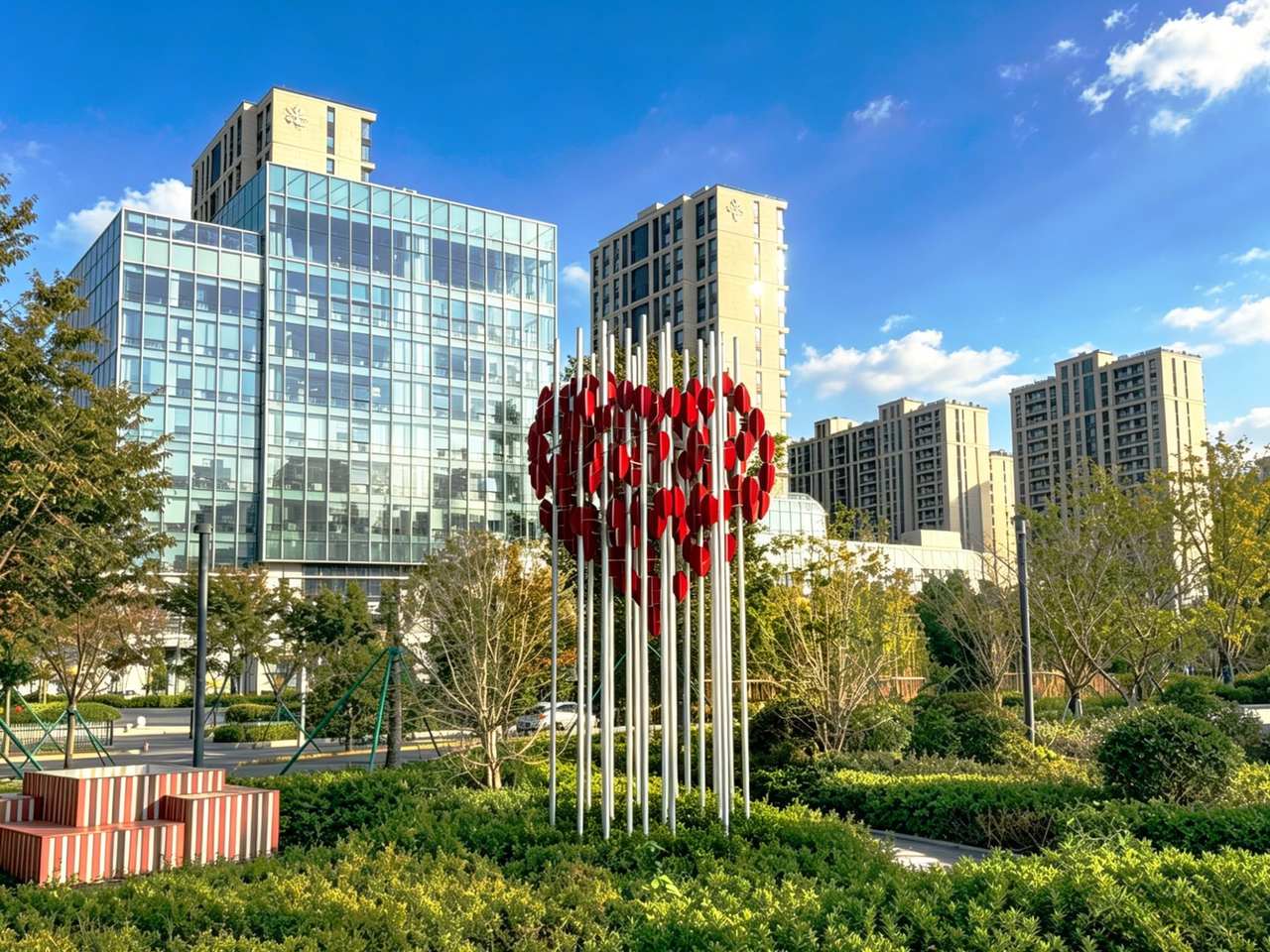
Public Art Installation: A Complete Guide to Site Planning, Material Selection, and Installation
Public art installations play an important role in shaping the identity and experience of urban environments. From monumental sculptures in city squares to interactive artworks in parks, commercial developments, and cultural destinations, these installations transform ordinary spaces into recognizable places with artistic and cultural value. However, bringing a public artwork into a real-world environment involves much more than transporting a finished sculpture to its destination. It requires careful coordination of site conditions, structural requirements, transportation, lifting equipment, foundation preparation, installation procedures, and final inspection.
For municipalities, property developers, architects, landscape designers, and public art project managers, understanding the installation process is essential to controlling project costs, reducing construction risks, and achieving the intended visual result. A poorly planned installation can cause transportation difficulties, structural problems, delays, or unexpected modifications on site. This guide explains the major stages of public art installation, from initial site assessment and technical preparation to transportation, assembly, and final commissioning. It also explores the factors buyers should evaluate when selecting a professional sculpture manufacturer and installation partner.
1. What Is Public Art Installation?
Public art installation refers to the process of positioning, assembling, securing, and completing artworks in public or publicly accessible environments. These projects may involve standalone sculptures, architectural artworks, landscape installations, interactive structures, illuminated sculptures, kinetic artworks, and large-scale artistic features. Unlike conventional indoor artwork placement, public art installation frequently involves outdoor construction conditions, heavy components, specialized lifting equipment, engineered foundations, and coordination with other construction activities.
The installation process varies considerably according to the artwork's dimensions, weight, material, structural configuration, and location. A small decorative sculpture may require relatively straightforward positioning and anchoring, while a large stainless steel landmark may need to be divided into multiple sections, transported separately, assembled with specialized connections, and secured to an engineered foundation. Interactive or illuminated installations introduce additional requirements involving electrical systems, mechanical components, control equipment, and maintenance access. Therefore, installation planning should begin during the design and engineering stages rather than after fabrication has been completed.
2. Why Is Professional Public Art Installation Important?
Professional public art installation helps ensure that the finished artwork meets its design requirements while remaining structurally secure and appropriate for its environment. Large sculptures can experience significant environmental forces, including wind pressure, temperature changes, vibration, and accidental impact. Their supporting structures and foundations must be suitable for the expected site conditions. Even when an artwork is primarily decorative, its weight distribution, connection details, and installation tolerances can influence long-term performance. Professional coordination between designers, fabricators, structural engineers, and installation teams helps identify these requirements before they become problems on site.
Installation quality also affects the visual appearance of the completed artwork. Incorrect positioning, uneven foundations, inconsistent component alignment, or visible connection defects can undermine the original design. For public projects, installation activities may also take place in locations where pedestrians, vehicles, nearby businesses, and other construction operations must be considered. A well-organized installation plan establishes appropriate work areas, equipment requirements, safety procedures, and scheduling arrangements. This allows the artwork to be installed efficiently while minimizing disruption to surrounding activities.
3. How to Plan a Public Art Installation Project
Planning a public art installation involves coordinating design information, site conditions, structural requirements, transportation, equipment, and construction schedules. These elements are closely connected, so decisions made during the early stages can affect the cost and feasibility of the entire project. Before the artwork leaves the fabrication facility, the project owner and installation team should confirm the delivery route, foundation details, lifting arrangements, assembly sequence, and site readiness. The following planning stages help reduce uncertainty and establish a clear installation procedure.
3.1 Conduct a Detailed Site Assessment
A detailed site assessment is the starting point for a successful public art installation. Before confirming transportation and construction arrangements, the project team should understand the physical conditions of the installation location. Important information includes available ground space, elevation differences, surrounding buildings, existing infrastructure, pedestrian routes, vehicle access, and the distance between the delivery area and the final installation position. These factors influence the type of lifting equipment required, the dimensions of transported components, and the sequence in which the artwork can be assembled.
Outdoor locations require additional environmental evaluation. Wind exposure, rainfall, humidity, temperature fluctuations, drainage conditions, and soil characteristics can affect both installation methods and foundation requirements. For waterfront or coastal environments, corrosion protection and material compatibility deserve particular attention. The team should also identify underground utilities, existing foundations, drainage pipes, electrical connections, and other obstacles that may affect excavation or anchoring. Accurate site measurements, photographs, engineering drawings, and access-route surveys provide a reliable basis for developing the installation plan. If the site is still under construction, the project manager should coordinate with the general contractor to confirm when the installation area will be available.
3.2 Confirm Artwork Dimensions, Weight, and Structural Requirements
The dimensions and weight of an artwork determine many of the technical decisions involved in public art installation. A sculpture that appears manageable in a digital rendering may become difficult to transport or lift when its actual dimensions and component weight are calculated. The design and fabrication team should provide accurate information about overall height, width, depth, individual component dimensions, total weight, center of gravity, connection locations, and lifting points. This information allows engineers and installation contractors to evaluate whether the artwork can be transported as a complete structure or needs to be divided into smaller sections.
Structural requirements should be reviewed alongside these measurements. Depending on the project, the installation may require a reinforced concrete foundation, embedded steel plates, anchor bolts, internal support frames, or other engineered connection systems. The foundation must be compatible with the artwork's loading conditions and the ground characteristics of the site. For unusually tall or large sculptures, wind loading and structural stability may require detailed engineering calculations. Clear technical documentation reduces uncertainty when selecting lifting equipment, preparing foundations, and coordinating installation personnel. It also helps ensure that the installation method is consistent with the approved design.
3.3 Develop an Installation Schedule
Public art installation should be integrated into the overall construction schedule rather than treated as an independent activity. The project manager needs to coordinate fabrication completion, quality inspection, packaging, transportation, site preparation, foundation curing where applicable, lifting operations, assembly, electrical connections, and final acceptance. Each activity depends on the completion of previous work, and delays in one area can affect the entire project. For example, transporting a large sculpture before the foundation and access routes are ready may create additional storage and handling costs.
A practical installation schedule should identify key milestones, responsible parties, required equipment, site access arrangements, and approval procedures. It should also include contingency time for weather conditions, transportation restrictions, unexpected ground conditions, and equipment availability. For projects in busy public spaces, installation may need to take place during restricted working hours or within a temporary construction zone. Coordinating these requirements early helps prevent conflicts with other contractors and reduces the likelihood of disrupting normal public activities.
4. Material Selection and Its Impact on Public Art Installation
The materials used in a sculpture influence how it is transported, handled, assembled, secured, and maintained after installation. Weight, surface hardness, corrosion resistance, component thickness, and fabrication methods all affect the installation procedure. A large stainless steel sculpture may require protection for its polished surfaces, while a bronze artwork may need special handling to preserve its patina and fine details. Understanding these differences allows the project team to prepare suitable equipment, packaging, connection systems, and on-site procedures before delivery.
4.1 Stainless Steel Sculptures
Stainless steel is widely used in contemporary public art because it can be fabricated into complex three-dimensional forms and finished with different surface treatments. Mirror-polished, brushed, and matte surfaces create different visual effects, allowing designers to coordinate the sculpture with surrounding architecture and landscape elements. Stainless steel is also considered for outdoor applications because suitable grades and fabrication details can provide good corrosion resistance. However, the material specification should reflect the actual environmental conditions rather than relying on the general assumption that all stainless steel performs equally well in every location.
From an installation perspective, large stainless steel sculptures may require internal support structures, reinforced connection points, and carefully planned lifting procedures. Thin sheet-metal forms can be vulnerable to deformation if handled incorrectly, while polished surfaces need protection against scratches, fingerprints, and contamination during transportation and assembly. For segmented sculptures, installation teams must maintain accurate alignment and control the quality of welded, bolted, or other specified connections. Protective packaging should remain in place for as long as practical, with final surface cleaning and inspection carried out according to the material and finish requirements.
4.2 Bronze Sculptures
Bronze is commonly selected for figurative sculptures, commemorative artworks, and projects that require detailed sculptural modeling. Casting techniques allow artists to reproduce complex shapes, textures, and fine details that may be difficult to achieve through other manufacturing processes. Bronze surfaces can also be treated to produce different colors and patinas, giving the finished artwork a distinctive appearance. For outdoor installations, the design team should consider the selected alloy, surface treatment, environmental exposure, and long-term maintenance requirements.
During installation, bronze sculptures require appropriate lifting and handling arrangements based on their weight, dimensions, and structural configuration. Smaller cast works may be positioned using conventional lifting equipment, while larger pieces can require specialized lifting points and engineered support systems. The connection between the sculpture and its base should be designed to provide adequate stability without damaging visible surfaces. Particular attention should be paid to protecting detailed cast areas and finished patinas during transportation, positioning, and anchoring. Installation documentation should identify the approved fixing method and any precautions required for future inspection or maintenance.
4.3 Aluminum and Composite Materials
Aluminum can be useful for public art projects where weight reduction, complex fabrication, or large surface areas are important considerations. Its relatively low density may simplify transportation and lifting compared with some heavier metal alternatives. However, aluminum structures still require appropriate structural design, connection detailing, and protection against environmental conditions. The designer should consider material thickness, reinforcement, joint construction, and compatibility with other metals to reduce the risk of premature deterioration.
Composite materials, fiberglass, acrylic, and other engineered materials may also be used for specialized public art installations. They can provide flexibility in shape, color, transparency, and surface appearance. Their installation requirements depend on the material composition, component dimensions, support system, and exposure conditions. Some lightweight components may be easier to transport but require careful handling to prevent impact damage or deformation. Material samples, fabrication specifications, and installation instructions should be reviewed before delivery so that the site team understands the appropriate handling and connection procedures.
5. Transportation and Handling of Public Artworks
Once the design and material specifications are confirmed, transportation becomes a major consideration in the installation process. Large or unusually shaped artworks may not fit standard vehicles or conventional delivery routes, while delicate surfaces require protective packaging and controlled handling. The transportation plan should connect the fabrication facility with the actual installation location, taking into account road restrictions, loading capacity, access conditions, and unloading arrangements. Preparing these details in advance helps prevent damage, unnecessary storage, and delays at the project site.
5.1 Choose the Right Transportation Method
Transportation planning begins with an evaluation of the artwork's dimensions, weight, packaging requirements, and delivery destination. Smaller sculptures may be shipped in protective wooden crates, while large installations may require flatbed trucks, low-bed trailers, specialized carriers, or other transportation arrangements. Oversized components can be subject to road restrictions, route approvals, bridge clearance limitations, and special transportation permits. International projects may also require export documentation, customs procedures, and coordination between the manufacturer, freight forwarder, and receiving contractor.
The transportation method should be determined before fabrication is finalized whenever possible. If a sculpture is too large to pass through the planned route or enter the installation area, the project may need a modular design that allows the artwork to be transported in separate sections. These sections must have clearly defined connection interfaces and an assembly sequence that can be followed on site. Planning transportation together with fabrication and installation helps avoid unnecessary redesign and reduces the risk of costly handling problems.
5.2 Protect Artwork During Loading and Unloading
Artwork protection is especially important for sculptures with polished metal surfaces, delicate details, painted finishes, transparent materials, or irregular geometries. Before loading, the project team should confirm that the packaging is suitable for the component's shape, weight, and transportation conditions. Protective foam, cushioning materials, reinforced crates, and secure internal supports can help prevent movement and impact damage. The packaging should also protect the artwork against moisture, dust, and other environmental factors that may affect its surface finish.
Loading and unloading operations should follow an approved handling plan. Lifting points must be suitable for the actual component weight and structural design, and lifting equipment should have sufficient rated capacity for the planned operation. Slings, lifting frames, and protective contact materials should be selected to avoid damaging finished surfaces. For complex or oversized sculptures, a trial review of the lifting arrangement can help identify potential balance and clearance problems before the actual operation. The receiving team should inspect the packaging and artwork after delivery, document any visible damage, and confirm that all components and installation accessories are present.
6. Foundation Preparation and On-Site Installation
After transportation and site preparation are complete, the project moves into the physical installation stage. This phase connects the fabricated artwork to its permanent location and requires close coordination between the sculpture manufacturer, structural engineer, installation contractor, and site management team. Foundation accuracy, lifting procedures, component alignment, and connection quality all influence the final result. The installation sequence should follow the approved drawings and method statements, with any unexpected site conditions reviewed before changes are made.
6.1 Prepare the Foundation
The foundation provides the structural connection between the artwork and the ground. Its design depends on the sculpture's weight, height, geometry, expected environmental loads, soil conditions, and connection arrangement. Some installations use reinforced concrete foundations with embedded anchor bolts or steel plates, while others may connect to existing structural elements where engineering approval allows. The foundation design should be coordinated with the structural engineer and the sculpture manufacturer to ensure that dimensions, reinforcement, anchor locations, and connection details match the approved drawings.
Before installation begins, the site team should verify the foundation's position, dimensions, elevation, concrete condition where applicable, and anchor alignment. Any discrepancies should be resolved before lifting the sculpture into place. The installation area should also be checked for sufficient working space, equipment access, and temporary safety arrangements. If electrical conduits, drainage systems, or other infrastructure are integrated into the foundation, their locations should be confirmed against the approved drawings. Accurate preparation reduces the need for on-site drilling, cutting, or other modifications that could compromise the original engineering design.
6.2 Position and Secure the Sculpture
Positioning a sculpture requires careful coordination between the lifting operator, installation supervisor, rigging personnel, and other workers involved in the operation. Before lifting, the team should confirm the lifting sequence, equipment capacity, component balance, communication procedures, and exclusion zones. The sculpture should be moved slowly into its intended position, with particular attention to surrounding buildings, trees, lighting fixtures, overhead structures, and existing infrastructure. For large or irregularly shaped artworks, temporary supports or positioning frames may be required to maintain stability during assembly.
Once the sculpture reaches its designated location, the team should verify its orientation, level, alignment, and connection points before completing the permanent fixing. Anchor bolts, welding, mechanical connections, or other approved fixing methods should follow the engineering documentation. Any specified grouting, sealing, or corrosion-protection procedures should also be completed. The installation team should not make unauthorized changes to structural connections simply to compensate for dimensional discrepancies. If the artwork does not fit the prepared foundation or the site conditions differ from the approved drawings, the responsible designer and engineer should review the issue before work continues.
6.3 Assemble Modular and Multi-Section Sculptures
Large public artworks are often fabricated in multiple sections to simplify manufacturing, transportation, and on-site handling. A modular approach can make it possible to create sculptures that would otherwise exceed available transport or lifting capacities. However, dividing an artwork into separate components introduces additional design and installation requirements. Connection locations, component numbering, alignment tolerances, internal support structures, and assembly access must be considered during the design stage. The fabrication team should prepare clear drawings showing how each section connects and the order in which the components should be assembled.
On-site assembly should follow the approved sequence and use the specified connection methods. Depending on the design, sections may be joined through welding, bolted connections, mechanical fittings, or other engineered systems. Joint quality is important both structurally and visually. External seams may need finishing, polishing, coating, or other surface treatments to achieve the intended appearance. The installation team should also check whether assembly operations could affect adjacent finished surfaces or previously installed components. Proper documentation, labeling, and pre-installation checks help reduce confusion and improve the efficiency of multi-section installation work.
7. Special Considerations for Different Public Art Installation Environments
The installation environment determines many of the practical arrangements required to complete a public artwork. Parks, urban plazas, transportation hubs, and commercial developments have different access conditions, construction restrictions, public-use patterns, and infrastructure requirements. A method that works for an open landscape may not be suitable for a busy city center or an operating commercial property. Understanding these differences allows project teams to adapt equipment, scheduling, site protection, and installation procedures to the specific location.
7.1 Public Parks and Landscape Spaces
Public parks provide opportunities for artworks that interact with natural landscapes, recreational activities, and community spaces. Installations in these environments should consider pedestrian circulation, nearby trees, planting areas, irrigation systems, drainage, and the potential impact of construction activities on existing vegetation. The artwork should be positioned to complement the landscape rather than obstruct important walking routes or recreational facilities. If the sculpture is intended for children or interactive use, the design and installation should also address appropriate clearances, accessible surfaces, and potential contact hazards.
Ground conditions can vary significantly across park environments, particularly where soil is soft, slopes are present, or drainage is inconsistent. Foundation preparation may require additional site investigation and coordination with landscape contractors. Construction equipment should be selected to minimize damage to paths, lawns, and planted areas. Temporary access routes and protective measures can help reduce restoration work after installation. The final artwork should also be reviewed in relation to seasonal changes, including vegetation growth and changing sunlight conditions, to ensure that its visibility and accessibility remain appropriate.
7.2 Urban Plazas and Transportation Hubs
Urban plazas, public squares, and transportation hubs often require large-scale artworks that remain visually recognizable in busy surroundings. These environments may involve heavy pedestrian traffic, vehicle movement, underground infrastructure, and strict construction schedules. Installation teams need to coordinate with property managers, municipal departments, traffic-control contractors, and other construction teams to establish safe working areas. Depending on the location, lifting operations may require temporary road closures, restricted access, or scheduled work during quieter periods.
Large landmark sculptures also require careful attention to foundation engineering and wind exposure. Their height and exposed position may create significant structural demands, particularly in open plazas or elevated locations. Lighting and electrical systems should be coordinated with the surrounding infrastructure, and maintenance access should be considered before the artwork is permanently installed. For projects in transportation environments, the design team should also evaluate sightlines, signage visibility, emergency access, and the movement of passengers or vehicles. These considerations help ensure that the installation enhances the location without interfering with its primary functions.
7.3 Commercial Developments and Architectural Spaces
Commercial developments frequently use public artworks to establish a distinctive visual identity and improve the visitor experience. These installations may be positioned at building entrances, hotel plazas, shopping centers, office campuses, residential communities, and mixed-use developments. Their installation needs to be coordinated with architectural finishes, landscape construction, lighting systems, paving, and other building elements. Even relatively compact sculptures may require precise positioning to maintain the intended relationship with entrances, pedestrian routes, and surrounding architectural features.
Construction sequencing is especially important in commercial environments because installation work may overlap with interior fit-out, façade completion, landscaping, and other finishing activities. Project managers should confirm the installation window, equipment access, surface protection requirements, and handover responsibilities. For indoor-outdoor installations, the team should also evaluate transitions between different floor levels, thresholds, and structural support conditions. Coordinating artwork installation with the wider development schedule helps protect completed construction work and reduces disruption to property operations.
8. Lighting, Electrical Systems, and Interactive Installation
Some public art installations incorporate lighting, digital displays, sensors, sound systems, or mechanical movement to create a more dynamic visitor experience. These features introduce additional technical requirements that must be integrated into the installation plan. Electrical connections, cable routing, power distribution, control equipment, weatherproof enclosures, and maintenance access should be defined before the artwork reaches the site. Outdoor electrical systems need appropriate protection against moisture, dust, temperature changes, and other environmental conditions. The installation team should also confirm that the power supply and control infrastructure are compatible with the specified equipment.
Interactive and kinetic artworks require particular attention to commissioning and operational safety. Moving components should be checked for alignment, mechanical clearance, vibration, and potential contact hazards. Sensors and control systems should be tested under the expected operating conditions, and the team should confirm that the artwork responds correctly to its programmed functions. For installations with digital displays or programmable lighting, the project handover should identify the control method, operating instructions, maintenance responsibilities, and relevant technical documentation. A complete installation process should verify not only that the artwork is physically secure but also that all integrated systems function as intended.
9. Quality Inspection and Final Commissioning
Final inspection is an essential stage of public art installation. Before the project is handed over, the team should check the artwork's position, orientation, structural connections, surface condition, and overall appearance against the approved design and technical documentation. Any visible scratches, dents, coating defects, alignment problems, or incomplete finishing work should be recorded and addressed according to the project requirements. The foundation, anchor points, support structures, and exposed connections should also be reviewed by the responsible technical personnel. For large or complex installations, inspection records provide useful evidence that the completed work has been reviewed systematically.
Projects incorporating lighting, electrical equipment, digital displays, or moving mechanisms require additional functional testing. The team should verify that electrical connections are secure, control systems operate correctly, and mechanical components move within their intended range. Relevant safety checks and engineering approvals should be completed before the installation is opened to public use. Handover documentation may include as-built drawings, material specifications, maintenance instructions, equipment manuals, inspection records, and warranty information where applicable. A well-organized commissioning process helps the owner understand how to operate and maintain the artwork after the installation contractor has completed the work.
10. Common Public Art Installation Challenges and How to Avoid Them
One frequent challenge is insufficient coordination between design, fabrication, transportation, and installation teams. If component dimensions, connection details, or lifting points are not confirmed before production, problems may only become visible when the artwork arrives on site. Another common issue is inaccurate site information. Differences between the actual ground conditions and the original drawings can affect foundation positioning, equipment access, and structural connections. These problems can be reduced by conducting site surveys, reviewing technical drawings, and confirming installation requirements before fabrication is finalized.
Transportation and weather conditions can also create delays. Oversized sculptures may require special route planning, while outdoor lifting operations can be affected by strong winds or heavy rain. Surface damage during loading, unloading, and assembly is another risk, particularly for polished stainless steel and other delicate finishes. Project teams should prepare suitable packaging, handling procedures, equipment arrangements, and contingency schedules. Finally, installation should not be considered complete simply because the sculpture has been positioned. Structural inspection, surface finishing, functional testing, and handover documentation are necessary to confirm that the finished work meets the project requirements.
11. How to Choose a Public Art Installation Company
Selecting the right public art installation company requires evaluating both artistic understanding and practical delivery capabilities. Buyers should review the company's experience with comparable sculptures, installation environments, materials, and project scales. A supplier with experience in large outdoor sculptures may be better prepared to coordinate transportation, lifting equipment, structural connections, and on-site assembly than a company that primarily produces small decorative objects. Previous project photographs, technical documentation, and completed installations can help buyers assess whether the supplier has the capabilities required for their specific commission.
It is also important to understand the scope of services provided. Some suppliers focus on artwork fabrication and leave transportation and installation to separate contractors. Others offer a more coordinated service covering consultation, design development, fabrication, quality inspection, logistics coordination, and installation support. Buyers should clarify who is responsible for foundation preparation, engineering approval, lifting arrangements, electrical connections, final inspection, and maintenance documentation. For international projects, transportation planning and coordination with local contractors deserve particular attention. A clearly defined division of responsibilities reduces misunderstandings and makes project management more predictable.
Yifeng Sculpture provides sculpture design, customized fabrication, and public art project services for different types of environments. Buyers can review the company's sculpture design and project services to understand its service scope and explore its completed public art projects for examples of different installation applications. When evaluating a potential partner, project owners should discuss the artwork's dimensions, materials, installation location, technical requirements, and delivery expectations before confirming the project scope.
12. Conclusion: Successful Public Art Installation Starts with Proper Planning
Public art installation is a coordinated process that connects creative design with engineering, manufacturing, transportation, and on-site construction. Every stage influences the quality and reliability of the final result, from the initial site assessment and foundation design to component handling, assembly, structural inspection, and commissioning. By addressing installation requirements early, project owners can reduce technical uncertainty, control additional costs, and protect the artistic integrity of the original concept.
For municipalities, developers, architects, landscape designers, and commercial project owners, choosing an experienced sculpture partner is an important step toward successful project delivery. Yifeng Sculpture works with clients to develop customized sculpture solutions and coordinate the requirements of public art projects. Whether you are planning a landmark sculpture, a park installation, or an artistic feature for a commercial development, share your project drawings, reference images, material preferences, and site information with our team. Visit our contact page to discuss your public art installation requirements and explore a suitable solution for your project.
Frequently Asked Questions About Public Art Installation
Q1. What Factors Affect the Cost of Public Art Installation?
The cost of public art installation depends on the artwork's dimensions, weight, material, structural complexity, installation location, transportation distance, foundation requirements, and equipment needs. Additional costs may arise from special transportation permits, cranes, traffic management, electrical connections, site preparation, and local installation contractors. International projects may also involve customs clearance and import-related expenses. To prepare an accurate budget, buyers should provide the supplier with the artwork drawings, dimensions, estimated weight, installation address, and site conditions.
Q2. How Long Does a Public Art Installation Take?
The installation period varies according to the artwork's size, component configuration, foundation requirements, transportation arrangements, and site conditions. A relatively small sculpture with a prepared foundation may be installed within a short period, while a large landmark structure involving multiple components, heavy lifting, and integrated electrical systems may require a more extensive installation schedule. Weather conditions, site access, approval procedures, and coordination with other contractors can also affect the timeline. The installation schedule should be established after reviewing the technical drawings and site information.
Q3. What Equipment Is Needed for Public Art Installation?
Equipment requirements depend on the artwork's dimensions, weight, lifting points, and installation environment. Common equipment may include mobile cranes, forklifts, lifting frames, slings, scaffolding, access platforms, welding equipment, and positioning tools. Large or unusually shaped sculptures may require specialized lifting arrangements and temporary support structures. Electrical testing equipment may also be necessary for installations incorporating lighting, displays, or interactive systems. The installation team should select equipment based on an approved lifting and installation plan.
Q4. How Can Public Art Installations Withstand Outdoor Weather Conditions?
Long-term outdoor performance depends on appropriate material selection, structural engineering, surface protection, drainage, and regular maintenance. Stainless steel, bronze, aluminum, and other materials may be suitable for different environments when their specifications and finishes are selected appropriately. Structural connections and foundations should account for relevant environmental loads, including wind and temperature changes. Protective coatings, suitable drainage arrangements, corrosion-resistant connections, and periodic inspections can help maintain the artwork's condition. The final solution should be based on the actual climate and site exposure.
Q5. Can a Sculpture Manufacturer Provide Public Art Installation Services?
Some sculpture manufacturers provide coordinated services covering concept development, design, fabrication, transportation planning, and installation support, while others focus mainly on production. Buyers should confirm the exact service scope before signing a contract. Important questions include whether the manufacturer provides installation drawings, coordinates foundation requirements, supports on-site assembly, arranges lifting equipment, and assists with final inspection. For overseas projects, it is also important to clarify whether installation is performed directly by the manufacturer or coordinated with a qualified local contractor.
.png?imageMogr2/format/webp)

