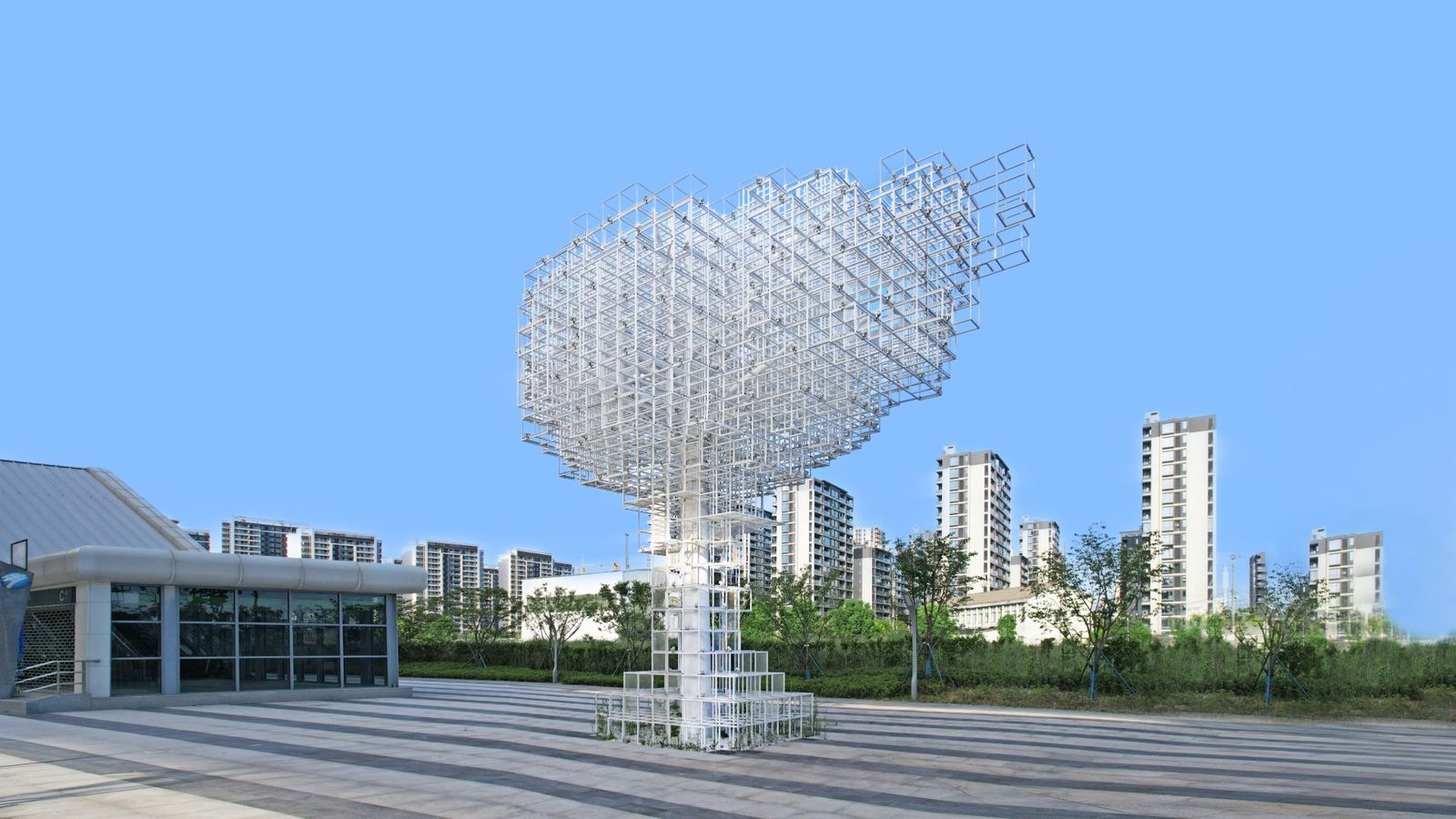
Public Art Projects: A Complete Guide to Planning, Design, Budgeting, Fabrication, and Installation
Public art projects transform shared spaces into places with stronger visual identity, cultural meaning, and community value. From large sculptures in city plazas to interactive installations in commercial developments, these projects can create landmarks, improve the visitor experience, and establish a connection between architecture, landscape, and local identity. However, delivering a successful project requires much more than choosing an attractive artwork. Site conditions, artistic objectives, budgets, materials, structural safety, fabrication, transportation, and installation all need to be considered.
For developers, municipalities, architects, landscape designers, and project owners, the challenge is coordinating creative decisions with practical construction requirements. An artwork may look impressive in a concept rendering but still require significant adjustments to meet engineering standards, fit the available site, or remain within the approved budget. A structured project process helps identify these issues early and reduces the risk of delays or costly changes.
This guide explains how public art projects are planned and delivered, covering project types, site selection, design development, material choices, procurement, sculpture fabrication, installation, and long-term maintenance. It also outlines the questions project owners should address when working with artists, consultants, manufacturers, and construction teams.
1. What Are Public Art Projects?
Public art projects are planned commissions or installations that introduce artistic work into public spaces or environments accessible to a wider audience. They may be funded by municipal authorities, property developers, cultural organizations, educational institutions, businesses, or private project owners. Their purpose can range from celebrating local history and strengthening community identity to creating a recognizable landmark or improving the experience of a commercial environment.
Public art does not have to be located on publicly owned land. Sculptures and installations in shopping centers, hotels, office campuses, residential developments, and privately owned plazas may also serve a public-facing role. What distinguishes these projects is their relationship with the surrounding environment and the people who experience the artwork.
1.1 Common Types of Public Art Projects
Public art projects can take many forms depending on the site's function, available space, artistic objectives, and budget. Permanent sculptures are common in parks, plazas, civic spaces, and commercial developments. These may be freestanding metal sculptures, bronze figures, abstract forms, architectural artworks, or large-scale landmark structures.
Other projects include murals, mosaics, integrated architectural artworks, interactive installations, temporary exhibitions, light-based artworks, and community-created pieces. Some commissions combine several forms, such as a sculptural centerpiece with integrated lighting and landscape elements. The selected format should respond to the site's physical conditions and intended audience rather than being chosen only for visual novelty.
1.2 Permanent, Temporary, and Site-Specific Projects
Permanent public art is designed for long-term display and normally requires greater attention to material durability, structural performance, foundation design, weather exposure, and maintenance. Temporary projects may be created for festivals, exhibitions, seasonal events, or construction-site activation. Their shorter display periods can allow more experimental materials and installation methods, although public safety and environmental responsibilities still apply.
Site-specific artwork is developed in direct response to a particular location. Its scale, shape, material, subject, and orientation may reflect the site's history, architecture, landscape, or movement patterns. Relocating such work to another setting may weaken its original meaning or visual relationship with the environment. This makes early site assessment especially important.
2. Why Public Art Projects Matter in Urban and Commercial Spaces
Public art can contribute to a space in ways that extend beyond decoration. A carefully planned artwork can create a focal point, help visitors understand the identity of a location, and make an otherwise ordinary environment more memorable. Its value depends on how effectively the artwork relates to the site's purpose, surrounding architecture, and daily use.
2.1 Creating Recognizable Landmarks
A distinctive sculpture can become a visual reference point within a city, development, or campus. Its form, height, material, and placement influence how easily people recognize it from different directions. Landmark artworks are often positioned near entrances, major pedestrian routes, open plazas, or prominent landscape features where they can be viewed without obstructing movement.
However, visibility should not be confused with simply making an artwork as large as possible. The surrounding buildings, street scale, viewing distance, and available open space all influence the appropriate dimensions. A sculpture that is too small may disappear within a large plaza, while an oversized structure may overwhelm a more intimate pedestrian environment. Proportion and context are therefore essential design considerations.
2.2 Strengthening Cultural and Community Identity
Public art can communicate local stories, historical events, cultural references, and shared values. A sculpture may interpret an area's industrial heritage, natural environment, architectural character, or community traditions. The strongest projects often establish a clear connection between the artwork and its location without relying on literal representations alone.
Community involvement can help project owners understand which themes are meaningful to local audiences. Depending on the project, this may involve public consultations, workshops, stakeholder interviews, or review meetings. Participation should be planned early enough to influence the brief and design direction rather than being treated as a final approval exercise after major decisions have already been made.
2.3 Improving Commercial and Visitor Environments
In commercial developments, public art can help create a more distinctive visitor experience. A sculpture in a hotel entrance, shopping plaza, office campus, or mixed-use development can provide a visual centerpiece and reinforce the overall design concept. It may also help establish a recognizable identity across different areas of a property.
Commercial artwork should still be evaluated in relation to circulation, visibility, maintenance, and the needs of different users. A sculpture placed near a main entrance should not interfere with deliveries, emergency access, or accessible routes. Lighting, reflective surfaces, and interactive features should be considered in relation to operating hours and surrounding activities.
3. How to Plan a Successful Public Art Project
Planning should begin with a clear understanding of the project objectives and site requirements. The project owner needs to determine what the artwork should achieve, who will use the space, and what practical limitations may affect design and delivery. These decisions provide the basis for the project brief, budget, schedule, and procurement strategy.
3.1 Define the Artistic and Functional Objectives
The project brief should explain the purpose of the artwork and its expected relationship with the environment. Objectives may include creating a landmark, interpreting local history, supporting a landscape concept, improving a visitor arrival experience, or establishing a visual connection between different parts of a development.
Functional requirements should be documented alongside artistic goals. The project team may need to define approximate dimensions, viewing distances, interaction expectations, accessibility requirements, lighting conditions, and restrictions on the use of the surrounding space. These details help artists develop concepts that respond to the actual site instead of relying on generic sculpture proposals.
3.2 Conduct a Detailed Site Assessment
A site assessment should cover more than the location's visual appearance. The team should review site dimensions, ground levels, existing structures, pedestrian movement, vehicle access, underground utilities, drainage, lighting, and nearby landscape elements. For projects within existing developments, architectural and civil drawings can help identify restrictions that may not be visible during a site visit.
Outdoor artworks also need to respond to local environmental conditions. Wind exposure, rainfall, temperature changes, humidity, pollution, and coastal conditions can influence material selection and structural design. If the artwork will be installed near water, irrigation systems, or landscaped areas, drainage and surface maintenance should be considered during the design stage.
3.3 Identify Stakeholders and Responsibilities
Public art projects often involve several groups with different priorities. The project owner may focus on budget and delivery, the architect may be concerned with spatial integration, the artist may prioritize creative expression, and the engineer may be responsible for structural performance. Contractors and fabricators must also understand how the artwork fits into the construction schedule.
At the beginning of the project, identify who will prepare the brief, review concepts, approve technical drawings, manage procurement, inspect fabrication, coordinate installation, and accept the completed work. A clearly defined responsibility structure reduces conflicting instructions and helps the team resolve questions efficiently.
3.4 Establish a Realistic Project Schedule
The project schedule should account for all major stages, including briefing, artist selection, concept development, design approval, engineering, material procurement, fabrication, finishing, transportation, and installation. Each stage may require input from different stakeholders, so the schedule should include enough time for reviews and revisions.
Public art projects integrated into larger developments must also align with construction milestones. Foundation work may need to be completed before paving or landscaping, while sculpture delivery may depend on crane access or temporary road closures. Coordinating these activities early helps avoid situations where the artwork is ready but the site is not, or where construction work must be reopened to accommodate late design changes.
4. Selecting Artists and Design Partners for Public Art Projects
The artist or design partner has a major influence on the creative direction and technical development of a project. Selection should therefore consider both the quality of the proposed work and the candidate's ability to deliver it. A portfolio alone may not reveal whether a studio has the resources, experience, or production knowledge required for a particular commission.
4.1 Evaluate Relevant Portfolio Experience
Review previous projects that are comparable in scale, material, environment, and complexity. If the commission involves a large outdoor sculpture, prioritize evidence of completed outdoor works rather than relying only on small indoor objects or concept renderings. Photographs of completed installations can help clients assess proportion, surface quality, detailing, and the relationship between the artwork and its setting.
Clients should also establish what role the candidate played in each example. An artist may have developed the concept while a separate manufacturer handled fabrication and installation. Understanding these responsibilities helps the client determine which capabilities are available within the proposed project team.
4.2 Assess Creative Direction and Site Relevance
A strong proposal should respond to the site's identity and intended use. The design may interpret local culture, complement the architecture, create a visual contrast, or introduce a new focal point. The relationship should be deliberate and understandable, even when the artwork is abstract.
During concept review, consider how the artwork will appear from different viewing angles and distances. Evaluate its relationship with surrounding buildings, planting, circulation routes, and natural light. If the project includes several artworks, the team should also consider how they work together as a coordinated collection rather than as unrelated individual objects.
4.3 Confirm Production and Coordination Capabilities
For commissions involving custom sculpture, production capability is an important selection factor. The artist or studio should be able to explain the intended materials, fabrication methods, finishing processes, structural coordination, and installation approach. If specialist manufacturers or contractors will be involved, their roles should be identified before the project moves into detailed design.
It is useful to ask how the team handles technical drawings, design revisions, quality inspections, and delivery milestones. Projects involving complex metalwork, large components, or international transportation may require more detailed coordination than smaller commissions. The selected partner should demonstrate an understanding of these practical requirements.
5. Choosing Materials for Public Art Projects
Material selection affects the artwork's appearance, fabrication method, weight, durability, cost, and maintenance requirements. The appropriate material depends on the artistic concept, location, environmental exposure, structural design, and expected service life. Material decisions should be made during design development rather than postponed until production quotations are requested.
5.1 Stainless Steel for Contemporary Outdoor Sculptures
Stainless steel is widely used for contemporary sculptures because it can support clean geometric forms, curved surfaces, polished finishes, and a range of fabricated structures. Depending on the selected grade and finish, it can also provide good corrosion resistance for outdoor applications. It is suitable for abstract sculptures, reflective installations, lettering, architectural features, and large custom metal artworks.
The project team should specify the stainless steel grade according to the exposure conditions rather than assuming that all grades perform equally. Surface finish, welding quality, drainage, connection details, and cleaning access also influence long-term performance. Highly reflective surfaces may create strong visual effects, but their appearance can change with surrounding light and may require more frequent cleaning in some environments.
5.2 Bronze for Figurative and Traditional Artwork
Bronze is commonly selected for figurative sculpture, commemorative works, decorative details, and artworks that require complex three-dimensional modeling. Casting allows the artist to develop detailed forms that may be difficult to produce through sheet-metal fabrication. Patination can create different surface colors and tonal variations, giving the sculpture a distinctive appearance.
Bronze projects require careful coordination between modeling, mold preparation, casting, finishing, and assembly. The client should review surface samples and confirm the intended patina because the final appearance can vary with the production process and subsequent environmental exposure. Mounting details and internal supports should also be designed according to the sculpture's size and installation conditions.
5.3 Corten Steel and Other Weathering Materials
Corten steel is often used when the project calls for a warm, weathered appearance that connects with industrial architecture or natural landscapes. Its surface develops a protective oxide layer under suitable conditions, creating a distinctive color and texture. It can be used for sculptural forms, landscape elements, and architectural installations.
Weathering steel is not suitable for every environment. Persistent moisture, poor drainage, unsuitable atmospheric conditions, or contact with certain materials can affect its performance. Rust runoff may also stain adjacent paving, stone, concrete, or other surfaces. These conditions should be reviewed before the material is approved for a specific site.
5.4 Fiberglass and Other Lightweight Materials
Fiberglass can support complex shapes and relatively lightweight structures, making it useful for decorative sculptures, themed installations, and forms that would be difficult or expensive to produce in solid metal. It can be finished in different colors and textures, including coatings that imitate other materials.
Its suitability depends on the required structural performance, fire requirements, UV exposure, impact resistance, and maintenance conditions. The project team should specify the resin system, reinforcement, coating, and connection details according to the intended use. Lightweight construction does not eliminate the need for suitable foundations or secure anchoring, especially for outdoor installations exposed to wind.
6. Design and Engineering Requirements
Design development should turn the artistic concept into a proposal that can be reviewed, engineered, fabricated, and installed. The level of technical detail depends on the artwork's complexity, but permanent public installations generally require more than a visual rendering. Drawings, specifications, structural information, and installation details should be developed before production approval.
6.1 Scale, Proportion, and Visual Impact
The scale of an artwork should be evaluated in relation to the surrounding space and its intended viewing experience. A large sculpture in an open plaza may need a strong silhouette that remains recognizable from a distance. An artwork in a narrow courtyard may benefit from a more restrained form that encourages close observation without making the space feel crowded.
Design reviews should consider the sculpture from multiple viewpoints, including pedestrian approaches, building entrances, upper-level windows, and nearby roads where relevant. Physical mock-ups, digital models, and full-scale samples can help stakeholders understand proportions that may be difficult to judge from a single rendering.
6.2 Structural Design and Foundation Requirements
Structural design is particularly important for tall, heavy, suspended, or irregularly shaped artworks. The design may need to account for wind loads, self-weight, connections, vibration, public interaction, and the capacity of the supporting ground or building structure. Depending on the form, the artwork may require an internal framework, reinforced base, anchor bolts, or a dedicated concrete foundation.
Structural calculations should be prepared or reviewed by qualified engineers familiar with the applicable local requirements. The engineering process should also consider how the sculpture will be lifted and installed. Lifting points, temporary supports, sectional joints, and final connections should be coordinated with the fabricator and installation contractor.
6.3 Lighting, Electrical Systems, and Interactive Features
Some public art projects incorporate lighting, sensors, movement, sound, or interactive components. These features can extend the artwork's visual impact and create different experiences during daytime and nighttime. However, they also introduce additional requirements for electrical design, weather protection, controls, maintenance access, and replacement components.
Lighting should be coordinated with the surrounding environment and should avoid unnecessary glare or visual disturbance. Electrical equipment intended for outdoor use needs appropriate protection for the installation conditions. Interactive features should be evaluated for durability, accessibility, and foreseeable public use before the design is finalized.
7. Budgeting and Procurement for Public Art Projects
Budget planning should account for the full cost of the project rather than focusing only on the artist's fee or manufacturing quotation. Public art can involve several separate suppliers and construction activities, and the project owner needs a clear understanding of which costs are included in each contract. A detailed budget also provides a reference for evaluating design changes and additional work.
7.1 Main Cost Components
Typical cost categories include research, concept development, artist fees, design documentation, engineering, material procurement, fabrication, surface finishing, packaging, transportation, foundations, lifting equipment, installation labor, lighting, permits, insurance, and maintenance. Not every project requires all these items, but each should be considered during the initial estimate.
For custom sculptures, dimensions and materials can have a significant effect on manufacturing costs. Complex curves, thick metal sections, internal structures, specialized casting, detailed surface work, and multi-part assembly may require additional labor and equipment. The project team should compare costs against a consistent set of drawings and specifications to avoid misleading quotations.
7.2 Procurement Methods
Public art can be procured through open competitions, invited proposals, direct commissions, design-and-build arrangements, or negotiated contracts. The appropriate method depends on the client's procurement rules, project objectives, budget, and desired level of creative control. Open competitions may provide a broad range of ideas, while invited proposals can be more efficient when the project requires highly specialized experience.
Procurement documents should define the scope, deliverables, selection criteria, schedule, payment milestones, intellectual property arrangements, insurance requirements, and technical responsibilities. For projects involving separate design and fabrication contracts, the client should clarify how design intent will be maintained during production and who is responsible for approving technical modifications.
7.3 Managing Contingency and Design Changes
Custom artwork may require changes after technical reviews, material testing, or site coordination. A project budget should include an appropriate contingency for uncertainties such as foundation conditions, material availability, transport restrictions, and installation adjustments. The contingency should be managed transparently rather than treated as an unrestricted allowance.
All significant changes should be documented with an explanation of their impact on cost, schedule, appearance, and technical performance. The client should approve variations before the additional work proceeds. This process helps preserve budget control while allowing the project team to respond to legitimate technical or site-related issues.
8. Sculpture Fabrication and Quality Control
Fabrication is where the approved concept becomes a physical artwork. The process depends on the selected material and design, but may involve cutting, forming, welding, casting, machining, grinding, polishing, coating, assembly, and surface treatment. Consistent quality control is essential because defects in dimensions, connections, or finishes can affect both appearance and performance.
8.1 Preparing Production Drawings and Specifications
Before manufacturing begins, the fabricator should receive approved drawings and clearly defined specifications. These documents may include overall dimensions, material grades, thicknesses, component layouts, tolerances, connection details, surface finishes, and assembly requirements. Complex forms may also require three-dimensional models or templates to guide production.
Production documentation should reflect the final approved design rather than an earlier concept version. If revisions are necessary, the project team should issue updated drawings and confirm that the fabricator is working from the correct revision. This is particularly important when several components are produced by different suppliers or at different locations.
8.2 Manufacturing Methods and Assembly
Metal sculptures may be produced through plate cutting, rolling, bending, welding, machining, casting, or a combination of methods. The choice depends on the geometry, material, thickness, required surface quality, structural system, and available production resources. Some large artworks are fabricated in separate sections to make workshop handling, transportation, and on-site assembly more manageable.
Trial assembly can be valuable for complex sculptures because it helps verify component fit, alignment, connection details, and overall proportions before shipment. The team should also confirm whether joints will be welded, bolted, concealed, or finished after installation. These decisions influence both manufacturing quality and the appearance of the completed work.
8.3 Inspecting Surface Quality and Finish
Surface quality should be evaluated against the approved finish requirements. Stainless steel may require a consistent brushed or polished appearance, while bronze may need a specific patina and protective treatment. Painted or coated sculptures should be checked for surface preparation, coating coverage, adhesion, and consistency.
Inspection criteria should be established before production so that the fabricator and client share the same expectations. Depending on the project, inspections may include material verification, dimensional checks, weld review, surface examination, sample approval, and final assembly checks. Photographic records and inspection reports help document the manufacturing process and provide a reference for project acceptance.
9. Transportation and Installation of Public Art Projects
Transportation and installation should be considered during design development because they can influence the size, weight, and construction of the artwork. A sculpture that is easy to fabricate as one large object may be difficult to move through roads, building entrances, or restricted site access points. Dividing the work into sections can simplify logistics but introduces additional connection and assembly requirements.
9.1 Packaging and Transportation Planning
Packaging should protect the artwork from impact, abrasion, moisture, and movement during handling. Delicate polished surfaces, painted finishes, patinated bronze, and protruding components may require specialized protective materials and carefully designed support frames. The packaging method should also allow safe lifting and unloading without placing unnecessary stress on the sculpture.
Transportation planning should consider overall dimensions, weight, vehicle restrictions, route conditions, loading equipment, delivery timing, and storage arrangements. International projects may also require export documentation, customs procedures, and coordination with freight forwarders. These requirements should be clarified well before the planned shipment date.
9.2 Preparing Foundations and Installation Areas
Before delivery, the site team should confirm that foundations, anchor systems, access routes, and lifting areas are ready. Foundation dimensions and anchor positions should be checked against the approved drawings. Any differences between the actual site conditions and the design documents should be resolved before the sculpture arrives.
The installation area may need temporary barriers, traffic management, crane access, and coordination with nearby construction or public activities. For projects in active commercial or public spaces, the installation schedule should minimize disruption and provide adequate protection for visitors and surrounding property.
9.3 Final Installation and Handover
Installation may involve lifting, positioning, leveling, bolting, welding, grouting, electrical connections, and final finishing. The sequence should be based on the approved installation method and carried out by appropriately qualified personnel. Temporary supports should remain in place until the permanent connections have been completed and checked.
At handover, the client should receive relevant documentation, which may include approved drawings, material information, structural records, inspection reports, maintenance instructions, warranties, and details of electrical or mechanical components. A final inspection should record the artwork's condition and identify any outstanding work that needs to be completed.
10. Maintenance and Long-Term Management
Permanent public art should be planned with long-term ownership in mind. Environmental exposure, cleaning, accidental damage, vandalism, and the natural aging of materials can all affect the artwork over time. A maintenance plan helps the owner protect the original design intent and manage future costs.
10.1 Establish a Maintenance Schedule
The maintenance schedule should reflect the material, finish, location, and exposure conditions. Outdoor metal sculptures may require periodic cleaning and inspection of joints, coatings, drainage points, and anchor areas. Lighting systems and interactive components may need separate inspection schedules and replacement plans.
Maintenance instructions should explain which cleaning methods and products are suitable for the selected materials. Abrasive cleaning methods or unsuitable chemicals may damage polished metal, coatings, or patinated surfaces. Where specialist treatment is required, the owner should identify a qualified maintenance provider rather than relying on general cleaning contractors.
10.2 Document Condition and Repair Requirements
Condition records provide a baseline for future inspections. Photographs taken at handover can help the owner identify changes in surface appearance, corrosion, cracking, movement, or damage. For large or structurally significant artworks, inspection records may also include checks of accessible connections and supporting structures.
If repairs become necessary, the owner should review the original drawings, material specifications, and finish information before arranging work. Unplanned modifications may affect the artwork's appearance or structural performance. Keeping complete project documentation makes future repair and conservation work more manageable.
11. Common Mistakes to Avoid in Public Art Projects
Many project problems can be prevented by coordinating creative and technical decisions from the beginning. The following mistakes frequently create unnecessary cost, delays, or compromises in the completed artwork.
11.1 Choosing Artwork Without Understanding the Site
Selecting a sculpture before reviewing site dimensions, circulation, foundations, environmental exposure, and access can result in a design that does not fit the intended location. A visually strong concept may become impractical when the project team discovers that the ground cannot support the proposed structure or that delivery equipment cannot reach the installation area.
Site assessment should therefore be completed before major design commitments are made. Artists and designers should receive accurate site information and have opportunities to discuss physical constraints with the project team.
11.2 Treating Concept Renderings as Complete Technical Designs
Concept renderings communicate artistic intent, but they do not necessarily provide enough information for engineering or manufacturing. They may not show internal structures, connection details, material thicknesses, tolerances, or lifting requirements. Approving a rendering without a technical development stage can create unrealistic expectations about cost and delivery.
The project should establish separate review milestones for concept approval, detailed design approval, engineering approval, and production release. Each milestone should have defined documents and responsible reviewers.
11.3 Underestimating Logistics and Installation Costs
Large sculptures can require specialist packaging, oversized transportation, cranes, traffic management, temporary structures, and experienced installation teams. If these costs are not included in the initial budget, the project may face significant additional expenses near completion.
Transport and installation feasibility should be reviewed while the artwork is still being designed. The team should understand the maximum transport dimensions, available access routes, lifting capacity, and site restrictions before confirming the final construction method.
11.4 Ignoring Long-Term Maintenance
A material or finish that looks attractive at installation may create higher maintenance requirements than the owner can reasonably support. Difficult-to-access surfaces, exposed electrical components, unsuitable drainage, and fragile finishes can increase the cost of long-term care.
Maintenance requirements should be evaluated alongside appearance and initial manufacturing cost. A practical maintenance plan helps the owner make informed decisions about materials, detailing, inspection frequency, and future repair responsibilities.
12. Working with a Custom Sculpture Manufacturer
Many public art projects require a specialist manufacturer to turn an approved design into a durable physical structure. The manufacturer may be responsible for material procurement, component fabrication, assembly, surface finishing, packaging, and production documentation. The level of involvement depends on the contract and whether design, engineering, and installation are managed by separate partners.
12.1 When to Involve the Manufacturer
For custom or large-scale sculptures, it is often beneficial to involve the manufacturer during design development. Early production feedback can help identify whether the proposed geometry is suitable for the selected material and fabrication process. It can also reveal potential issues involving sectional construction, welding access, surface finishing, transportation, and assembly.
This collaboration is particularly useful when the artwork includes complex metal forms, large structural components, or unusual finishes. It allows the design team to consider practical manufacturing requirements while there is still flexibility to adjust the details. The objective is to preserve the artistic concept while developing a reliable production solution.
12.2 Information to Prepare Before Requesting a Quotation
To obtain a meaningful quotation, clients should provide as much project information as possible. Useful documents include concept renderings, overall dimensions, material preferences, technical drawings, surface finish references, installation location, expected delivery date, and any known structural requirements.
If some details are not yet finalized, identify them clearly as provisional. The manufacturer can then explain which assumptions have been used in the estimate and which items require further review. This makes it easier to compare proposals and reduces the likelihood of unexpected changes after production begins.
12.3 Yifeng's Approach to Custom Sculpture Projects
Yifeng Sculpture works with clients and project stakeholders on custom sculpture production for architectural, commercial, and public environments. Each commission has its own design and technical requirements, so material selection, fabrication methods, dimensions, surface treatment, and installation considerations need to be reviewed in relation to the intended application.
Clients can explore our sculpture services and project examples to understand different approaches to custom artwork production. For new public art projects, we recommend preparing concept images, approximate dimensions, preferred materials, site information, and delivery expectations before discussing manufacturing options. These details help establish a clearer basis for evaluating feasibility, production scope, and project requirements.
Conclusion
Successful public art projects bring together artistic vision, site planning, technical design, procurement, fabrication, installation, and long-term maintenance. Each stage affects the next, so decisions should be coordinated rather than made independently. A clear brief, accurate site information, realistic budget, suitable artist or studio, and early technical review provide a strong foundation for project delivery.
For project owners, developers, architects, and municipalities, involving experienced creative and production partners early can help turn an ambitious concept into an artwork that is practical to manufacture, install, and maintain. If you are developing a public art commission or sourcing a manufacturer for a custom sculpture, share your concept drawings, reference images, dimensions, material preferences, and installation requirements with Yifeng Sculpture. We can review the production considerations and discuss a suitable approach for bringing your project into reality.
Frequently Asked Questions About Public Art Projects
Q1. What are the main stages of public art projects?
Most public art projects move through several stages: project briefing, site assessment, artist selection, concept development, design approval, engineering, budgeting, fabrication, transportation, installation, and handover. Permanent artworks also require a maintenance plan. The exact sequence may vary depending on the procurement method, project complexity, and local approval requirements.
Q2. How long do public art projects take to complete?
The timeline depends on the artwork's size, complexity, material, approval process, and installation conditions. A relatively simple sculpture may require a shorter design and production period, while a large landmark artwork may involve extended concept development, engineering, material procurement, fabrication, and logistics. Clients should establish the required completion date early and allow sufficient time for design reviews and site preparation.
Q3. What materials are commonly used in public art projects?
Common materials include stainless steel, bronze, corten steel, aluminum, fiberglass, stone, concrete, glass, and wood. Each has different characteristics in terms of appearance, weight, durability, fabrication methods, environmental performance, and maintenance. The appropriate choice depends on the artistic concept, installation location, structural requirements, budget, and expected service life.
Q4. How much do public art projects cost?
The cost of public art projects varies according to artwork size, design complexity, materials, fabrication methods, engineering, transportation, installation, and maintenance requirements. A complete project budget should include more than the artist's fee or manufacturing cost. Clients should request itemized estimates and confirm which services, materials, and installation activities are included in each quotation.
Q5. How do I find a manufacturer for public art projects?
Start by identifying manufacturers with experience in the artwork's materials, dimensions, and fabrication requirements. Review completed projects, production capabilities, surface quality, technical documentation, inspection procedures, and delivery experience. Provide concept drawings, dimensions, material preferences, and installation information when requesting quotations so that manufacturers can evaluate the scope and prepare more comparable proposals.
.png?imageMogr2/format/webp)

