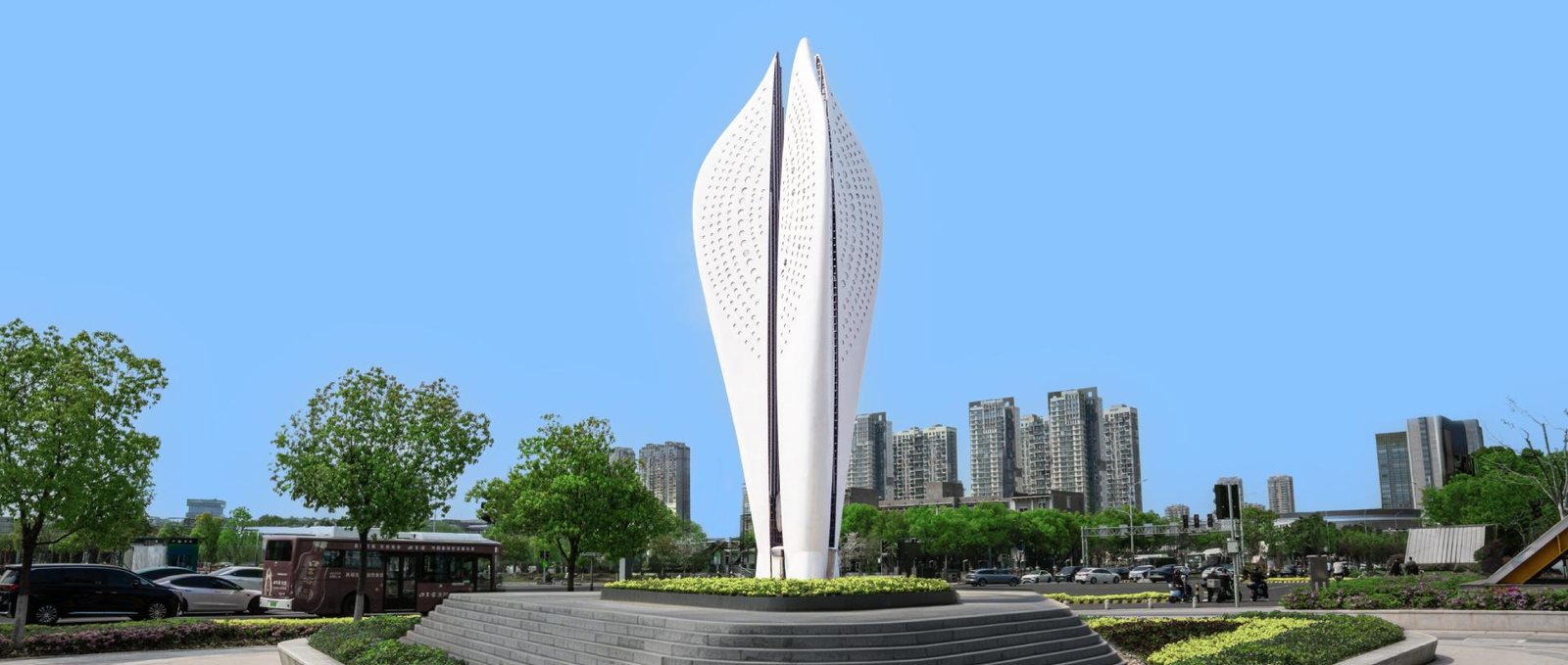
Public Art Sculpture: A Complete Guide to Design, Materials, Fabrication, and Public Space Integration
Public art sculpture plays an important role in shaping the identity and experience of shared spaces. Installed in parks, plazas, streets, cultural districts, commercial developments, and institutional campuses, these artworks can express local history, represent community values, create visual landmarks, and encourage interaction between people and their surroundings. Unlike sculptures created primarily for private collections or indoor display, public art sculptures must respond to the physical, social, and environmental conditions of accessible spaces.
For property developers, urban planners, architects, landscape designers, public art consultants, and project owners, commissioning a public art sculpture involves more than choosing an attractive design. The project requires coordination between artistic concepts, site conditions, material performance, structural engineering, fabrication, transportation, installation, and long-term maintenance. This guide explains how to plan and develop a public art sculpture project, evaluate materials and manufacturing methods, and select a suitable sculpture manufacturer.
1. What Is a Public Art Sculpture?
A public art sculpture is a three-dimensional artwork created for installation in a publicly accessible or shared environment. It may be commissioned by a government authority, property developer, cultural institution, commercial organization, educational institution, or private project owner. The artwork is generally designed to interact with its surroundings and contribute to the identity or experience of a particular place.
Public art sculptures vary considerably in size, style, material, and purpose. Some are realistic statues that commemorate historical figures or events. Others are abstract structures that create visual interest in urban plazas, parks, or architectural environments. Certain projects are designed for direct public interaction, while others are intended to be viewed from a distance as landmarks or visual focal points.
1.1 The Role of Public Art Sculpture in Urban Environments
Public art sculpture can help distinguish one urban space from another. A recognizable artwork may become a visual reference point for residents and visitors, making a plaza, park, waterfront, or commercial district easier to identify. It can also strengthen the relationship between architecture, landscape, and local identity.
In urban development projects, sculpture is often integrated into the overall design strategy rather than treated as an isolated decorative object. Its scale, materials, colors, and positioning can complement surrounding buildings, paving, planting, lighting, and circulation routes. When planned early, the artwork can become part of the spatial composition and contribute to a more coherent environment.
1.2 Public Art Sculpture and Traditional Decorative Sculpture
Traditional decorative sculpture is often selected primarily for its appearance and may be designed for a controlled indoor or private setting. Public art sculpture has broader considerations because it occupies a shared environment and may be exposed to continuous public access, weather, physical contact, and changing site conditions.
A public artwork therefore needs to balance artistic intention with practical requirements. Structural stability, material durability, accessibility, safety, maintenance, and installation logistics should all be considered alongside visual quality. These factors influence the design and manufacturing process from the beginning.
2. Common Types of Public Art Sculpture
Public art sculpture can take many forms depending on the project's purpose, location, cultural context, and design direction. Understanding the main categories helps project owners identify the type of artwork that best supports the intended environment.
The categories below are not mutually exclusive. A single installation may combine figurative sculpture, abstract forms, architectural elements, and interactive features to create a more complex public artwork.
2.1 Figurative Public Art Sculpture
Figurative public art sculpture represents recognizable subjects such as people, animals, historical figures, or cultural symbols. These works are often used for memorials, civic spaces, educational institutions, heritage sites, and cultural destinations.
The design may emphasize realistic proportions and recognizable details or use a more stylized interpretation. For commissioned projects, the subject, posture, clothing, facial expression, and surrounding context should be reviewed carefully. Historical and cultural references may also require consultation with relevant stakeholders before the design is finalized.
2.2 Abstract Public Art Sculpture
Abstract public art sculpture uses geometry, organic shapes, lines, volumes, and surface treatments to create visual experiences without necessarily depicting recognizable objects. It may communicate ideas such as movement, connection, growth, balance, or transformation.
Abstract sculptures are frequently selected for contemporary plazas, corporate campuses, transportation areas, commercial developments, and landscaped public spaces. Their forms can create strong visual identities while allowing viewers to interpret the artwork in different ways. The design should consider how the sculpture appears from multiple directions and how its negative spaces interact with the surrounding environment.
2.3 Monumental Public Art Sculpture
Monumental public art sculptures are large-scale works intended to establish a strong visual presence. They may be installed in major plazas, city entrances, waterfront developments, cultural districts, parks, and institutional grounds.
Large sculptures require close coordination between artistic design and engineering. Their dimensions, component weights, wind exposure, foundation requirements, lifting points, and transportation limits can influence the manufacturing strategy. Modular fabrication may be necessary when a complete sculpture cannot be transported or installed as one unit.
2.4 Interactive Public Art Sculpture
Interactive public art sculpture is designed to encourage participation or direct engagement. Visitors may walk through, touch, sit near, move around, or otherwise experience the artwork as part of the surrounding space. Some installations incorporate lighting, sound, sensors, or digital elements.
Interaction changes the technical requirements of the project. Designers need to consider expected visitor behavior, accessible circulation, contact surfaces, potential misuse, electrical protection, and maintenance access. If people are expected to touch or physically engage with the sculpture, material selection and structural design should reflect that use.
2.5 Site-Specific Public Art Sculpture
Site-specific sculpture is developed in response to the characteristics of a particular location. Its concept may reference local history, landscape features, architecture, community identity, or the site's intended function.
Because the artwork is closely connected to its setting, relocating it may change its meaning or visual effect. Site-specific design requires accurate site information, stakeholder consultation, and early coordination with the architectural or landscape design team.
3. Planning a Public Art Sculpture Project
Project planning establishes the artistic objectives, scope, budget, schedule, and technical responsibilities. It also helps determine whether the proposed sculpture is appropriate for the intended location and whether the project can be delivered within the available resources.
For larger commissions, planning should involve the project owner, artist or design team, architect, landscape designer, structural engineer, manufacturer, and installation contractor. Bringing these participants together early can reduce design conflicts and avoid costly changes during production.
3.1 Define the Purpose and Project Objectives
The first step is to clarify why the sculpture is being commissioned. It may serve as a landmark, commemorate a person or event, represent a community, strengthen a development's identity, improve a public landscape, or create an interactive visitor experience.
The purpose influences nearly every design decision. A memorial sculpture may require a formal visual language and durable materials, while an interactive artwork in a family-oriented public space may need accessible forms and carefully considered contact surfaces. A landmark sculpture may prioritize visibility from a distance and a recognizable silhouette.
A project brief should describe the intended message, audience, location, artistic direction, approximate dimensions, expected lifespan, and functional requirements. Reference images, sketches, and site plans can help communicate the design expectations to potential manufacturers.
3.2 Identify Stakeholders and Approval Requirements
Public art projects often involve several organizations and decision-makers. Depending on the project, stakeholders may include municipal authorities, property owners, cultural organizations, community representatives, architects, engineers, landscape designers, procurement teams, and facility managers.
Each stakeholder may have different priorities. The design team may focus on artistic quality, the engineering team may evaluate structural performance, and the project owner may be concerned with budget and schedule. A defined approval process helps ensure that important decisions are reviewed by the appropriate people.
Where the sculpture is installed on public land or within a regulated development, the project team should identify applicable permits, public consultation procedures, planning requirements, and safety reviews before production begins.
3.3 Establish the Budget and Project Schedule
The budget should cover the complete project rather than only the sculpture's fabrication price. Depending on the scope, costs may include concept development, 3D modeling, engineering, material procurement, casting or metal fabrication, surface finishing, foundations, packaging, transportation, lifting equipment, installation labor, and maintenance planning.
The schedule should include design approval, technical review, material confirmation, fabrication, inspection, shipping, site preparation, installation, and final acceptance. If the artwork is part of a larger construction project, its milestones should be coordinated with the overall development schedule.
4. Selecting the Right Location for Public Art Sculpture
Location affects how people see, approach, and interact with a public art sculpture. A design that works well in an open plaza may not be suitable for a narrow pedestrian street or a landscaped courtyard. The site should therefore be evaluated before the artwork's dimensions and final form are confirmed.
Site assessment should cover physical measurements, viewing conditions, pedestrian movement, environmental exposure, structural support, and installation access. These details help the design team develop an artwork that is visually appropriate and technically achievable.
4.1 Evaluate Visibility and Viewing Distance
The sculpture's visibility depends on its size, position, surrounding buildings, vegetation, lighting, and pedestrian approach routes. A landmark artwork may need to be visible from major roads or public gathering areas, while a smaller sculpture may be intended for close viewing within a garden or courtyard.
Designers should evaluate the artwork from several viewpoints rather than relying on a single front-facing perspective. Its silhouette, proportions, and visual relationship with nearby structures may change significantly as people move around the site. Site photographs, digital renderings, and physical models can help assess these conditions.
4.2 Review Pedestrian Circulation and Public Access
The sculpture should be positioned without unnecessarily obstructing pedestrian routes, accessible paths, emergency access, or essential site functions. The surrounding space should allow visitors to approach and view the artwork safely.
If the sculpture is intended to be interactive, the design should provide enough space for visitors to gather without creating congestion. The project team should also consider maintenance access and the movement of service vehicles or installation equipment.
4.3 Assess Environmental Exposure
Outdoor public art sculptures may be exposed to sunlight, rain, humidity, temperature fluctuations, wind, pollution, and airborne contaminants. Coastal sites can introduce additional corrosion risks because of salt exposure, while urban locations may experience pollution deposits and frequent surface contact.
These conditions influence material grade, coating systems, drainage details, connection design, and maintenance requirements. Material specifications should be based on the actual site environment rather than a general assumption that a particular material is suitable for every outdoor application.
4.4 Confirm Installation Access and Site Constraints
Installation access can influence the sculpture's maximum component dimensions and the fabrication strategy. Narrow entrances, overhead restrictions, underground utilities, limited crane positions, and restricted delivery hours may affect how the artwork is transported and assembled.
For large sculptures, the installation team should review access routes and lifting conditions before production drawings are finalized. If the sculpture needs to be divided into sections, the connection details and assembly sequence should be included in the manufacturing plan.
5. Materials Used in Public Art Sculpture
Material selection affects appearance, structural performance, fabrication complexity, weight, durability, and maintenance. The best choice depends on the artwork's concept, dimensions, installation environment, budget, and expected lifespan.
Different materials can also create different relationships with the surrounding architecture and landscape. A reflective metal surface may emphasize movement and changing light, while stone or concrete can create a more solid and grounded visual presence.
5.1 Stainless Steel Public Art Sculpture
Stainless steel is widely used for contemporary public art sculpture because it offers strength, a clean appearance, and several surface finish options. Polished stainless steel can reflect the surrounding landscape and architecture, while brushed or satin finishes create a more restrained visual effect.
It is suitable for abstract sculptures, architectural installations, entrance features, and large outdoor artworks. Material grade should be selected according to the exposure conditions. Projects in coastal or industrial environments may require more careful evaluation of corrosion resistance, surface treatment, and maintenance.
For large stainless steel sculptures, fabrication may involve cutting, bending, rolling, welding, grinding, polishing, and modular assembly. Surface consistency and weld finishing are particularly important when the artwork is viewed from multiple directions.
5.2 Bronze Public Art Sculpture
Bronze is commonly used for figurative sculptures, memorials, historical statues, and traditional public artworks. Its casting properties allow manufacturers to reproduce detailed forms, including facial features, clothing, animal anatomy, and ornamental textures.
Bronze can be finished with different patinas, including brown, dark, green, and other customized tones. Large bronze sculptures may require sectional casting, welding, internal support structures, and engineered foundations. Buyers should review both the casting quality and the final patina sample before approving production.
5.3 Corten Steel Public Art Sculpture
Corten steel is often selected for outdoor sculpture projects that require a weathered industrial appearance. Its surface develops a protective rust-like layer under suitable exposure conditions, creating a distinctive reddish-brown finish.
The design must account for weathering behavior and drainage. Runoff from weathering steel can stain nearby paving, concrete, or other surfaces, so the surrounding materials and installation details should be considered. Corten steel may be suitable for landscape installations, geometric sculptures, and architectural artworks where its natural surface character supports the design concept.
5.4 Fiberglass and Resin Sculpture
Fiberglass and resin-based materials are useful for sculptures with complex shapes, lightweight components, and customized colors. They can support organic forms, oversized decorative objects, themed installations, and designs that would be difficult or costly to produce in metal or stone.
For outdoor applications, the material system should be evaluated for UV exposure, moisture, temperature changes, impact resistance, and coating performance. Large fiberglass sculptures may require internal reinforcement or a supporting frame to maintain their shape and stability.
5.5 Stone and Concrete Sculpture
Stone and concrete provide a substantial visual character and are often used in public parks, memorial areas, plazas, and architectural landscapes. Natural stone offers individual textures and patterns, while cast concrete allows more flexibility in shaping and surface treatment.
These materials can be heavy, making foundation design, lifting, transportation, and site access important considerations. Large pieces may need to be divided into manageable sections or produced near the installation site, depending on the project conditions.
5.6 Mixed-Material Public Art Sculpture
Mixed-material sculpture combines two or more materials to create visual contrast or meet different functional requirements. A project may combine stainless steel with stone, bronze with glass, or metal structures with wood and lighting elements.
Different materials respond differently to temperature, moisture, movement, and environmental exposure. Their connections should be designed to accommodate these differences. The project team should also establish how each material will be cleaned, inspected, and repaired over time.
6. Public Art Sculpture Design and Concept Development
The design process translates the project's purpose and site conditions into a physical artwork. A strong concept should be visually meaningful while remaining compatible with the environment, fabrication methods, and installation requirements.
Design development should involve both artistic and technical review. This does not mean that technical requirements should restrict creativity. Instead, early coordination helps the team identify practical solutions that preserve the artistic intent while making the sculpture achievable.
6.1 Develop a Concept That Responds to the Site
A public art concept may reference local history, cultural traditions, natural landscapes, architecture, community identity, or an abstract theme. The design should explain why the chosen subject or form is appropriate for the location and how it contributes to the intended visitor experience.
For example, a sculpture in a waterfront development may draw inspiration from waves, navigation, or local maritime history. An artwork in a commercial plaza may use a more contemporary form that reinforces the development's architectural identity. The concept should be supported by a clear visual direction rather than relying only on a general theme.
6.2 Evaluate Scale, Proportion, and Composition
Scale determines how the sculpture relates to people, buildings, trees, and other landscape elements. A sculpture that is too small may lose its visual presence in an open plaza, while an oversized structure may overwhelm a compact courtyard or interfere with circulation.
Proportion and composition should be evaluated from multiple viewing angles. Designers should consider the artwork's height, width, depth, visual weight, negative spaces, and relationship with nearby structures. Digital models and scaled mock-ups can help the project team assess the proposed dimensions before fabrication.
6.3 Consider Human Interaction
Public art sculpture is experienced by people with different ages, abilities, and levels of familiarity with the artwork. Some sculptures are intended to be viewed from a distance, while others invite people to walk around, touch, or enter the installation.
The design should make the intended interaction clear. If visitors are expected to approach closely, the sculpture's edges, openings, surfaces, and accessible routes should be reviewed. If physical interaction is not intended, the project may need suitable positioning or protective measures.
6.4 Use 3D Modeling and Site Visualization
Three-dimensional modeling helps designers evaluate complex forms, component proportions, and assembly relationships. It also provides a reference for manufacturing drawings and communication between the design team and the manufacturer.
Site visualization can show how the proposed sculpture fits into its actual environment. By placing the model within site photographs or architectural renderings, the project team can assess scale, sightlines, color relationships, and potential conflicts before production begins.
7. Fabrication and Manufacturing of Public Art Sculpture
Public art sculpture fabrication converts the approved design into a physical artwork. The manufacturing process depends on the material, geometry, size, finish, and construction method. Some sculptures are produced as single pieces, while larger or more complex designs require multiple components and on-site assembly.
Accurate drawings, material specifications, and approval procedures help maintain consistency between the approved concept and the finished sculpture. Production planning should also consider transportation and installation requirements before manufacturing begins.
7.1 Prepare Production Drawings and Technical Details
Production drawings should identify overall dimensions, material specifications, component divisions, connection details, fixing positions, and surface finishes. For large sculptures, the drawings should also show the internal support structure and assembly sequence where applicable.
The project team should review these documents before production. Any changes to dimensions, materials, or connection arrangements should be recorded so that the manufacturer and installation contractor work from the same approved information.
7.2 Select Suitable Fabrication Processes
Metal sculptures may involve cutting, bending, rolling, welding, machining, grinding, and polishing. Bronze sculptures may require modeling, mold making, casting, chasing, welding, and patination. Fiberglass works may involve mold preparation, lamination, reinforcement, trimming, and coating.
The selected processes should match the artwork's geometry and quality requirements. Complex forms may need prototypes or trial assemblies to verify dimensions and construction details before the full production run.
7.3 Manufacture Large Sculptures in Sections
Large public art sculptures are often divided into transportable components. Modular fabrication can make production, packaging, transportation, and installation more manageable, particularly when the artwork exceeds standard shipping dimensions or site access is restricted.
Component divisions should be planned carefully to preserve the visual continuity of the finished sculpture. Joint positions should be coordinated with the artwork's geometry and surface treatment. The manufacturer should also identify lifting points and connection details for each section.
7.4 Complete Surface Finishing and Quality Inspection
Surface finishing is essential to the sculpture's final appearance. Depending on the material, finishing may include polishing, brushing, patination, painting, coating, texturing, or sealing. The approved finish sample should serve as the reference for production inspection.
Quality checks may include dimensions, component alignment, weld quality, surface consistency, coating condition, casting details, and connection fit. For complex projects, workshop photographs or inspection records can help the client review progress before shipment.
8. Engineering and Safety Requirements
Public art sculpture must be designed for its actual installation conditions. Structural requirements depend on the artwork's dimensions, weight, shape, material, support system, and exposure to environmental loads. Public accessibility introduces additional considerations related to contact, circulation, and potential misuse.
Engineering and safety reviews should be integrated into the design and production process. Requirements vary by location and project type, so the relevant professionals should identify the applicable local standards and approval procedures.
8.1 Structural Stability and Foundation Design
Freestanding sculptures require a stable support arrangement that transfers their weight and relevant environmental loads to the ground. Depending on the project, the support system may include a base plate, anchor bolts, embedded steelwork, reinforced concrete, or a more complex foundation.
Foundation design should consider soil conditions, sculpture geometry, wind exposure, and local engineering requirements. The manufacturer should provide accurate base dimensions and connection information so the engineering team can coordinate the foundation with the artwork.
8.2 Wind and Environmental Loads
Wind can be a significant consideration for tall sculptures or artworks with large exposed surfaces. Open forms, curved plates, and irregular structures may respond differently to wind depending on their geometry and orientation.
Structural review should use the relevant site conditions and applicable engineering standards. The design may need adjustments to the support structure, foundation, component thickness, or internal reinforcement to achieve the required stability.
8.3 Public Safety and Accessible Design
The sculpture should not create unnecessary hazards for pedestrians or interfere with accessible routes and emergency access. Designers should review sharp edges, protruding elements, low-clearance areas, climbable structures, and surfaces that may become slippery.
If the artwork is designed for physical interaction, its structure and surface details should reflect the expected use. The project team should also consider whether protective barriers, signage, or other measures are appropriate for the installation environment.
8.4 Electrical and Lighting Integration
Some public art sculptures include integrated lighting, illuminated components, sensors, or interactive systems. These features require coordination between the sculpture manufacturer, electrical contractor, and project engineering team.
Cable routing, power supply, access panels, weather protection, and maintenance requirements should be addressed in the technical drawings. Outdoor electrical components should be selected and installed according to the relevant environmental and electrical requirements.
9. Transportation and Installation of Public Art Sculpture
Transportation and installation are critical stages in public art projects, particularly when the artwork is large, heavy, fragile, or divided into multiple components. A sculpture may be manufactured to the correct specifications but still encounter difficulties if the delivery route, lifting equipment, or site preparation has not been considered.
The installation strategy should be developed during the design and fabrication stages. This allows the manufacturer to prepare suitable packaging, lifting points, connection systems, and assembly instructions before the artwork leaves the workshop.
9.1 Packaging and Transportation Planning
Packaging should protect the sculpture against impact, vibration, moisture, and surface damage during transportation. Different materials require different protection methods. Polished stainless steel, patinated bronze, painted surfaces, glass, and delicate composite finishes may need specialized wrapping or protective supports.
For modular sculptures, components should be labeled according to the assembly sequence. Packing lists, handling instructions, and relevant drawings should accompany the shipment so that the receiving team can identify each part and prepare for installation.
9.2 Prepare the Foundation and Installation Area
Before delivery, the site should be checked against the approved drawings. Foundation dimensions, anchor bolt positions, embedded plates, support conditions, and access routes should be confirmed before the installation team arrives.
The area may also require temporary barriers, pavement protection, traffic management, crane access, and coordination with other contractors. Completing site preparation in advance helps reduce delays and minimizes the risk of damage during installation.
9.3 Lifting, Positioning, and Assembly
Installation methods depend on the sculpture's size, weight, and construction. Smaller works may be positioned with mechanical handling equipment, while monumental sculptures may require cranes, lifting frames, temporary supports, and a staged assembly process.
The installation team should follow the approved lifting and assembly plan. After positioning, the sculpture should be checked for alignment, fixing conditions, stability, surface damage, and connection quality. Any required adjustments should be completed before the installation is accepted.
10. Maintenance of Public Art Sculpture
Long-term maintenance should be considered when the sculpture is designed and specified. Public artworks may remain in place for many years, and their maintenance requirements depend on material selection, surface treatment, environmental exposure, public interaction, and structural design.
Project owners should request maintenance instructions and technical records from the manufacturer at handover. These documents help facility teams understand how to clean the artwork, inspect its condition, and arrange appropriate repairs.
10.1 Establish a Material-Specific Cleaning Plan
Different materials require different cleaning methods. Stainless steel may need regular removal of fingerprints and environmental deposits, while bronze may require careful treatment to preserve its patina. Painted surfaces, fiberglass, stone, and concrete also have their own cleaning considerations.
The cleaning plan should identify suitable products, tools, and procedures. Abrasive materials and aggressive chemicals should be avoided unless they have been approved for the specific finish. Regular cleaning can reduce the accumulation of contaminants that may affect appearance or surface condition.
10.2 Inspect Surface Finishes and Connections
Periodic inspection can identify coating deterioration, corrosion, cracks, loose fasteners, damaged welds, or other visible changes. Outdoor sculptures may need additional attention after severe weather or unusual impact events.
Inspection frequency should reflect the location, material, and project requirements. Any suspected structural problem should be assessed by qualified professionals before the sculpture remains accessible to the public.
10.3 Maintain Documentation and Repair Records
Project owners should retain approved drawings, material specifications, finish samples, installation photographs, inspection reports, and maintenance instructions. These records provide a reference for future repairs and help ensure that replacement components remain compatible with the original artwork.
For complex installations, documentation should also include information about internal support systems, fixing arrangements, electrical components, and access points where applicable.
11. How to Choose a Public Art Sculpture Manufacturer
Selecting a manufacturer is an important decision because the supplier's capabilities can influence the sculpture's appearance, structural quality, delivery schedule, and installation coordination. Not every sculpture workshop has the same experience with large public artworks or complex architectural projects.
Buyers should evaluate the manufacturer's experience with relevant materials, production processes, project scale, quality control, and technical coordination. The best partner is one that understands both the artistic requirements and the practical demands of delivering a public installation.
11.1 Review Relevant Project Experience
Ask to see completed projects that are similar in material, dimensions, artistic style, or application. A manufacturer experienced in stainless steel fabrication may be suitable for a large abstract metal sculpture, while a detailed bronze memorial may require specialist casting capabilities.
Review the quality of finished surfaces, joints, proportions, and component assembly. If possible, examine projects that have been installed outdoors and used for a period of time. Their condition can provide useful information about material selection and finishing quality.
11.2 Confirm Design and Manufacturing Capabilities
Some manufacturers provide fabrication only, while others can support concept development, 3D modeling, technical drawings, material selection, engineering coordination, and installation planning. Buyers should confirm which services are available and which responsibilities remain with the client or other contractors.
It is also important to understand which processes are completed in-house and which are outsourced. Ask how the manufacturer manages material inspection, fabrication tolerances, surface finishing, assembly trials, and final quality checks.
11.3 Evaluate Communication and Project Management
Public art projects often involve multiple approval stages and coordination between different organizations. A manufacturer should be able to communicate production progress, identify technical issues, provide updated drawings, and respond to project changes in a clear and organized way.
Before placing an order, agree on the approval process, revision procedures, delivery milestones, inspection requirements, and responsibilities for installation. Clear communication reduces uncertainty during production and helps keep the project aligned with its schedule.
11.4 Clarify the Full Project Scope
A quotation should clearly identify whether it includes design, modeling, engineering coordination, material procurement, fabrication, finishing, packaging, transportation, foundation information, lifting equipment, and on-site installation. These items should not be assumed to be included unless they are stated in the proposal.
For custom public art and sculpture projects, explore our sculpture design and fabrication services to understand the available project support. You can also review our completed sculpture projects for examples of different materials, forms, and applications. If you are planning a public art sculpture, share your project brief, site drawings, reference images, approximate dimensions, and installation requirements through our contact page so the project scope and manufacturing approach can be discussed.
12. How Much Does a Public Art Sculpture Cost?
The cost of a public art sculpture depends on its size, design complexity, material, fabrication method, surface finish, structural requirements, transportation distance, and installation conditions. A relatively simple sculpture may require limited production and installation work, while a monumental public artwork may involve extensive modeling, engineering, modular fabrication, specialized logistics, and foundation construction.
For this reason, buyers should evaluate the total project cost rather than comparing fabrication prices alone. A detailed quotation should identify the included services and any additional expenses that may arise from site conditions or installation requirements.
12.1 Main Factors That Affect Project Cost
Design costs may include concept development, 3D modeling, technical drawings, engineering coordination, and revisions. Material costs depend on the selected metal, stone, composite, or mixed-material system, as well as the quantity and specifications required.
Manufacturing costs are influenced by the sculpture's geometry, component size, casting or fabrication method, labor requirements, and surface treatment. Installation expenses may include packaging, transportation, cranes, lifting equipment, foundation work, site preparation, and on-site assembly.
12.2 Prepare an Accurate Project Quotation Request
To obtain a useful quotation, provide the manufacturer with the intended installation location, approximate dimensions, reference images, drawings, preferred materials, finish requirements, project schedule, and expected installation scope. If the concept is still under development, explain which details are fixed and which can be discussed with the design team.
Ask suppliers to separate design, fabrication, transportation, and installation costs where appropriate. This makes it easier to compare proposals and identify differences in scope, material specifications, and technical responsibilities.
13. Conclusion: Creating a Successful Public Art Sculpture
A successful public art sculpture brings together artistic expression, site-specific design, suitable materials, reliable fabrication, and careful installation. It should contribute to the identity and experience of a public space while meeting the practical requirements of structural stability, public safety, environmental performance, and long-term maintenance.
For developers, architects, landscape designers, and project owners, early planning is essential. Defining the project's purpose, reviewing the site, coordinating stakeholders, selecting appropriate materials, and confirming technical requirements before fabrication can reduce unnecessary revisions and improve the final result.
At Yifeng Sculpture, we support custom sculpture projects that connect artistic concepts with manufacturing requirements. Whether you are developing a landmark artwork, a memorial installation, an abstract sculpture, or a site-specific public art project, sharing your design references, site information, dimensions, and project objectives is a practical first step toward discussing a suitable design and production approach.
Frequently Asked Questions About Public Art Sculpture
Q1. What is the purpose of a public art sculpture?
A public art sculpture can strengthen the identity of a place, represent local culture, commemorate people or events, create a visual landmark, and improve the experience of shared environments. Its purpose depends on the project objectives, location, audience, and artistic concept.
Q2. What materials are commonly used for public art sculpture?
Common materials include stainless steel, bronze, Corten steel, fiberglass, resin, stone, and concrete. Some projects combine several materials to create different textures or visual effects. The appropriate material depends on the design, installation environment, structural requirements, budget, and maintenance expectations.
Q3. How long does it take to complete a public art sculpture project?
The schedule depends on the design complexity, approval process, sculpture dimensions, material availability, manufacturing method, and installation conditions. Large public artworks may require several months for concept development, engineering coordination, fabrication, transportation, and installation. A project-specific schedule should be prepared after the scope has been reviewed.
Q4. What should be considered when installing a public art sculpture outdoors?
Outdoor installation planning should consider foundation design, structural stability, wind exposure, corrosion risks, drainage, pedestrian circulation, lifting access, and maintenance requirements. The sculpture's materials and support system should be selected according to the actual site conditions and applicable local requirements.
Q5. How do I choose a public art sculpture manufacturer?
Review the manufacturer's experience with similar materials, project sizes, and installation environments. Ask about design support, 3D modeling, fabrication methods, surface finishing, quality inspection, transportation, and installation coordination. Confirm the project scope, material specifications, approval procedures, and delivery responsibilities before production begins.
.png?imageMogr2/format/webp)

