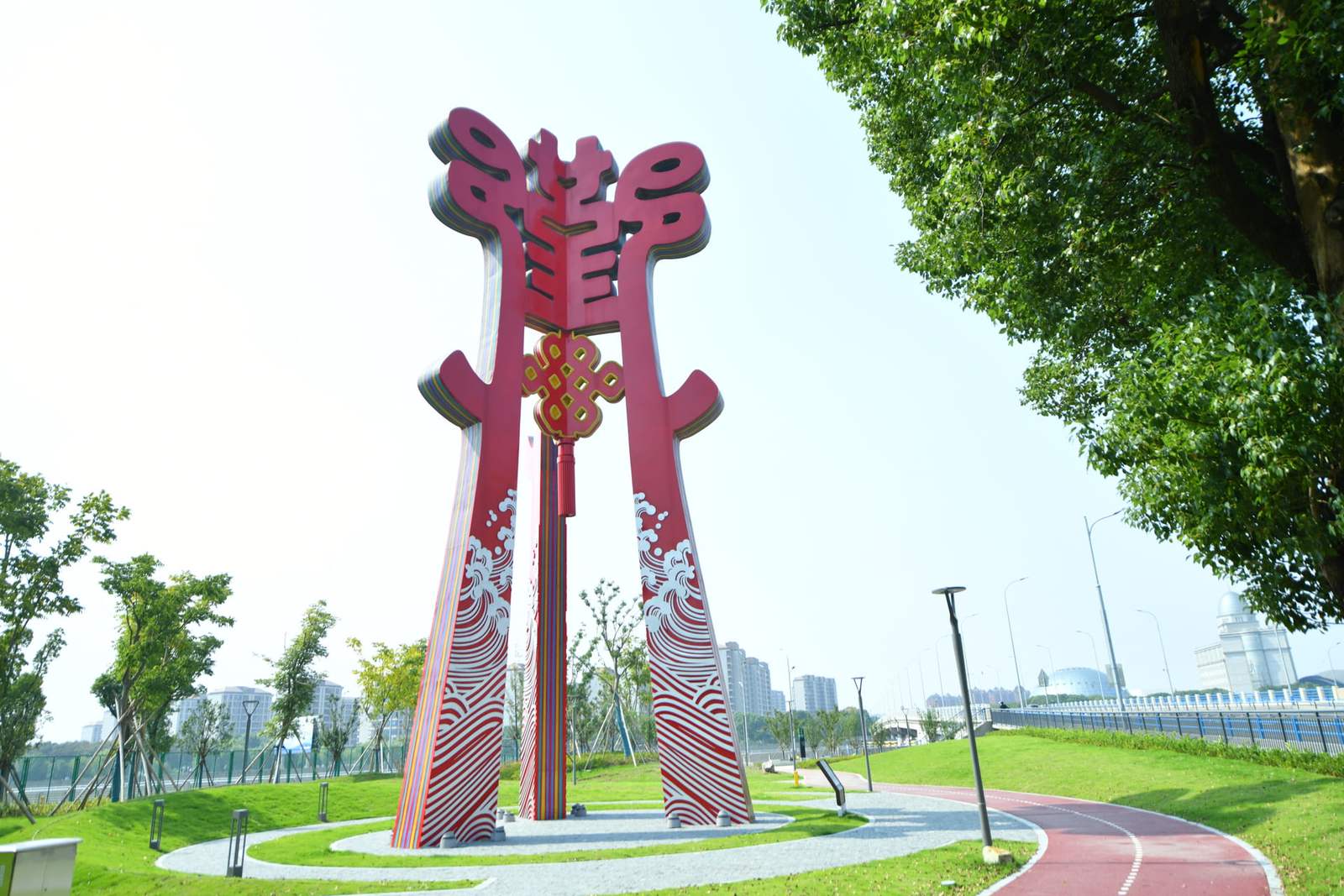
Public Monument: A Complete Guide to Design, Materials, Planning, and Construction
A public monument is more than a sculpture placed in an outdoor space. It is a permanent or long-term landmark that represents historical events, cultural identity, collective memory, or the values of a community. From commemorative statues and memorial structures to contemporary landmark installations, public monuments help define the character of cities, parks, civic squares, and institutional environments. Their design must balance artistic expression with architectural context, structural safety, accessibility, environmental conditions, and long-term maintenance.
For developers, architects, landscape designers, public authorities, and project owners, commissioning a public monument involves decisions that extend far beyond selecting an attractive concept. The project team must establish its purpose, evaluate the site, select suitable materials, coordinate engineering and fabrication, plan transportation and installation, and consider how the finished work will perform over many years. This guide explains the essential stages of public monument development and provides practical considerations for planning and sourcing a successful project.
1. What Is a Public Monument?
A public monument is a commemorative or symbolic structure installed in a space accessible to the public. It may recognize an important person, historical event, cultural tradition, social achievement, institution, or shared community experience. Unlike temporary displays or decorative objects, monuments are generally designed to carry lasting meaning and become part of the physical and cultural identity of a place.
Public monuments can take many forms, including figurative statues, abstract sculptures, architectural structures, relief installations, engraved stone features, and large-scale metal artworks. Some communicate their message through recognizable figures and inscriptions, while others use geometry, material, scale, and spatial relationships to create a more interpretive experience. Their locations may include city squares, government buildings, university campuses, parks, transportation hubs, memorial gardens, and commercial developments.
1.1 Public Monuments and Other Public Art Forms
Public monuments and public art installations often overlap, but they do not always serve the same purpose. A public art installation may focus on visual experience, interaction, placemaking, or contemporary artistic expression. A monument usually has a more specific commemorative or symbolic function. It may be commissioned to preserve a historical narrative, recognize a person or organization, or represent an important milestone in a community's development.
The distinction affects the design process. A commemorative monument may require historical research, consultation with stakeholders, accurate representation, and carefully reviewed inscriptions. A contemporary landmark may allow greater artistic interpretation but still needs to respond to its location, audience, and public responsibilities. Understanding the project's purpose helps the design team determine the appropriate visual language, materials, scale, and level of public participation.
1.2 Common Types of Public Monuments
Public monuments can be classified according to their subject, form, and intended use. Historical monuments commemorate significant events, movements, or periods. Memorial monuments honor individuals, groups, or communities, often providing a place for reflection and remembrance. Civic monuments represent a city's identity, achievements, or shared values, while cultural monuments may celebrate local traditions, heritage, and artistic history.
Contemporary public monuments can also use abstract forms rather than traditional figurative representations. These works may incorporate geometric structures, symbolic shapes, reflective surfaces, or combinations of different materials. Some projects integrate seating, landscape features, lighting, and architectural elements to create a destination that encourages people to gather and interact with the space.
2. How to Define the Purpose and Concept of a Public Monument
Concept development is one of the most important stages of a public monument project because it determines what the finished work should communicate and how people will experience it. Before selecting a sculptural form, the project owner should clarify the reason for commissioning the monument, the intended audience, and the message that needs to remain meaningful over time. A clear brief gives artists, designers, engineers, and fabricators a shared reference point for evaluating proposals.
2.1 Establish the Commemorative or Cultural Objective
The project brief should identify the subject being recognized and explain why a permanent monument is appropriate. For a historical monument, this may involve documenting the event, people, or period being represented. For a civic landmark, the objective may be to express local identity or create a recognizable visual feature. For an institutional project, the monument may communicate organizational history, educational values, or a significant achievement.
Stakeholder consultation is especially important when a monument represents a community or a sensitive historical subject. Project owners may need input from historians, cultural organizations, local authorities, residents, and other relevant groups. Their feedback can help identify inaccurate interpretations, cultural concerns, or design choices that may be misunderstood. Establishing these considerations early reduces the risk of extensive revisions after the design has progressed.
2.2 Select an Appropriate Artistic Direction
The artistic direction should connect the monument's meaning with its physical setting. Figurative sculpture can provide direct recognition when a project commemorates a particular individual or group. Abstract sculpture may be more suitable when the intention is to express an idea, emotion, or collective experience without relying on literal representation. Architectural forms can create a stronger relationship with surrounding buildings and public infrastructure.
Scale, proportion, texture, and material also influence how the concept is perceived. A monumental vertical structure may communicate prominence and visibility, while a lower, more approachable composition can encourage visitors to move around or interact with the work. The design team should consider viewing distances, pedestrian movement, surrounding buildings, and the visual character of the location before finalizing the concept.
3. How to Evaluate a Public Monument Site
Site conditions influence nearly every technical and design decision. A concept that works well in a controlled indoor environment may require significant modification when installed in an exposed public square or landscaped park. The project team should evaluate the physical environment, existing infrastructure, public circulation, visibility, and local approval requirements before committing to the final design.
3.1 Analyze Space, Visibility, and Surrounding Architecture
The available installation area determines the monument's maximum dimensions, orientation, foundation requirements, and relationship with nearby structures. Designers should examine the site from multiple approach directions rather than evaluating it from a single viewpoint. A monument located at the center of a plaza may need to be visually effective from all sides, while a work positioned against a wall may be designed primarily for frontal viewing.
Surrounding architecture also affects material and form selection. A highly reflective stainless steel structure may create a strong contrast with traditional stone buildings, while bronze or natural stone may complement a historic environment. The objective is not necessarily to match the surrounding architecture, but to establish a deliberate relationship that supports the project's identity and visual coherence.
3.2 Assess Ground Conditions and Environmental Exposure
Outdoor monument sites may have uneven terrain, buried utilities, drainage limitations, weak soil, or existing underground structures. These conditions can influence foundation depth, anchoring methods, equipment access, and construction costs. A qualified engineering team should review available site information and determine whether additional geotechnical investigation or structural assessment is required.
Environmental exposure should also be considered. Coastal locations may expose metal components to salt and moisture, while regions with strong temperature variations may experience repeated expansion and contraction. Wind exposure can become a major structural consideration for tall or wide sculptures with large surface areas. Rainwater accumulation, pollution, UV exposure, and freeze-thaw cycles may also affect material performance and maintenance requirements.
4. Choosing Materials for a Public Monument
Material selection affects the monument's appearance, structural behavior, fabrication process, installation requirements, and lifecycle cost. The best material is not necessarily the most expensive or visually impressive option. It should be appropriate for the intended design, site conditions, expected service life, available maintenance resources, and project budget. In many cases, combining materials can provide a balance between visual expression and engineering performance.
4.1 Stainless Steel for Contemporary Public Monuments
Stainless steel is widely used in contemporary public sculpture because it can be fabricated into complex shapes and finished in different ways. Polished surfaces create reflections of surrounding buildings, landscapes, and visitors, while brushed or matte finishes provide a more restrained appearance. Stainless steel is particularly suitable for modern landmarks, abstract structures, and large sculptural forms that require a clean, precise surface.
Material grade, thickness, fabrication quality, and surface treatment should be selected according to the installation environment. Stainless steel is not automatically maintenance-free, especially in coastal or polluted locations. Designers should consider corrosion resistance, drainage, weld finishing, cleaning access, and the possibility of surface contamination. For more information about metal artwork options, project teams can review our sculpture design and fabrication services.
4.2 Bronze for Traditional and Commemorative Monuments
Bronze has a long history in commemorative sculpture and is often selected for statues, portrait figures, relief panels, and historically inspired monuments. Its casting capabilities allow artists to produce detailed forms, expressive surfaces, and complex compositions. Natural bronze tones can also develop a patina over time, giving the monument a distinctive appearance that may become part of its intended character.
Bronze monuments require consideration of casting quality, wall thickness, internal reinforcement, joints, surface treatment, and anchoring. Large bronze sculptures may need internal structural systems to transfer loads safely to the foundation. Project teams should also establish whether the desired surface appearance should remain consistent or develop naturally with exposure. These decisions influence both production specifications and future maintenance.
4.3 Stone for Permanent Architectural and Historical Features
Granite, marble, limestone, and other natural stones are frequently used in monuments because of their substantial appearance and association with permanence. Stone can serve as the primary sculptural material or as a pedestal, base, inscription panel, or architectural element supporting a metal sculpture. Its natural texture and color can create a strong connection with historic buildings, gardens, and civic landscapes.
Different stones have different levels of porosity, hardness, weather resistance, and maintenance requirements. A material that performs well indoors may not be suitable for an exposed outdoor site with frequent rainfall or freeze-thaw conditions. Stone selection should therefore consider local climate, surface finishing, structural weight, transportation limitations, and the technical requirements of carving or assembly.
4.4 Fiberglass and Other Fabricated Materials
Fiberglass and other composite materials can be useful when a project requires complex shapes, relatively low weight, or a specialized surface finish. They may be suitable for large decorative forms, thematic installations, and projects where transportation or lifting weight is a major constraint. Their ability to accommodate different shapes and coatings provides designers with considerable flexibility.
However, composite materials require careful specification for outdoor exposure. UV resistance, impact resistance, coating durability, fire performance where relevant, and repair methods should be evaluated before selection. The project team should also consider how the material will be supported internally and whether the finished surface can be maintained over the expected service life.
5. Public Monument Design and Engineering Considerations
Artistic design and engineering must develop together rather than being treated as separate tasks. A monument may appear visually simple but contain complicated internal structures, concealed connections, lifting points, and foundation interfaces. Early coordination between the artist, design team, structural engineer, and fabricator helps ensure that the intended appearance can be achieved without compromising safety or constructability.
5.1 Determine Structural Loads and Stability
Structural design should account for the monument's self-weight, wind loads, environmental conditions, and other applicable forces. Tall sculptures, cantilevered forms, suspended elements, and structures with large exposed surfaces may require particular attention to stability and connection design. The engineering approach should be based on the actual geometry, material properties, installation location, and applicable local building codes.
Internal reinforcement may be needed to support thin metal shells or complex sculptural forms. Engineers should evaluate how loads transfer through the internal frame, connection plates, anchors, and foundation. Inspection access should also be considered where concealed structural components may require future examination or maintenance.
5.2 Design Foundations and Anchoring Systems
The foundation connects the monument to the ground and plays a critical role in overall stability. Its design depends on the monument's dimensions, weight, center of gravity, wind exposure, soil conditions, and surrounding infrastructure. Depending on the project, the foundation may use reinforced concrete, embedded anchor bolts, base plates, or other engineered connection systems.
Foundation coordination should begin before fabrication is completed. Anchor positions, bolt patterns, base dimensions, cable routes, drainage provisions, and installation tolerances need to be documented clearly. If the foundation is constructed independently from the sculpture, both teams must work from coordinated drawings to avoid alignment problems during installation.
5.3 Consider Lighting, Accessibility, and Public Interaction
Lighting can improve the monument's visibility after dark and emphasize important details, textures, or architectural features. However, lighting systems must be integrated carefully to avoid glare, excessive light pollution, exposed wiring, and difficult maintenance access. Electrical components should be specified for the outdoor environment, with suitable protection and coordination with the site's power infrastructure.
Accessibility and public interaction are equally important. Designers should consider pedestrian routes, wheelchair access, safe clearances, surface conditions, and the possibility that visitors may approach or touch the monument. If the work includes seating, interactive components, or accessible viewing areas, these features should be integrated into the overall design rather than added as an afterthought.
6. The Public Monument Fabrication Process
Once the concept and engineering requirements are established, the project moves into detailed fabrication. The production method depends on the material, geometry, dimensions, surface finish, and installation strategy. A large monument may involve several production processes, including metal cutting, forming, welding, casting, machining, carving, polishing, coating, and final assembly. Clear documentation and quality control are essential because errors in one component can affect the alignment and appearance of the entire structure.
6.1 From Concept Drawings to Production Drawings
Concept sketches and renderings communicate the artistic intention, but they are not sufficient for manufacturing. The design team needs to develop dimensioned drawings, material specifications, connection details, structural information, and assembly requirements. Three-dimensional models can help evaluate complex geometry and identify potential interference between components before production begins.
For large or complicated projects, full-size templates, sectional drawings, and physical samples may be useful. These documents help the fabricator understand tolerances, surface transitions, joint locations, and the required appearance of individual components. Any design change should be reviewed by the relevant technical team to ensure that it does not create new structural or installation problems.
6.2 Component Manufacturing and Surface Finishing
Fabrication may involve cutting metal sheets or profiles, forming curved sections, welding structural components, casting sculptural details, or assembling multiple materials. Production methods should be selected according to the design and material rather than relying on a single manufacturing process for every project. Complex surfaces may require several rounds of forming, adjustment, grinding, and finishing to achieve the intended geometry.
Surface finishing is particularly important for monuments because imperfections can become highly visible under natural light. Polishing, brushing, patination, painting, coating, and protective treatments should follow approved samples and specifications. Quality inspections should check dimensions, weld appearance, surface consistency, component fit, and any concealed structural details that need to be verified before final assembly.
6.3 Trial Assembly and Quality Inspection
Large monuments are often divided into transportable sections. Before shipment, the fabricator may conduct a trial assembly to verify that the components fit together and that connection points align with the approved drawings. This process can reveal dimensional discrepancies, installation difficulties, or finish inconsistencies that would be more expensive to correct at the project site.
Inspection records should document material specifications, production checks, dimensional measurements, welding inspections where applicable, surface treatment, and assembly results. The required inspection level depends on the project's technical specifications and local regulations. A clear acceptance process gives the owner and project team a consistent basis for reviewing the finished components before delivery.
7. Transportation and Installation of a Public Monument
Installation planning should begin during the design stage because transportation and lifting constraints can influence the monument's dimensions, weight distribution, and assembly method. A structure that can be manufactured successfully may still be difficult to deliver through restricted roads, narrow entrances, or sites with limited crane access. Dividing the monument into suitable sections can simplify logistics, but it also introduces additional joints and assembly requirements.
7.1 Plan Transportation and Site Access
Before shipment, the project team should confirm the dimensions and weight of every transport section, packaging requirements, loading arrangements, and delivery route. Oversized components may require special transport permits or route surveys. Fragile surface finishes, protruding elements, and precision connection parts need suitable protection during handling and transit.
Site access should be checked against the dimensions of delivery vehicles and lifting equipment. The team should also confirm whether temporary road closures, traffic management, public safety barriers, or special delivery schedules are necessary. These arrangements can have a significant effect on the installation budget and project timeline.
7.2 Coordinate Lifting and On-Site Assembly
Installation may require cranes, lifting frames, temporary supports, anchor systems, and specialized assembly equipment. Lifting points should be designed and reviewed before production, particularly for irregular sculptures with uneven weight distribution. The installation contractor should follow an approved lifting plan that considers load capacity, ground conditions, equipment positioning, and exclusion zones.
After positioning, the monument must be aligned, secured, and checked against the approved installation drawings. Connections should be completed using the specified methods, and any required protective treatments should be applied after assembly. Final inspections should verify stability, alignment, surface condition, drainage, electrical connections where applicable, and the safety of the surrounding public area.
8. Budgeting and Project Timeline for a Public Monument
The cost of a public monument depends on far more than its physical size. Material prices, artistic complexity, engineering requirements, fabrication methods, surface finishing, foundation work, transportation, installation equipment, permits, and long-term maintenance all contribute to the total project budget. A realistic estimate should separate these cost categories so that project owners can understand where the main expenses arise and which design decisions have the greatest financial impact.
8.1 Main Factors That Influence Project Cost
Material selection is one of the most visible cost factors, but fabrication complexity can be equally important. A simple geometric structure may require less labor than a smaller sculpture with detailed figurative modeling, complex curves, or multiple surface treatments. Large structures may also require more substantial internal frameworks, foundations, lifting equipment, and transportation arrangements.
Site conditions can create additional expenses. Remote locations, restricted access, underground utilities, difficult soil conditions, and the need for temporary traffic control may increase installation costs. Owners should also include contingency allowances for design coordination, site discoveries, material price changes, and other risks that cannot be fully confirmed during early planning.
8.2 Build a Realistic Production and Installation Schedule
A public monument project typically moves through briefing, concept development, stakeholder review, design approval, engineering, fabrication, inspection, transportation, foundation preparation, installation, and final handover. Some activities can overlap, but others depend on formal approvals or completed technical information. For example, fabrication should not begin until critical dimensions, material specifications, and connection details have been sufficiently confirmed.
The schedule should include time for sample approval, design revisions, engineering reviews, production checks, shipping arrangements, and site preparation. Projects with complex approvals or international transportation may require additional lead time. Establishing clear review deadlines and identifying decision-makers early can reduce delays caused by incomplete information or repeated changes.
9. Common Challenges in Public Monument Projects
Public monument projects involve multiple stakeholders and technical disciplines, so coordination problems can arise even when the artistic concept is well developed. Understanding common risks helps project owners establish more reliable specifications and make decisions before they become expensive to change.
9.1 Balancing Artistic Ambition with Structural Feasibility
Some sculptural concepts involve thin sections, extended cantilevers, unusual proportions, or complex internal geometries. These features may create structural challenges that are not obvious in a rendering. If engineering review begins too late, the project may require major changes to the shape, material thickness, support system, or foundation.
Early collaboration between designers and engineers helps preserve the artistic intention while identifying practical solutions. Digital modeling, structural calculations, material samples, and prototype components can be used to evaluate critical design features before full-scale production. The goal is to resolve technical issues without unnecessarily compromising the visual concept.
9.2 Managing Material Durability and Maintenance
A monument intended to remain outdoors for decades needs a maintenance strategy that matches its material and environment. Metal surfaces may require cleaning or protective treatment, stone may need inspection for cracking or water penetration, and composite coatings may require periodic renewal. Neglecting these requirements can lead to deterioration that affects both appearance and safety.
Maintenance planning should identify inspection intervals, cleaning methods, repair procedures, and the availability of replacement components. The project owner should receive relevant material information, finish specifications, installation records, and maintenance recommendations during handover. These documents help future facility managers care for the monument without relying on assumptions about its construction.
9.3 Coordinating Stakeholder Expectations and Approvals
Public monuments often represent subjects that matter to different groups in different ways. Disagreements may arise over symbolism, historical interpretation, visual style, location, scale, or the use of public funds. These issues can delay approval if stakeholders are consulted only after the design has become highly developed.
A structured review process should identify who has approval authority, which groups need consultation, and what information is required at each stage. Concept presentations, material samples, visual simulations, and explanatory documentation can help non-technical stakeholders understand the proposal. Clear records of decisions and revisions also reduce confusion as the project moves from design into production.
10. How to Select a Public Monument Manufacturer
Choosing a qualified manufacturer is an important part of controlling production quality, technical coordination, and delivery risk. A supplier should be able to understand the approved design, evaluate fabrication requirements, coordinate with the engineering team, and explain how the finished components will be assembled and installed. The lowest quotation is not always the most economical choice if it excludes essential engineering, finishing, inspection, or logistics requirements.
10.1 Review Relevant Project Experience and Manufacturing Capabilities
Project owners should review a manufacturer's portfolio for work that is comparable in material, scale, geometry, and production complexity. A supplier experienced in stainless steel sculpture may have different equipment and technical strengths from one specializing in bronze casting or stone carving. Relevant experience is more useful than a general claim of being able to manufacture every type of monument.
It is also important to understand which processes are handled in-house and which are subcontracted. Cutting, forming, welding, casting, machining, polishing, coating, and assembly may require different equipment and specialist knowledge. A clear explanation of production responsibilities helps the project team assess quality control, communication, and schedule dependencies.
10.2 Evaluate Technical Communication and Quality Control
A reliable manufacturer should be able to review drawings, identify unclear specifications, discuss material options, and explain potential production challenges. The supplier should also provide a clear process for drawing approval, sample review, inspection, packaging, and delivery. For complex projects, communication should include the technical team rather than relying entirely on sales discussions.
Before placing an order, buyers should confirm the scope of supply, material standards, finish requirements, tolerances, inspection responsibilities, packaging details, delivery terms, and warranty conditions. If installation is included, the agreement should define the division of responsibility between the manufacturer, site contractor, and project owner.
10.3 Work with a Manufacturer That Understands Custom Sculpture
Custom public monument projects rarely follow a completely standardized production process. Each project may involve unique dimensions, artistic details, structural requirements, and site-specific constraints. A manufacturer with experience in custom sculpture can help translate approved concepts into manufacturable components while maintaining the intended visual character.
At Yifeng Sculpture, we focus on custom sculpture projects that require coordination between artistic design, material selection, fabrication, and project delivery. Our project portfolio provides examples of sculptural work that can help buyers understand different design approaches and material possibilities. For projects with specific concepts or technical requirements, we recommend sharing reference images, drawings, target dimensions, preferred materials, and installation conditions during the initial discussion.
11. Examples of Public Monument Design Approaches
Different public settings require different monument strategies. A successful design should respond to the site's identity, intended audience, available space, and long-term use rather than applying the same visual formula to every project. Reviewing different approaches can help project owners determine which direction best supports their objectives.
11.1 Civic Square and Urban Landmark Monuments
A monument in a civic square often needs to function as a recognizable focal point within a busy public environment. Its form should remain visually clear from different approach directions and at varying distances. The design may use a strong vertical profile, a distinctive silhouette, or a sculptural composition that relates to nearby buildings and pedestrian routes.
Materials should be selected with urban exposure and maintenance in mind. Stainless steel, bronze, stone, and combinations of metal and concrete may all be appropriate depending on the architectural context. The surrounding paving, lighting, landscaping, and circulation areas should be coordinated with the monument so that it feels integrated into the public space rather than simply placed on top of it.
11.2 Memorial Gardens and Historical Sites
Monuments in memorial gardens and historical environments usually require a more considered relationship with visitors and surrounding landscape. The design may emphasize reflection, quiet movement, and a clear sequence of viewing experiences. Low walls, engraved panels, symbolic sculpture, and carefully selected natural materials can create a setting that supports remembrance without overwhelming the site.
Historical accuracy and material compatibility are particularly important in these locations. Project teams may need to consult preservation specialists or relevant authorities before selecting finishes, changing existing surfaces, or introducing new foundations. The design should respect the site's historical significance while meeting contemporary safety and accessibility requirements.
11.3 Institutional and Commercial Development Monuments
Universities, museums, corporate campuses, and commercial developments may commission monuments to express institutional identity or create a distinctive destination. These projects can use abstract sculpture, symbolic forms, or customized structures that relate to the organization's history and architectural language. The monument may also function as a meeting point or visual reference within a larger landscape plan.
For these developments, the design team should coordinate with architects, landscape designers, lighting consultants, and facility managers. The monument's dimensions, materials, foundation, and maintenance access should be compatible with the overall site plan. A well-integrated work can contribute to a stronger sense of place while remaining practical for daily public use.
12. Conclusion: Planning a Public Monument for Long-Term Value
A successful public monument combines meaningful artistic expression with practical planning, suitable materials, sound engineering, reliable fabrication, and carefully coordinated installation. Its value is not determined only by its appearance on the day of completion. It also depends on how effectively it communicates its purpose, responds to its surroundings, withstands environmental exposure, and remains safe and maintainable throughout its service life.
For project owners and procurement teams, the most effective approach is to define the monument's purpose early, evaluate the site carefully, involve technical specialists during design development, and select a manufacturer with relevant custom fabrication experience. If you are planning a public monument for a civic space, memorial site, commercial development, or institutional project, share your concept drawings, reference images, dimensions, preferred materials, and project location with our team. We can discuss suitable fabrication approaches and help you evaluate the practical requirements for moving your sculpture project toward production.
Frequently Asked Questions About Public Monument
Q1. What is the main purpose of a public monument?
A public monument is generally created to commemorate a person, historical event, cultural tradition, institutional achievement, or shared community value. It may also serve as a landmark that strengthens the identity of a public space. Its specific purpose should guide the concept, material selection, location, and design approach.
Q2. What materials are commonly used for a public monument?
Common materials include stainless steel, bronze, granite, marble, limestone, fiberglass, and other engineered materials. The choice depends on the monument's design, dimensions, environmental exposure, structural requirements, desired appearance, and maintenance budget. Some projects combine several materials to achieve the required artistic and technical performance.
Q3. How long does it take to complete a public monument?
The timeline depends on design complexity, approval procedures, material availability, engineering requirements, fabrication methods, transportation, and site preparation. A custom project may require several stages of concept development, technical review, production, inspection, and installation. Project owners should establish a schedule with clear approval milestones rather than relying on a general production estimate.
Q4. What engineering requirements should be considered for a public monument?
Important requirements include structural stability, wind loads, foundation design, anchoring systems, material performance, drainage, and installation safety. The engineering approach should reflect the monument's geometry, weight, location, and applicable local regulations. Qualified professionals should review the structural design and foundation before installation.
Q5. How can I choose the right manufacturer for a public monument?
Review the manufacturer's relevant project portfolio, material experience, fabrication equipment, quality control procedures, technical communication, and ability to coordinate custom requirements. Buyers should also confirm the scope of supply, inspection standards, packaging, transportation, installation responsibilities, and warranty conditions before signing an agreement.
.png?imageMogr2/format/webp)

