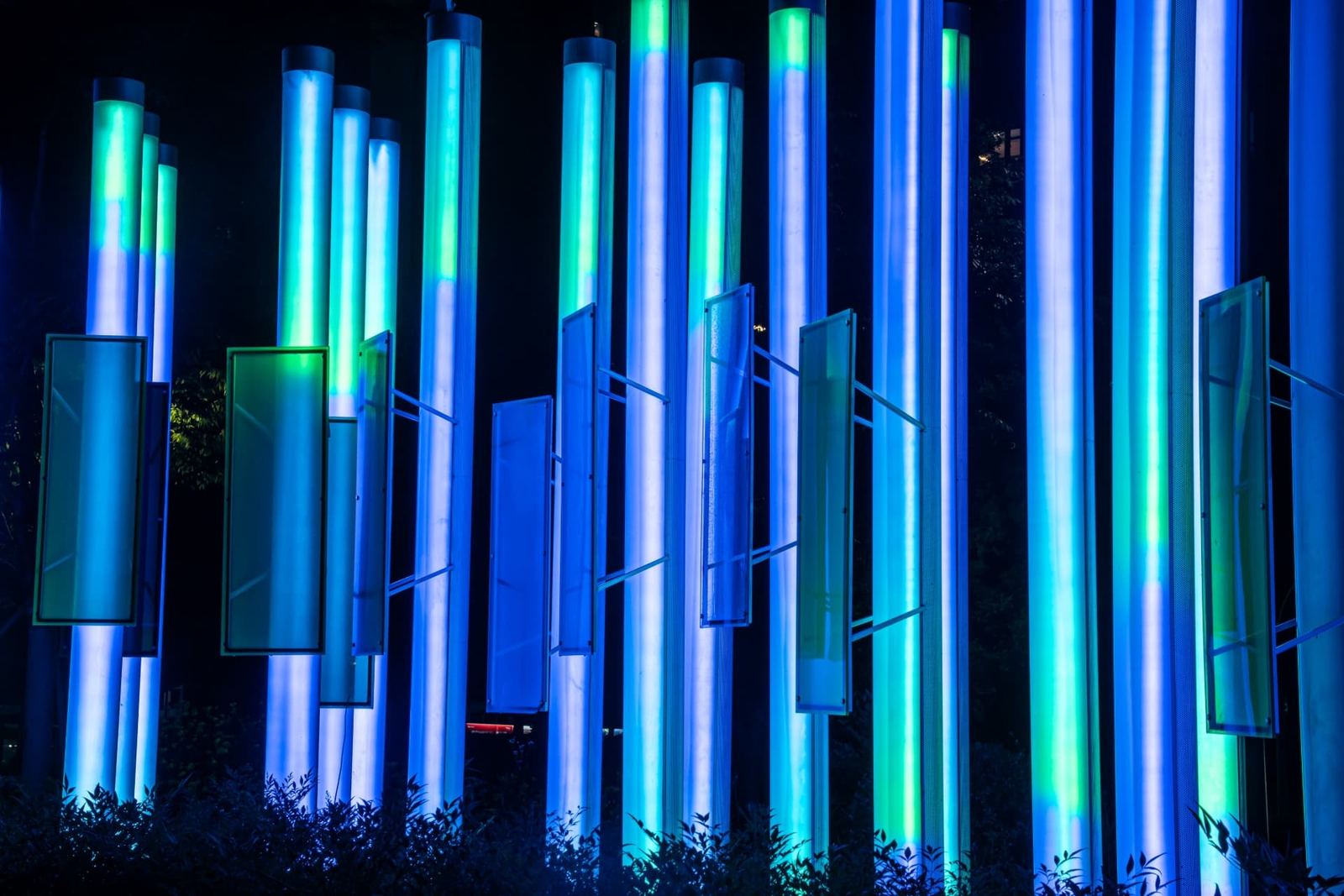
Public Space Art: A Complete Guide to Design, Materials, Planning, and Installation
Public space art plays an important role in shaping how people experience streets, plazas, parks, commercial districts, and other shared environments. Through sculpture, artistic installations, interactive features, and integrated landscape elements, public art can make ordinary spaces more recognizable, encourage social interaction, and express the cultural identity of a community. A successful project does more than introduce a decorative object. It establishes a meaningful relationship between the artwork, the architecture, the landscape, and the people who use the space.
For property developers, urban planners, architects, landscape designers, public art consultants, and project owners, commissioning public space art involves both creative and technical decisions. The project must respond to its location, meet structural and safety requirements, use suitable materials, and fit within the available budget and construction schedule. This guide explains the main types of public space art, how to develop a suitable concept, which materials to consider, and how to manage design, fabrication, installation, and long-term maintenance.
1. What Is Public Space Art?
Public space art refers to artistic works created or installed in environments that are accessible to the public. These spaces may include city squares, pedestrian streets, parks, gardens, transportation areas, waterfronts, university campuses, commercial developments, and corporate landscapes. The artwork may be permanent or temporary, purely visual or interactive, and independent or integrated into the surrounding architecture and landscape.
Unlike artworks displayed primarily within galleries or private collections, public space art must respond to everyday use. Visitors may encounter it while walking, commuting, shopping, working, or participating in public events. Its design therefore needs to consider viewing distances, pedestrian circulation, accessibility, environmental exposure, and the practical requirements of maintaining an installation in a shared environment.
1.1 Public Space Art and Public Art
Public art is a broad category that includes artworks created for public access or public environments. Public space art places particular emphasis on the physical and social setting in which the artwork is experienced. It may be developed specifically for a plaza, park, streetscape, or commercial landscape, with the design responding directly to the site's layout, architecture, activities, and surrounding community.
For example, a freestanding sculpture in a city square may function as a visual landmark, while an artistic seating structure can combine sculpture with everyday public use. A series of installations along a pedestrian route may create a connected visual experience rather than a single focal point. The project's purpose determines whether the artwork should attract attention, encourage interaction, communicate a message, or improve the overall character of the space.
1.2 Common Forms of Public Space Art
Public space art can take many forms. Freestanding sculptures are often used as focal points in plazas, parks, and commercial entrances. Wall-mounted artworks and relief installations can integrate with building facades or boundary structures. Interactive sculptures may invite visitors to move around, touch, or engage with the artwork, while kinetic installations use movement to create changing visual effects.
Other projects combine sculpture with lighting, seating, paving, water features, landscape structures, or architectural elements. Some installations use natural materials and site-specific forms to strengthen the relationship between the artwork and its surroundings. The most appropriate format depends on the available space, intended audience, design objectives, and technical conditions.
2. Why Is Public Space Art Important?
Public space art can contribute to the visual, cultural, and social value of a development. It gives a location a distinctive identity, creates points of interest, and can encourage people to spend more time in shared environments. For project owners, it may also support placemaking, strengthen the character of a commercial destination, and create a more memorable experience for residents and visitors.
2.1 Strengthen Place Identity
A distinctive artwork can help people recognize a particular location. A sculpture positioned at a major entrance, public square, or waterfront may become a visual reference that visitors associate with the surrounding district. Its form, material, and subject can reflect local history, cultural identity, architectural character, or the purpose of the development.
Place identity is particularly important in large commercial and mixed-use projects where several buildings and public areas need to feel connected. A coordinated art strategy can establish visual relationships between different parts of the site. Rather than treating each sculpture as an isolated decoration, the project team can develop a consistent artistic language that supports the overall environment.
2.2 Encourage Social Interaction and Public Engagement
Public space art can create reasons for people to stop, gather, and interact. Sculptures with approachable forms, integrated seating, walk-through structures, and interactive elements can encourage visitors to experience a space rather than simply pass through it. This is particularly valuable in plazas, parks, and pedestrian areas designed for public activity.
However, interaction should be considered carefully during design. The artwork must provide suitable clearances, safe surfaces, and accessible routes. If visitors are expected to touch or move around the installation, the materials and structural components should be appropriate for repeated public contact. The project team should also consider how groups of people may gather around the artwork during busy periods or public events.
2.3 Improve the Visual Quality of Shared Environments
Public space art can add contrast, texture, color, and visual depth to environments dominated by buildings, paving, and infrastructure. A sculptural focal point may help organize an open plaza, while a series of smaller artworks can create visual interest along a pedestrian route. Artworks can also establish a transition between different areas of a development, such as an entrance, courtyard, garden, or waterfront promenade.
The artwork should complement the overall landscape and architectural design. Its scale, position, and material finish need to be considered alongside paving patterns, planting, lighting, street furniture, and surrounding buildings. A well-integrated installation can strengthen the visual composition of a space without interfering with its everyday functions.
3. How to Plan a Public Space Art Project
Effective project planning begins with a clear understanding of the site's purpose and the role the artwork should play. Before selecting a sculpture or material, project owners should establish the intended audience, available space, artistic objectives, budget, and approval requirements. A clear project brief helps designers and manufacturers evaluate proposals against practical criteria rather than relying only on visual preference.
3.1 Define the Project Objectives
The project team should determine whether the artwork is intended to create a landmark, communicate a cultural message, improve the visitor experience, support a commercial identity, or encourage community interaction. These objectives may overlap, but identifying the primary purpose helps guide decisions about the artwork's form, scale, and location.
For a commercial plaza, the priority may be to create a recognizable visual feature near the main entrance. A public park may require artwork that responds to natural surroundings and encourages visitors to explore the landscape. A university campus may commission a sculpture that reflects institutional history or educational values. Each project requires a different approach to concept development and site integration.
3.2 Identify Stakeholders and Approval Requirements
Public space art projects may involve property owners, architects, landscape designers, public authorities, community representatives, engineering consultants, and facility management teams. Each group may have different concerns about appearance, accessibility, safety, maintenance, or public use. Identifying these stakeholders early helps establish who is responsible for reviewing and approving the design.
Some locations may require planning permission, public art committee approval, building permits, heritage review, or environmental assessment. Requirements vary according to the location and the nature of the installation. The project owner should confirm applicable procedures before committing to a final design or manufacturing schedule.
3.3 Establish the Budget and Project Scope
The project budget should cover more than the purchase price of the artwork. It may include concept development, design services, engineering, material samples, fabrication, surface finishing, foundation construction, transportation, lifting equipment, installation, lighting, and maintenance. If these costs are not clearly identified, a project that appears affordable during the concept stage may become difficult to deliver within the approved budget.
The scope of supply should also clarify which tasks are handled by the artist, manufacturer, general contractor, and site management team. For example, a sculpture manufacturer may produce and deliver the artwork while a local contractor constructs the foundation and manages crane installation. Defining these responsibilities early helps avoid gaps between the different stages of the project.
4. Selecting the Right Location for Public Space Art
The location determines how people encounter the artwork and how effectively it contributes to the surrounding environment. A sculpture that works well in a large open plaza may be unsuitable for a narrow pedestrian street or a heavily landscaped garden. Site selection should consider visibility, pedestrian movement, spatial proportions, accessibility, environmental conditions, and the relationship with existing infrastructure.
4.1 Evaluate Visibility and Viewing Distances
The project team should identify the main viewing directions and approach routes. A central plaza sculpture may need to look balanced from all sides, while an artwork positioned near a building entrance may be designed primarily for frontal viewing. The height, width, silhouette, and surface details should be evaluated according to the distances from which visitors will see the work.
Surrounding buildings, trees, signage, and street furniture can influence visibility. A sculpture that appears prominent in a rendering may become partially hidden after nearby landscaping matures or additional buildings are completed. Site plans and three-dimensional visualizations can help designers evaluate these relationships before finalizing the location.
4.2 Consider Pedestrian Circulation and Accessibility
Public space art should be integrated into the movement patterns of the site. The artwork must not block accessible pathways, emergency access, entrances, loading areas, or essential pedestrian routes. Designers should consider the space required for people to approach, view, and move around the sculpture, particularly if it is expected to attract groups of visitors.
Accessibility should be incorporated into the layout rather than addressed after the artwork is designed. The project team should review pathway widths, surface levels, turning areas, seating arrangements, and accessible viewing positions according to applicable local requirements. Interactive installations may need additional consideration to ensure that visitors with different mobility needs can experience the work safely.
4.3 Assess Existing Infrastructure and Ground Conditions
Before selecting the final installation position, the project team should review underground utilities, drainage systems, paving structures, existing foundations, and soil conditions. These factors influence foundation design, anchor placement, excavation requirements, and installation costs. If the sculpture is installed on an existing building podium or elevated platform, the supporting structure may require an engineering assessment.
Access for delivery vehicles and lifting equipment should also be checked. A location may be visually ideal but difficult to reach with a crane or large transport vehicle. In such cases, the sculpture may need to be manufactured in smaller sections or installed using an alternative lifting strategy. These practical constraints should be considered before the design is finalized.
5. Choosing Materials for Public Space Art
Material selection affects the artwork's appearance, durability, weight, fabrication requirements, and maintenance needs. Public space installations are often exposed to changing weather, pollution, moisture, sunlight, and frequent human contact. The material should therefore be selected according to the location and intended service life rather than visual appearance alone.
5.1 Stainless Steel for Contemporary Public Art
Stainless steel is widely used in contemporary public space art because it can be formed into complex sculptural shapes and finished in different ways. Polished stainless steel reflects the surrounding buildings, sky, and landscape, creating a changing visual effect throughout the day. Brushed and matte finishes provide a more understated appearance and may be suitable for projects that need to complement modern architecture.
The selected material grade and finish should match the exposure conditions. Coastal environments, industrial areas, and locations exposed to road contaminants may require more careful corrosion-resistance planning and regular cleaning. Weld finishing, drainage, joint detailing, and surface protection during transportation are also important. For custom metal sculpture projects, buyers can review our sculpture design and fabrication services.
5.2 Bronze for Cultural and Figurative Sculpture
Bronze is suitable for figurative sculpture, commemorative installations, and artworks that require detailed sculptural surfaces. Its casting properties allow artists to reproduce complex shapes and textures, while patination can create different colors and surface characteristics. Bronze may also develop a natural patina over time, which can contribute to the visual character of the artwork.
Large bronze installations require appropriate wall thickness, internal reinforcement, connection details, and foundation support. If the artwork is divided into several cast sections, the joints and assembly process should be planned carefully. The project owner should also establish whether the surface is intended to remain consistent or change naturally through outdoor exposure.
5.3 Fiberglass for Lightweight Sculptural Forms
Fiberglass can be useful for large or irregular sculptural forms where weight and geometric flexibility are important considerations. It can accommodate smooth curves, organic profiles, and customized coatings. These characteristics make it suitable for certain commercial environments, themed public spaces, and installations that require complex shapes without the weight of solid metal or stone.
Outdoor fiberglass works need suitable resin systems, reinforcement, UV protection, and surface coatings. The project team should evaluate resistance to moisture, temperature changes, impact, and long-term weather exposure. Maintenance and repair methods should also be documented before the material is approved for a permanent installation.
5.4 Stone, Concrete, and Natural Materials
Stone and concrete can provide a strong architectural presence and are often used for sculptural bases, integrated landscape structures, carved artworks, and geometric installations. Granite and other durable stones may be suitable for high-traffic public environments, while concrete can accommodate large structural forms and customized surface treatments. Timber and other natural materials can create a warmer visual relationship with parks and landscaped areas.
Each material has different structural and maintenance requirements. Heavy stone components may need substantial foundations and specialized lifting equipment. Concrete requires suitable reinforcement, curing, joint design, and drainage. Timber may need protection against moisture, insects, and UV exposure. The selection should consider local climate, intended lifespan, and the resources available for future maintenance.
6. Design Principles for Successful Public Space Art
Good public space art balances visual impact with the practical needs of its location. The artwork should be distinctive enough to contribute to the identity of the space while remaining compatible with its architecture, landscape, and daily activities. Designers should evaluate not only the sculpture itself but also the experience of people moving through and using the surrounding environment.
6.1 Balance Scale, Proportion, and Surrounding Architecture
The scale of an artwork should be appropriate for the size and character of the space. A small sculpture may be overlooked in a large open plaza, while an oversized structure can overwhelm a compact courtyard or narrow pedestrian route. The relationship between the artwork, nearby buildings, trees, paving, and street furniture should be assessed as part of the overall composition.
Proportion also influences how a sculpture is perceived. A tall vertical structure may create a strong focal point, while a horizontal composition may work better in a garden or along a waterfront. Designers should examine the artwork from different distances and viewing angles to ensure that its form remains coherent within the environment.
6.2 Use Color, Texture, and Reflectivity Carefully
Material finish can significantly change the relationship between a sculpture and its surroundings. Reflective metal surfaces can capture changing light and landscape details, while matte finishes provide a more controlled visual effect. Bronze and stone introduce natural textures, and painted surfaces can create a stronger color identity within a public space.
Color and reflectivity should be considered in relation to the site's architecture and lighting conditions. Highly reflective surfaces may produce glare in certain orientations, while dark finishes can become visually dominant in some settings. Material samples and digital visualizations help project owners evaluate these effects before full-scale production.
6.3 Integrate Lighting and Landscape Features
Lighting can extend the visual presence of public space art into the evening and highlight particular shapes, textures, or structural features. It may be installed within the artwork, around its base, or as part of the surrounding landscape design. Electrical components should be suitable for outdoor use, and the design should consider glare, light pollution, power supply, and maintenance access.
Landscape elements such as planting, paving, water features, and seating can also be coordinated with the artwork. These features should support the sculpture's intended role rather than compete with it. A coordinated design approach helps create a unified environment in which the artwork feels connected to the space and its everyday functions.
7. Engineering and Safety Requirements
Public space art must be structurally reliable and safe for its intended environment. Even a sculpture that appears visually simple may contain complex internal supports, concealed connections, or foundation systems. Engineering should be coordinated with the artistic design so that the finished work can achieve its intended appearance while meeting applicable safety and building requirements.
7.1 Evaluate Structural Loads and Stability
Structural design may need to consider the sculpture's self-weight, wind pressure, temperature-related movement, seismic requirements where applicable, and other site-specific loads. Tall sculptures, cantilevered forms, and artworks with large exposed surfaces may require particular attention to overturning resistance and connection strength.
Qualified engineers should assess the actual dimensions, materials, geometry, and installation conditions. Internal frames, support ribs, reinforcement plates, and other structural components may be required to distribute loads safely. The engineering solution should be coordinated with the visible form so that essential supports do not compromise the artistic concept.
7.2 Design Foundations and Anchoring Systems
The foundation transfers the sculpture's loads into the ground or supporting structure. Its design depends on the sculpture's weight, center of gravity, wind exposure, soil conditions, and available installation space. Common solutions include reinforced concrete foundations, embedded anchor bolts, base plates, and engineered support structures.
Foundation drawings should be coordinated with the sculpture's manufacturing drawings before construction. Anchor locations, bolt patterns, base dimensions, leveling requirements, and connection tolerances must be clearly specified. If separate contractors are responsible for the foundation and sculpture, an interface review can help prevent alignment problems during installation.
7.3 Consider Public Contact and Vandalism Resistance
Public artworks may be touched, climbed on, leaned against, or exposed to accidental impact. Designers should consider these possible interactions when selecting materials, connection details, edges, and surface finishes. If the sculpture is intended to be interactive, its structural components and contact surfaces should be designed for the expected level of use.
Projects in heavily used public environments may also need practical measures to reduce damage and simplify repair. Replaceable components, accessible connections, durable finishes, and clear inspection procedures can help facility managers maintain the installation. The objective is to provide an artwork that remains safe and visually effective under realistic public-use conditions.
8. Fabrication Process for Public Space Art
Once the concept and engineering requirements have been approved, the project can move into manufacturing. The fabrication process depends on the material, geometry, size, and required surface finish. Custom sculpture projects may involve cutting, forming, welding, casting, machining, carving, polishing, coating, and final assembly. Clear technical documentation and quality control are essential to ensure that the finished artwork matches the approved design.
8.1 Prepare Detailed Drawings and Specifications
Concept renderings provide an understanding of the artistic direction, but production requires detailed technical information. Drawings should identify overall dimensions, material specifications, component sections, wall thicknesses where relevant, connection details, foundation interfaces, and finish requirements. Three-dimensional models can help resolve complex geometry and identify potential interference between structural and visible components.
The documentation should also explain how the artwork will be divided into transportable sections and assembled at the site. Critical dimensions and tolerances should be identified clearly, especially where several components must connect accurately. Any revisions to the approved design should be reviewed before production continues.
8.2 Manufacture and Assemble Sculptural Components
Metal sculpture fabrication may involve cutting sheet material, forming curved panels, welding frames, machining connection parts, and assembling individual sections. Bronze sculptures may require mold preparation, casting, finishing, and patination. Fiberglass components may be produced using molds and reinforced shells, followed by surface preparation and protective coating.
Manufacturing methods should be selected according to the design and material requirements. Complex shapes may need prototype sections or customized forming procedures to verify that the intended geometry can be achieved. During production, dimensional checks and visual inspections help identify defects before they affect the final assembly.
8.3 Complete Surface Finishing and Quality Inspection
Surface finishing has a major influence on the final appearance of public space art. Polishing, brushing, patination, painting, coating, and other treatments should follow approved specifications. The project owner should review representative samples to confirm the required color, texture, gloss, and reflectivity before the finish is applied to the full sculpture.
Quality inspection should cover material compliance, dimensions, visible joints, weld appearance where applicable, surface consistency, and component fit. For large artworks, trial assembly can verify that separate sections align correctly before shipment. Inspection records and approved drawings should be retained for delivery and future maintenance.
9. Transportation and Installation
Transportation and installation should be planned during the design stage because the dimensions and weight of the artwork influence delivery methods and equipment requirements. Large sculptures may need to be divided into sections to fit transport vehicles or pass through restricted access routes. The installation strategy must also consider the site's operating conditions and the need to protect pedestrians and surrounding landscape features.
9.1 Plan Packaging and Delivery
Each component should be packaged according to its material, surface finish, size, and handling requirements. Polished metal, painted surfaces, cast details, and fragile decorative elements may need protective coverings or custom supports. The delivery plan should identify component weights, loading arrangements, unloading space, and any special transportation permits.
For projects in busy urban environments, deliveries may need to be scheduled outside peak pedestrian or traffic periods. The project team should also confirm temporary storage arrangements and ensure that the site can accommodate the required vehicles and lifting equipment. These details help reduce delays after the artwork leaves the manufacturing facility.
9.2 Coordinate On-Site Assembly and Lifting
Installation may involve cranes, lifting frames, temporary supports, anchor systems, and specialized rigging. Lifting points should be identified and reviewed before fabrication is completed, particularly for sculptures with irregular shapes or uneven weight distribution. The contractor should follow an approved lifting plan that considers equipment capacity, ground conditions, load movement, and public exclusion zones.
After the sculpture is positioned, the installation team should complete the specified connections and verify alignment against the approved drawings. Final checks should cover structural stability, surface condition, foundation connections, drainage, electrical components where applicable, and the safety of the surrounding public area.
9.3 Protect the Public Space During Construction
Installation work in public environments requires careful management of pedestrian access and nearby activities. Temporary barriers, warning signs, traffic control, and alternative walking routes may be necessary. If the artwork is installed in an operating commercial development, construction activities should be coordinated with tenants, facility managers, and security personnel.
Equipment routes and material storage areas should also be planned to prevent damage to paving, planting, lighting systems, and nearby structures. Once installation is complete, the team should remove temporary works, clean the site, and confirm that all public routes are safe and accessible before reopening the area.
10. Budgeting and Project Timeline
The total cost of public space art depends on the artwork's size, material, design complexity, fabrication method, engineering requirements, site conditions, and installation arrangements. A detailed budget should account for all stages of the project rather than comparing suppliers only by the price of the finished sculpture. This is especially important when the project includes foundations, lighting, interactive systems, or complex transportation requirements.
10.1 Identify the Main Project Cost Factors
Material and manufacturing costs are usually major components of the budget. Complex curves, detailed surfaces, multiple materials, customized internal frames, and extensive finishing work can increase fabrication requirements. Large sculptures may also require more substantial foundations, special transport arrangements, and larger lifting equipment.
Other costs may include concept design, engineering calculations, sample production, approvals, site preparation, electrical installation, permits, and future maintenance. Buyers should ask manufacturers to identify what is included in their quotations and which items need to be provided by other contractors. A clearly defined scope makes it easier to compare proposals and control the overall project budget.
10.2 Establish a Realistic Project Schedule
A typical project includes briefing, concept development, stakeholder review, design approval, engineering, material selection, fabrication, quality inspection, transportation, site preparation, installation, and handover. The schedule depends on the complexity of the artwork and the number of approval stages. Custom casting, large-scale metal fabrication, and difficult site access may require additional preparation time.
Project owners should establish clear deadlines for design reviews, material samples, technical approvals, and production drawing confirmation. Changes made after manufacturing begins can affect both cost and delivery time. The schedule should also include transportation planning, foundation curing where applicable, installation equipment arrangements, and final inspection.
11. Common Challenges in Public Space Art Projects
Public space art projects involve several disciplines and stakeholder groups, which creates coordination challenges. Problems often arise when artistic requirements, technical limitations, site conditions, and maintenance responsibilities are not considered together. Identifying these issues early helps project owners make more informed decisions and reduce the likelihood of expensive changes during construction.
11.1 Balancing Visual Impact with Everyday Public Use
A sculpture may look impressive in a rendering but create problems if it blocks pedestrian routes, limits accessibility, or occupies too much usable space. Public space art must contribute to the environment without preventing people from using it comfortably. Designers should evaluate the artwork in relation to pedestrian movement, gathering areas, emergency access, and surrounding activities.
Site simulations and layout reviews can help identify these conflicts before the final design is approved. Where the artwork is intended to encourage interaction, the team should also consider visitor behavior and the space needed for people to gather safely. A strong design should support both artistic experience and the practical function of the public environment.
11.2 Managing Environmental Exposure and Material Durability
Outdoor artworks face changing weather and environmental conditions. Materials that perform well in a sheltered courtyard may not be suitable for a coastal promenade or an exposed urban plaza. Corrosion, moisture retention, UV exposure, pollution, and temperature changes can affect both appearance and structural performance.
Material selection should therefore be based on the actual site conditions. Surface treatments, joint details, drainage, and maintenance procedures should be specified before fabrication. Project owners should also understand the expected appearance of materials as they age, particularly when natural patination or weathering is part of the artistic concept.
11.3 Coordinating Multiple Contractors and Stakeholders
A public space art project may involve separate teams for design, structural engineering, fabrication, foundation construction, landscaping, lighting, and installation. If their responsibilities are not clearly defined, important tasks may be overlooked or duplicated. Differences between drawings can also create conflicts when components are manufactured or installed.
A coordinated project schedule and documented approval process help manage these interfaces. The project owner should identify the person responsible for technical coordination and ensure that relevant drawings are shared with all contractors. Changes affecting dimensions, materials, connections, or site conditions should be reviewed before implementation.
12. How to Choose a Public Space Art Manufacturer
Selecting the right manufacturer is important when a project involves custom sculpture fabrication or specialized artistic structures. A suitable supplier should understand the proposed materials, manufacturing processes, technical drawings, surface requirements, and installation constraints. Buyers should evaluate relevant experience and communication capability rather than relying only on general production claims.
12.1 Review the Manufacturer's Project Portfolio
Buyers should look for completed projects with similar materials, dimensions, geometry, and installation environments. A supplier experienced in polished stainless steel sculptures may be suitable for a contemporary plaza installation, while a bronze figurative project may require a manufacturer with specialist casting experience. The portfolio should provide evidence of work relevant to the actual project requirements.
It is also useful to clarify the manufacturer's role in each reference project. Some suppliers handle design and fabrication, while others focus only on manufacturing or supply. Understanding the scope of previous work helps buyers assess whether the supplier can support the required stages of the new project.
12.2 Evaluate Manufacturing Processes and Quality Control
A qualified manufacturer should be able to explain how the artwork will be produced, including material selection, cutting, forming, welding, casting, finishing, and assembly where applicable. Buyers should ask how dimensional accuracy is checked, how surface samples are approved, and whether trial assembly is available for complex structures.
Technical documentation should also be reviewed before production begins. Material specifications, drawings, connection details, finish requirements, tolerances, and inspection responsibilities should be clearly agreed. These requirements help establish a consistent standard for evaluating the finished artwork.
12.3 Confirm Customization and Project Coordination Capabilities
Public space art often requires customization to suit a particular location, artistic concept, and architectural environment. A manufacturer should be able to discuss how the approved design can be translated into manufacturable components and identify potential issues involving materials, geometry, transportation, or installation. This is particularly important for large sculptures and projects involving multiple sections.
At Yifeng Sculpture, we work with custom sculpture projects that involve different forms, materials, and application environments. Our project portfolio offers examples of sculptural approaches that may help buyers develop their own concepts. If you are planning a public space art project, sharing reference images, concept drawings, dimensions, material preferences, and site information will help us understand the manufacturing requirements and discuss suitable fabrication options.
13. Public Space Art Applications in Different Environments
Different public environments require different artistic and technical approaches. A sculpture designed for a commercial plaza may need to create a strong visual identity, while an installation in a park may need to respond more closely to vegetation and landscape features. Understanding these differences helps project owners select an appropriate form, material, and installation strategy.
13.1 City Squares and Pedestrian Streets
City squares and pedestrian streets often serve as gathering points and important public circulation areas. Public space art can create visual landmarks, organize open areas, and provide recognizable meeting points. Sculptures in these environments should be visible from multiple directions and positioned so that they do not obstruct pedestrian movement or emergency access.
Durable materials are important because urban artworks may be exposed to pollution, weather, and frequent public contact. Stainless steel, bronze, stone, and concrete can all be considered depending on the design. The artwork should also be coordinated with paving, lighting, street furniture, and nearby buildings to create a coherent public environment.
13.2 Parks and Landscape Gardens
Parks and gardens provide opportunities for artworks that respond to natural materials, vegetation, water, and changing seasonal conditions. A sculpture may become a focal point along a pathway, an attraction within a garden, or an interpretive feature that encourages visitors to explore the landscape. Natural forms and textured materials can help establish a visual relationship with the surrounding environment.
Site planning should consider tree roots, mature planting, irrigation, drainage, and maintenance access. Heavy foundations or construction equipment may need special arrangements to protect existing vegetation. The sculpture should also remain accessible without unnecessarily restricting pathways or outdoor recreational activities.
13.3 Commercial Plazas and Mixed-Use Developments
Commercial plazas and mixed-use developments often use public space art to strengthen destination identity and improve the visitor experience. A customized sculpture near an entrance can create a recognizable feature, while a series of artworks may connect different outdoor areas. These projects can combine sculptural forms with lighting, water features, landscape elements, and seating.
The design should be consistent with the development's architecture and brand identity without becoming an obstacle to everyday commercial activities. Project teams should consider visibility from main entrances, customer circulation, storefront exposure, cleaning requirements, and access for maintenance equipment. A well-integrated artwork can contribute to the site's character while remaining practical for long-term operation.
13.4 Corporate Campuses and Educational Institutions
Corporate campuses and educational institutions may commission public space art to communicate organizational values, celebrate achievements, or create a stronger sense of community. Abstract sculptures can represent themes such as innovation, collaboration, and progress, while figurative or symbolic works may reflect institutional history or local culture.
These projects should be coordinated with the overall campus landscape and building design. The artwork may be placed near an entrance, central courtyard, pedestrian route, or gathering area. Durability, accessibility, security, and maintenance should be considered because the installation may be used and viewed by employees, students, visitors, and the wider public on a daily basis.
14. Conclusion: Creating Meaningful Public Space Art
Successful public space art combines artistic expression with a clear understanding of the environment in which it will be installed. Its design should respond to the site's identity, architecture, landscape, and public activities. Material selection, structural engineering, fabrication quality, transportation, installation, accessibility, and maintenance all contribute to whether the artwork remains effective and safe over time.
For developers, architects, landscape designers, and procurement teams, the most effective approach is to establish clear project objectives, evaluate site conditions early, coordinate design and engineering, and select a manufacturer with relevant custom fabrication experience. If you are planning public space art for a plaza, park, commercial development, campus, or urban landscape, send us your concept drawings, reference images, dimensions, preferred materials, and installation requirements. Our team can discuss suitable custom sculpture fabrication options and help you assess the practical steps required to move the project toward production.
Frequently Asked Questions About Public Space Art
Q1. What is the purpose of public space art?
Public space art is intended to improve the visual, cultural, or social character of shared environments. It can create landmarks, express local identity, encourage interaction, communicate ideas, and make public areas more memorable. Its specific purpose depends on the location, audience, and objectives of the project.
Q2. What types of artworks are suitable for public space art projects?
Suitable forms include freestanding sculptures, abstract installations, figurative artworks, interactive structures, kinetic sculptures, wall-mounted pieces, and landscape-integrated features. The choice depends on available space, architectural context, public use, environmental conditions, and the intended artistic experience.
Q3. Which materials are best for outdoor public space art?
Common materials include stainless steel, bronze, fiberglass, stone, concrete, and treated timber. Each has different advantages and maintenance requirements. The best choice depends on the sculpture's design, local climate, exposure conditions, structural needs, budget, and expected service life.
Q4. What should be considered when installing public space art?
Important considerations include site access, foundation design, structural stability, lifting arrangements, pedestrian circulation, accessibility, public safety, and environmental protection. Large installations may also require special transportation, cranes, temporary barriers, and coordination with local authorities or facility managers.
Q5. How do I select a manufacturer for a public space art project?
Review the manufacturer's experience with comparable materials, sculpture dimensions, fabrication methods, and installation requirements. Check its technical communication, drawing review process, quality control procedures, surface finishing capabilities, and experience with custom projects. Confirm the scope of supply, inspection standards, delivery responsibilities, and warranty conditions before placing an order.
.png?imageMogr2/format/webp)

