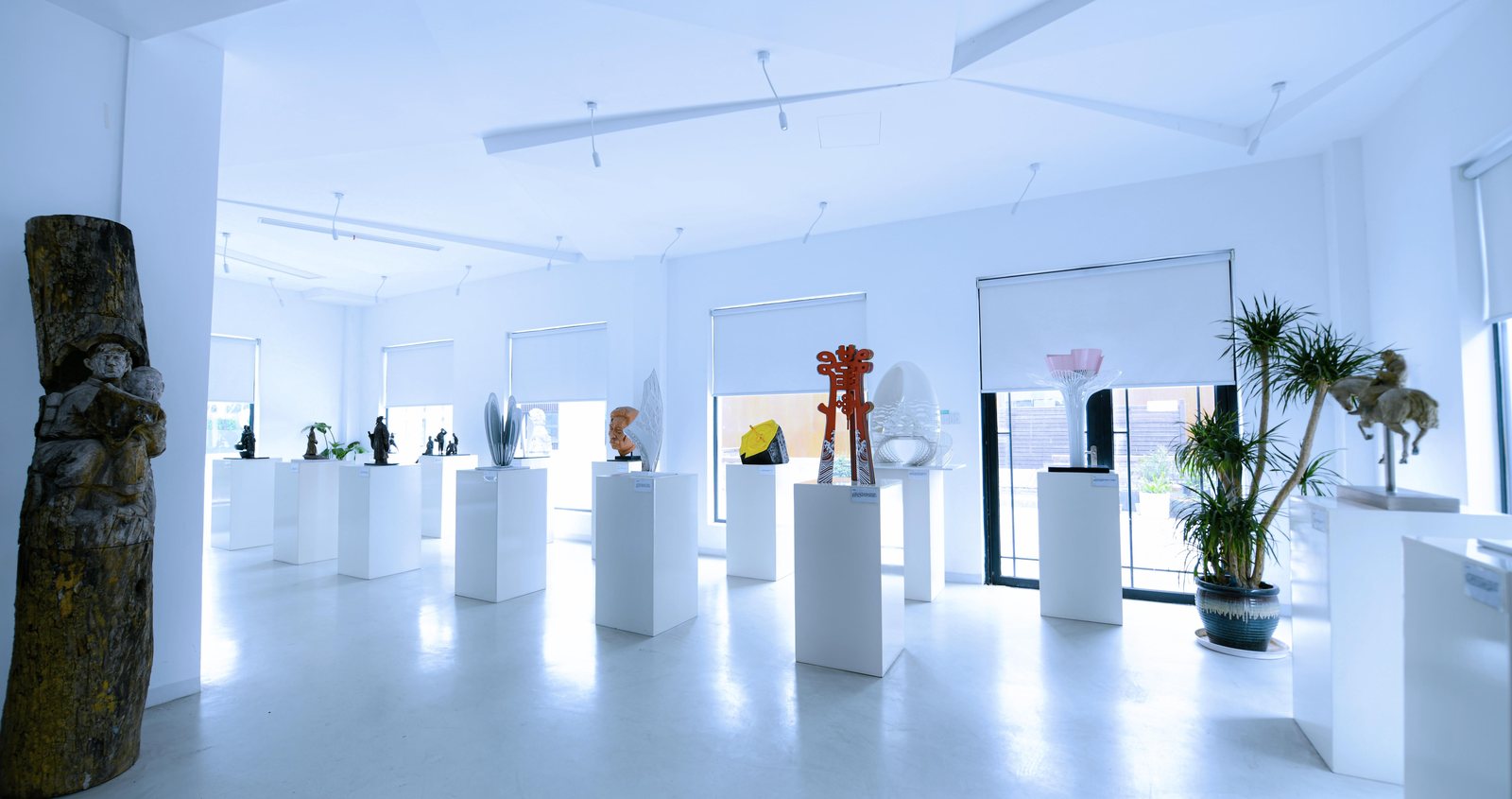
Sculpture Company: A Complete Guide to Choosing a Custom Sculpture Design and Manufacturing Partner
Choosing the right sculpture company is an important step in developing public art, commercial installations, architectural features, and landscape projects. Whether a project involves a custom stainless steel sculpture, a bronze artwork, a large outdoor installation, or a decorative feature for a hotel or commercial development, the selected company can influence the design quality, manufacturing process, project schedule, and final installation result.
For architects, property developers, landscape designers, art consultants, and procurement teams, selecting a sculpture company requires more than reviewing attractive project photographs. Buyers need to understand the company's design capabilities, material experience, production methods, quality control procedures, and ability to coordinate technical requirements. This guide explains what sculpture companies do, how to evaluate their capabilities, what information to prepare before requesting a quotation, and how to manage a custom sculpture project from concept to completion.
1. What Does a Sculpture Company Do?
A sculpture company develops, produces, supplies, or coordinates sculptural artworks for different environments and applications. Its services may cover concept development, custom design, material selection, engineering coordination, fabrication, surface finishing, packaging, transportation, and installation support. The actual scope varies between companies, so buyers should confirm which stages are handled directly and which involve external partners.
Some companies focus primarily on artistic design, while others specialize in sculpture manufacturing or project delivery. A company offering an integrated service may coordinate several stages under one project team. This can simplify communication, particularly when a sculpture has customized dimensions, complex materials, or specific installation requirements.
1.1 Custom Sculpture Design and Development
Custom sculpture design begins with understanding the client's concept and the purpose of the artwork. Buyers may provide sketches, reference photographs, architectural drawings, three-dimensional models, or a written project brief. The design team reviews the information and develops a proposal that considers the sculpture's appearance, dimensions, materials, and intended location.
Design development may include concept drawings, three-dimensional renderings, material recommendations, and technical discussions. The goal is to establish an approved design that can be translated into practical manufacturing requirements. For projects involving multiple stakeholders, the design approval process should be documented to prevent misunderstandings during production.
1.2 Sculpture Manufacturing and Fabrication
Manufacturing involves turning the approved design into a physical artwork. Depending on the selected material, the process may include cutting, bending, welding, casting, carving, molding, machining, grinding, polishing, and assembly. Different sculpture types require different production methods, and the company should be able to explain why a particular process is suitable for the project.
Custom fabrication is especially important when a project requires non-standard shapes, large dimensions, specific surface finishes, or integration with architectural and landscape elements. Buyers should ask about material specifications, production tolerances, inspection procedures, and how individual components will be assembled.
1.3 Project Coordination and Installation Support
Some sculpture companies provide support beyond manufacturing. This may include technical drawing coordination, component planning, packaging, delivery arrangements, and communication with site contractors. For large installations, the company may also coordinate lifting, assembly, fixing details, or on-site installation work, depending on the agreed scope.
Buyers should clarify whether the company is responsible for the complete installation or only for manufacturing and delivery. The division of responsibilities should be established before production begins, particularly when the sculpture is part of a larger construction or landscape project.
1.4 Sculpture Company vs. Sculpture Manufacturer
A sculpture manufacturer generally focuses on producing physical artworks through fabrication, casting, molding, or other manufacturing processes. A sculpture company may have a broader role that includes design, project coordination, sourcing, manufacturing, and installation management. However, the terms are not always used consistently across the industry.
For procurement purposes, the actual scope of work matters more than the company description. Buyers should determine whether the supplier has direct production capabilities, whether it works with external manufacturers, and who is responsible for design accuracy and final quality. This helps establish clear accountability throughout the project.
2. Types of Sculpture Projects a Sculpture Company Can Handle
Sculpture companies may work across public art, architecture, commercial development, hospitality, landscape design, and private projects. Each application has different requirements for visual impact, dimensions, materials, durability, and installation. Understanding the intended project type helps buyers identify a company with relevant experience.
2.1 Public Art Sculptures
Public art sculptures are installed in shared environments such as city squares, parks, pedestrian areas, transportation facilities, and cultural spaces. They may serve as landmarks, express local identity, commemorate important events, or create visual interest in public areas. Some projects involve a single large sculpture, while others require a coordinated collection of artworks.
Public art projects often involve architects, artists, consultants, government departments, engineers, and construction contractors. A sculpture company needs to understand the design brief and coordinate manufacturing requirements with public access, structural stability, weather exposure, and maintenance considerations. The final artwork should be visually appropriate and technically suitable for its location.
2.2 Commercial and Hospitality Sculptures
Commercial developments use sculptures to create distinctive environments and strengthen their visual identity. Common locations include shopping centers, office buildings, hotels, resorts, restaurants, and mixed-use developments. Sculptures may be installed at entrances, in lobbies, courtyards, gardens, reception areas, and outdoor plazas.
These projects often require a balance between artistic expression and operational requirements. The artwork should complement the building's architecture, fit the available space, and allow visitors and staff to move safely around it. Materials and finishes should also be suitable for regular cleaning and the expected level of public interaction.
2.3 Architectural Sculptures
Architectural sculptures are designed in close relationship with buildings and constructed environments. They may be integrated into facades, entrances, atriums, columns, walls, or architectural landscape features. Unlike independent decorative objects, these artworks often require coordination with structural systems, facade details, and building construction schedules.
The company should understand the relationship between the artwork and its supporting structure. Important considerations include weight, fixing systems, connection positions, weather exposure, maintenance access, and installation sequence. These requirements should be reviewed during design development rather than after fabrication has started.
2.4 Outdoor and Landscape Sculptures
Outdoor sculptures are commonly used in parks, gardens, residential communities, resorts, waterfront developments, and commercial landscapes. They can create focal points, define visual routes, or connect architecture with the surrounding environment. Their forms may be abstract, geometric, figurative, or inspired by natural elements.
Outdoor applications require suitable materials and finishes for the local climate. The design should consider moisture, UV exposure, wind, drainage, corrosion, and long-term maintenance. Foundation requirements and site access should also be evaluated to ensure that the sculpture can be delivered and installed safely.
2.5 Memorial and Monumental Sculptures
Memorial sculptures and monuments are often commissioned to represent people, events, cultural values, or historical themes. They may be installed in civic spaces, parks, institutional grounds, memorial gardens, and public squares. These projects frequently require careful attention to symbolism, proportions, material character, and long-term preservation.
The sculpture company may need to coordinate with designers, historians, community representatives, and project authorities. Material selection and fabrication methods should support the intended appearance while meeting the physical requirements of the installation environment. Where inscriptions or integrated plaques are included, their dimensions, content, and positioning should be confirmed before production.
3. Materials Commonly Used by Sculpture Companies
Material selection influences the sculpture's visual character, weight, manufacturing method, durability, and maintenance requirements. A suitable sculpture company should understand the properties of the materials relevant to the project and explain their advantages and limitations. The correct choice depends on the design, location, budget, and expected service conditions.
3.1 Stainless Steel
Stainless steel is widely used for contemporary sculpture because it can be fabricated into complex forms and finished with different surface treatments. Mirror-polished surfaces reflect surrounding buildings and landscapes, while brushed and satin finishes provide a more restrained metallic appearance. Stainless steel is frequently selected for commercial entrances, public art installations, architectural features, and outdoor sculptures.
Production may involve laser cutting, bending, rolling, welding, grinding, and polishing. Buyers should confirm the material grade, thickness, connection details, and surface finish. For outdoor projects, environmental exposure and maintenance requirements should be considered when specifying the material and protective treatment.
3.2 Bronze
Bronze is commonly used for figurative sculpture, commemorative artworks, decorative features, and detailed artistic forms. Casting allows manufacturers to reproduce complex shapes and surface textures. Patination can create different colors and visual effects, ranging from warm brown tones to darker or greenish surfaces.
The production process may include sculpting, mold making, casting, chasing, welding, grinding, and surface treatment. Large bronze sculptures may require internal support structures and multiple assembled sections. Buyers should ask about the casting process, finishing standards, and inspection procedures before confirming an order.
3.3 Corten Steel
Corten steel is used in architectural and landscape sculptures for its distinctive weathered appearance. Its warm brown surface can complement stone, concrete, brick, and natural planting. It is often used for geometric artworks, sculptural screens, large outdoor installations, and architectural features.
The material's appearance develops under suitable environmental conditions, so the site should be evaluated before it is specified. Water runoff may cause staining on nearby surfaces, and drainage details should be considered. The company should explain the material specification and the expected appearance of the finished sculpture.
3.4 Aluminum
Aluminum is a relatively lightweight metal that can be used for large sculptural forms, facade features, and customized geometric assemblies. Its lower density can make handling and transportation easier compared with some heavier materials. Depending on the design, aluminum can be cut, formed, welded, machined, and finished through polishing, brushing, anodizing, or coating.
Its suitability depends on the artwork's dimensions, structural requirements, and intended environment. Buyers should confirm the alloy, thickness, support system, and connection details. A lightweight material does not eliminate the need for structural assessment, especially for large outdoor or suspended installations.
3.5 Fiberglass and Resin
Fiberglass and resin materials allow sculpture companies to produce customized curved forms, organic shapes, and complex surfaces. They are used in commercial displays, themed environments, decorative installations, and certain outdoor artworks. Molding can also support the production of repeated components with consistent shapes.
For outdoor applications, the material system should be suitable for UV exposure, moisture, and temperature changes. Buyers should ask about reinforcement, shell thickness, surface coatings, internal support, and repair procedures. These details help determine whether the finished artwork is appropriate for the intended location.
3.6 Stone and Concrete
Stone and concrete are used for monuments, architectural sculpture, garden artworks, landscape features, and large sculptural forms. Stone offers natural textures and a sense of permanence, while concrete can be cast into customized shapes and integrated with architectural structures. Both materials can provide substantial visual weight.
Because stone and concrete sculptures can be heavy, their foundations, lifting arrangements, transportation, and installation requirements should be planned carefully. Manufacturing methods may include carving, cutting, grinding, mold preparation, reinforcement, casting, curing, and surface finishing.
4. How to Evaluate a Sculpture Company's Capabilities
Not every sculpture company is suitable for every project. Some specialize in small decorative objects, while others focus on large metal installations, architectural sculpture, or customized public artworks. Buyers should evaluate a company's capabilities against the actual technical and artistic requirements instead of relying on general descriptions.
4.1 Review the Project Portfolio
A project portfolio provides an initial understanding of the company's design style, material experience, and application range. Buyers should look for completed works that are similar in dimensions, materials, complexity, and installation environment. A company with experience producing small indoor sculptures may not have the same capabilities required for a large outdoor landmark.
Photographs should be reviewed from different angles where possible. Pay attention to surface quality, visible joints, proportions, component alignment, and the relationship between the sculpture and its surroundings. Buyers can also ask which stages of each project the company handled, including design, fabrication, finishing, and installation.
4.2 Understand Design and Technical Support
Custom sculpture projects often require adjustments between artistic concepts and manufacturing requirements. A capable company should be able to review sketches, reference images, and three-dimensional models and identify information needed for production. It should also explain potential challenges involving material selection, complex shapes, component divisions, and connection details.
For larger projects, technical support may involve three-dimensional modeling, production drawings, structural coordination, and installation planning. Buyers should confirm whether these services are included in the quotation or provided separately. Clear technical communication helps prevent misunderstandings when the design moves from concept development into manufacturing.
4.3 Check Manufacturing Processes and Equipment
The manufacturing methods should match the materials and forms required by the project. Relevant processes may include metal cutting, forming, welding, machining, casting coordination, carving, molding, polishing, and coating. Buyers should ask which processes are performed in-house and which are outsourced to specialist partners.
Outsourced production is not necessarily a disadvantage, but the company should explain how external operations are managed and inspected. Buyers should understand who is responsible for component quality, dimensional accuracy, finishing consistency, and final acceptance. This is especially important when a sculpture combines several materials or manufacturing methods.
4.4 Evaluate Quality Control Procedures
Quality control should cover the complete manufacturing process rather than only the finished artwork. Material checks, dimensional inspection, fabrication checks, welding inspection, surface evaluation, and assembly verification may all be relevant depending on the sculpture type. The company should be able to explain how these checks are organized.
For customized projects, buyers should also establish approval points. These may include material confirmation, finish samples, production drawings, prototype review, factory inspection, and final packaging approval. Written specifications make it easier to evaluate whether the finished sculpture meets the agreed requirements.
4.5 Assess Communication and Project Management
Custom sculpture projects often involve several stakeholders and multiple approval stages. The company should communicate clearly about technical questions, design revisions, production progress, and delivery arrangements. Buyers should know who manages the project and how important decisions are documented.
Before placing an order, agree on the main contact, document revision procedures, approval responsibilities, production milestones, and change-management process. For international projects, clear written communication is particularly important because designers, buyers, manufacturers, and installation contractors may be working in different locations.
5. The Custom Sculpture Project Process
A structured project process helps ensure that the final sculpture meets the approved design and technical requirements. Although the workflow varies according to the material and project complexity, most custom sculpture projects follow several main stages, from initial consultation to delivery and installation.
5.1 Initial Consultation and Project Brief
The first stage is to define the project requirements. Buyers should explain the artwork's purpose, intended location, approximate dimensions, preferred materials, visual style, budget, and target completion date. Reference photographs, sketches, and architectural drawings can help communicate the design concept.
The company reviews the available information and identifies missing details. If the project is still at an early stage, the initial discussion may focus on design possibilities and preliminary material options. A detailed project brief helps establish a shared understanding before design development begins.
5.2 Concept Design and Approval
Based on the project brief, the design team develops a proposed sculptural concept. This may include sketches, renderings, three-dimensional models, and preliminary material recommendations. The buyer reviews the proposal and provides feedback on proportions, artistic direction, dimensions, and appearance.
Design revisions should be documented so that all participants work from the same approved version. For projects involving architects, developers, or public authorities, the approval process may include several stakeholders. The company should confirm when the design is sufficiently developed to proceed with technical drawings and manufacturing planning.
5.3 Technical Drawings and Engineering Coordination
Technical drawings translate the approved design into manufacturing information. They may identify overall dimensions, material thicknesses, component divisions, internal supports, connection details, and installation interfaces. Three-dimensional models can also help clarify complex geometry and component relationships.
Large, tall, suspended, or outdoor sculptures may require structural assessment by qualified engineers. Depending on the project, relevant considerations may include self-weight, wind loads, seismic requirements, connection strength, and foundation conditions. The buyer should clarify who is responsible for engineering calculations and technical approvals.
5.4 Material Procurement and Fabrication
After technical requirements are confirmed, materials are selected and prepared according to the approved specifications. Manufacturing methods depend on the artwork. Metal sculptures may require cutting, bending, welding, and grinding, while bronze works may involve mold preparation and casting. Fiberglass sculptures may use molds, reinforcement, resin application, and surface preparation.
During production, the company should monitor component dimensions and fabrication quality. Large sculptures may be divided into several sections for manufacturing and transportation. Each component should be identified and checked so that the parts can be assembled correctly at the factory or installation site.
5.5 Surface Finishing and Assembly
Surface finishing establishes the sculpture's final appearance. Common treatments include mirror polishing, brushing, patination, painting, powder coating, and protective coatings. The selected process should match the approved design and the expected environmental conditions.
Assembly brings the individual components together and verifies their fit and alignment. For large installations, trial assembly at the factory can help identify connection problems before delivery. The company should inspect visible joints, surface consistency, dimensions, and overall appearance before the sculpture is approved for shipment.
5.6 Packaging, Delivery, and Installation
Packaging should protect the sculpture against movement, impact, moisture, and surface damage during transportation. Large or delicate artworks may require custom crates, internal supports, protective films, or specially designed lifting arrangements. Buyers should confirm whether packaging and delivery are included in the quotation.
Installation planning should account for site access, foundations, lifting equipment, connection details, and assembly sequence. If the company is not responsible for on-site installation, the buyer should provide the installation contractor with approved drawings and handling instructions. Clear coordination helps ensure that the finished artwork is installed according to the agreed requirements.
6. What Information Should You Prepare Before Contacting a Sculpture Company?
Providing clear project information helps a sculpture company evaluate feasibility, recommend suitable materials, and prepare a more accurate quotation. Incomplete information may lead to repeated clarification or changes after manufacturing has begun. Buyers do not need to have every technical detail finalized before making an initial inquiry, but they should provide the information currently available.
6.1 Design References and Drawings
Provide sketches, reference images, three-dimensional models, architectural renderings, or photographs of similar artworks. If a specific design must be reproduced, explain which visual details and proportions are essential. If the company is expected to develop the concept, describe the intended theme and desired visual effect.
For projects with architectural integration, provide relevant elevations, site plans, and interface information where available. These documents help the company understand the sculpture's relationship with the building and identify possible technical constraints.
6.2 Dimensions and Material Preferences
Provide the approximate height, width, depth, and any important dimensional restrictions. Buyers should also identify preferred materials, colors, surface textures, and finishes. If the material has not been decided, describe the intended appearance and whether the sculpture will be installed indoors or outdoors.
Material selection can be discussed with the company if the design requirements are not yet fully defined. The important point is to establish the project's priorities, such as reflective appearance, low weight, weather resistance, detailed casting, or ease of maintenance. These priorities help narrow down suitable material options.
6.3 Installation Location and Site Conditions
The company should know where the sculpture will be installed and what environmental conditions it will face. Relevant information includes indoor or outdoor placement, coastal exposure, wind conditions, rainfall, available foundation space, and access limitations. Site photographs and layout drawings can help communicate these conditions.
For large artworks, buyers should also provide information about delivery routes, unloading areas, lifting equipment, and the installation contractor where known. These details can affect the sculpture's component divisions and manufacturing approach.
6.4 Budget, Quantity, and Schedule
Budget information helps the company recommend materials and manufacturing methods that match the project's financial requirements. Buyers should clarify whether the budget includes design, fabrication, transportation, installation, and other related expenses. If multiple sculptures are required, specify the quantity and whether the artworks are identical or individually customized.
The target completion date should account for design approval, production, inspection, shipping, and installation. If the project has a fixed opening date or construction handover milestone, communicate it early. This allows the company to assess schedule feasibility before the order is confirmed.
7. Understanding the Cost of Working with a Sculpture Company
The cost of a custom sculpture depends on several factors, including dimensions, material, design complexity, manufacturing method, finishing requirements, structural support, packaging, transportation, and installation. Two artworks with similar overall dimensions may have very different prices because their production processes and technical requirements are not the same.
7.1 Material and Size
Material costs depend on the selected type, grade, thickness, quantity, and availability. Larger sculptures generally require more material, but size alone does not determine the final price. A large sculpture with relatively simple geometry may be easier to fabricate than a smaller artwork containing complex curves, detailed casting, or intricate surface treatments.
Buyers should ask the company to explain the material specifications and the main cost drivers. If alternative materials are proposed, compare their appearance, manufacturing requirements, durability, and maintenance needs rather than focusing only on the initial price.
7.2 Design Complexity and Manufacturing Method
Complex forms may require additional modeling, engineering coordination, prototype development, specialized tooling, or manual finishing. The number of individual components and the difficulty of joining them can also affect production time. Highly polished surfaces and detailed textures may require more careful inspection and finishing work.
The manufacturing method should be selected according to the design and material. Casting, sheet-metal fabrication, carving, molding, and assembly each have different cost structures. Buyers should review the proposed production method to understand how the quotation relates to the intended artwork.
7.3 Structural Support and Installation
Large outdoor and architectural sculptures may require internal frames, reinforced bases, custom brackets, anchor bolts, or foundation work. These technical requirements can add to the project cost, particularly when the artwork is tall, heavy, exposed to wind, or attached to a building.
Installation may involve cranes, lifting equipment, rigging, temporary barriers, access platforms, and specialist labor. Buyers should confirm whether the company provides installation or whether this work is assigned to a local contractor. The quotation should clearly identify included and excluded services.
7.4 Packaging and Transportation
Transportation costs depend on the sculpture's dimensions, weight, packaging requirements, delivery distance, and handling restrictions. Oversized artworks may need special vehicles or permits, while delicate surfaces require additional protection. Dividing the sculpture into sections may simplify transport but can increase assembly work.
International orders may also involve export packaging, customs clearance, insurance, import duties, and inland transportation. Buyers should confirm the delivery terms and identify which party is responsible for each stage. This provides a more accurate estimate of the total project cost.
8. Common Mistakes When Choosing a Sculpture Company
Many sourcing problems arise because buyers evaluate suppliers using incomplete information or do not define the project scope clearly. A structured selection process can reduce these risks and help establish realistic expectations before manufacturing begins.
8.1 Choosing Based Only on Portfolio Appearance
A visually attractive portfolio is useful, but photographs do not always reveal the company's actual role in each project. The company may have handled only the design, supplied an existing product, or coordinated production through another manufacturer. Buyers should ask which stages were completed directly and what technical responsibilities the company accepted.
Relevant project experience should be evaluated according to materials, dimensions, manufacturing complexity, and installation environment. A portfolio that closely matches the intended application provides more useful evidence than a large collection of unrelated decorative artworks.
8.2 Comparing Quotations Without Checking the Scope
Different sculpture companies may quote different levels of service. One proposal may include design development, engineering coordination, packaging, and installation, while another covers fabrication only. Comparing total prices without reviewing these differences can lead to incorrect procurement decisions.
Buyers should prepare a common specification for all suppliers and ask each company to identify included services, exclusions, material assumptions, delivery terms, and approval requirements. This makes the comparison more transparent and reduces the possibility of unexpected costs.
8.3 Ignoring Structural and Site Requirements
A sculpture's design and manufacturing method should reflect the conditions of its final location. Large outdoor artworks may require structural calculations, foundation coordination, and weather-resistant materials. Facade and suspended installations need appropriate fixing systems and building interface details.
Buyers should involve architects, engineers, and installation contractors where necessary. The sculpture company should receive relevant site information before technical drawings are finalized. This helps avoid modifications after manufacturing has started.
8.4 Failing to Approve Material and Finish Samples
Words such as polished, matte, textured, or antique finish can be interpreted differently by different suppliers. Without physical samples or clearly documented references, the buyer may have different expectations from the manufacturer. This is particularly important for reflective metal surfaces, bronze patination, and painted finishes.
Approve samples before full production whenever the surface appearance is a major part of the design. The agreed sample should become a reference for production and final inspection. Any acceptable variations should be discussed and documented in advance.
8.5 Leaving Responsibilities Unclear
Custom sculpture projects may involve several parties, including the artist, designer, manufacturer, structural engineer, logistics provider, and installation contractor. If responsibilities are not clearly defined, important tasks may be overlooked. For example, the manufacturer may assume that foundation work is handled by the buyer, while the buyer expects it to be included.
Before placing an order, document responsibility for design approvals, technical drawings, engineering, foundations, fabrication, inspection, packaging, transportation, and installation. This creates a clearer working relationship and reduces the risk of disputes during project delivery.
9. How to Build a Successful Partnership with a Sculpture Company
A successful partnership depends on clear communication, realistic expectations, and timely decisions. The buyer should provide accurate project information, while the sculpture company should explain manufacturing requirements and identify potential risks. Both parties need to understand the approved scope and follow a consistent process for managing revisions and approvals.
9.1 Establish Clear Project Objectives
At the beginning of the project, define the artwork's purpose, intended audience, visual direction, installation location, and required completion date. These objectives provide a basis for design decisions and help the company understand what the sculpture needs to achieve.
For projects involving several stakeholders, identify who has final authority over design and technical approvals. This helps prevent conflicting feedback and repeated changes during development. A clear decision-making process is particularly useful for public art and commercial developments.
9.2 Agree on Technical Specifications
Before production begins, the buyer and company should confirm the approved drawings, dimensions, materials, surface finishes, structural interfaces, and inspection requirements. The specifications should be detailed enough to guide manufacturing and final acceptance.
If any information remains preliminary, identify it clearly. Changes after approval should be reviewed for their effect on cost, production time, material procurement, and installation. Documenting revisions helps all project participants work from the same information.
9.3 Maintain Communication During Production
Regular updates help buyers understand the project's progress and identify issues before they affect delivery. Depending on the project, communication may include design reviews, material confirmation, production photographs, inspection reports, and delivery planning. The frequency of updates should reflect the project's complexity and schedule.
For international projects, technical documents and approval records should be shared in a consistent format. The buyer should know when a response or approval is required to prevent unnecessary production delays. A clear communication process also makes it easier to coordinate the manufacturer with architects and site contractors.
9.4 Plan for Delivery and Long-Term Maintenance
The partnership should continue through packaging, transportation, and installation coordination where these stages are included in the scope. Buyers should confirm delivery dates, handling requirements, site readiness, and the responsibilities of the installation team. Any special lifting or assembly instructions should be provided before the sculpture arrives.
After installation, the owner should retain material information, finish references, drawings, and maintenance recommendations. These documents support future cleaning, inspection, and repair. Long-term maintenance should be considered part of the project's planning rather than an issue addressed only after the artwork shows signs of deterioration.
10. Why Work with a Custom Sculpture Company?
Custom sculpture projects often involve unique artistic requirements that cannot be addressed through standard catalog products. Working with a company experienced in customized artworks can help buyers coordinate design decisions, material selection, fabrication, and project delivery. The value comes from the company's ability to understand the concept and translate it into a practical production plan.
10.1 Greater Flexibility in Design and Dimensions
Custom production allows the sculpture to be developed around the project's specific requirements. Buyers can define the artwork's dimensions, shape, material, color, texture, and installation method. This is particularly useful for architectural and landscape projects where the artwork needs to fit a specific space or coordinate with existing structures.
Design flexibility should be supported by technical review. The company should explain how proposed changes affect material consumption, manufacturing methods, structural support, and cost. This helps preserve the artistic direction while maintaining production feasibility.
10.2 More Suitable Material and Process Selection
Different materials create different visual effects and require different manufacturing processes. A custom sculpture company can help compare options according to the artwork's appearance, environmental exposure, weight, and maintenance needs. This is useful when the buyer has a clear concept but has not yet decided which material is most suitable.
The production method should be selected according to the geometry and technical requirements. For example, a detailed figurative artwork may be suited to casting, while a contemporary geometric sculpture may be produced through metal fabrication. The right approach depends on the complete design rather than a single manufacturing preference.
10.3 Better Coordination Across Project Stages
When design, fabrication, and delivery are coordinated through a clear project process, buyers can reduce communication gaps between different suppliers. This is particularly important when the sculpture must fit into a construction schedule or coordinate with other architectural and landscape elements.
Yifeng Sculpture works with customized sculpture projects involving different artistic forms, materials, and applications. Buyers can explore our completed sculpture projects to see examples of different artworks and project applications. Our sculpture services page provides further information about our project support. If you are planning a custom sculpture, share your drawings, reference images, dimensions, material preferences, and installation requirements through our contact page so that the project can be discussed in more detail.
11. Conclusion: Choosing a Sculpture Company for Your Project
Choosing a sculpture company is a decision that affects the artistic quality, technical feasibility, manufacturing process, and delivery of a custom artwork. Buyers should evaluate relevant project experience, material knowledge, fabrication methods, technical coordination, quality control, and communication rather than relying on portfolio appearance or quotation price alone. Clear specifications and documented responsibilities help establish a reliable foundation for the project.
For architects, developers, designers, and procurement teams, the most effective approach is to prepare a clear project brief, review comparable completed works, confirm the manufacturing scope, and coordinate installation requirements before production begins. If you are planning a custom sculpture for a public space, commercial property, architectural project, or landscape environment, contact Yifeng Sculpture with your concept, drawings, dimensions, material preferences, and project requirements. We can review the information and discuss suitable design and fabrication options for your application.
Frequently Asked Questions About Sculpture Companies
Q1. What services does a sculpture company provide?
A sculpture company may provide custom design, concept development, material selection, technical drawing coordination, manufacturing, surface finishing, packaging, transportation, and installation support. The exact scope depends on the company's capabilities and project arrangement. Buyers should confirm which services are handled directly and which are provided by external partners.
Q2. How do I choose a reliable sculpture company?
Review the company's portfolio, experience with similar materials and project types, manufacturing processes, quality control procedures, technical communication, and project management. Ask about its responsibilities in completed projects and confirm whether it can meet the design, fabrication, and installation requirements of your project.
Q3. Can a sculpture company manufacture custom designs?
Yes. Many sculpture companies produce custom artworks based on sketches, reference photographs, three-dimensional models, or technical drawings. Customization may include dimensions, shapes, materials, colors, surface treatments, internal structures, and installation details. The company should review the design and confirm its manufacturing feasibility before production.
Q4. How much does it cost to hire a sculpture company?
The cost depends on the sculpture's dimensions, materials, design complexity, manufacturing process, finishing requirements, engineering needs, packaging, transportation, and installation scope. Buyers should provide clear drawings, reference images, dimensions, and project information to receive a more accurate quotation. It is important to compare proposals based on the same specifications and included services.
Q5. What information should I provide when contacting a sculpture company?
Prepare concept drawings, reference images, approximate dimensions, material preferences, installation location, quantity, budget range, and target delivery date. For architectural or large outdoor projects, provide site plans, structural information, access restrictions, and relevant installation details where available. The more complete the project information, the easier it is for the company to assess feasibility and prepare a suitable proposal.
.png?imageMogr2/format/webp)

