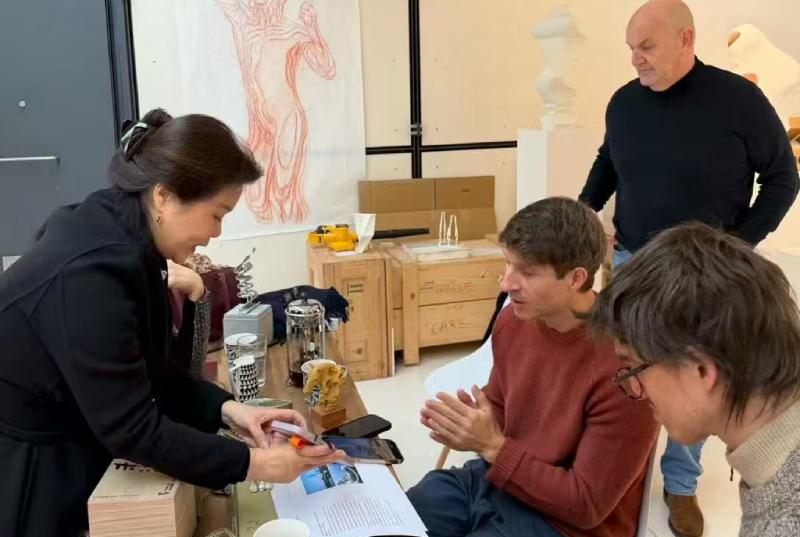
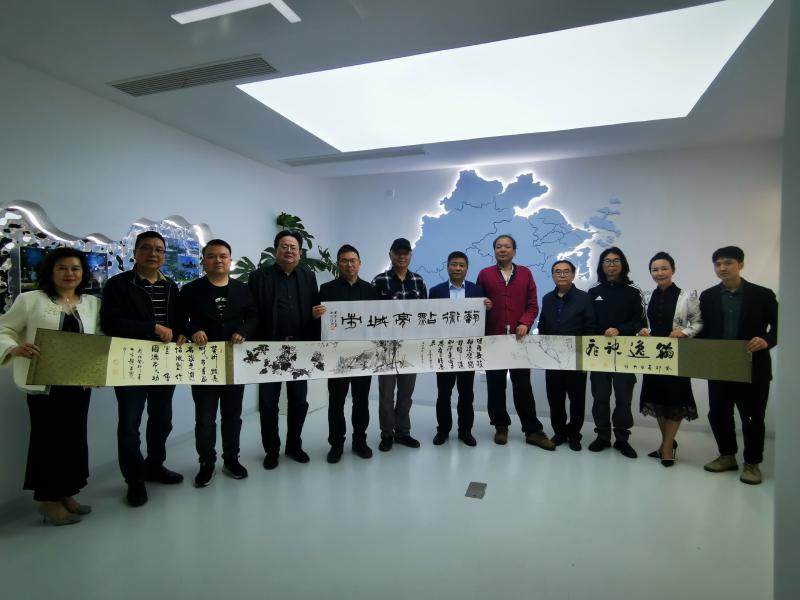
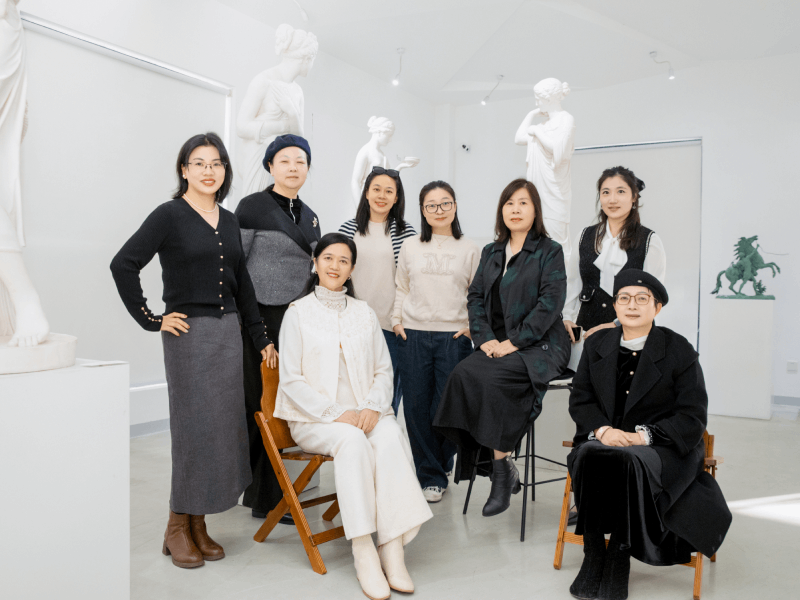
On December 7, 2025, the Women Landscape Architects Branch of Zhejiang Society of Landscape Architecture hosted an art appreciation event and thematic seminar themed Integrating Sculpture and Landscape, Appreciating Art Through Time at the World‑Master Sculpture Exhibition Hall of No.8 Park in Jiangbei District, Ningbo.Aimed at deepening Zhejiang women landscape architects’ understanding of sculptural art, exploring artistic integration between sculpture and landscape design, and inspiring professional creativity by viewing replicated masterworks,the event was initiated by the Ningbo Sub‑group of the Women Landscape Architects Branch and undertaken by Ningbo Yifeng Sculpture Co., Ltd., with 14 committee members of the provincial branch in attendance.
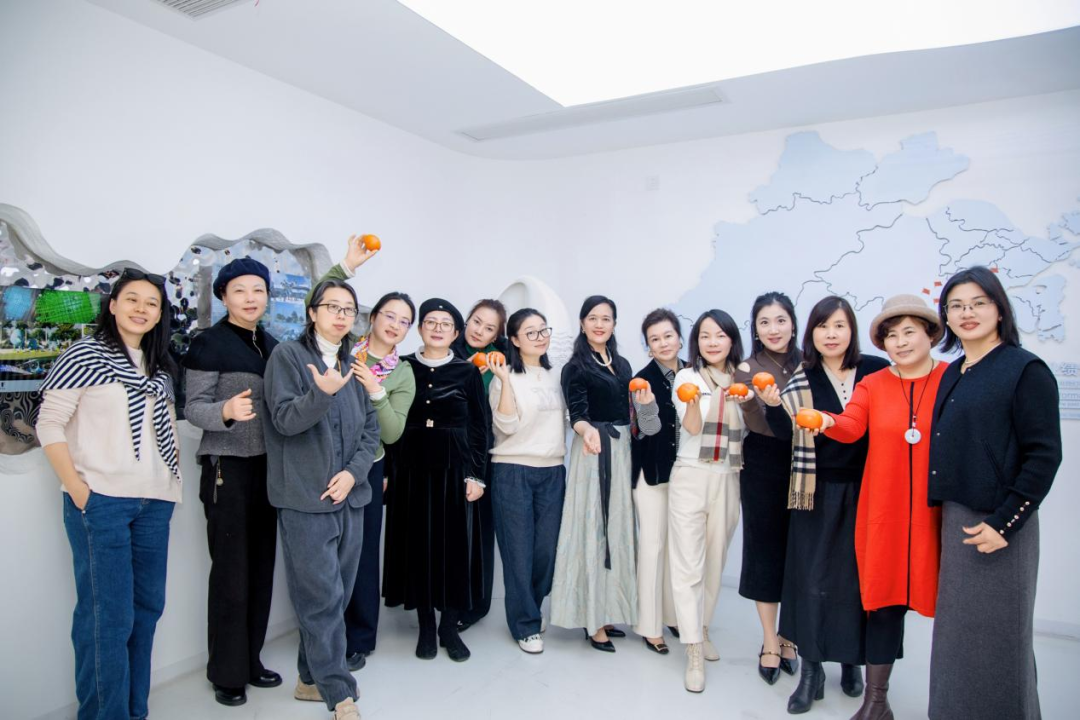
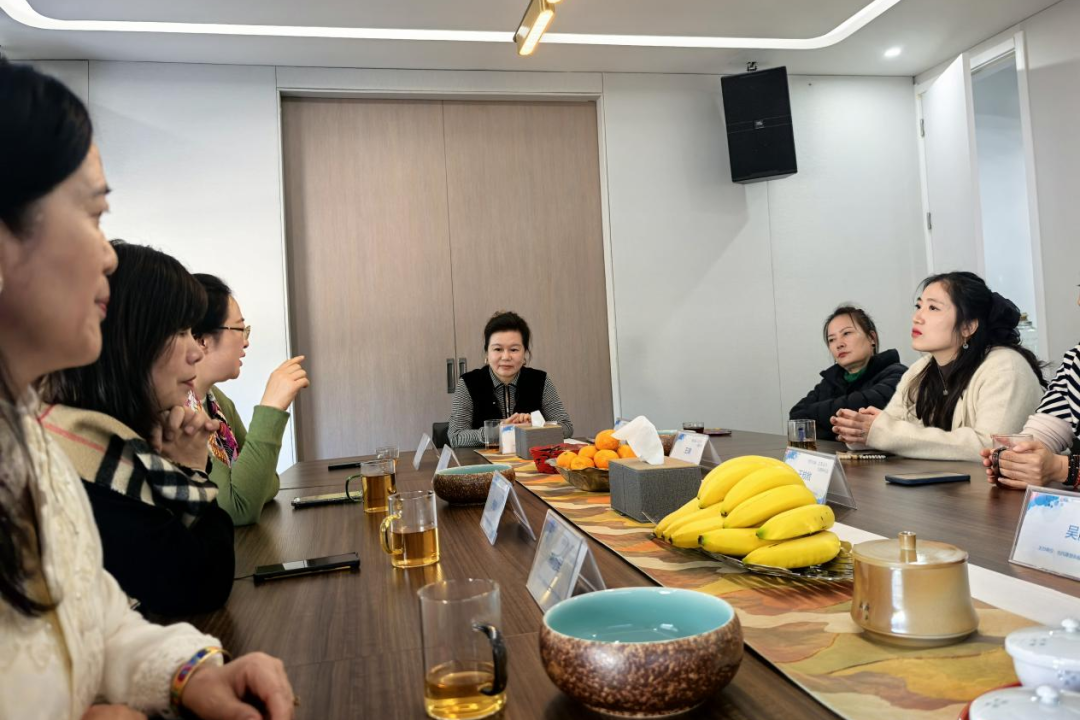
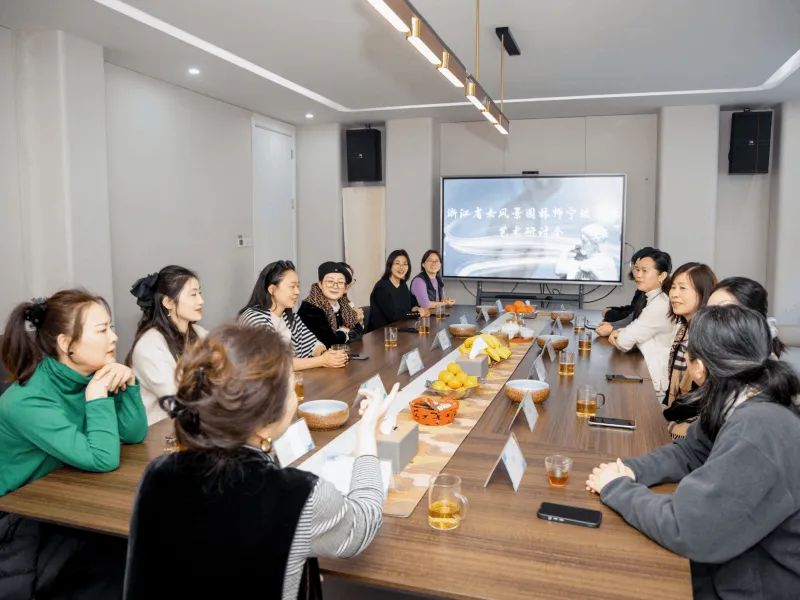
Committee members appreciated the masterpieces from multi‑dimensional perspectives including spatial composition, formal language and spiritual expression. In the follow‑up discussion session, they engaged in heated exchanges over texture, scale and site context of the exhibits, and conducted in‑depth sharing and interdisciplinary discussions on the application and enlightenment of sculpture in modern garden landscapes, combining exhibition insights with practical experience.
From a macro‑trend perspective, Committee Member Liu Youjun analyzed the deep integration of artistic creation with cultural tourism projects amid consumption upgrading. She proposed that sculpture should serve not merely as landscape ornamentation, but as the narrative core and value driver of cultural tourism projects, enhancing site uniqueness and visitor experience through artistic IP development. Focusing on art communication, Committee Members Sun Lijun, Zhou Lei and Shu Xiaoling emphasized leveraging new‑media platforms such as short videos and AR check‑ins popular among youth to translate artistic language into communicative stories, making sculptures and landscape works go viral and shaping new urban cultural symbols. Highlighting the humanistic warmth of public art, Committee Members Shen Luping, Qian Zhen and Mao Beibei advocated “sculptures with urban vitality”. They suggested sculptures be integrated into daily public spaces to boost citizen interaction and emotional connection, enabling art to move from galleries to streets and become tangible, resonant and lasting urban memories. Sharing cross‑border aesthetic concepts, Committee Member Zhang Huihua drew inspiration from marine ecology and referenced pop‑culture phenomena such as Pop Mart, arguing that landscape and sculpture design could adopt its narrative, serialized and emotionally engaging modes to create eco‑conscious and contemporary public artworks. Committee Member Wang Mimi focused on the linkage between art and education as well as the presentation of artistic aesthetics in landscape architecture, calling for greater integration of artistic beauty into landscape design. From the perspective of garden construction enterprises, Committee Member Wu Lijuan put forward constructive suggestions on addressing current industry challenges. Guest participant Wang Yi proposed the application of “intelligent experience” in sculpture and landscape design, believing digital technologies can break static viewing limitations, inject dynamic narratives into artworks and better attract young audiences.
The seminar featured a vibrant atmosphere with high‑level theoretical insights and practical depth, fully demonstrating the professional competence, interdisciplinary thinking and social responsibility of Zhejiang women landscape architects. Ye Feng, General Manager of Ningbo Yifeng Sculpture Co., Ltd., stated that the exhibition and seminar were not only an artistic edification but also professional empowerment, prompting participants to rethink the essence of landscape design from a broader dimension — how to integrate art, humanity, ecology and technology to create soul‑stirring spaces. Participants also expressed that the event broadened their horizons and deepened their thinking, infusing new inspiration and momentum into future design practice, and looked forward to translating today’s insights into tangible practices for building poetic living environments.
.png?imageMogr2/format/webp)