How a China Public Space Art Manufacturer Earns a Cross-Border Commission
A China public space art manufacturer earns a cross-border commission by proving the same things a domestic workshop must prove, plus the extra disciplines of distance, language, shipping and culture, and the proof must be visible before any money moves. The clients who succeed are not the ones who chase the lowest quote; they are the ones who audit the workshop, verify its real track record and build a communication system that survives fourteen time zones.
Yifeng Sculpture Studio has delivered public art for clients in 23 countries since 2003, so we know both sides of this relationship. This guide explains what to verify before you commit, how to run a smooth remote project, and which red flags should stop you from signing with a Chinese manufacturer that cannot answer them.
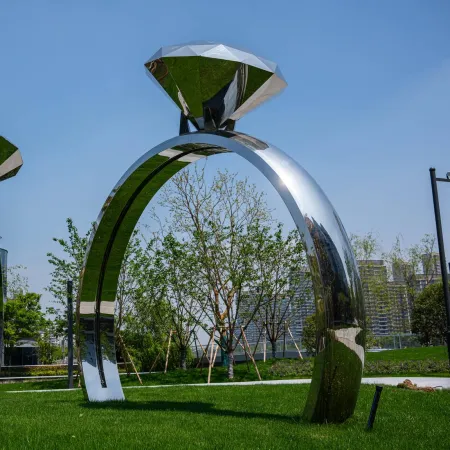
See export-grade work in our project gallery, the range we manufacture in our services overview and an overseas-style landmark such as Eye of the Phoenix.
Verifying the Manufacturer Before You Commit
The first rule of buying from a China public space art manufacturer is that claims are cheap and evidence is not. Ask for the legal registration, the workshop address and the export record; request real project lists with client names, countries and dates rather than a folder of pretty photographs; and verify that the works shown were actually built by this factory rather than borrowed from competitors. A direct video walkthrough of the workshop, live, showing the machines, the crews and any work in progress, is worth more than a hundred brochures.
Your own position as a professional buyer matters too. Manufacturers sort their clients quickly: an agent who appears to be shopping price will be treated as a price shopper, while a client who asks technical questions, requests documentation and speaks the language of fabrication is recognised as a serious buyer and receives a different level of service. Come prepared with drawings, specifications or at least a clear brief, and the manufacturer will respond with engineers rather than salespeople.
The Verification Checklist That Separates Real Factories
| Checkpoint | What to demand | Why it matters |
|---|---|---|
| Legal entity | Registration, export licence, business scope | Confirms who you are actually contracting with |
| Live workshop | Video walkthrough and current work in progress | A real factory is always mid-production |
| Export record | Countries served, shipping documents, references | Cross-border experience prevents customs pain |
| Engineering depth | Structural, wind and seismic analysis capability | Local engineers abroad cannot redesign your work |
| Quality records | Inspection reports, certificates, sign-offs | You cannot visit weekly, so records are your eyes |
Running a Smooth Remote Project
Once the manufacturer is verified, the project runs on communication systems rather than on hope. Establish a fixed weekly call at a time that works for both time zones, require a written update before every call, name a single project manager on the factory side who answers within a working day, and keep a written decision log so agreements survive the gap between calls. Every change should be confirmed in writing with its cost and schedule impact, because an undocumented change is a dispute waiting to happen.
Progressive documentation is the remote client's strongest tool. Ask for dated photographs and video of the work at every milestone, material arrival, cutting and forming, welding, finishing and packing, and review them against the approved samples rather than only at the end. If the budget allows, commission a third-party inspection before shipment; if it does not, ask the factory to walk through the finished work on a live video call while you direct the camera to the details you want to see.
Engineering and Fabrication Standards for Export
A China public space art manufacturer that exports regularly thinks in the standards of the destination country. That means structural engineering to the relevant wind and seismic codes, materials with certificates that customs and local engineers will accept, finishes that match the climate of the final site and documentation in English that a foreign inspector can actually use. If the manufacturer cannot explain how it will meet the code of your country, that is not a small gap; it is the whole point of the exercise.
The workshop should also design for the journey itself. Monumental works are sectioned to fit containers and inland transport, protected with export-grade packing that isolates every surface, and marked so the receiving crew knows exactly how to handle each crate. A manufacturer that ships art regularly has learned these lessons through damage and near misses; a manufacturer that has never exported is going to learn them on your shipment, and you should not be the tuition.
Logistics, Customs and the Handover Abroad
The manufacturer's responsibility should be defined precisely: what it includes in its price, at which point risk transfers to you, and what it will and will not do about freight, insurance and customs. Some factories sell ex-works and leave everything to your forwarder; others offer a door-to-door service with their own export team. Neither is wrong, but the split of responsibility must be written clearly so that a delay at the port or a surprise duty does not become a blame game.
The handover abroad is where a serious manufacturer distinguishes itself. It should provide an installation drawing package, a written sequence for unloading and assembly, torque specifications for the connections and a contact who remains available while your local crew erects the work. We have supported overseas installations of complex works through detailed documentation and remote guidance, and that after-sales depth is what turns a one-off purchase into a long relationship.
What a Trustworthy Export Manufacturer Provides
Verified legal entity and a live workshop you have seen with your own eyes
A real export record with clients who will speak to you
Written milestones, weekly updates and an honest decision log
Export packing, customs-ready documents and installation support
Red Flags That Should Stop You Signing
- A quote given before the drawings are understood, because it will be revised upwards later.
- Reluctance to show the workshop live, which usually means it will not impress you.
- Promises of impossible speed, because quality has a minimum honest schedule.
- Vague answers on standards and codes, which hide a lack of export experience.
- Demands for full payment before production, when milestone terms protect both sides.
Payment Structures That Build Trust Across Borders
The payment structure of a cross-border commission is where trust is built or broken, and fair terms protect both the client and the China public space art manufacturer. A typical structure asks for a modest deposit to reserve materials and production, then ties the remaining payments to verifiable milestones, material arrival, major fabrication stages, finishing and pre-shipment inspection, with a sensible balance retained until the work is accepted. That structure gives the manufacturer the working capital to proceed and gives the client the leverage to ensure every stage is completed properly.
Both sides should also agree the rules for changes before they happen. Public commissions evolve across borders just as they do at home, so the quotation should state its validity, its currency and the terms of adjustment, and every change should be confirmed in writing with its cost and schedule impact before work proceeds. We find that clients who understand these mechanics from the start are calmer and better partners, because they never fear that an undocumented change is quietly inflating their bill.
Frequently Asked Questions About a China Public Space Art Manufacturer
How do I verify a Chinese manufacturer without flying there?
Demand legal registration, a live video walkthrough of the workshop, real project references you can contact and inspection records, and commission a third-party inspection before shipment if the budget allows.
Is buying sculpture from China cheaper after all costs?
Often yes for quality custom fabrication, but only when freight, insurance, customs, inspection and rework risk are priced honestly, which is why the total landed cost matters more than the quote.
How do I manage quality across such a distance?
Through written milestones, dated photo and video documentation at each stage, sample approvals and third-party pre-shipment inspection, so quality is verified in the workshop rather than discovered on site.
Who handles customs and import duties?
The contract should name the trade terms and the exact point where responsibility transfers, and an experienced exporter will guide you through the documents your customs authority expects.
What if the finished work does not match the approved design?
The remedy is written into the contract before signing: milestone payments, inspection rights and a defined correction process that holds the manufacturer accountable to the approved samples.
A China public space art manufacturer is a powerful partner when it is chosen on evidence rather than on price, managed with disciplined communication and held to written standards at every milestone. The factories that export well treat every overseas commission as a reputation they must keep, and that attitude is worth more than any saving.
If you are evaluating manufacturers for a cross-border public art commission, we will open our workshop to a live walkthrough, introduce you to clients in your region and document every milestone in writing. Choosing a China public space art manufacturer on verified evidence is the difference between a smooth delivery and an expensive lesson.