How to Choose a Commercial Sculpture Company That Delivers on Its Promise
Choosing a commercial sculpture company is choosing who will hold your brand's image in their hands for the next fifty years — and the gap between companies is far wider than their websites suggest. At one end are integrated studios that design, engineer, fabricate and install under one roof, accountable for the work from first sketch to final anchoring. At the other are intermediaries who subcontract everything and disappear after payment. A commercial sculpture company is not a vendor; it is a partner whose capability, honesty and craft will be visible in your space for decades. Yifeng Sculpture Studio has acted as a commercial sculpture company for clients in more than twenty countries since 2003, and this guide maps the criteria that separate serious partners from expensive lessons.
We cover the capabilities to verify, the questions to ask, the red flags to heed and the process a trustworthy company should offer.
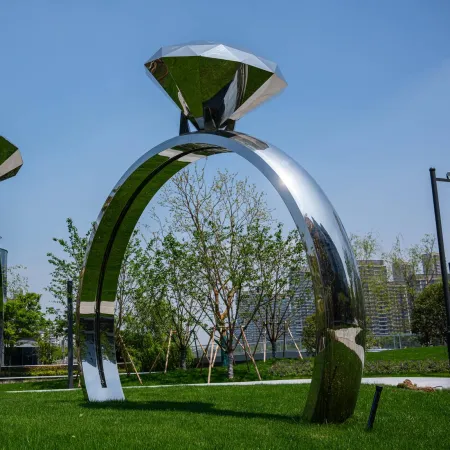
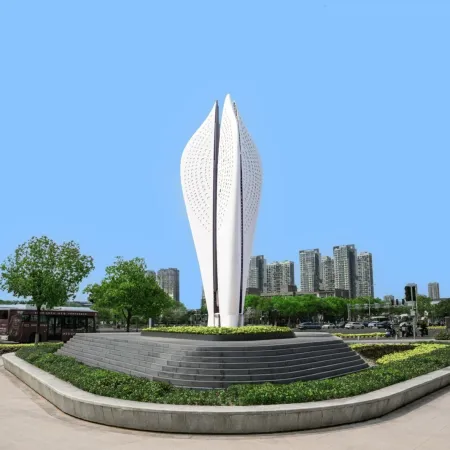
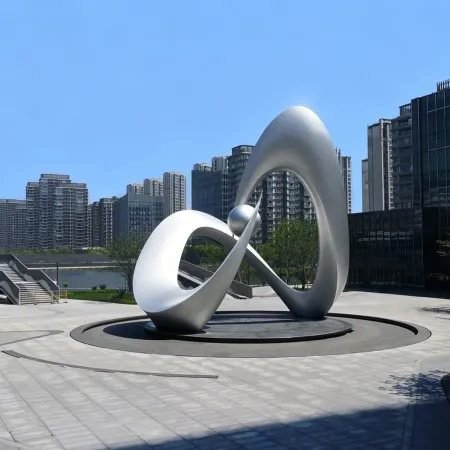
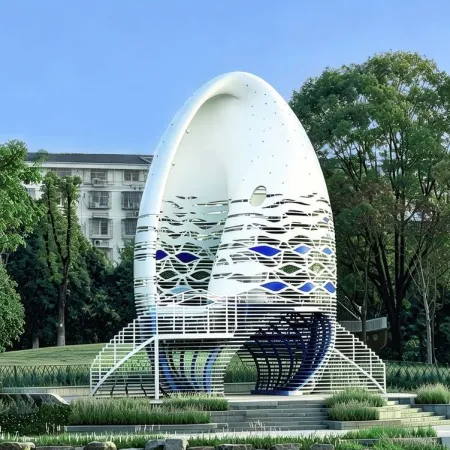
Our project archive shows the range of a full-service company, the services overview explains our integrated model, and the Past Events of the North Bank series demonstrates a company delivering a complex multi-work program.
The Capabilities That Define a Full-Service Company
A commercial sculpture company earns its keep by removing risk from the commissioning process, and that requires a specific set of in-house capabilities. Design is the visible one — but the capabilities that protect the client are the invisible ones: structural engineering that ensures the work stands for fifty years, fabrication facilities that control quality and schedule, finishing expertise that keeps surfaces beautiful, and installation crews that deliver the work intact. When all of these live under one roof, the company is accountable for the whole — when they are subcontracted separately, the client becomes the coordinator of last resort whenever something goes wrong. The first test of any company is therefore simple: which of these capabilities are in-house, and which are bought in?
Capabilities to Verify Before You Commit
- Design studio: concept development, 3D modeling and presentation capability in-house
- Structural engineering: named engineers who sign the calculations, not anonymous outsourcers
- Fabrication workshop: real facilities you can visit or video-call, with the equipment to match
- Finishing and QC: in-house finishing bays and a documented quality-control system
- Installation: crews and method statements, not a handover to an unknown contractor
Reading the Portfolio Like a Professional
A company's portfolio is its resume, and it should be read critically. Look for projects similar to yours in scale, material and setting — a company that shines at small indoor pieces may be untested at monumental outdoor work. Ask to see works that have aged: photographs of a sculpture in year one are marketing; photographs in year ten are evidence. Ask for references you can call, and call them — the questions that matter are about process: did the company communicate honestly, did it hit its schedule, did problems surface early with solutions attached, would you commission it again. A portfolio of beautiful photographs proves craft; references prove character, and character is what carries a commercial sculpture company through the inevitable difficulties of a real project.
The Process a Serious Company Should Offer
Professional companies do not improvise; they follow a process that protects both the art and the client. The stages should be recognizable and transparent: discovery and brief, concept development with options, design development to an approved direction, engineering and material specification, fabrication with scheduled inspections, and installation with a documented handover. Each stage ends with an approval point, and payments are tied to those milestones so that both sides stay honest. The company should name its process in the first meeting and write it into the proposal — a company that can explain how it works is a company that knows how to work. Vague process is the first sign of a company that will make it up as it goes, at your expense.
| Stage | What Happens | Client Approval Point |
|---|---|---|
| Discovery | Site, brief, budget and goals understood | Brief confirmed |
| Concept | Directions developed and presented | Direction chosen |
| Development | Design, materials and engineering fixed | Design and samples approved |
| Fabrication | Production with scheduled inspection | Stage approvals and QC records |
| Installation | Delivery, erection and handover | Final acceptance |
Red Flags That Should End the Conversation
Some signs should end a company evaluation immediately. A company that quotes a round number before understanding the site is pricing ignorance. One that resists independent inspection is hiding something. One whose portfolio contains only fresh installations, never aged works, has no track record to judge. One that cannot name its engineers or refuses workshop visits is not the full-service partner it claims. And one that promises more than any sculpture can deliver — instant fame, guaranteed returns, impossible timelines — is selling hope rather than capability. These red flags are rare in established companies and common in the intermediaries who give the industry its bad name. A commercial sculpture company that flinches at none of your hard questions is a company that expects to be judged by them.
The Commercial Relationship Beyond the Contract
The best measure of a commercial sculpture company is what happens after the unveiling. The sculpture will need care, and one day it may need repair; the brand may change and want the work refreshed; the district may grow and want companion pieces. A company that treats the handover as the beginning of the relationship rather than the end of the transaction is the company worth choosing. That means a care manual written for your team, aftercare support that answers when called, and a studio that remembers your work years later. Many of our longest client relationships began with a single sculpture and grew into programs spanning a decade and a district. The companies that build those relationships are the ones that treat every commission as the first of many — and deliver accordingly.
What Our Studio Delivers as a Company
Design, engineering, fabrication and installation under one roof
A transparent staged process with milestone approvals
Open books, honest schedules and named contingencies
Aftercare, care manuals and long-term partnership
One further distinction separates companies that merely fabricate from those that partner: the willingness to advise against a course of action. A commercial sculpture company that will tell you when a material is wrong for your climate, when a scale is too ambitious for the budget, or when a deadline is unrealistic is protecting your interests — because every one of those problems will surface eventually, and it is cheaper to hear about them in the office than to discover them on site. Shops that say yes to everything are not agreeable; they are deferring conflict until it becomes a crisis. In our own practice we have frequently earned more trust by steering a client away from a mistake than by delivering what was asked — the client returns for the next project because the first one succeeded, and it succeeded partly because someone was honest enough to push back.
Frequently Asked Questions About Choosing a Commercial Sculpture Company
Should we choose a local company or an overseas one?
Choose the company that best matches your project's needs, wherever it is based — modern communication makes distance manageable, while capability differences are not bridgeable. Verify the workshop, the references and the contract either way.
How many companies should we evaluate?
Three is the professional norm — enough to compare genuinely, few enough that each gets serious attention. Ask each for a concept response to your real brief rather than a capability deck; the responses will make the choice clear.
What should the proposal include?
A written scope, the staged process with approvals, a realistic schedule, a transparent estimate with named contingencies, the engineering approach, and references. A proposal that lacks any of these is incomplete by professional standards.
How do we protect ourselves in the contract?
With milestone-linked payments, defined inspection rights, a clear scope and schedule, a remedies clause for slippage and a defect liability period after installation. A company that welcomes these terms is demonstrating the confidence of a real workshop.
What if our project changes mid-way?
Changes happen in real projects, and a professional company manages them through a written change process — the impact on design, schedule and budget assessed and agreed before work proceeds. The process protects both sides from misunderstanding.
A commercial sculpture company is a long-term partner whose name will be associated with your space for as long as the sculpture stands — which, done properly, is decades. Since 2003 our studio has worked as a commercial sculpture company for clients in more than twenty countries, delivering integrated service from concept to aftercare and building relationships that have outlasted individual commissions. If you are evaluating partners for an upcoming project, put us to the test: ask the hard questions, visit the workshop, check the references. The commercial sculpture company that answers with confidence is the one ready to earn your trust — and your landmark.
Start the evaluation with a single conversation and a single real brief — the quality of the response will tell you more than a month of brochures. That first exchange has begun every long commercial sculpture company partnership in our archive, and it is the most direct way to see what we could build together.