Why Metal Art Installation Remains Public Art's Most Versatile Medium
A metal art installation is the workhorse and the showpiece of public art at once: metal carries the longest spans, holds the sharpest detail, resists the harshest climates and still manages to look effortless in a plaza, a park or a waterfront. No other material offers the same range — from mirror-polished stainless that reflects a skyline to weathering steel that ages into earthy permanence, from featherlight aluminum forms to bronze that carries centuries of tradition. Yifeng Sculpture Studio has fabricated metal art installations across more than twenty countries since 2003, and this guide explains how to choose, design and maintain metal sculpture that earns its place for decades.
The sections below cover the metals available to public art, how each behaves outdoors, the craft of fabrication, surface and finish thinking, and the maintenance story behind each choice.
Metal is often described as cold, but the public works that move people most are frequently metal — because metal is really a language of light and surface, and once that language is mastered, it can express warmth, drama, humor or serenity as convincingly as any material on earth.
Our services overview explains how metal is matched to site and concept, the project archive documents metal works in real settings, and Peach Blossom shows stainless pushed to a twenty-meter landmark form.
The Metals of Public Art and What Each One Promises
Every metal brings a different contract with weather, time and light. Stainless steel offers corrosion resistance, high strength and finishes from mirror to matte; weathering steel trades polished beauty for an aging patina that deepens for years; painted carbon steel delivers the widest color range at the most accessible cost; aluminum brings lightness that suits large forms and moving parts; and bronze connects a work to the oldest traditions of public sculpture with a surface that improves as it ages. There is no universal best metal — only the right metal for a given form, site and story — and the designer's job is to match them honestly.
Public-Art Metals Compared
| Metal | Character | Care Story |
|---|---|---|
| Stainless steel | Bright, strong, modern, reflective | Periodic washing; polish in coastal zones |
| Weathering steel | Earthy, monumental, self-aging | Drainage discipline; no coating needed |
| Painted steel | Graphic color, cost-effective | Recoat on a planned cycle |
| Aluminum | Light, precise, corrosion-resistant | Minimal; anodize or paint protects long term |
| Bronze | Historic weight, warm patina | Gentle washing and wax cycles |
How Metal Behaves Outdoors: The Weather Conversation
Metal art installation outdoors is a conversation between the alloy and the climate, and every site has a different dialect. Coastal salt attacks surfaces that inland works never worry about; industrial air and road salt shorten the life of unprotected steel; ultraviolet light fades coatings that were chosen for color; and condensation inside hollow forms can corrode from within while the outside looks perfect. The design response is layered: the right alloy for the exposure, drainage and ventilation that keep interiors dry, protective finishes chosen for the real environment, and detailing that lets every surface breathe. We begin every metal commission by asking where the work will live and what that place will throw at it — the answers shape the material specification more than any aesthetic preference.
Fabrication Craft: Where Metal Art Installation Is Won
Metal sculpture is only as good as its fabrication, and fabrication is a chain of decisions that begins long before the first weld. Plate is cut and formed to tolerances that keep a silhouette true; structural members are engineered so the art stands without visible compromise; joints are detailed to disappear or to celebrate, depending on the language of the piece; and every weld is finished so the surface reads as one continuous material rather than a patchwork of seams. Behind the visible craft sit the disciplines the public never sees: heat control that prevents distortion, sequence planning that keeps tolerances, and trial assembly that proves every module fits before it ships. A metal art installation from a controlled workshop arrives looking like a single object that was always meant to exist; one from an uncontrolled shop arrives as a collection of parts that happen to be bolted together.
What Our Studio Delivers With Every Metal Commission
Alloy and finish specified against the site's real climate and exposure
Tolerance-controlled fabrication with finished, seamless joints
Trial assembly and approved finish samples before shipping
Surface and Finish: The Language of Light on Metal
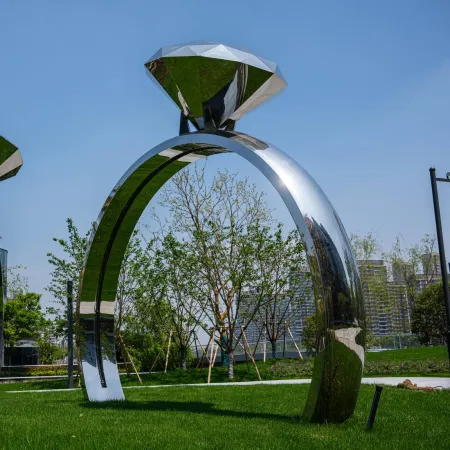
Finish is where metal art installation becomes expressive, because the same alloy can read completely differently depending on how its surface is treated. Mirror polishing turns steel into liquid sky, reflecting the architecture and weather around it; satin and brushed finishes soften the reflection into quiet elegance; bead-blasting produces a soft, uniform tone that photographs evenly; and painted or powder-coated surfaces deliver flat color with a graphic punch. Finishes also have a maintenance language of their own — mirrors show every mark in high-traffic zones, while textured finishes forgive far more. We present physical finish samples on every project, because a finish is something to be felt in the hand and seen in the light, not chosen from a photograph.
When finishes are chosen this way, the metal stops being a surface and becomes part of the concept — and the difference is visible in every photograph taken of the finished work.
Maintenance: The Honest Long-Term Story
Every metal carries a maintenance story, and the honest designer tells it before the contract is signed. Stainless in a clean urban site needs little more than periodic washing; in a coastal site it may need a disciplined cleaning and inspection routine. Painted steel needs a documented recoat cycle tied to ultraviolet exposure. Weathering steel needs its drainage kept clear and its early runoff managed. Bronze needs gentle washing and occasional wax where it is touched. None of these stories is frightening, and all of them are predictable — which is exactly why they belong in the design conversation. A metal art installation that is specified with its care in mind will still look like the day it was unveiled after twenty years, and the maintenance manual we hand over is the instrument that makes that promise real.
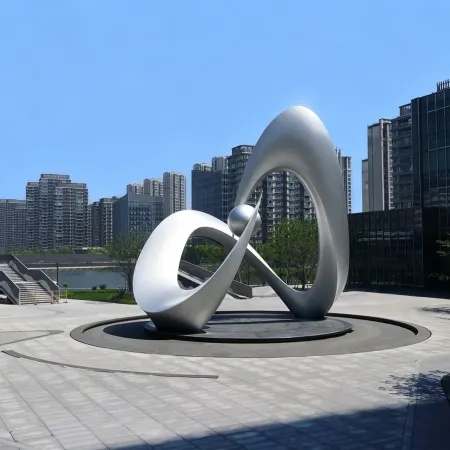
Scale changes the metal conversation as much as climate does. A compact courtyard piece can be fabricated in one workshop pass with standard equipment, while a twenty-meter landmark demands a module strategy, heavy lifting and careful sequence planning — and each scale shift changes which alloys and finishes are practical. Large thin forms need stiffening that smaller pieces never require; long spans need thermal movement detailing; and the finish application for a monumental surface is a different discipline from finishing a tabletop object. We match the metal specification not only to the site but to the work's true scale, because a metal art installation that is engineered for the way it will actually be built is one that arrives on schedule and stands as designed.
Frequently Asked Questions About Metal Art Installations
Which metal is best for outdoor sculpture?
There is no single best — stainless offers low-maintenance longevity, weathering steel offers aged character, painted steel offers color, and bronze offers tradition. The right choice depends on your form, your climate and the maintenance your site can commit to.
How long does a metal sculpture last outdoors?
Measured in decades when the alloy, finish and detailing match the site — the same work that thrives for fifty years in one climate can fail in five in another. Climate-matched specification is the difference, and it is the first thing a serious studio designs.
Can different metals be combined in one artwork?
Yes, and the contrast can be striking — stainless against weathering steel, bronze against painted steel. The engineering rule is galvanic isolation: dissimilar metals in contact must be separated so one does not corrode the other. We detail these junctions case by case.
How do we choose between mirror and brushed finishes?
By reading the site: mirror finishes multiply architecture and sky but show marks in busy zones, while brushed finishes stay calm and forgiving. We present physical samples on site so the choice is made in the real light against the real background.
What should we prepare before commissioning a metal work?
Bring the site and the intent: where the work will stand, what climate it will face, the feeling or story you want it to carry, and your maintenance capacity. With those, a studio can recommend the metal and finish that will honor both your vision and your site.
A metal art installation is a bet on craft and climate intelligence: the right alloy, the right finish and the right detailing will keep a work magnificent for decades, while shortcuts in any of the three will surface long before the artist's signature fades. The reward for that discipline is sculpture that reflects a skyline, ages like reputation or glows with color — and stands as a landmark generations will inherit. If you are considering metal for your site, our studio would welcome the conversation — share the place and the vision, and we will show you what a considered metal art installation can become.