How Public Art Masterplan Consulting Creates Coherent Places
Public art masterplan consulting exists because great places are not made by accident, they are composed, and art scattered without a plan produces clutter while art composed with a plan produces identity. A masterplan gives a district, campus or development a coherent vision for its art over many years and many commissions.
This guide explains what public art masterplan consulting delivers, how a masterplan shapes individual commissions and why a long view transforms what scattered purchases could never achieve.
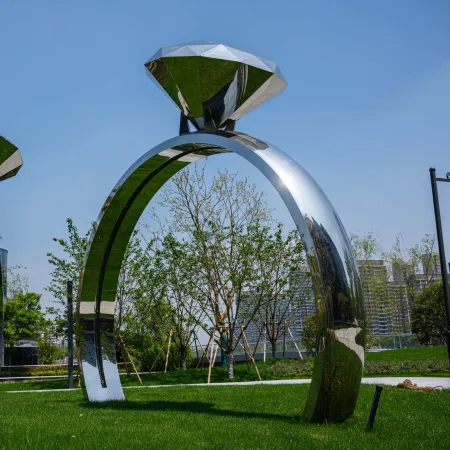
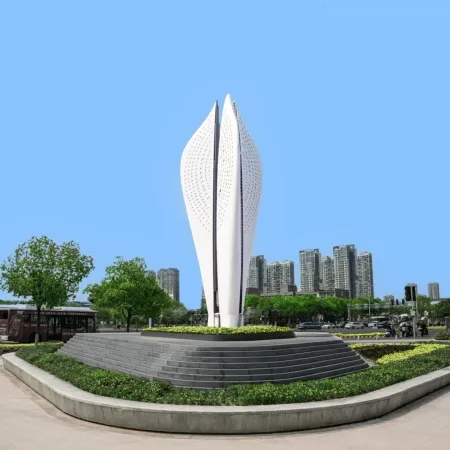
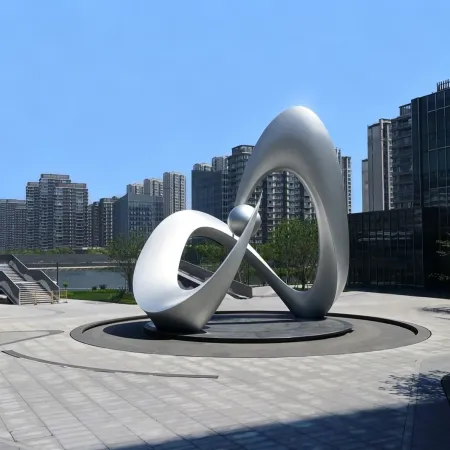
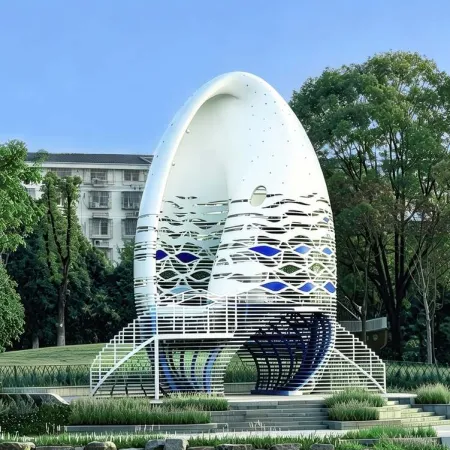
See composed placemaking in Artistic Light Columns, Fishbone Corridor and the planning services behind them.
What a Masterplan Actually Is
A public art masterplan is not a shopping list of sculptures; it is a strategy that gives a place a coherent artistic identity, and public art masterplan consulting is the discipline of creating that strategy. The masterplan begins with a deep reading of the place, its history, its communities, its architecture, its landscape and its ambitions, and it sets out a vision for how art will serve the place over time: the themes that will recur, the sites where art will matter most, the types of work that suit each location and the sequence in which commissions should unfold as the development grows.
The masterplan also creates the machinery of good commissioning. It defines the budget strategy, whether through percentage contributions, developer obligations or public funding; it sets the governance, who decides and how; it establishes the criteria against which every proposal will be judged; and it builds the relationships with artists, communities and partners that a decade of commissioning will need. Public art masterplan consulting delivers both the vision and the system, because a vision without a system is a wish and a system without a vision is a bureaucracy.
The Masterplan as a Living Document
A masterplan that sits on a shelf is worthless, and public art masterplan consulting produces a document that is designed to be lived with, revisited and revised as the place evolves. The plan should guide the first commission clearly enough that a committee knows exactly what to do, yet remain flexible enough that later commissions can respond to what the earlier ones taught, to artists who emerge and to communities whose needs change. A good masterplan is revised on a schedule, reviewed against its own outcomes and held accountable to the vision it promised.
The living quality of the plan is what makes it powerful across the long timelines of real development. A district may take a decade or more to build, with phases that come online one by one, and the masterplan ensures that the art of the first phase prepares the ground for the art of the last, that no site is wasted on a work that a later and better opportunity needed, and that the whole maturing place grows toward a coherent identity rather than a random accumulation. When the masterplan lives, the place it plans becomes more than the sum of its commissions.
| Masterplan element | What it delivers | Without it |
|---|---|---|
| Vision | A coherent artistic identity | Art that never adds up |
| Site strategy | The right work in the right place | Opportunities wasted or crowded |
| Budget system | Funding that arrives reliably | Good ideas that starve |
| Governance | Clear decisions and criteria | Committees that drift or fight |
| Sequencing | Commissions that build on each other | A scatter of unconnected works |
Composing a Place Across Its Whole Extent
Public art masterplan consulting composes art across the full extent of a place, so that each work relates to the ones around it and the whole reads as a designed experience. The plan considers the arrival, where the first impression is made; the routes, where art can turn a walk into a journey of discovery; the gathering places, where a work can anchor community life; the quiet corners, where intimate pieces reward those who wander; and the edges, where the place meets the wider city. Every site in the masterplan has a role, and every work is chosen to play it.
The composition also moves through scale and type. A masterplan may call for one monumental landmark that gives the place its symbol, a family of medium works that carry the theme through the district and a scattering of small interventions that delight the passer-by, and it may balance permanent works with temporary programmes that keep the place feeling alive. Public art masterplan consulting designs this ecology of works so that no single commission carries the whole burden and no site is left without a role, and the place that results feels rich rather than crowded.
The Masterplan and the Community
A masterplan succeeds only if the community owns it, and public art masterplan consulting builds that ownership into the process from the start. The plan should emerge from genuine engagement, the stories, values and hopes of the people who live, work and visit the place, and it should be presented in a way that invites honest response rather than polite acceptance. When the community sees its own character in the masterplan, it becomes the plan's most powerful advocate, defending the vision through the changes of leadership and the long years of implementation.
Our studio has composed art programmes for places across more than twenty countries since 2003, and the lesson of those projects is consistent: the masterplans that shaped their places were the ones that treated the community as a co-author. Public art masterplan consulting at its best gives a place a story it can tell about itself, a story written in the works that will rise across the coming years and told by the people who will live among them. When the plan and the community share the same story, every commission that follows has already been half-adopted before it is made.
- Read the whole place: history, people and ambitions first
- Write the vision and the system: both are needed
- Keep it living: revisit and revise as the place grows
- Compose the whole: every site and scale has a role
A Place Composed, Not Scattered
A vision and a system written together
Every site and scale given a role
A plan that lives as the place grows
A community that co-authors its art
Connecting the Masterplan to the Wider City
A public art masterplan does not end at the boundary of its site, and public art masterplan consulting should connect the plan to the wider city that surrounds it. The consultant studies how the place relates to the districts around it, the routes and the views that link them, the stories that flow across their borders and the art that already exists in the neighbouring streets, so that the new plan extends the cultural fabric of the city rather than ignoring it. A masterplan that thinks beyond its own edges gives its place a role in the larger story, and that role is often the source of its deepest identity.
The connection also serves the practical life of the place. A district that links its art to the city's cultural routes draws visitors who would otherwise pass it by; a campus that connects to the art of its neighbourhood becomes part of a larger destination; and a development whose plan speaks to the city's ambitions finds allies in the institutions that share them. Public art masterplan consulting that composes these relationships turns the masterplan from a document about one place into a contribution to the whole, and the place it plans becomes a chapter in a larger book rather than a page torn from it.
Frequently Asked Questions About Public Art Masterplan Consulting
When does a place need a masterplan?
Whenever art will be commissioned across several sites over several years. A district, campus or large development without a masterplan accumulates art by accident and ends with clutter instead of identity.
Does a masterplan limit future commissions?
No, it frees them. A clear vision gives committees the confidence to act and artists the context to respond, and a living masterplan is revised as the place and its communities evolve.
Who decides what goes in the masterplan?
The community, the client and the consultant together. The consultant reads the place and composes the strategy, but the plan only succeeds if the people of the place see their own character in it.
How long does a masterplan cover?
Typically the full build-out of the place, which may be five, ten or twenty years. The plan sequences commissions so each phase prepares the ground for the next toward a coherent identity.
Can one studio both plan and deliver the works?
Yes, and it is a strong advantage. A studio that writes the masterplan and makes the works can keep the vision honest through every commission and every handover across the life of the plan.
Public art masterplan consulting turns a place's art from an accumulation into a composition, because the plan gives every commission a context, every site a role and every year a direction. When the vision and the system are written together and kept alive by the community that owns them, the place that grows over the coming decades will be more than a collection of works, it will be a coherent work in itself.
Let public art masterplan consulting compose the future of your place, one considered commission at a time.