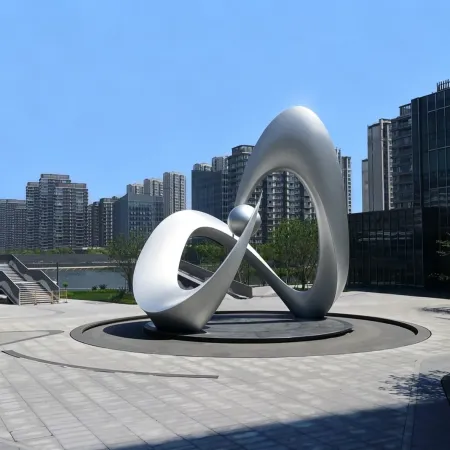
What Makes Environmental Outdoor Art Last Decades Instead of Years
Environmental outdoor art lives or dies by decisions made before the first weld, because sun, frost, salt, rain and public contact will test every choice for decades, and a work that looked perfect at installation can look neglected within two seasons if its materials and details were wrong. I have spent more than a decade creating and installing outdoor public art, and the difference between works that age gracefully and works that age badly is never luck. This guide explains the engineering and material disciplines that make environmental outdoor art endure, and the questions that protect your commission.
We will look at climate-specific material specification, structural endurance, surface detailing, maintenance thinking and the installation choices that protect a work for the long term.
Our services page explains our outdoor commissioning process, the project archive documents works built for outdoor life, and the Elephant Troop playground piece shows outdoor art engineered for constant public contact.
Climate Is the First Design Constraint
Environmental outdoor art must be specified for the climate it will actually live in, and generic specifications are the most common cause of early failure. Coastal sites demand marine-grade stainless because salt attacks standard grades; winter cities need materials and joints that tolerate road salt and freeze-thaw cycles; hot arid regions punish some coatings with ultraviolet exposure; humid climates test every seal and crevice. The studio should ask where the work will stand, study the local weather data and explain how each material choice responds to that specific environment. When a proposal does not mention your climate, it has not been designed for your site.
Structure Engineered for Wind, Snow and People
Outdoor sculpture carries loads that indoor objects never meet: wind pressure on large surfaces, snow accumulation on horizontal forms, thermal movement across the seasons and the forces of climbing children and leaning adults. The structural engineering must resolve all of these while keeping the foundations hidden and the form uncluttered. A serious studio provides the calculations and reviews the design against the local wind and snow codes, because a sculpture that stands for fifty years is engineered for the worst day in fifty years, not for the average day. Ask directly who performs the structural engineering and whether you will receive the calculations.
| Environmental Threat | Design Defence | Failure If Ignored |
|---|---|---|
| Coastal salt | Marine-grade stainless alloys | Pitting and rust streaking |
| Wind load | Calculated structure and foundations | Fatigue and instability |
| Freeze-thaw | Drainage and sealed details | Cracking and water damage |
| Public contact | Robust finishes and safe edges | Scratches, graffiti and wear |
Water Is the Silent Enemy
More outdoor art fails from trapped water than from any storm. Water that pools on a horizontal surface, sits in a crevice or finds its way behind a fixing will freeze, corrode and stain, silently undermining the work from within. Durable environmental outdoor art is detailed so water never rests: surfaces are sloped or drained, joints are sealed or vented, and every crevice is either closed or allowed to dry. These details are invisible in renderings and essential in reality, which is why they must be part of the design review rather than left to chance on site.
Finishes That Age With Dignity
The finish is the work's skin, and its specification must be honest about ageing. Some finishes are chosen to change, weathering steel developing its patina or bronze deepening with time, and the design should celebrate that change. Others are chosen to stay constant, painted surfaces and mirror polishes, and those demand a maintenance regime that the owner can actually sustain. The studio should present the ageing story of every finish, show samples that preview it and hand over a maintenance guide, so the client chooses a finish they can live with for decades, not just one that photographs well on day one.
- Site climate study: weather data reviewed before materials are chosen
- Water management: drainage and sealing detailed into the design
- Ageing previews: samples that show how finishes will evolve
- Maintenance guide: a practical care plan delivered at handover
Questions Every Outdoor Commission Must Answer
What is this site's worst weather day?
Where could water ever rest on this form?
Who will clean and maintain this finish?
How will this look twenty years from now?
Installation Choices That Protect the Future
Longevity is also decided during installation. Foundations must be poured to the engineered specification, with correct drainage around the base so water never undermines the structure. Finishes must be protected during lifting and assembly, because a scratch that happens on site is a corrosion site for life. Joints that must move with thermal expansion need the specified connections, not whatever the site crew improvises. The studio that designed and fabricated the work should supervise or direct the installation, because the people who made the piece know where every tolerance lives and where every risk hides.
Graffiti, Vandalism and Realistic Urban Resilience
Honest advice about environmental outdoor art includes the subject nobody likes to raise: the work will meet graffiti, bumps and the casual violence of urban life, and the design should be ready for it. Certain finishes resist attack better than others, textured and patterned surfaces hide marks that a pristine mirror would advertise, anti-graffiti coatings allow cleaner removal, and robust detailing gives vandals less to damage. Placement also matters, because a well-lit work in a visible, overlooked position suffers less than one hidden in a dark corner, and the design should consider sightlines from surrounding buildings and streets as part of its security strategy. These are design decisions, not afterthoughts, and they should be made with the same care as the form itself.
A realistic maintenance protocol completes the defence, because a mark removed quickly rarely becomes a pattern, while a mark left in place invites more. The studio should hand over simple guidance on cleaning, coating repair and the products that are safe for the specific finish, so the owner team can respond without calling in specialists for every incident. We design outdoor works with urban reality in mind, choosing resilient finishes where the site demands them and advising clients honestly about the care their choice will need. A sculpture that is engineered for the real life of the city, including its rough moments, is a sculpture that will still be standing, still be beautiful and still be respected when the city around it has changed beyond recognition.
Good lighting is one of the most effective and least discussed defences against vandalism, because people rarely damage what they can be seen damaging. A work that is lit through the night, or that sits within the glow of surrounding public lighting, is far safer than one hidden in darkness, and the lighting should be planned as part of the design rather than added as an afterthought. Community involvement works the same way, because a sculpture that local young people helped choose and understand is a sculpture they protect. We advise clients to combine resilient finishes, sensible lighting and genuine community ownership, because together they create the conditions in which public art is respected, and a respected work is a work that lasts.
Frequently Asked Questions About Environmental Outdoor Art
How long should outdoor art last?
Public sculpture is designed for decades of outdoor life, with stainless and weathering steel works routinely expected to serve for generations. The key is correct material specification, engineering and a maintenance regime the owner can sustain.
Do we need to treat coastal and inland sites differently?
Absolutely. Salt air attacks standard stainless grades and most coating systems, so coastal work demands marine-grade alloys and finishes specified for that exposure. A proposal that ignores the distance from the sea has not been designed for the site.
What maintenance will we need to budget for?
The regime depends on the finish: mirror stainless needs periodic cleaning, painted steel needs coating inspection and touch-up, and weathering steel needs little beyond keeping drainage clear. The studio should provide a maintenance guide with realistic intervals.
Can interactive or kinetic works survive outdoors?
Yes, when moving parts, bearings and mechanisms are specified for outdoor exposure and a realistic maintenance plan is in place. Moving elements add delight and add care, so the owner must be ready for both before commissioning one.
How do we verify a studio's outdoor durability claims?
Ask for installed works of similar age in similar climates and contact those clients. A studio with decades of outdoor commissions should welcome that reference check, because its older works are its best evidence.
Environmental outdoor art rewards clients who think in decades, because the disciplines of climate, structure, water and finish are what let a work grow old with dignity. Since 2003 our studio has designed and installed outdoor art across twenty-three countries, and our older works are our proudest references, still standing, still safe and still loved. That is the standard we build to on every outdoor commission.
Tell us where your work will live, and we will show you how environmental outdoor art should be engineered for the decades ahead.