Why Public Art Planning Consulting Belongs at the Drawing Board
Public art planning consulting exists because the decisions that make or break public art are made long before any artist is commissioned, in the zoning, the site plans, the landscape design and the budgets of development itself, and art that is not planned for is art that arrives too late and fits too poorly. Planning is where public art is truly won or lost.
This guide explains how public art planning consulting integrates art into development, why early planning transforms outcomes and how clients can build art into their projects from the first drawings.
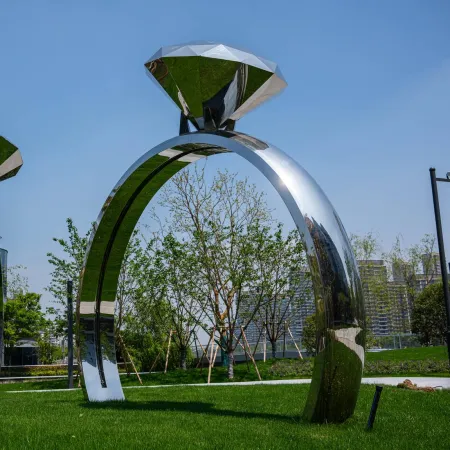
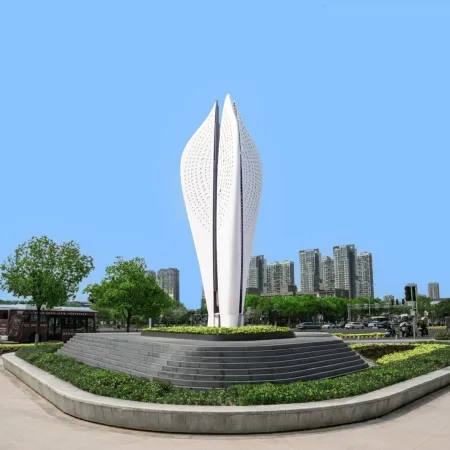
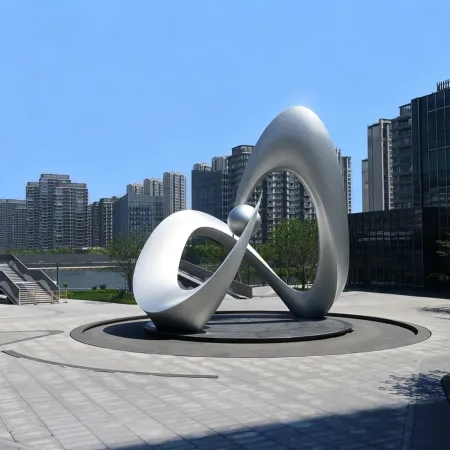
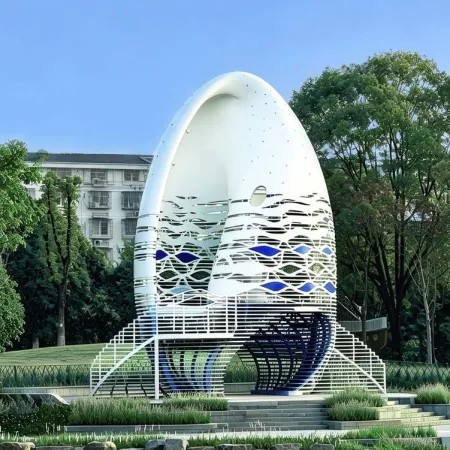
See planning realised on the ground in Zhong Gong Water Control, Heart of Changfeng and Artistic Light Columns.
The Cost of Planning Art Too Late
When public art is not planned for, it is added as an afterthought, and public art planning consulting exists to spare clients the consequences of that timing. An afterthought work must fit the spaces that remain rather than the spaces that matter, must accept the budget that is left rather than the budget the ambition needs, and must work around the planting, the paving and the services that were designed without it. The result is art that feels bolted on, and the public senses the difference immediately.
The costs of lateness are also financial. When a site must be excavated again to pour a foundation that planning would have scheduled, when a tree must be moved or a view sacrificed that an earlier drawing would have protected, when a lighting system must be added after the landscape contract closed, the client pays twice for what early planning would have paid once. Public art planning consulting brings art into the programme while the drawings are still soft, and every decision made then is cheaper, better and easier than the same decision made later.
Integrating Art Into the Masterplan
Planning art well means writing it into the masterplan of the development, and public art planning consulting advises on how that is done. The consultant identifies the sites where art will carry the most meaning, the arrival point, the central square, the routes and the quiet places, and ensures the masterplan protects those sites for art rather than giving them to parking, signage or planting that could sit anywhere. The consultant also advises on the percentage of the development budget that art should claim, the mechanisms that will release those funds and the governance that will spend them well.
The integration extends to the engineering that a serious work needs. Foundations are planned where the ground is studied anyway; services for lighting and power are brought to the art sites while the trenches are open; drainage and ground conditions are matched to the works that will stand there; and access for the cranes and deliveries of installation day is considered while the roads are still being drawn. Public art planning consulting of this thoroughness means that when the artist is finally commissioned, the ground is already prepared to receive the work with open arms.
| Planning decision | Art planned in early | Art added late |
|---|---|---|
| Sites | Best locations protected for art | Only leftover spaces remain |
| Budget | A share secured in the programme | Whatever happens to be left |
| Foundations | Built while the ground is open | Excavation done twice |
| Services | Power and light planned in | Retrofit at extra cost |
| Community | Engaged while the plan is fluid | Consulted after the decisions |
The Consultant in the Design Team
Public art planning consulting works best when the art consultant sits inside the design team rather than visiting it, because the best ideas emerge in the conversations between disciplines. When the landscape architect, the architect, the engineers and the art consultant share the same room and the same drawings, art is considered wherever a space is shaped, a material is chosen or a view is composed, and the results are works that feel native to their settings rather than visitors to them. The consultant's presence changes the quality of every decision, not only the decisions about art.
The consultant also serves as the guardian of the art's future through the long process of development. Developments change, with new phases, new teams and new pressures, and the plan for art must survive those changes. The consultant keeps the art programme alive through the revisions, protects the sites and budgets that planning secured, briefs each new member of the design team on the vision and ensures that when the moment of commissioning arrives, the ground, the budget and the will are all still there. That continuity is the quiet work that separates places with great art from places that meant to have it.
Planning for Community and Culture
Public art planning consulting also plans the cultural dimension of a development, because the art a place will hold should reflect the people who will live with it. The consultant studies the community's character, its history, its hopes and its fears, and advises on how the art programme can honour them, engaging the community while the masterplan is still fluid so that its voice shapes the vision rather than merely responding to it. When a development plans its art with its community, it builds a place that feels like home from the first day.
The planning should also look beyond the opening day to the life that follows, the stewardship of the works, the maintenance that will keep them worthy, the programme of temporary art and events that will keep the place alive and the policies that will govern new commissions as the development matures. Our studio has advised on art planning since 2003 across more than twenty countries, and the developments that aged best were the ones that planned for their cultural future as carefully as their physical one, so public art planning consulting of this completeness gives a place not only art but the system that will keep it vital for generations.
- Plan before you build: art is won in the early drawings
- Protect the sites: the best ground reserved for art
- Sit inside the team: art lives in the shared drawings
- Plan the life after: stewardship written into the scheme
Art Won at the Drawing Board
Sites and budgets secured before they vanish
Foundations and services planned once, not twice
A consultant inside the design team
Community and stewardship planned from the start
Planning Art Into Phased Development
Most large developments are built in phases, and public art planning consulting must plan the art across those phases rather than treating the programme as a single event. The early phases of a development are the riskiest for art, when budgets are tightest and the place has not yet found its community, and the plan should protect the early years with modest, well-chosen works that begin the story without consuming the resources that later phases will need. The later phases, when the place is alive and its character is known, can carry the larger gestures that give the whole development its landmark.
The phasing also lets the art learn from the life of the place. The first works reveal how the community responds, which sites carry the most meaning and which themes resonate, and the later commissions can build on that evidence rather than guessing from the masterplan alone. Reserve sites are held for the works that the maturing place will deserve, and the budget is phased so that each stage has the resources its ambitions require. Public art planning consulting that thinks in phases gives a development a programme that grows with it, each wave of art enriching the ground for the next.
Frequently Asked Questions About Public Art Planning Consulting
When should art planning start in a development?
At the very beginning, with the first masterplan drawings. Every decision made then is cheaper, better and easier than the same decision made after the ground is committed.
How does planning change the cost of art?
Early planning avoids the double costs of late addition: re-excavation, moved trees, retrofit services and compromised design. Planned art is not cheaper art, but the development pays for it only once.
Who should the planning consultant work with?
The whole design team, sitting in the same room as the architects, landscape designers and engineers. Art planned in isolation is art planned in a vacuum.
Does planning commit us to specific artworks?
No. Planning secures the sites, budget, services and vision, and it leaves the choice of specific artists and works to the commissioning stage. It prepares the ground without fixing the crop.
Can planning include community engagement?
It should. The community is engaged while the plan is fluid, its voice shapes the vision, and the development gains art that its people already feel they own before the first work is made.
Public art planning consulting is where the quality of a place's art is truly decided, because the decisions made at the drawing board determine whether the works that follow will belong to their settings or merely occupy them. When sites are protected, budgets are secured, services are planned and communities are engaged while everything is still fluid, the art of a development arrives as a native, not a visitor.
Bring public art planning consulting into your next development while the drawings can still change.