How Commercial Landscape Sculpture Completes the Outdoor Experience
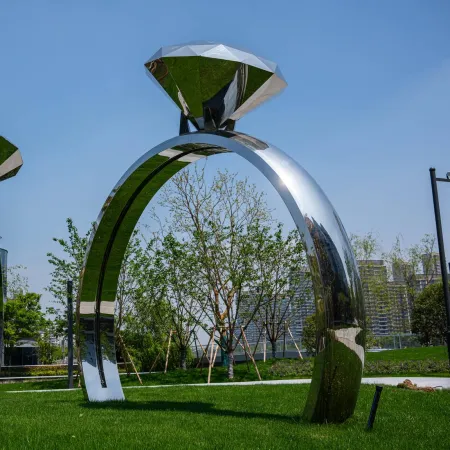
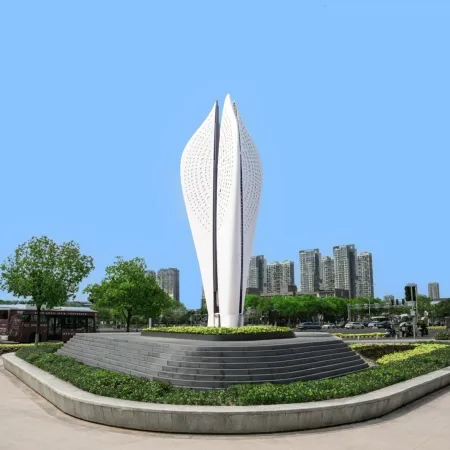
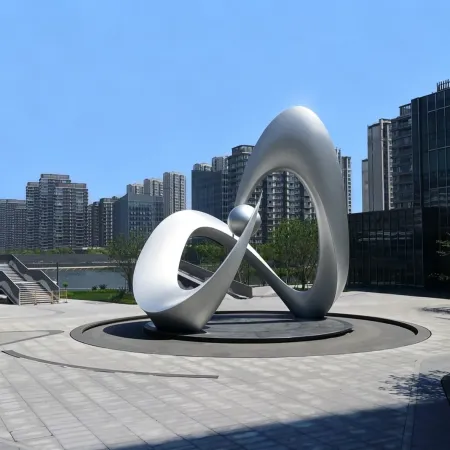
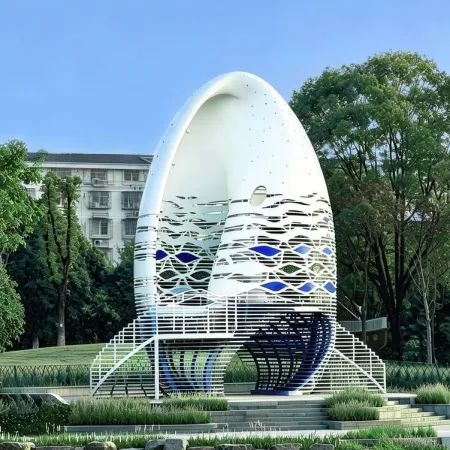
Commercial landscape sculpture is the element that turns a well-planted development into an unforgettable place — the sculpture that gives a resort its photograph, a business park its meeting point, a mixed-use plaza its reason to linger. Where architecture provides the frame and planting provides the life, a commercial landscape sculpture provides the soul: a focal object that anchors sightlines, rewards the eye at every season and gives visitors something to remember. Yifeng Sculpture Studio has designed commercial landscape sculpture for resorts, campuses, parks and commercial districts since 2003, delivering works that mature gracefully with the planting around them.
This guide explains how to choose sculpture that belongs in a landscape rather than merely sitting in one, how to coordinate with the planting design, and how to specify for the outdoor life a landscape demands.
Our project archive shows landscape commissions in planted settings, the services overview explains how we coordinate with landscape architects, and the Flow of Fenghua River installation demonstrates a work designed around water and planting.
Sculpture and Landscape: A Conversation, Not a Collision
The most common failure in landscape sculpture is the object that ignores its surroundings — a piece designed in isolation and dropped onto a lawn where it competes with the planting instead of completing it. Successful commercial landscape sculpture is designed in dialogue with its environment: its scale answers the trees that will grow beside it, its material echoes the paving and architecture, its form frames the views the landscape architect worked to create. This is why the best landscape commissions begin with the landscape itself — the sightlines, the seasonal palette, the paths and gathering places — and the sculpture is conceived as part of the same composition. When art and planting are designed together, each makes the other more beautiful every year the site matures.
Choosing the Role the Sculpture Will Play
Before form or material, the client should decide the sculpture's job in the landscape, because the role determines every design decision that follows.
The Jobs a Landscape Sculpture Can Do
- Anchor: a focal point that terminates a vista and gives the space a center of gravity
- Gateway: a marker at the entrance that says this place begins here
- Companion: a quieter work placed among planting that rewards those who stop
- Experience: an interactive or kinetic piece that invites children and creates daily rituals
- Water partner: a form designed with a fountain, pool or rain chain as one composition
Naming the role early prevents the classic mistake of commissioning a monumental anchor for a space that needed a quiet companion — or vice versa. A clear role also gives the designer a brief that produces confident, site-specific work instead of a generic sculpture selected for its beauty alone.
Materials That Belong Outdoors
Landscape sculpture lives the hardest life in the commercial portfolio: full sun, frost, rain, irrigation spray, lawn equipment and the occasional climbing child. Material choice must therefore balance beauty with survival. Weathering steel is the landscape natural — its oxide tones harmonize with bark and earth, and its surface improves with age. Stainless steel brings light and reflection, echoing water and catching the sky. Bronze offers warmth and permanence for formal landscapes. Painted steel and fiberglass deliver color for playful or branded settings, with coatings specified for UV life. Stone suits classical and contemplative gardens. The table below summarizes how the leading materials behave in landscape conditions.
| Material | Landscape Character | Care Profile |
|---|---|---|
| Weathering steel | Earth tones that age with the planting | Minimal; manage early runoff |
| Stainless steel | Light, reflection, contemporary clarity | Periodic wash in dusty climates |
| Bronze | Warmth, permanence, heritage | Wash and wax cycle |
| Painted steel / FRP | Full color for playful or branded spaces | UV coatings; periodic repaint |
Coordinating With the Landscape Architect
The sculpture and the planting must be designed as one system, which means the sculptor and the landscape architect must talk early and often. The key conversations are foundation and root zones, irrigation spray patterns, maintenance access, sightline protection as trees mature and the seasonal rhythm of the space. A sculpture placed where the irrigation reaches it daily needs different detailing than one in a dry bed; a work sited where shrubs will grow to two meters needs its base designed for that future. The studio should be willing to work inside the landscape architect's drawings, adjusting footing positions and plinth heights so that the art and the planting mature together without conflict. When both professions collaborate from the start, the result looks inevitable — as if the sculpture had grown where it stands.
Siting for the Seasons and the Years
A landscape changes every month, and a sculpture sited only for its summer appearance will disappoint in winter. The professional approach tests the work against the full seasonal cycle: where the light falls in each season, how the deciduous planting frames or hides the form, whether the sculpture reads against snow, autumn color or winter structure. Siting should also anticipate growth — a young tree that will one day dominate the view, a hedge that will close a sightline. The studio should present the sculpture in seasonal context images so the client sees the work in December as well as June. This seasonal thinking is what separates a commercial landscape sculpture that looks considered for fifty years from one that looked right only on opening day.
What Our Studio Delivers for Landscape Commissions
Sculpture conceived in dialogue with the planting and site plan
Seasonal context studies before the design is fixed
Foundation and detailing coordinated with irrigation and roots
Materials specified to the real outdoor exposure of the site
Lighting the Landscape Work After Dark
In a commercial landscape, the sculpture's evening presence is as important as its daytime one — resorts, plazas and business parks are all used after dark. Lighting should be designed with the sculpture and the planting together: uplights that reveal the form against the night sky, moonlighting through surrounding trees, or path lights that draw visitors toward the work. The lighting design must respect the landscape's character — a soft, warm glow for a contemplative garden; a brighter statement for an active commercial plaza — and should be engineered for easy maintenance, since lamps buried in planting beds are the ones that never get changed. A landscape sculpture that glows beautifully at night doubles its value to the commercial site, extending the hours in which the space feels special.
For commercial teams new to commissioning, one reassurance is worth stating plainly: landscape sculpture is not an all-or-nothing gamble. Programs can begin with a single anchor piece and grow over successive phases, or start with several quiet companions and add a landmark when the budget allows. Because each work is designed into the same planting plan, later additions feel as though they were always part of the composition rather than afterthoughts. A studio that can articulate this phased path — and design the first work so future pieces will harmonize with it — gives commercial clients a way to build a landscape collection with confidence, one successful commission at a time.
Frequently Asked Questions About Commercial Landscape Sculpture
Should the sculpture or the landscape be designed first?
Ideally together. If the landscape is already designed, the sculpture should respond to its sightlines and planting; if the sculpture comes first, the landscape should be arranged to frame it. Either way, early coordination prevents most conflicts.
How do we keep sculpture safe from landscape maintenance equipment?
Through detailing: raised or protected bases, no low projections, and a maintenance buffer of gravel or ground cover around the work. We also coordinate with the grounds team so the care routine and the sculpture's care never collide.
Can sculpture be combined with water features?
Yes, and water adds a layer of life that planting alone cannot. The sculpture, the water engineering and the planting must be designed as one system — spray patterns, splash zones and water treatment all affect the sculpture's materials and detailing.
What if the planting grows to hide the sculpture?
The planting plan should account for mature sizes, and the sculpture's siting should anticipate growth. Where framing is intended, the landscape architect specifies species and pruning that keep the sightlines open — another reason to coordinate early.
How long does a landscape commission take?
Typically two to four months from approved design to installation, plus foundation works that should be coordinated with the landscape construction schedule. Involving the studio during the landscape design phase is the most efficient path.
A commercial landscape sculpture is the difference between a development that is well planted and one that is remembered — the object that gives the place its name in conversation and its image in photographs. Since 2003 our studio has designed commercial landscape sculpture that now stands in resorts, campuses and commercial districts across more than twenty countries, maturing gracefully beside the trees and water it was designed with. If your landscape is ready for its missing element, bring us the planting plan and the site — the commercial landscape sculpture we develop together will belong there from its first season and grow more beautiful with every year after.
Send us the site plan and a few photographs, and we will show you where the sculpture belongs and what it could be — a first proposal that has begun every commercial landscape sculpture in our archive, and the fastest way to see your landscape completed.