Why Public Art Budget Consulting Saves Projects From Themselves
Public art budget consulting exists because the gap between a beautiful idea and a finished work is filled with costs that few first-time commissioners anticipate, and a budget that ignores those costs fails the project long before the art does. Money is not the enemy of ambition; unexamined money is, and a consultant who brings realism to budgeting brings the project its best chance of survival.
This guide explains how public art budget consulting works, what a realistic budget must contain and how to protect a commission from the cost surprises that sink so many public works.
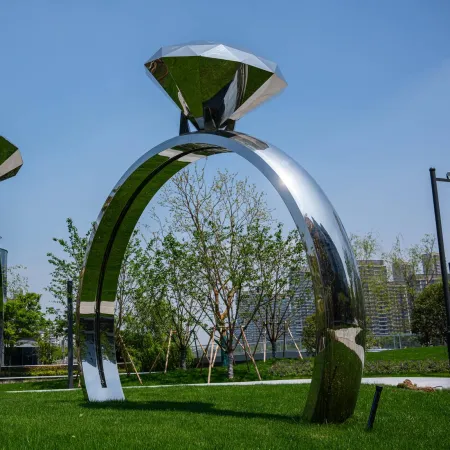
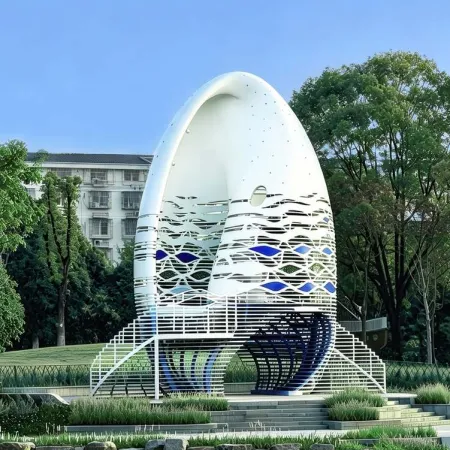
See budgets turned into enduring works in Honeycomb Pavilion, The Diamond Rings and Fishing Net Canopy.
What a Realistic Public Art Budget Contains
The first lesson of public art budget consulting is that the artist's fee and the fabrication cost are only part of the story. A complete budget must also carry the design and concept development, the engineering and structural studies, the community engagement and approvals, the foundations and site preparation, the transport and installation with its cranes and traffic management, the lighting if the work is to live at night, the project management and insurance, and the contingency that every real project needs. Each of these lines can rival the visible art in cost, and together they often double the number a client first imagined.
Budget consulting also means thinking beyond installation to the life of the work. Maintenance has a cost that recurs year after year, from cleaning and inspection to the eventual repair or recoating that every outdoor work needs, and responsible clients build a small maintenance fund from the start rather than discovering the burden later. When the full lifecycle is priced, the client can choose honestly between a material that needs little care and one that needs more, and the choice is made with eyes open instead of by surprise.
Matching Ambition to the Money Available
Public art budget consulting is as much about scope as about numbers, because the art of budgeting is fitting a worthy ambition to the money that truly exists. A consultant studies the realistic envelope first and then guides the concept within it, proposing materials, scales and processes that the budget can honestly carry, so the client never falls in love with a design that economics will later betray. Where the ambition and the money cannot meet, the consultant says so early and offers the honest choices: a different material, a phased programme or a temporary work that can grow into a permanent one.
The same discipline protects against the opposite failure, the budget that is quietly too large for the ambition proposed. A professional consultant will not inflate a scheme to consume an available fund, because public money spent on unnecessary scale or material is public money wasted, and the community that sees through it will punish the work. Instead the consultant seeks the point where the budget and the vision genuinely meet, where every dollar is visible in the work, and where the client finishes with the confidence that the money was spent where it mattered.
| Budget line | What it covers | Common mistake |
|---|---|---|
| Design and concept | Artist fees, studies, maquettes | Treating design as free |
| Engineering | Structure, wind, foundations | Forgetting the work must stand |
| Fabrication | Materials, workshop, finishing | Quoting the cheapest version |
| Site and installation | Foundations, cranes, logistics | Ignoring how the work arrives |
| Contingency | The unexpected that always comes | Zero margin for reality |
| Maintenance fund | Cleaning and care over time | No plan for year two |
Protecting the Budget Through the Process
A budget is a promise that must be defended through every stage of the commission, and public art budget consulting includes that defence. The consultant structures the programme so that costs are confirmed at the right moments, with quotations for fabrication and installation fixed before contracts are signed rather than discovered after, with material selections locked before they can quietly upgrade, and with change control that asks who pays when the scope moves. Without this discipline, budgets leak slowly, a variation here and an extra there, until the final account bears little resemblance to the approved figure.
Milestone payment structures protect both sides of the relationship. The artist and maker are paid as value is delivered, at concept approval, at fabrication milestones and at installation, so they are never left financing the client's project; the client retains the leverage of remaining payments, so quality and completion are protected to the end. A professional consultant designs this structure with both parties' interests in view and administers it fairly, because the budget is not only a number but a relationship, and a relationship handled with integrity is the surest guarantee that the work will be finished well.
Honest Numbers, Honest Choices
Public art budget consulting earns its keep in the conversations that most people avoid: the honest discussion of what things cost and what the client can truly afford. A consultant who names real figures early, including the unglamorous costs of foundations, cranes and maintenance, gives the client the gift of choice while choices are still open, and a client who chooses with full knowledge is a client who will not feel betrayed when the invoices arrive. The alternative, a rosy estimate that collapses under the first real quotation, destroys trust in the whole project.
Our studio has carried commissions through budgeting, fabrication and installation since 2003, in more than twenty countries and across every scale from intimate garden pieces to large civic landmarks, and the lesson of all those projects is constant: the works that succeed are the works whose budgets were told the truth from the first day. When the money is examined with the same care as the art, the art is free to be ambitious within a foundation that will actually hold it, and the client's confidence carries the project through the inevitable difficulties of making something that will last for decades.
- Price the whole lifecycle: installation and care included
- Fit ambition to money: scope follows the honest envelope
- Defend the budget: fix costs before contracts
- Pay by milestone: value delivered, leverage retained
A Budget Built on Truth
Every real cost named from the start
Ambition matched to the money available
Costs fixed before contracts are signed
Milestones that protect both parties
Funding Sources and the Art Percentage
Public art budget consulting also advises on where the money comes from, because the source of funding shapes the programme that follows. Many public developments fund art through a percentage of the construction budget, a mechanism that ties the ambition of the art to the scale of the place and has produced some of the most confident commissions in the world; others draw on public grants, private philanthropy, developer obligations or a combination of all three. Each source carries its own expectations, reporting and timelines, and the consultant helps the client assemble a funding picture that is realistic and durable rather than hopeful and fragile.
The percentage itself deserves honest analysis rather than blind convention. A fixed percentage may be too little for a site that demands a monumental gesture or more than enough for a modest corner that needs only a gentle intervention, and the consultant advises on how the available money should be allocated across the life of the place rather than spent on a single showcase. Phasing the funding, reserving part of it for later phases and holding a portion for maintenance are disciplines that transform a one-off purchase into a lasting programme, and they are exactly the kind of foresight that public art budget consulting exists to provide.
Frequently Asked Questions About Public Art Budget Consulting
Why do public art projects go over budget?
Because first-time commissioners forget the costs beyond fabrication: foundations, engineering, transport, installation, approvals and maintenance. Budget consulting names all of them before commitments are made.
How much contingency should we hold?
Experienced teams typically hold a meaningful contingency for the unexpected that every real project meets, and the exact level should be agreed with your consultant according to the project's complexity and risk.
Should maintenance be in the capital budget?
Maintenance should be funded separately from the capital budget, but planned at the same time. A small annual care fund prevents the slow decline that claims so many public works after installation.
How do we compare quotations honestly?
Compare the full scope, materials, finishes, documentation and warranty, not the headline number. The cheapest quotation often excludes the work that the honest one includes, and your consultant can read the difference.
Can budget consulting stop scope creep?
Yes, through change control. When every scope change is priced and approved before it happens, the budget stays intact and both parties know exactly where they stand at every milestone.
Public art budget consulting protects the dream by telling it the truth, because a budget examined with honesty is the foundation on which ambitious art can safely stand. When every cost is named, every choice is informed and every milestone is protected, the money becomes the servant of the vision rather than its betrayer.
Let public art budget consulting turn your figures into a future your community will keep.