How a Public Art Design Firm Approaches Commissions Differently
A public art design firm is chosen for the quality of its thinking as much as for the beauty of its portfolio, because the firm is selling judgment, process and authorship rather than products from a shelf. The best firms bring a point of view to every commission, and the client who understands how a firm thinks can judge whether that point of view serves the place they care about.
This guide explains what distinguishes a public art design firm from other suppliers, how firms develop and protect their ideas, and the questions that reveal whether a firm is the right creative partner for your project.
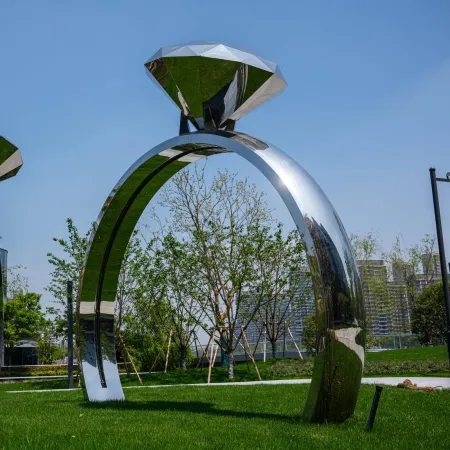
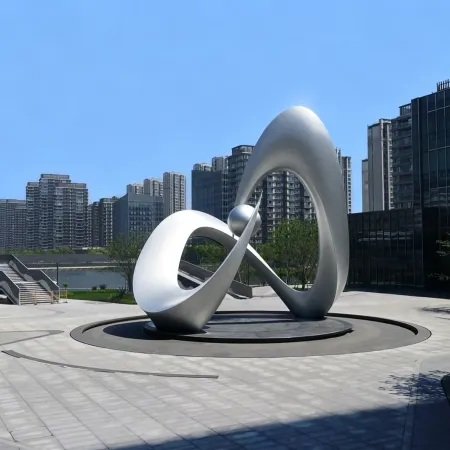
See the thinking of an established firm in Eye of the Phoenix, Heart of Changfeng and Artistic Light Columns.
What a Firm Sells Is Judgment
A public art design firm sells judgment before it sells objects, because the decisions made in the first months of a commission decide its success more than any later craft. Should the work be figurative or abstract, monumental or intimate, permanent or temporary, bronze or light? Should it stand at the entrance or in the garden, celebrate the history or question it, speak to the whole city or to the people who pass daily? The firm earns its fee by answering these questions well, and the client should choose a firm whose judgment it trusts on the kind of questions its own project raises.
Judgment is visible in how a firm talks about its past work. A firm that explains why each work took the form it did, what the site demanded, what was rejected and what was learned, is a firm with a way of thinking the client can evaluate; a firm that presents only finished images and adjectives is a firm whose thinking is hidden behind its portfolio. The client should interview firms the way one interviews any professional adviser, asking about their philosophy, their process and their disagreements with past clients, because a firm with strong judgment will have strong opinions and the courage to express them.
| Firm strength | What it means for your project | How to test it |
|---|---|---|
| Point of view | A design with conviction behind it | Ask why past works took their forms |
| Process | Ideas tested before they are built | Ask how concepts are developed |
| Authorship | A work that is genuinely yours | Named designers and copyright terms |
| Honesty | Advice you can act on with trust | Ask what the firm would advise against |
The Firm Process: Ideas Tested Before They Are Built
A serious public art design firm runs a process that tests ideas before they are built, because the cost of a wrong idea rises with every stage of a commission. The firm begins with reading, the site, the community, the history and the brief, then develops several concepts and tests them against the place, presenting options that the client can weigh rather than a single design presented as a conclusion. Concepts are tested through sketches, models, full-scale mock-ups where the budget allows and honest conversations with the people who will live with the work, so that weakness is found while it is still a drawing.
The process is also the firm's quality control, because it forces every idea to survive scrutiny before it earns the cost of fabrication. A firm that moves from the first sketch straight to the workshop is a firm that has skipped the stages where good ideas become better and bad ideas are abandoned; a firm that welcomes the slow discipline of development, with its approvals, its revisions and its honest cost checks, is a firm that understands where the value of a public commission is actually created. The client should ask to see the process in action, because a good process is the firm's best guarantee.
Authorship and the Protection of Ideas
When you commission a public art design firm, you are commissioning original thought, and the protection of that thought matters to both sides. A firm of integrity creates designs for your project and does not recycle them for the next client, and it offers a contract that transfers the design and reproduction rights to you while its artists retain moral rights, so that the work belongs to your place alone. The firm should also protect its own designers, ensuring that the people who create the work are credited and compensated, because a firm that exploits its artists will not attract the artists your project deserves.
The documentation of authorship is part of the service, because ideas in public art are vulnerable to drift and dispute. The firm should record the concept presentations, the approvals and the reasons behind each development, so that the story of the design is preserved with the work itself; future curators, conservators and funders will want to understand why the work looks as it does, and the firm that leaves that record is serving the work long after the commission ends. Ideas that are protected and documented are ideas that can be defended, and a firm that treats authorship seriously is protecting your investment in originality.
Firms and Making: Design, Fabrication and the Gap Between
A public art design firm may design only, or it may design and make, and the client should understand which model it is choosing because the gap between design and making is where public art most often goes wrong. A firm that designs without a workshop must hand its drawings to a fabricator who was not party to the creative decisions, and the translation of an idea into material is itself a creative act that a separated process performs poorly; a firm that owns its workshop keeps the designers close to the making, so that the artist sees the work at every stage and corrects the inevitable surprises of material and scale while they are still cheap.
Integration also simplifies accountability, because the client of an integrated firm has one partner from the first concept to the final installation rather than a chain of suppliers who can blame each other. If the firm you are considering designs only, ask who will fabricate, who will engineer, who will install and how the firm supervises the gap; if it designs and makes, verify the workshop as you would verify any maker. The strongest arrangements keep the author of the idea present through the making, because the work is the idea made visible and every stage of the making is a stage of the art.
What a Strong Firm Brings
Judgment you can test before you commit
A process that tests ideas early and cheaply
Authorship protected for you and its artists
Design and making kept under one roof
Choosing a Firm That Fits Your Project
Firms have characters, and the client should choose a public art design firm whose character fits the project, the place and the people who will judge the work. A firm celebrated for monumental abstract landmarks may be wrong for a community that wants a figurative celebration of its founders; a firm whose work is quiet and conceptual may be wrong for a commercial district that needs a bold icon; and a firm that works best with sophisticated clients may be impatient with a committee that needs education. The portfolio reveals range as well as quality, and the client should look for evidence that the firm has succeeded with projects like theirs.
The fit is also personal, because a public commission is a long collaboration conducted under public scrutiny. The client will live with the firm's judgment, its communication and its composure through the crises that every project meets, and the chemistry of the relationship matters as much as the quality of the portfolio. Meet the people who will actually lead the work, discuss how they handle disagreement and delay, and trust the instinct that tells you whether you can work with them for the next year and defend their work for the next decade. The right firm is the one whose thinking you trust and whose company you can keep.
Frequently Asked Questions About a Public Art Design Firm
What is the difference between a firm and a manufacturer?
A firm leads with design judgment and authorship, while a manufacturer leads with fabrication capacity. The strongest organisations combine both, but the emphasis tells you what you are really buying.
How do we judge a firm's creative judgment?
Ask the firm to explain why its past works took the forms they did, what was rejected along the way and what it learned. The quality of the reasoning reveals the quality of the judgment.
Should we choose a firm with an owned workshop?
It is a strong advantage: the designers stay close to the making, the client has one accountable partner and design changes are absorbed internally. Verify the workshop as you would any maker.
Can a firm work with a design from another artist?
Yes, some firms develop and fabricate designs by independent artists. If that is your situation, confirm who holds the design rights and how the artist and the firm divide responsibility.
How do we protect our ideas during a competition or pitch?
Use a clear brief and agreement that defines how submitted concepts may be used. A reputable firm respects the terms of the pitch and will not reuse your rejected concepts for another client.
A public art design firm is a partner in judgment, and the client who chooses well gains a way of thinking as much as a way of making. Test the firm's reasoning, watch its process, verify its authorship and confirm that design and making are kept close, and the work that results will carry a conviction that catalogue purchases can never match. Public art is the visible signature of a place, and the firm that signs it should be chosen for the quality of its mind as well as the beauty of its hand.
Choose a public art design firm whose judgment you trust, and the work will speak well of both of you for generations.