How Environmental Space Art Turns Empty Space Into a Destination
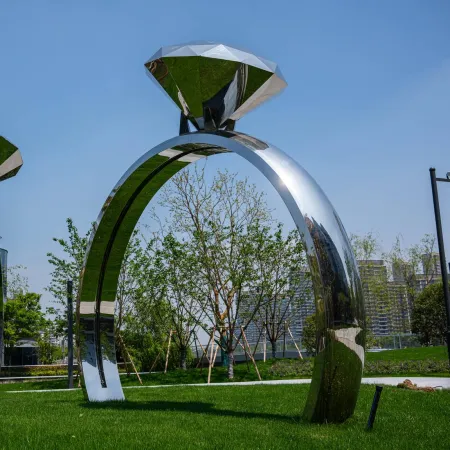
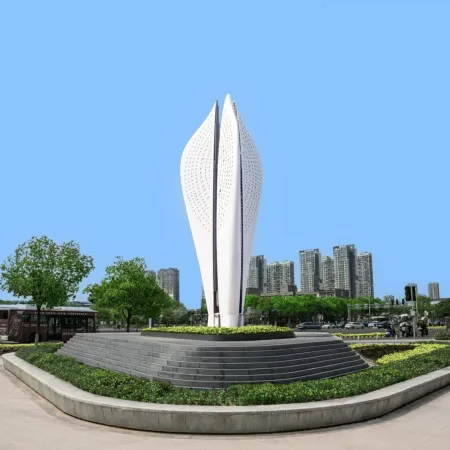
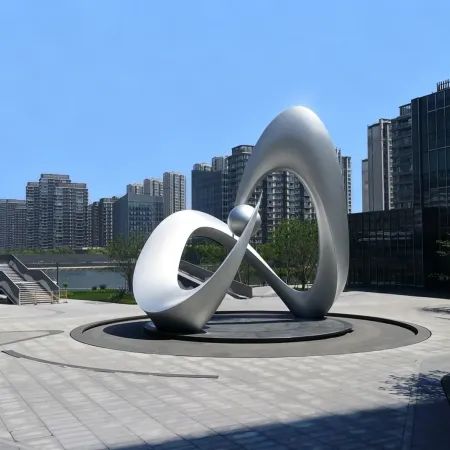
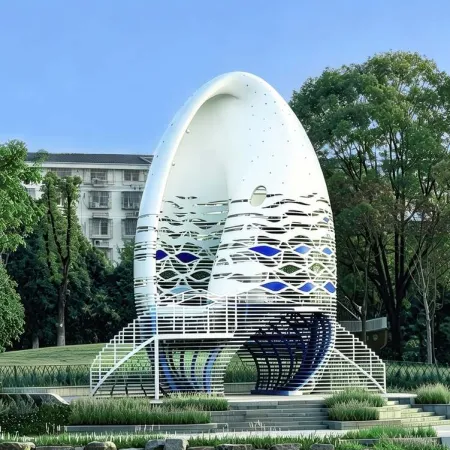
Environmental space art works on the space itself rather than merely occupying it, using form, scale, rhythm and light to transform how a volume feels, so a space that people once crossed quickly becomes a space they enter, pause in and remember. I have spent more than a decade creating spatial works for architecture and landscape, and the most rewarding commissions are the ones that rescued forgotten space, a dead corner, a wasted undercroft, an empty courtyard, and gave it a reason to exist. This guide explains how environmental space art is conceived and what it can do for your site.
We will look at how art shapes spatial experience, the forms that define volumes, the role of light and movement, and how to commission space art for architecture and landscape alike.
Our services overview explains how we approach spatial commissions, the project archive documents works that define spaces, and the Heart of Changfeng installation shows a spatial work giving identity to an urban environment.
Art That Shapes the Space Itself
Environmental space art is distinguished by its ambition to shape volume rather than decorate it. A wall-hung object leaves the space unchanged; a spatial work alters how the space reads, defining a centre, creating a threshold, framing a view or giving a void a scale that people can feel. The artist thinks in three dimensions and in human movement, considering where people enter, how they circulate and where they stop, and composes the work so the space itself becomes the medium. This is why space art is the natural partner of architecture: it completes what the building began.
Reading the Space Before Designing the Art
Every space has a hidden logic, and environmental space art should be built from it. The studio studies how the space is entered, how light moves through it across the day, what its proportions do to the human body and what function it serves, and from that reading develops a concept that responds to the space's own character. A narrow passage calls for a different gesture than a vast atrium; a courtyard seen from above needs a composition for the windows as well as the ground. The questions come before the sketches, because space art that ignores its space is merely sculpture with a room attached.
| Space Type | Spatial Challenge | Artistic Response |
|---|---|---|
| Atrium | Vast vertical volume | Suspended or climbing forms |
| Courtyard | Enclosed, seen from above | Ground compositions, canopies |
| Passage | Linear movement | Rhythm, arch and sequence |
| Public plaza | Open, exposed, vast | Landmarks and gathering forms |
Light, Movement and the Fourth Dimension
Environmental space art lives in time as well as space, because light moves and people move. A spatial work may cast shadows that trace the day across the floor, catch the low sun at a particular hour, or carry integrated lighting that changes the space after dark. Movement adds another layer: kinetic elements that respond to wind, water features that sound the space, or interactive systems that react to visitors. These temporal qualities are what make space art endlessly renewing, giving people who pass through daily a reason to notice the space again, and they demand engineering and maintenance planning that a static object never requires.
Scale, Proportion and the Human Body
The human body is the measure of all space art, because a work that ignores bodily scale makes people feel diminished or overwhelmed without understanding why. The studio should test how the work reads at the door, from a seat, from the upper floors and from the approach, and should adjust the composition until the space feels right at every scale of human presence. Full-scale testing, mock-ups and site visits are part of this discipline, because drawings and renderings cannot convey the bodily truth of spatial experience. The finest space art makes people feel that the space was always waiting to be completed by them.
- Entry and circulation: the work composed around how people actually move
- Multi-level reading: compositions that work from every vantage point
- Light planning: daylight and integrated lighting designed together
- Maintenance access: spatial works planned so they can be cared for
A Space Transformed Feels Like This
People enter instead of hurrying past
The volume finally has a centre
Light and shadow give the space a rhythm
Visitors return to see it change
Commissioning Space Art for Architecture and Landscape
Space art is most powerful when it is commissioned while the architecture or landscape is still being designed, because the art can then shape the space rather than fight it. The studio should join the design conversation early, receiving the plans and the architect's intentions, and contributing concepts that the building team can accommodate, foundations, services, structure and lighting all become easier when art arrives early. When art is added to a finished space, the work must adapt to constraints that were never designed for it, and the result is usually a compromise of both the space and the art.
Art for Transit Spaces: Passages, Lobbies and Thresholds
Some of the most rewarding environmental space art lives in the spaces people merely pass through, because a corridor, lobby or threshold is where a well-judged work can turn an anonymous journey into an experience. Transit spaces are defined by movement, so the art should be composed for the moving eye, forms that unfold as you approach, rhythms that match the pace of walking, light that changes as you pass, and it should respect the practical life of the space, never blocking flow, sightlines or security. A lobby work greets every visitor and sets the character of the whole building; a passage installation can make the walk between buildings feel like an event rather than an obligation. These are the spaces where space art earns its keep daily.
Designing for transit demands close collaboration with the architects and the building team, because the art must integrate with the lighting, the finishes and the movement patterns that already define the space. We study how people actually use the threshold, where they pause, where they hurry, what they carry, and we design the work to reward the pause without punishing the hurry. The engineering must satisfy the building structural and safety requirements, and the maintenance must fit the routines of a facility team rather than demanding specialist care. When space art succeeds in a transit space, it changes the feel of a journey that thousands of people make every day, and that quiet, repeated impact is one of the most satisfying achievements public art can claim.
Space art in a workplace or civic building also shapes the emotional life of the people who use it daily, which is a subtle power that deserves respect. A well-judged work in a lobby can lift the mood of everyone who enters, give employees a point of pride and give visitors an immediate sense of the organisation character; a poorly judged one becomes a daily irritation that people quietly resent. The design should therefore be developed with the building users in mind, their culture, their daily routines and the impression they want to make, and it should be tested against how it will feel on the hundredth day, not just the first. When space art earns its keep in the ordinary rhythm of daily life, it becomes part of the building identity itself.
Frequently Asked Questions About Environmental Space Art
How is space art different from sculpture?
Sculpture is an object in space; space art is a work on space. It shapes how a volume feels, defines centres and thresholds and responds to movement and light, so the space itself becomes part of the artwork.
Can space art be added to an existing building?
Yes, though earlier involvement produces stronger results. Adding to a finished space requires working around existing structure, services and sightlines, so the studio should study the actual space carefully before promising what is possible.
Does space art need integrated lighting?
Not always, but lighting multiplies a spatial work's power, especially indoors or after dark. When lighting is used, it should be designed with the art and the space together, with maintenance access planned from the start.
How do we evaluate a studio for spatial work?
Look for demonstrated spatial thinking: works that transform volumes, a willingness to study your space before sketching and the engineering depth to suspend, support or light ambitious forms safely. Range across different space types is a strong signal.
Can a small space benefit from space art?
Small spaces often benefit most, because a well-judged gesture can transform a passage, a stairwell or a courtyard that no amount of decoration could save. The art gives the space a reason to exist.
Environmental space art is the art of giving volume a soul, and at its best it rescues spaces that people had stopped noticing and makes them the reason people come. Since 2003 our studio has created environmental art across twenty-three countries, and the spatial works we treasure are the ones that changed how people use a place entirely. That is the transformation we would love to bring to your space.
Send us your plans or your photographs, and we will show you what environmental space art could do with the space you have.