What a Public Art Projects Company Should Handle End to End
A public art projects company earns its keep when it can carry a commission end to end, from the first conversation about a site to the final report after installation, because public art fails at the seams when no single party owns the whole. The client who hires a full-scope company buys one name accountable for the vision, the engineering, the making and the placing of the work.
This guide explains what a public art projects company should master across the full lifecycle of a commission, how to assess whether a company truly owns its process, and what to expect at every stage from concept to the years after installation. We have operated as such a company since 2003, delivering public works across more than twenty countries.
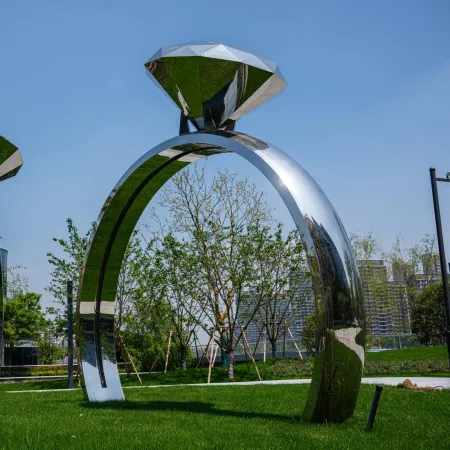
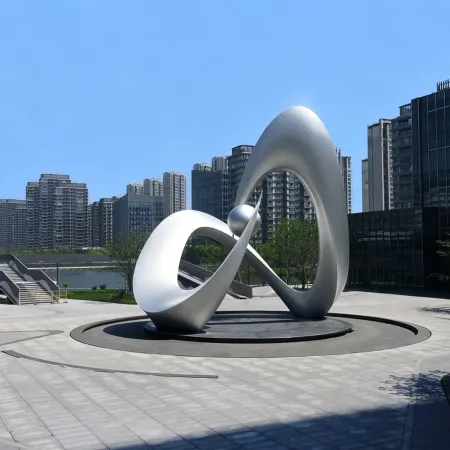
Explore the end-to-end range through our services, the completed works in our project gallery and a signature piece like Eye of the Phoenix.
Why the Full Scope Matters
Public art projects company is a title that many firms claim and few truly earn, because delivering public art end to end demands a combination of capacities that rarely lives in one organization. The company must be able to conceive art that fits a specific place, engineer it for the public realm, fabricate it in its own workshop or through workshops it fully controls, transport it and install it on site, and document the whole so that the client and the city can own and maintain the work. A firm that subcontracts every stage is not a public art projects company; it is a broker, and the client becomes the unpaid integrator who must manage the seams between the vendors.
The full scope protects the art itself. When the people who conceive the work also engineer it, they design the structure to serve the vision rather than to survive it; when they fabricate it themselves, the workshop's craft is pointed at the design's intent rather than at a drawing's minimum; and when they install it, the placement honors the concept that the drawings could never fully capture. Each stage informs the others when they live under one roof, and the work is better at every seam. The client who buys the full scope is buying coherence, and coherence is what turns a public commission into a public masterpiece.
Stage One: Consultation and Concept
Every serious public art projects company begins with consultation, because a work of public art is a response to a place and the company must understand the place before it can respond. The consultation gathers the site, the community, the client's ambitions and the constraints that will shape the work: who uses the space, what the district wants to say, what the approvals will demand and what the maintenance can sustain. From that foundation, the company develops the concept, translating the place and the client's vision into a form that can be drawn, engineered and eventually built, with the community engaged where the commission requires it.
The concept stage is where the client should feel the company's artistic depth. The proposals should grow from the specific site rather than from a portfolio of reusable forms; the company should explain the thinking behind each concept and welcome the client's reactions while the design is still pliable; and the chosen concept should be developed with the honesty that public art demands, showing how it will be engineered, fabricated and maintained before the client commits. A company that can think and converse at this level is a company worth building with; one that can only show pictures is selling images, not the capacity to deliver.
Stage Two: Engineering and Design Development
Between the concept and the workshop lies the engineering that makes a public art projects company different from an artist's studio. The design is developed into a buildable reality: the structure is calculated for the wind, seismic and live loads of the site, the materials and finishes are specified for the environment and the maintenance regime, and the form is resolved into sections that can be fabricated, transported and assembled. The engineering documentation becomes part of the public record, giving the client and the city the basis for approval and the foundation for long-term care.
Design development is also where the budget and the schedule are given honest shape. The company should show the client how the concept translates into a fabrication plan, what drives the cost and the timeline, and where choices can be made without diminishing the art. Public art is full of moments where a small design change saves real money or real time, and a company that brings those moments to the client's attention early is serving the project rather than merely billing it. The client should expect this transparency at every development gate, because surprises in public art are expensive in public money.
| Stage | What the company delivers | What the client should see |
|---|---|---|
| Consultation | Reading of the site and the brief | Questions that show real understanding |
| Concept | Site-grown design proposals | Reasoning, not just renderings |
| Engineering | Structure, materials, sections | Documented calculations and specs |
| Fabrication | The work built to the drawings | Inspection and progress evidence |
| Installation | The work standing on site | A documented, guided placement |
Stage Three: Fabrication Under Quality Control
Fabrication is where a public art projects company proves whether its promises were real, because the workshop is the place where the vision meets steel, stone and skill. The company should fabricate in its own workshop or in facilities it controls so tightly that the quality is effectively its own, with the welders, the polishers and the finishers working from the approved drawings and the inspection plan agreed at the start. The client should receive progress evidence through the build, photographs and reports that show the work taking shape and the quality checks being passed, so that by the time the work ships, nothing about it is a surprise.
The quality plan should cover every stage that determines the work's life: the materials as they arrive, the welding and its inspection, the surface preparation before any coating, the finish system as it is applied and cured, and the final assembly and fit-out before crating. The company should document each check and keep the record for the client, because that record becomes part of the public work's history. When a company can show you its quality plan and its records, it is treating your public commission with the seriousness that public money deserves.
Stage Four: Delivery, Installation and the Years After
The final stages of a public art projects company's work are delivery and installation, where the sections that left the workshop become the work that stands in the public realm. The company should plan the transport so that the sections arrive whole and in sequence, prepare the installation so that the crew on site is guided by drawings and experience rather than by improvisation, and execute the placement, the fixing and the final dressing so that the work meets the standard the client approved. If the company sends its own installation team, that team should carry the project to sign-off; if a local contractor installs, the company should support it through every stage until the work stands.
A true public art projects company also plans the years after installation, because a public work is a long relationship. The handover should include the material specifications, the maintenance schedule and the care instructions written for the team that will look after the work, and the company should remain available as the work meets its first seasons. When the company treats the installation as the beginning of the work's public life rather than the end of the contract, the client receives a partner for the decades, and the public receives a work that is cared for, protected and loved long after the opening ceremony.
- One accountable name for the vision, the making and the placing.
- Owned or fully controlled fabrication under a documented quality plan.
- Transparent gates where cost, schedule and design choices are shared.
- Guided installation that honors the concept on the real site.
- A care handover that equips the owner for the decades.
What an End-to-End Company Owns
Consultation grounded in the real site
Engineering documented for the public record
Fabrication controlled under quality plans
Installation and care for the life of the work
Choosing the Company That Owns the Whole
Choosing a public art projects company is a decision about who will hold the seams of a public commission, and the evidence of full ownership should be examined before the commitment. Visit or video-walk the workshop and confirm it is the company's own; ask for the named team, the engineers and the project managers who would carry the work; request delivered projects that show the full arc from concept to installation; and ask the clients of those projects how the company performed across the stages. The company that can show the whole chain under its own control is the company that can be held accountable for the whole, and accountability is what a public commission deserves.
We have operated as a public art projects company in the fullest sense since 2003, carrying works from the first site conversation to the final care handover across more than twenty countries, and the commissions that served their communities best were those where one accountable partner held the whole. If you are planning a public commission, ask the questions in this guide, look for the workshop, the team and the delivered arc, and choose the company that owns the work end to end, because that ownership is what carries your vision whole into the public realm.
Frequently Asked Questions About Choosing a Public Art Projects Company
What is the difference between a broker and a real company?
A broker subcontracts every stage and leaves the client to manage the seams. A real company owns or fully controls the chain from concept to installation.
Why does owning the workshop matter?
Because the people who quote the work then control its quality through the making, and problems are caught on the company's own floor, not argued across a supply chain.
What should I ask before committing?
For the named team, the workshop evidence, delivered projects that show the full arc and references you can contact about performance across the stages.
How is quality protected in fabrication?
Through a written inspection plan covering materials, welding, surface preparation, finish systems and final assembly, with records kept for the client.
What happens after installation?
The company hands over material specifications, maintenance guidance and a care schedule, and remains available as the work meets its first seasons.
A public art projects company should handle the whole arc of a commission because the whole is what the public realm demands: consultation rooted in the site, engineering documented for the record, fabrication controlled under quality plans and installation that honors the concept. Choose the company that owns the chain end to end, verify its workshop, its team and its delivered arc, and your public commission will be carried whole by one accountable partner from the first conversation to the decades of public life.
If you are looking for a public art projects company that owns the whole arc, bring us your site and your ambition and we will show you how one accountable partner carries a commission from concept to care.