How Public Art Concept Consulting Finds the Idea a Place Deserves
Public art concept consulting is the discipline of finding the idea that a place genuinely deserves, the concept that grows from a site's own character rather than arriving with it ready-made, and it matters because the concept decides everything that follows. A strong concept can survive modest materials and a tight budget; a weak concept cannot be rescued by the finest fabrication in the world.
This guide explains how public art concept consulting develops ideas with rigour, how a concept is tested before it is committed and how clients can recognise the difference between a concept and a decoration.
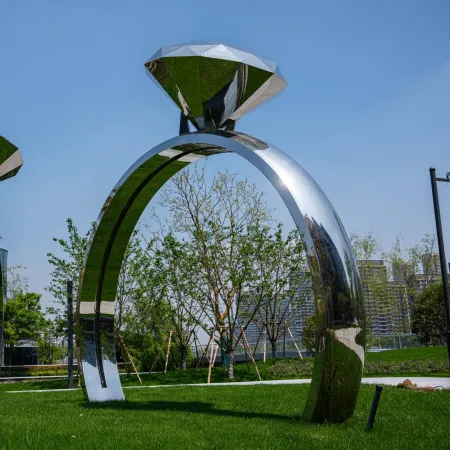
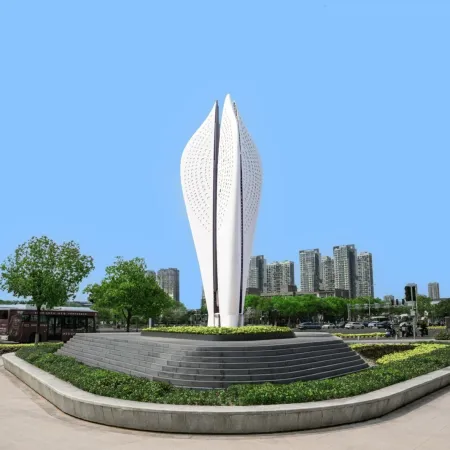
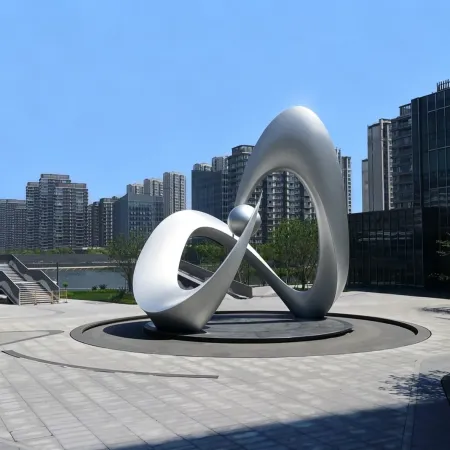
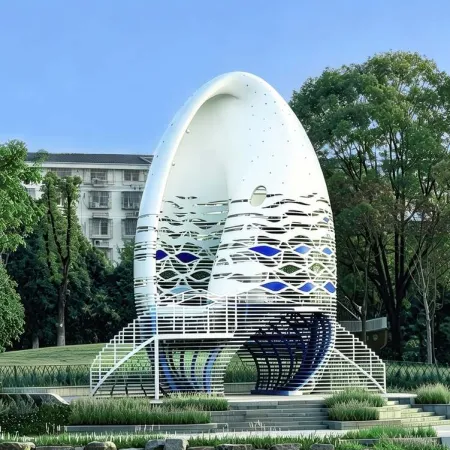
See concepts born from their places in Wisdom Tree, Weaving Shadows of Fishing Waves and Artistic Light Columns.
Where Strong Concepts Come From
A concept worth building grows from the ground up, and public art concept consulting begins by mining the place for its raw material. The consultant studies the site's history, the stories the community tells about itself, the natural and built character of the surroundings, the patterns of light and weather, the names and memories that cling to the location and the ambitions of the people commissioning the work. Somewhere in that material is the seed of the concept, the authentic idea that could belong to no other place, and the consultant's craft is to find it and give it form.
The search is also a conversation. Communities often know what they need before they can say it, and skilled engagement draws out the values, the hopes and the anxieties that a concept must honour: a district proud of its industrial past, a park that shelters childhood memories, a plaza that has never quite become a meeting place. Public art concept consulting weaves these voices into the idea rather than treating them as obstacles to it, because a concept that carries the community's own story arrives already half-adopted by the people who will live with it.
From Idea to Concept to Design
The journey from a raw idea to a buildable concept passes through stages of testing, and public art concept consulting gives each stage its discipline. An idea is first tested for truth, whether it genuinely belongs to this place or merely sounds appealing; then for resonance, whether it will speak to the people who pass it daily and still reward the hundredth look; then for form, whether it can become sculpture rather than remaining a slogan; and finally for feasibility, whether it can be built, afforded, maintained and approved. Each test prunes the concept into something stronger.
Only then does the concept become a design, and the transition is a matter of craft. The idea must find its material, one that carries the meaning honestly and endures the site's climate; its scale, one that commands the space without overwhelming it; its form, one that invites approach and rewards contemplation; and its place in the life of the site, one that respects movement, sightlines and the daily rituals of the people who use the space. A concept that survives this passage is ready to meet the engineers and the budget, because it has already been tested against reality at every step.
| Test | Question it answers | What it filters out |
|---|---|---|
| Truth | Does it belong to this place? | Concepts that fit anywhere |
| Resonance | Will people live with it? | Ideas that fade after a glance |
| Form | Can it become sculpture? | Slogans dressed as art |
| Feasibility | Can it be built and kept? | Dreams that engineering rejects |
Helping Clients Recognise a Real Concept
One of the most valuable services in public art concept consulting is teaching clients to tell a real concept from an attractive decoration, because the difference is not always visible at first glance. A real concept has a reason for existing that you can explain in a sentence, and every part of the design flows from that reason; a decoration is a form that pleases the eye but answers no question about the place. A real concept grows richer the longer you live with it, revealing new layers on the hundredth passing; a decoration is exhausted by its first impression.
Clients can test a proposed concept with a few sharp questions. Why this place, why this story, why now, and why this form rather than any other; if the answers are specific and convincing, the concept has substance, and if they are vague or interchangeable, the concept is probably a form in search of a reason. The consultant also tests the concept against the community's response, presenting it in a way that allows honest reaction rather than polite approval, because a concept that cannot survive contact with its public has not finished its development. Rigour here saves the entire commission from building on sand.
The Concept as the Contract of Trust
A well-developed concept also serves as the contract of trust between the client, the community and the artist, and public art concept consulting makes that contract explicit. When the concept is documented clearly, the story it tells, the values it honours and the form it proposes, it becomes the reference point for every later decision: the materials chosen, the scale approved, the budget allocated and the changes negotiated all return to the concept for judgement. Without that anchor, decisions drift with whoever argued most recently, and the work loses coherence.
The concept document also protects the work across time. When a new stakeholder joins the project, when a committee changes membership or when the original champion moves on, the document carries the idea forward intact, explaining why the work exists and what it promises. When the work is installed, the document becomes part of its history, the story that guides interpretation and care for decades. Our studio has developed concepts of this depth since 2003, from academic roots through commissions in more than twenty countries, and we have seen again and again that the works which endure are the works whose founding idea was written down and believed in.
- Mine the place: history and community carry the seed
- Test the idea: truth, resonance, form and feasibility
- Teach the difference: concept versus decoration
- Document the idea: the concept anchors every decision
A Concept With Roots
An idea born from the site's own story
A concept tested against truth and reality
A community that recognises itself in the work
A document that anchors every later decision
Presenting a Concept Honestly to the Community
A concept must survive contact with the community it is meant to serve, and public art concept consulting plans that encounter with care. The concept is presented while it is still open to response, not after the decisions have hardened, and it is presented in a form the community can genuinely judge, with plain language, honest visualisations and a clear explanation of what the work would mean and why it was chosen. The response is invited rather than feared, because a concept that cannot hear its public has not finished its development, and the revisions that follow honest consultation make the work stronger and the community more willing to adopt it.
The presentation should also prepare the community for the reality of public art, because the gap between a rendering and an installed work breeds disappointment when it is not bridged by understanding. The consultant explains how the concept will translate into material, how it will age, how it will be maintained and how it will look in the seasons and the lights of the actual site, so that the community approves the work it will actually receive rather than a fantasy of it. When the concept is presented honestly in both its promise and its reality, the approval that follows is genuine, and the work begins its public life already understood.
Frequently Asked Questions About Public Art Concept Consulting
What is a concept in public art?
A concept is the founding idea of the work, the reason it exists that can be explained in a sentence and from which every design decision flows. Without a concept there is only decoration.
How long does concept development take?
It depends on the site and the stakeholders, but it should never be rushed to fit a deadline. A concept developed honestly saves time later, because the design and fabrication stages proceed without rework.
Can the community be involved in concept creation?
Community engagement should inform the concept from the start, drawing out the stories and values the work must honour. A concept the community helped shape is a concept the community will adopt.
What if the client already has an idea?
A good consultant tests and develops the client's idea rather than replacing it, strengthening what is true and honest about it and shaping it into a form the place can carry and the public can love.
How do we know the concept is strong enough?
Ask why this place, why this story, why this form. If the answers are specific, convincing and rooted in the site, the concept is ready; if they are vague, it needs more development before money is spent on it.
Public art concept consulting is where the quality of a commission is truly decided, because no workshop skill can compensate for an idea that does not belong to its place. When the concept grows from the site's own story, survives honest testing and is documented as the anchor of every decision, the work that follows has a foundation that will carry it for decades.
Let public art concept consulting find the idea your place has been waiting for.