Why a Public Art Design Studio Leads With Artists and Craft
A public art design studio is different in kind from a trading company or a fabrication shop, because the studio is built around the artists themselves and the craft of making, with the business existing to serve the work rather than the work serving the business. For a client, that difference shows in the quality of the ideas, the honesty of the advice and the care of the making, and it is worth understanding before you choose.
This guide explains what defines a public art design studio, the strengths and the limits of commissioning one, and the questions that reveal whether a studio is the right home for your project.
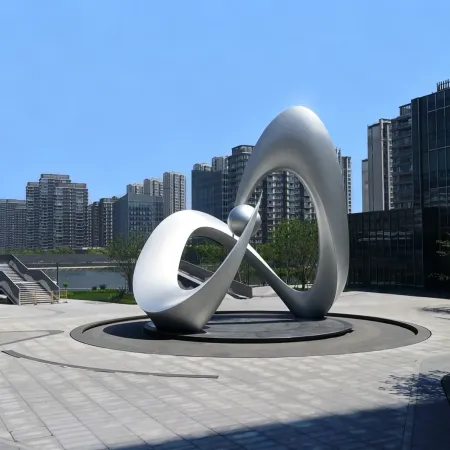
See artist-led work from a design studio in Weaving Shadows of Fishing Waves, Homing Nesting and Zhong Gong Water Control.
What Makes a Studio a Studio
A public art design studio is defined by its centre of gravity: the artists and the craft of making sit at the heart of the organisation, and the commercial machinery exists to protect and support them. In a studio, the people who shape your work are makers who have trained as artists or sculptors, who have their own creative histories and who will sign their names to what they create for you; in a trading company, by contrast, the centre of gravity is the sale, and the art is a product assembled from whatever talent can be bought for the project. The distinction shapes everything, from the originality of the ideas to the willingness to say no to work that would compromise the standard.
The studio model brings with it a particular relationship to making, because artists who make their own work understand material in a way that managers who commission it never can. The sculptor who has cast bronze, welded steel and carved stone knows what a form will do when it meets its material, and that knowledge flows into the design from the first sketch, so that studio designs are not only more original but more buildable, more honest about their materials and more alive in their surfaces. This is the quiet advantage of the studio: the design and the craft are not two departments but one mind.
| Studio trait | How the client benefits | What to watch for |
|---|---|---|
| Artist-led design | Originality and a point of view | Confirm the named artist leads your work |
| Material knowledge | Designs that honour their materials | Ask who has made in your material |
| Craft ownership | Care that survives into the making | Verify the workshop and its standards |
| Selective appetite | Honest advice about what fits the studio | Respect a studio that says no |
The Strength of Artist-Led Design
The deepest strength of a public art design studio is the quality of its ideas, because artists who are allowed to be artists bring a kind of thinking that commercial processes rarely produce. The studio artist reads a site not only for its dimensions and its constraints but for its character and its possibilities, and the concepts that emerge carry a personal conviction that committee-designed work lacks; the client who commissions a studio is commissioning that conviction, the belief of a particular artist that this idea is right for this place, and conviction is what carries a public work through the years of scepticism that every new public object must survive.
Artist-led design also brings a different relationship with risk, because the artist's reputation is staked on every work that leaves the studio. A trading company that fails can change its name and its market; an artist whose public work fails carries the failure for a lifetime, and that asymmetry concentrates the mind wonderfully. The studio will therefore push back on designs it does not believe in, refuse commissions that would compromise its standard and defend the integrity of a concept against the slow erosion of committees and budgets, and the client who understands this is not being difficult but being protected, because the studio's refusal to dilute is the client's insurance against mediocrity.
Craft and the Making of the Work
A public art design studio that has grown from craft usually keeps the making close, because the artists know that the idea lives or dies in the material. The studio workshop is where the design meets its fate, and the client should expect the same standards in the making as in the drawing: certified materials, controlled welding and casting, finishes applied with care and inspection at the stages that matter. A studio that has made its own work for years will talk about the workshop with the fluency of lived experience, and the client should listen for that fluency as evidence that the craft is real.
The studio relationship with craft also shows in its honesty about what it cannot do. No studio masters every material and every scale, and a confident studio will name the specialists it calls in for engineering, for stone carving beyond its own bench or for installation on a scale that demands a contractor, because the studio serves the work and the work may need other hands. This honesty is not a weakness but a mark of the studio culture, and the client should welcome it, knowing that a studio which admits its limits will also admit its mistakes, and a partner who admits mistakes is a partner who can be trusted to fix them.
The Studio Process and the Client Role
Working with a public art design studio is a collaboration with a creative temperament, and the client who understands the studio process gets the best from it. The studio will want to read the site and the community before it draws, will present concepts as proposals to be discussed rather than conclusions to be accepted, and will defend the ideas it believes in while genuinely listening to the client's response, and the client who engages with that process, giving honest reactions and clear decisions, will draw better work from the studio than the client who simply waits to approve or reject. The studio is not a vending machine for sculpture; it is a creative partner, and partnership is a two-way craft.
The practical relationship should be protected by the same discipline as any commission: a clear brief, a staged scope with approvals, a contract that settles copyright and changes, and a communication rhythm that keeps both sides informed. The studio will bring the artistry, but the client brings the clarity, and the projects that succeed are those where the client's clarity meets the studio's conviction. A studio that is treated as a professional partner, with its process respected and its judgment weighed, will give a client work that no amount of pressure could extract from a supplier that is treated as a vendor.
What Commissioning a Studio Means
Ideas carried by artists who sign their names
Material knowledge that flows into the design
Craft standards that survive into the making
Honest advice, including the advice to wait
Choosing the Right Studio for Your Project
Studios have characters and strengths, and choosing a public art design studio is a matter of matching those strengths to your project rather than picking the most famous name. Look for a studio whose existing work speaks to the kind of work you want, whose artists have made in the material you imagine, whose scale of operation matches your project and whose temperament can survive your committee and your timeline; and meet the artist who would actually lead your commission, because the chemistry between the artist and the client will shape the work as surely as the site will. The right studio for your neighbour may be wrong for you, and the portfolio is only the beginning of the judgment.
Our studio has worked as artists and makers since 2003, building public works across more than twenty countries, and we have learned that the best commissions are those where the client chose us for what we are rather than for what we could be told to become. We bring our own history, our own materials and our own convictions to every project, and the client who wants those things will be well served; the client who wants a studio to disappear and simply execute will be better served elsewhere. When the match is right, the studio's character becomes the work's character, and the public art that results carries the conviction of a real artistic voice.
Frequently Asked Questions About a Public Art Design Studio
What is the difference between a studio and a company?
A studio is built around its artists and its craft, with the business serving the work; a trading company is built around sales, assembling talent as needed. The centre of gravity shapes the originality and the honesty you receive.
Will the named artist really design our work?
Ask directly and put it in the agreement. In a genuine studio the leading artist shapes the concept and stays involved through the making, though assistants and specialists support the larger stages of the work.
Why does a studio sometimes refuse work?
Because its artists stake their reputations on every public work. A studio that accepts every commission would dilute its standard, and a refusal is often the studio protecting the quality you are actually buying.
Does a studio have its own workshop?
Many do, and it is a strength: the artists stay close to the making and the craft standards carry through. Confirm what the workshop can do and which specialists the studio calls in for the rest.
How do we get the best work from a studio?
Give it a clear brief, honest reactions and clear decisions, and treat it as a creative partner rather than a vendor. The studio brings conviction; your clarity lets that conviction meet the place it serves.
A public art design studio offers what no trading company can reproduce: ideas carried by artists who sign their names, craft that flows from makers who know their materials and a conviction that protects the work through every stage of its life. The studio model has its own demands, a genuine collaboration, a respect for the artistic process and an acceptance that the studio will sometimes say no, but for the client who wants a work of real authorship the studio is the natural home. Choose the studio whose character matches your project, and the work will carry a voice that no committee could ever compose.
Commission a public art design studio whose artists and craft you trust, and your place will gain a work with a real author.