Choosing a Commercial Public Art Installation Manufacturer That Delivers
A commercial public art installation manufacturer carries a developer's reputation in its workshop, because the sculpture that stands in a shopping centre, an office plaza or a hotel courtyard will represent the brand to every visitor who sees it. Choosing the right manufacturer is therefore a business decision with visible consequences.
This guide explains what a commercial public art installation manufacturer must prove, how to tell a genuine maker from a trading desk and which documentation turns a large purchase into a controlled project. We share these lessons from fabricating commercial installations for clients across more than twenty countries.
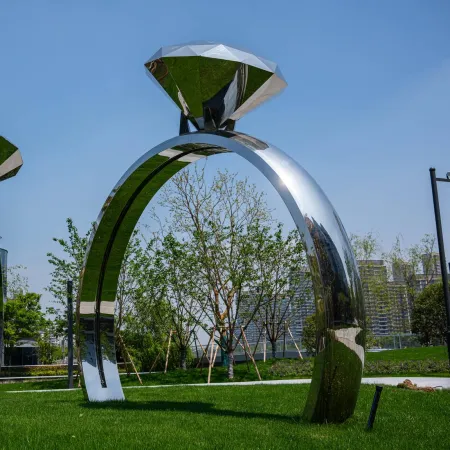
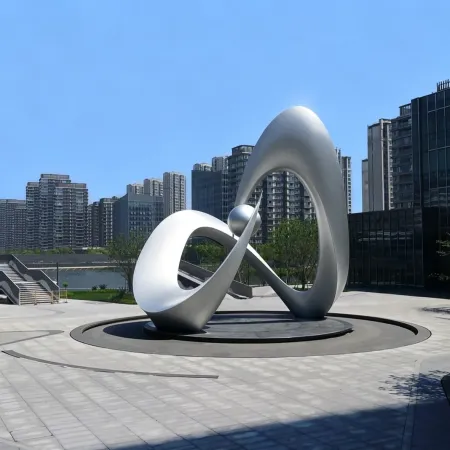
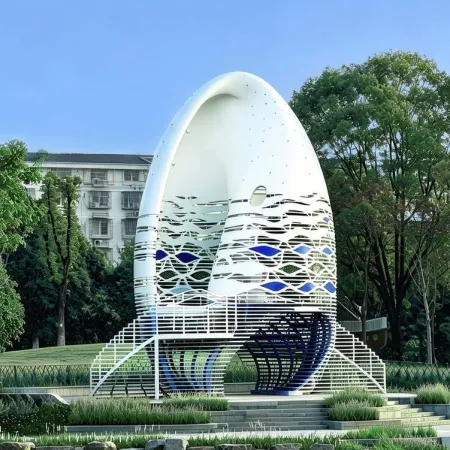
See commercial-grade fabrication in Eye of the Phoenix, Heart of Changfeng and the services behind them.
Why the Manufacturer Choice Carries Risk
Commercial public art is expensive, public and permanent, and each of those qualities raises the stakes of the manufacturer choice. Because the work is expensive, the financial risk of a failed delivery is real; because it is public, a structural failure or a degrading finish becomes a visible embarrassment that no marketing can undo; and because it is permanent, the buyer lives with the result for decades. A developer who chooses a commercial public art installation manufacturer on price alone is gambling the reputation of the whole project on the cheapest bid, and the savings rarely survive contact with reality.
The risk is amplified by distance. Many commercial buyers commission from overseas manufacturers without visiting the workshop, relying on photographs, samples and promises that may belong to someone else's factory. The photographs can be borrowed, the samples can be made by hand with unreasonable care and the promises can be made by a salesman who has never seen the floor. The buyer needs a verification process that does not depend on trust alone, because the difference between a good manufacturer and a bad one is often invisible until the sculpture arrives, and by then the schedule and the reputation are already exposed.
Verifying the Workshop Behind the Website
The first duty of the buyer is to verify that the commercial public art installation manufacturer actually owns the workshop it claims. Ask for a live video call that walks the floor, not a prepared tour but a spontaneous view of what is happening that day; request the address and confirm it appears on shipping documents and business registrations; and look for the small details that are hard to fake, such as consistent signage, real workers in the background and machinery that matches the scale of the projects claimed. A genuine maker is usually happy to show its floor, because the floor is its best argument.
Also verify the claims with third parties. Ask for client references you can contact directly, request case studies with the site location and the year of installation, and search for the works online to confirm they exist where they are said to be. A manufacturer that has genuinely delivered commercial projects will have a trail of evidence: installed photographs taken at the site, articles, awards and clients who will speak. The absence of that trail is itself an answer, and the buyer who checks it before signing avoids the most expensive mistakes in the commissioning process.
Quality Systems and the Evidence of Craft
Quality in a commercial public art installation manufacturer is a system, not a sentiment, and the buyer should look for the evidence of that system. Ask how the workshop controls its welding, whether welders hold qualifications relevant to the materials and standards of your project, and how finished surfaces are inspected before they are accepted. Enquire about the tolerance standards applied to the fabrication, the process for approving samples and prototypes, and the records kept for each stage of the work, because the manufacturer that documents its quality is the manufacturer that can be held to it.
The quality conversation should extend to the people as well as the processes. Who will manage your project, and does that person have direct authority over the workshop floor? How many projects will run alongside yours, and what happens to your schedule when another client demands priority? A manufacturer with a genuine project management culture answers these questions with names and structures rather than assurances, and it assigns a single point of contact who can answer for the work from the first drawing to the final installation. Craft is carried by people, and the buyer should know who those people are.
| Checklist item | What to verify | Red flag if missing |
|---|---|---|
| Own workshop | Live video tour and real address | Evasion or borrowed photographs |
| Client proof | References and installed site photos | No verifiable past installations |
| Quality system | Weld records and inspection points | No documentation culture at all |
| Materials | Certificates and grade traceability | Vague sourcing and no paperwork |
| Project control | Named manager and milestone plan | No single accountable contact |
Materials, Engineering and the Commercial Standard
Commercial installations are held to a higher standard than private works because they live among the public, and the materials and engineering must match that exposure. The manufacturer should specify grades appropriate to the site, explaining why stainless steel of a certain grade is chosen over another, how the finish will be protected during installation and what maintenance the surface will need. For large or loaded works, the engineering should be verified by calculation, with wind load, dead load and structural integrity assessed by a qualified engineer and documented for the buyer and the site's insurers.
Commercial buyers should also ask how the manufacturer handles the interfaces that a sculpture creates with its surroundings. The foundation must be designed for the actual ground conditions and loads; the electrical supply, if the work is illuminated or kinetic, must be specified and coordinated with the site's systems; and the installation method must protect both the sculpture and the architecture around it. A manufacturer experienced in commercial work will raise these questions itself, because it has learned that the sculpture does not end at its own surface but extends into every system it touches.
Contracts, Milestones and Payment Discipline
A commercial public art installation manufacturer should welcome a contract that protects both parties, and the buyer should read that contract as a map of the relationship. The agreement should name the design ownership, the scope of work, the materials and finishes to be used, the delivery schedule with its milestones and the payment terms tied to those milestones. It should also state what happens when things change: how variations are priced, how delays are communicated and how disputes are resolved, because the projects that fail are usually those where the contract left the important questions unspoken.
Payment discipline protects both sides if it is tied to visible progress. A typical structure funds the manufacturer as the work advances, with a deposit at order, staged payments at defined milestones such as material approval, fabrication completion and finishing, and a final balance linked to pre-shipment inspection or successful installation. The buyer should never pay the full amount before seeing the finished work, and the manufacturer should never be asked to carry the whole cost alone. Milestones also give the buyer natural checkpoints to visit, inspect and correct, which is how quality is actually controlled across distance.
A Manufacturer Worth Commissioning
Owns the workshop that makes your work
Documents quality at every stage
Engineers for the public standard
Accepts milestones that protect you
Samples, Prototypes and Approvals
Before full fabrication begins, a serious commercial public art installation manufacturer will propose a stage of samples and approvals that protects the entire investment. For a painted or finished surface, a sample panel showing the exact colour, texture and finish lets the buyer approve the look before it is applied to the whole work; for a complex form, a scale model or a prototype section reveals how the design translates into three dimensions and where the details need refinement. These approvals are checkpoints where the buyer's voice is heard while change is still cheap.
The approval process should be written into the schedule, because it is a stage of the work rather than an interruption of it. The manufacturer should tell the buyer what will be submitted at each gate, how long the review will take and what happens if the buyer requests changes at that point, and the buyer should treat the gates seriously by reviewing promptly and deciding clearly. A project that rushes past its approval gates to save time usually spends the time later correcting what was never approved, while a project that honours its gates moves to fabrication with confidence on both sides.
Installation, Handover and the Years After
The relationship with a commercial public art installation manufacturer should extend through installation and into the life of the work, because the moments of handover are where quality is most often lost. Ask whether the manufacturer will supervise the installation, provide the lifting plan and the foundation details, and remain available while the work is positioned and secured, and clarify who answers if a surface is damaged during installation or a joint fails in the first season. The manufacturer that made the work is the one best placed to protect it through these fragile moments.
After handover, the buyer should receive a maintenance file that names the materials, the finishes, the cleaning regime and the inspection schedule, and the manufacturer should stand behind its work with a warranty that matches the commercial lifespan of the piece. The best manufacturers also keep records that allow a damaged work to be repaired years later, matching the finish and the structure to the original specification. A commercial installation that is documented and supported in this way remains an asset rather than becoming a liability, and the manufacturer that provides that support earns the repeat business on which great fabricators are built.
Frequently Asked Questions About a Commercial Public Art Installation Manufacturer
How do I verify a manufacturer without visiting?
Arrange a live video tour of the workshop, contact past clients directly and confirm installed works exist at their stated sites. The evidence trail of a genuine maker is hard to fake.
What quality records should the factory keep?
Material certificates, weld qualifications, inspection sign-offs at each stage and a pre-shipment report. A manufacturer that documents its work can be held to its standard.
What should the contract protect?
Design ownership, scope, materials, schedule, milestone payments, variation pricing and dispute resolution. The contract should map how the relationship behaves when things change.
Should the manufacturer also install the work?
Ideally yes, because the maker understands the structure and the finishes best. At minimum the maker should supervise installation and provide the lifting and foundation details.
How long should the warranty last?
A meaningful warranty covers the finishes and structure beyond the first season and is backed by a manufacturer who keeps records for future repairs. Ask for the terms in writing before ordering.
A commercial public art installation manufacturer is a partner in the reputation of your project, and the choice deserves the same rigour as any other major procurement. Verify the workshop, check the references, read the quality system, agree the contract and the milestones, approve the samples and plan the handover, and choose the manufacturer that behaves like a partner from the first conversation. When the maker, the buyer and the designer are aligned, the sculpture that rises in your commercial space carries the quality of all three, and it will represent your brand with distinction for decades.
Choose a commercial public art installation manufacturer that opens its workshop and stands behind its work, and your installation will be delivered to the standard your brand deserves.