Why Urban Public Art Installation Earns Its Place in the City
Urban public art installation works in the densest, busiest, most demanding environment that art can enter, and the works that succeed there earn their place in a city's daily life. In the urban realm, art is not a luxury but a part of how a city works, giving identity to districts, shape to public spaces and character to the streets where millions live.
This guide explains what urban public art installation must survive and serve, how urban works are conceived for the scale and speed of the city, and what clients should consider when commissioning art for the urban realm.
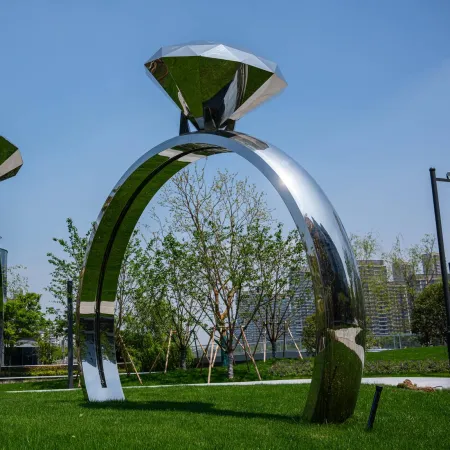
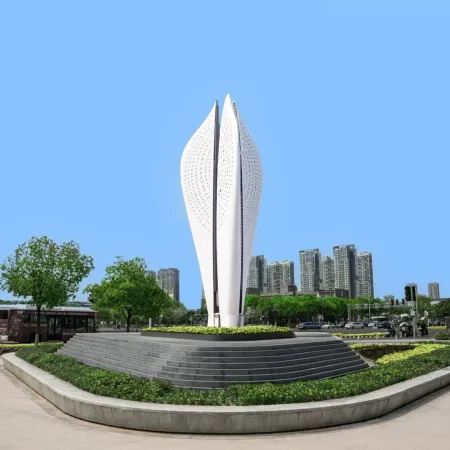
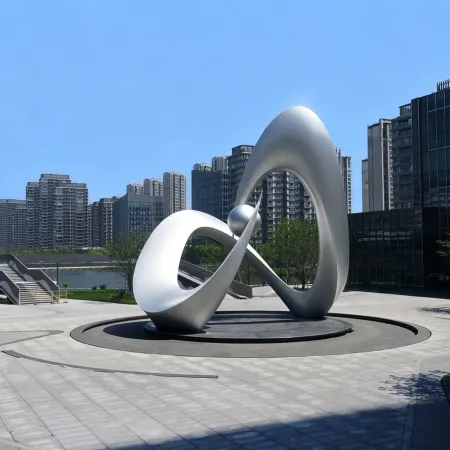
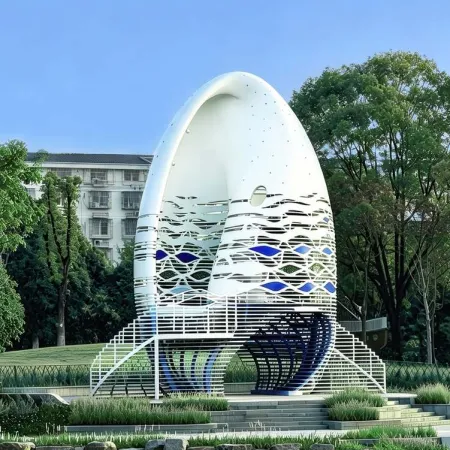
See urban installations at Eye of the Phoenix, The Diamond Rings and Heart of Changfeng.
The City as the Hardest Gallery
Urban public art installation enters the most demanding environment that exists for art, and understanding those demands is the first duty of anyone who commissions it. The urban work must survive weather that is amplified by the city's own heat and wind, pollution that settles on every surface, and a public that numbers in the thousands each day, some of whom will touch, lean on and test the work; it must hold its own against a visual environment of extraordinary competition, from architecture and signage to the constant motion of the streets; and it must do all of this for decades, because a work placed in the city is expected to become part of the city's permanent fabric.
The urban public is also a different audience from any other. It is diverse, crossing every age, culture and walk of life; it is distracted, encountering the work in the midst of errands and journeys rather than in a mood of contemplation; and it is repeated, with commuters passing the same work hundreds of times a year. A work that succeeds with this audience must reward the first glance and the thousandth, speak to the tourist and the resident, and earn its place in the daily attention of people who never asked for art. That is a high standard, and the urban works that meet it are among the most accomplished art of our time.
Reading the City Before Designing for It
Urban public art installation begins with reading the city, because a work that does not understand its urban context will be swallowed by it. The studio must study how the site is used, when it is busy and when it is empty, where people pass and where they pause; it must understand the sightlines, the approaches and the buildings that frame the space; and it must read the character of the district, its history, its people and its ambitions. The work should be conceived for the city as it actually is, not for the city as it appears in a rendering, and that understanding comes only from time spent in the place.
The urban context also sets the terms of scale and speed. A city is experienced at speed, from cars, buses and trains as well as on foot, and a work that only rewards the pedestrian may be invisible to the thousands who pass more quickly; the strongest urban works offer something to every speed, a form that reads from a distance and a detail that rewards the close approach. The scale must command the space without crushing it, and the placement must respect the flows of the city, standing where it can be seen and approached without blocking the movement that gives the city its life.
Surviving the Urban Climate
Urban public art installation must be engineered for an environment that is harder on materials than any natural climate, because the city adds its own assaults to the weather. Air pollution deposits grime on every surface, and the studio must specify materials and finishes that can be cleaned by the city's maintenance teams; the urban heat island raises temperatures and accelerates the aging of coatings; and the salts of winter de-icing attack metals at the roadside as fiercely as any coastal spray. The specification of an urban work must account for these realities, choosing grades and finishes that will hold their quality through the city's particular demands.
The city also brings risks that no natural site offers. Urban works are exposed to vandalism, and the design should anticipate it without being crippled by it: surfaces that can be cleaned, finishes that can be repaired and forms that do not offer easy purchase to those who would climb or damage them. The siting should consider the sightlines of the police and the public, because a work that is visible and surrounded by activity is a work that is protected by the city's own life, and the maintenance plan should be built around the reality of urban care. The urban works that endure are those whose every detail was chosen for the hardest gallery of all.
| Urban demand | What the work must answer | How the design responds |
|---|---|---|
| Competition | Hold its own amid the city's noise | Strong identity and clear form |
| Pollution | Resist grime and urban deposits | Cleanable surfaces and finishes |
| Diverse public | Speak to every age and culture | Accessible meaning and delight |
| Speed | Reward every pace of passage | Distant form and close detail |
| Vandalism | Anticipate without being crippled | Repairable surfaces and safe siting |
The Permissions Maze and the Public Process
Urban public art installation must navigate a landscape of permissions that rural or private work never meets, and the client should plan for it from the start. The work may need planning permission, the approval of the authority that owns the land, heritage consultation where the site is sensitive and the blessing of design review panels, and each of these bodies has its own questions and its own pace. The studio should be experienced in this maze, preparing the materials that each audience needs, clear images of the work in its setting, honest accounts of its materials and maintenance, and a narrative that explains the work's meaning to the city.
The public process of an urban commission is as important as its permissions, because urban art belongs to the public in a way that no private work does. The strongest urban projects engage the public genuinely, through consultation that shapes the work rather than merely informing about it, through transparency about the selection and the budget, and through patience while the city makes up its mind. The client should expect debate, some of it public and pointed, and should have the resilience to listen without being deflected, because the works that the public resisted and then adopted are often the ones they love most fiercely. Urban public art installation that is carried through the public process with integrity arrives already partly owned by the city.
The Urban Work and the City's Life
The finest urban public art installation does not merely stand in the city; it participates in the city's life. A work may give commuters a landmark to arrange their meetings by, shade a waiting point, provide a perch for the tired or a stage for the city's informal performances; it may give a district an identity that appears in the photographs of every visitor; and it may give the people who live there a daily moment of beauty in the midst of the urban grind. These are not incidental benefits but the work's real function, and the works that serve the city's life in these ways are the ones the city adopts and protects.
The night is part of the city's life too, and an urban work should be designed for the hours after dark as well as the day. Urban lighting extends the work's presence into the evening, when the city's population shifts and the streets take on a different character, and a well-lit urban installation becomes a beacon that draws people through the night and makes the streets around it feel inhabited and safe. The client should plan the lighting with the work, considering the energy, the maintenance and the effect on neighbours, and should understand that an urban work that commands both the day and the night is an urban work that fully earns its place.
What Urban Art Must Be
Strong enough for the city's competition
Durable against the urban climate
Welcomed through an honest public process
Alive by day and commanding by night
Commissioning for the Urban Realm
Commissioning urban public art installation is an act of confidence in a city, and it deserves a process worthy of the public realm. The client should choose a studio that has delivered urban works and watched them live in the city, that understands the permissions maze and the public process, and that can hold the whole journey from concept through the approvals to the installation, because urban projects are exactly where the handovers between separate suppliers cost the most. The brief should describe the district's character and ambitions, the site's realities and the life the work should serve, and should invite the studio to read the city and respond.
The commission should also plan for the work's long life in the city's care. The maintenance must fit the city's systems, the materials must be chosen for the city's particular demands and the documentation must be left with the city so that future caretakers can serve the work. Our studio has delivered urban public art installation across more than twenty countries since 2003, and the works that still serve their cities best are those whose designers read the city deeply, whose engineering met the urban standard, whose public process earned the city's trust and whose owners planned the decades of care. Urban public art installation conceived with that completeness becomes part of the city's identity, and the city that commissions it gains a landmark of its own making.
Frequently Asked Questions About Urban Public Art Installation
What makes urban art different from other public art?
The urban environment is the hardest gallery: intense competition, pollution, a diverse and distracted public and the city's own pace. Urban art must be engineered for all of it.
What permissions does an urban work need?
Planning, landowner approval and often heritage and design review. A studio experienced in the urban process prepares the right materials for each audience.
How does urban art survive vandalism?
Through repairable surfaces, sensible siting and the protection of public activity. A visible work surrounded by daily life is a work protected by the city itself.
Should urban works be lit at night?
Ideally yes. Urban lighting extends the work into the evening, draws people through the night and makes the surrounding streets feel inhabited, when engineered with respect for neighbours.
How is an urban work maintained by the city?
Through materials that fit the city's cleaning systems, a maintenance plan handed to the city and documentation that future caretakers can follow. The care must be planned from the start.
Urban public art installation is art at the highest stakes, entering the hardest gallery the world offers and earning its place in the daily life of the city. Commission it with a studio that reads the city deeply, engineers for the urban climate, navigates the permissions and the public process with integrity and plans the decades of care, and your work will become part of the city's identity. The urban works that define their cities are those that understood the city and were welcomed by it, and an urban public art installation that achieves that will be remembered by every generation that passes it.
Choose urban public art installation conceived for your city's life, and your streets will carry its presence for generations.