How International Public Art Projects Cross Borders Successfully
International public art projects move a work of art across cultures, climates, codes and oceans, and success depends on treating every one of those crossings as a design problem rather than a logistical formality. A sculpture conceived for one country and delivered to another must survive differences in engineering standards, weather exposure, installation practice and public expectation, and the studio that plans for all of them delivers art that lands as designed.
This guide explains how international public art projects are planned, engineered and delivered across borders, and what clients should expect from a studio with genuine export experience. Our studio has carried public works to more than twenty countries since 2003, and the lessons below come from that record.
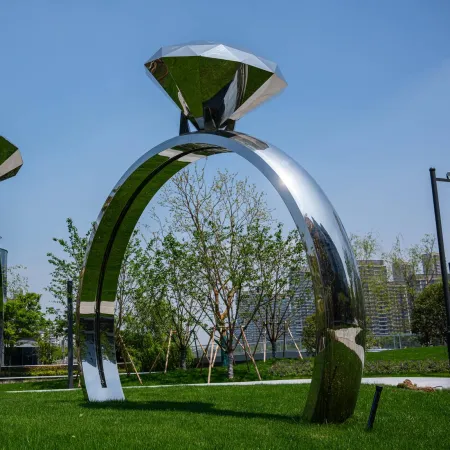
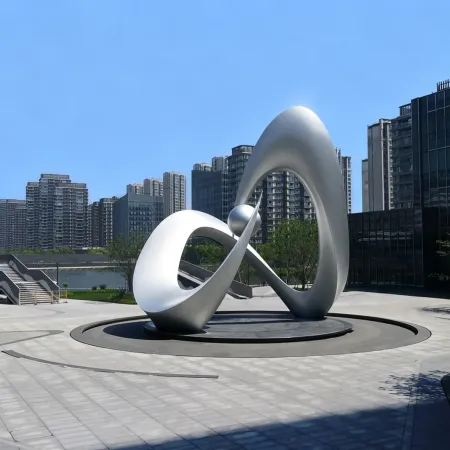
See cross-border thinking in works like Sailing Competition, the international collaboration Butterfly Dance and the range in our project gallery.
What Actually Crosses in an International Commission
International public art projects cross far more than freight. The design intent must cross cultures, which means the studio must understand how the work will be read by a public that does not share the artist's context; the engineering must cross codes, because the structure will be approved and maintained under the destination country's standards; the materials must cross climates, because a finish chosen for one environment may fail in another; and the working relationship must cross time zones, languages and business customs. Every one of these crossings can erode the work, and the studio's export discipline is what keeps the erosion from reaching the art.
The client's role in this crossing is to choose a studio that has made it many times. A studio with a genuine international record has written procedures for the site survey conducted at a distance, for the code review with engineers in the destination market, for the material selection against the destination climate, for the documentation in the client's language and units, and for the installation handover with a local contractor or its own traveling team. These procedures are not glamorous, and they are precisely what separates a work that arrives whole from a work that arrives as a problem.
The Distant Site Survey
The first risk in international public art projects is the site itself, because the studio cannot simply drive over and stand on it. A disciplined studio turns the distance into a protocol: it works from the client's site drawings, photographs and dimensional surveys; it asks the questions that reveal the real conditions, from ground conditions to access constraints to the surrounding sight lines; and it confirms the wind, seismic and climate data that govern the engineering. Where the work is significant, the studio should press for a site visit or a detailed survey by a local professional, because the cost of a missed condition rises with every mile the work must travel to meet it.
The survey must also cover the human site: who will see the work, who will maintain it and who will install it. A plaza maintained by a small municipal team demands different materials than a district managed by a professional facilities group; a site installed by a general contractor with no art experience demands a different handover than one served by the studio's own crew. International public art projects succeed when the studio designs not only for the place but for the people who will receive the work, and the distant survey is the moment those people become part of the design.
| Crossing | The risk | The discipline |
|---|---|---|
| Culture | The work misread abroad | Design grounded in the destination |
| Code | Approval failure on site | Local code review and engineering |
| Climate | Finishes fail in year one | Materials matched to the site |
| Installation | Assembly improvised abroad | Detailed drawings and live support |
Engineering to the Destination Code
The engineering of international public art projects must answer to the code of the country where the work stands, not the country where it was made. This means the studio designs the structure for the destination's wind, snow and seismic provisions, and it coordinates the calculations with engineers who are qualified in that market or with the client's local engineer of record. The handover documentation should include the structural basis, the material specifications and the installation requirements in terms the local approving authority can act on, so the approval process confirms the work rather than rediscovers it.
Materials and finishes carry the same destination logic. Stainless steel grades such as 304 and 316 are chosen for the specific environment, with 316 reserved for the most corrosive coastal and industrial exposures; coating systems are specified for the destination's UV, humidity and pollution loads; and the fasteners, seals and bearings are selected for the maintenance reality of the receiving country. A studio that has shipped to many climates specifies from a library of proven material responses rather than from a single domestic template, and the client should ask to see how delivered works were adapted to their destinations.
Packing, Shipping and the Long Road to Site
The journey itself is a design constraint in international public art projects. The work must be engineered in sections that suit the transport route and the site access, with the connections resolved so that assembly is guided by drawings rather than improvised by a crew meeting the pieces for the first time. The packing must protect the finishes across a route of ports, transfers and handling events that the studio cannot control, which means robust crating, clear lifting points and handling marks that survive the journey in the languages of the crews along the way. Fragile elements such as lighting and electronics should be packed for removal during transit where necessary, and the documentation should tell the receiving team exactly what arrived and how to handle it.
The studio should own the shipping plan rather than outsourcing it to the nearest freight agent. It should specify the Incoterms and the responsibilities clearly, prepare the export documentation that the route demands, and stay engaged through the customs and the delivery milestones, because the studio's knowledge of the work is part of the cargo. When the crates arrive at the site, the receiving team should find a checklist, a set of assembly drawings and a contact who answers, so that the final leg of the journey is guided by the people who made the work.
- Sectioned engineering designed for the route and the site access.
- Route-specific crating that survives ports and transfers.
- Clear responsibilities set through the shipping terms.
- Receiving documentation with checklists and assembly drawings.
- Live support from the studio through to sign-off.
What Makes International Delivery Work
A studio that has crossed borders many times
Engineering to the destination code and climate
Documentation in the client's language
Installation guided to the final sign-off
Collaboration Across Cultures and Artists
International public art projects are often collaborations between artists, studios and institutions in different countries, and the cross-cultural dimension is part of the creative richness. A studio that works internationally should be practiced in these collaborations: interpreting an overseas artist's concept into a buildable public work, coordinating with architects and landscape designers whose drawings arrive in different conventions, and respecting the cultural meanings that a work carries in its destination. Some of the strongest public art of recent years has grown precisely from this meeting of traditions, and the studio's role is to make the meeting productive rather than lost in translation.
The same discipline applies to the client relationship. International projects demand communication that is clear, frequent and documented, in the client's language and working hours wherever possible. The studio should name one project manager who owns the relationship end to end, should report progress in a fixed rhythm with real evidence from the workshop, and should surface issues early and in writing rather than letting them fester across time zones. When the cultural and the operational dimensions are both handled with care, an international commission becomes not a complication but one of the most rewarding ways to bring a work to the world.
Frequently Asked Questions About International Public Art Projects
How is a distant site surveyed?
Through the client's drawings and surveys, structured questions about the real conditions and, for significant works, a site visit or a local professional survey.
Whose code governs the engineering?
The destination country's code. The studio designs to the site conditions and coordinates with engineers qualified in the receiving market.
Who handles the shipping?
The studio owns the shipping plan, specifies the route, prepares the documentation and stays engaged through customs and delivery milestones.
How is installation handled abroad?
The studio sends its own team or guides a local contractor through detailed drawings, checklists and live remote support until sign-off.
How do I choose an international studio?
Look for a genuine export record: delivered works adapted to their destinations, references you can contact and a process written for distance.
International public art projects succeed when every border crossing is engineered: the culture, the code, the climate and the road to the site. Choose a studio with a genuine record of carrying works across borders, agree on the process for the distant survey, the local code review and the installation handover, and your commission will arrive as designed and stand as engineered in its new home.
If you are planning international public art projects and want a partner that has carried works across more than twenty countries, start the conversation with our studio and we will map the road from your site to our workshop.