How Urban Public Art Design Makes a City Memorable
Urban public art design is one of the most powerful tools a city has for making itself memorable, because art gives the streets, squares and parks an identity that infrastructure alone can never provide. The cities people remember are rarely the ones with the most efficient transport; they are the ones with the landmarks, the meeting points and the moments of surprise that art creates.
This guide explains what urban public art design must achieve in the complex environment of the city, how it balances art with urban life and how to commission works that serve citizens and city alike.
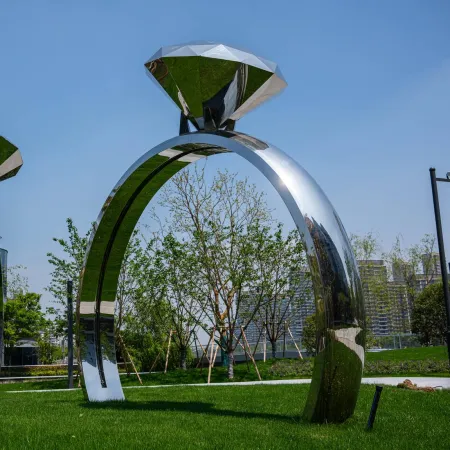
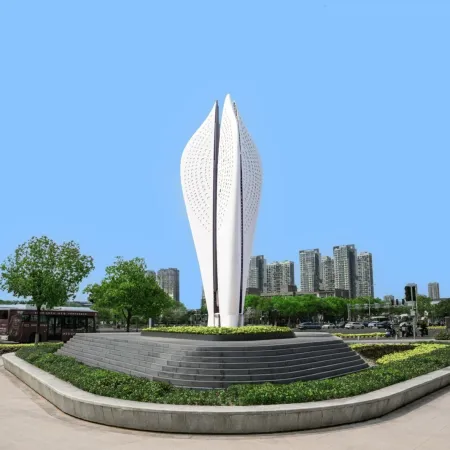
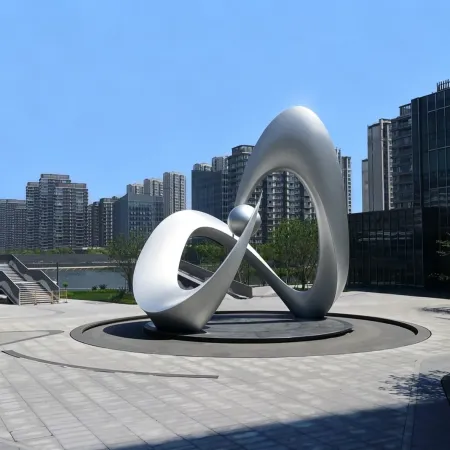
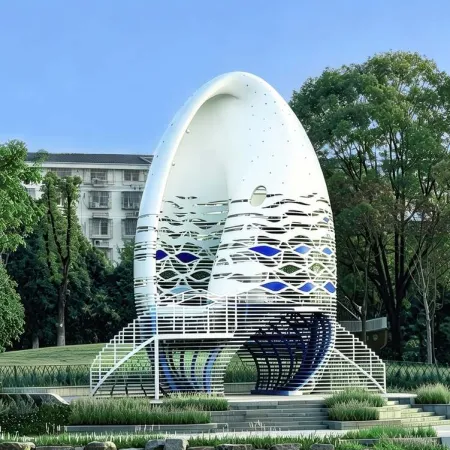
See urban-defining works in Artistic Light Columns, Heart of Changfeng and Fishbone Corridor.
The City as the True Client
Urban public art design serves a client larger than any committee, because the true client is the city itself, with its millions of daily users, its layers of history and its long future. A work placed in the urban realm will be seen by people who never asked for it, judged by standards the commissioners never imagined and lived with by generations the designers will never meet, so the design must answer to the public good before it answers to any private interest. The best urban art is a gift to the city, and the designer who thinks of it that way designs differently, asking what this place needs rather than what this commission can display.
Serving the city means respecting its complexity, because the urban realm is a dense negotiation of movement, memory, commerce and community. The art must share its space with traffic and pedestrians, with markets and protests, with the daily commute and the festival crowd; it must respect the history of the place while speaking to its present; and it must earn the care of a public that is asked to protect what it did not choose. Urban public art design succeeds when it understands this complexity as the material of the work rather than an obstacle to it, and the works that last are those that made the city's own life part of their meaning.
| Urban role | What the art provides | Design response |
|---|---|---|
| Identity | A landmark the city is known by | Iconic form read from far and near |
| Wayfinding | Meeting points people can name | Scale and silhouette tuned to routes |
| Dignity | Recognition for history and people | Commemorative work of real restraint |
| Delight | Surprise in the daily commute | Small works in unexpected places |
Designing for the Life of the Street
Urban public art design must work with the actual life of the street, because a city is experienced in motion and the art must earn its place in that motion. The designer studies the flows of the city, the routes of commuters, the gathering points of communities, the queues and the shortcuts, and places the work where it can be seen without obstructing, enjoyed without interrupting and remembered without being sought. A work that blocks the pavement or the sightline of the traffic will be resented however fine it is, while a work that sits gracefully beside the flow becomes part of the rhythm of the city, seen daily and loved slowly.
The urban environment also sets the scale and the material conversation, because a city work competes with buildings, signs and crowds for attention. The work must be scaled to its setting, bold enough to hold its own against the architecture yet human enough to welcome approach; it must use materials that endure the urban climate, the pollution, the salt of winter streets and the touch of millions; and it must be detailed for the city's maintenance, with surfaces that can be cleaned and structures that can be inspected. The works that survive urban life are those designed for it, and urban design is the discipline of making art that the city can keep.
Public Adoption and the Life of the Work
Urban public art design succeeds or fails in the moment of adoption, when the public decides whether the work is theirs or merely in their way, and adoption is won through engagement long before the unveiling. The community that has shaped a work, through workshops, conversations and honest listening, arrives at its first sight already owning it; the community that meets a finished work as a surprise starts from suspicion and must be won over slowly, if ever. The design process should therefore build genuine engagement into its schedule, treating residents, workers and daily users as sources of insight rather than obstacles, and the work will be protected, photographed and defended by the people who helped create it.
Adoption is also sustained by the care the city shows the work, because a city that maintains its art teaches its citizens to value it. The work should be designed with its maintenance in the budget and the schedule, cleaned on a rhythm, inspected for its fixings and finishes and repaired before small problems become large ones; and the stories of the work, its artist, its meaning and its making, should be told through interpretation that lets new generations understand it. A city that treats its public art as a living collection rather than a one-time purchase is a city whose art grows in meaning with every year, and that growth is the true return on the urban investment.
Commissions, Competitions and the Public Process
The commissioning of urban public art design is itself a public act, and the process should be worthy of the trust the public places in it. Clear criteria should be published before the selection, so that artists know what the city seeks and the public can see the basis of the choice; the selection should balance artistic excellence, site understanding and deliverability, not simply the most famous name or the cheapest price; and the chosen concept should be presented to the public honestly, with the reasoning explained and the response heard, because a city that explains its choices builds the understanding that lets its art be adopted.
The public process should also protect the work from the failures of process, the concept chosen for politics rather than place, the budget set before the ambition, the timeline that forces corners and the approval that comes too late to shape the design. A city that commissions well gives the artist a clear brief, a realistic budget, a defensible timeline and a single point of decision, and it holds the artist to the standard of serving the city rather than serving the process. Our studio has created urban works across more than twenty countries since 2003, and the commissions that became beloved landmarks were those where the public process was run with integrity, so that the work arrived already understood and already half-adopted.
Art the City Will Keep
Designed for the real flows of the street
Scaled to hold its own among buildings
Adopted through genuine public engagement
Maintained as a living urban collection
From Single Works to Urban Programmes
The most powerful urban public art design is rarely a single work but a programme, a family of works and a strategy that gives a district a coherent identity over time. A city art programme may begin with a masterplan that names the themes and the sites, continue with a landmark that anchors the identity, and grow through smaller works that carry the theme into the neighbourhoods; it may balance permanent commissions with temporary installations that keep the city feeling alive; and it may connect the art to the wider cultural life of the city, the museums, the festivals and the routes that visitors follow. The programme turns individual works into a collection, and the collection into an identity.
A programme also spreads the risk and the benefit of urban art more fairly, because no single neighbourhood should carry all the landmarks and no single community should be asked to adopt art it did not help choose. The strategy should distribute works across the city with intention, giving every district its share of identity and every community its chance to shape what appears in its streets; and it should build the local capacity, the artists, the fabricators and the curators, that let the city sustain its own cultural life rather than importing it forever. The cities with the strongest public art are those that treat it as a permanent programme of the city's life, not a series of one-off purchases, and that programme is the highest form of urban design.
Frequently Asked Questions About Urban Public Art Design
Why does public art matter to a city?
Art gives a city identity, meeting points and moments of delight that infrastructure cannot provide. It shapes how residents feel about their place and how visitors remember it.
How is urban art commissioned fairly?
With published criteria, a balanced selection panel and honest public presentation of the chosen concept. A fair process builds the understanding that lets the work be adopted by the city.
Should the public be involved in choosing urban art?
Yes, through genuine engagement that shapes the work. Communities that help create a work protect and celebrate it, while communities that meet a finished surprise often start from suspicion.
What materials survive the urban environment?
Stainless steel, bronze, stone and engineered finishes endure urban pollution, weather and public contact when specified and maintained properly. The design should match the city's maintenance capacity.
How does a city build a coherent art collection?
Through an art masterplan that names themes, sites and sequence, balanced with temporary programmes and distributed fairly across districts. A programme turns individual works into a city identity.
Urban public art design is the art of giving a city itself a voice, and it rewards the cities that commission it with integrity, engagement and care. Design for the real life of the street, scale the work to its setting, win adoption through honest engagement and maintain the collection as a living programme, and the art will repay the city for generations. The landmarks that define great cities were almost never accidents; they were works commissioned by people who understood that a city is remembered by what it chooses to celebrate, and that art is how a city tells the world who it is.
Let urban public art design give your city the landmarks it will be remembered by.