What a Custom Public Art Installation Company Must Offer Beyond the Sketch
A custom public art installation company is chosen for one reason: to turn an idea that exists only in a client's mind into a work that stands in the world. The company that succeeds at this carries the project through design, engineering, fabrication, delivery and installation as one accountable journey, and the client who understands that journey commissions with confidence.
This guide explains what a custom public art installation company should provide at every stage, which questions reveal whether a company can truly deliver, and how to protect your vision while giving the makers the freedom their craft requires. We write from the experience of a studio that has delivered custom installations across more than twenty countries.
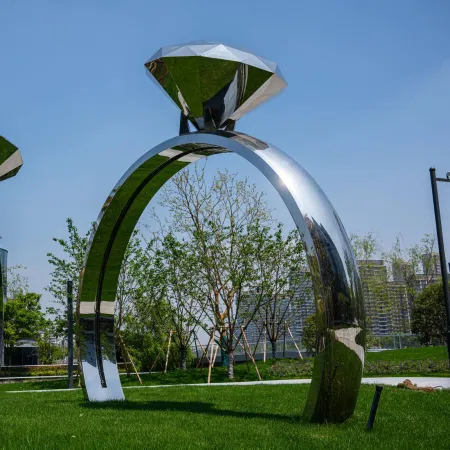
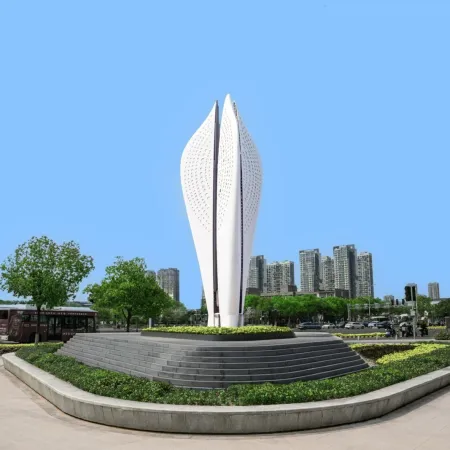
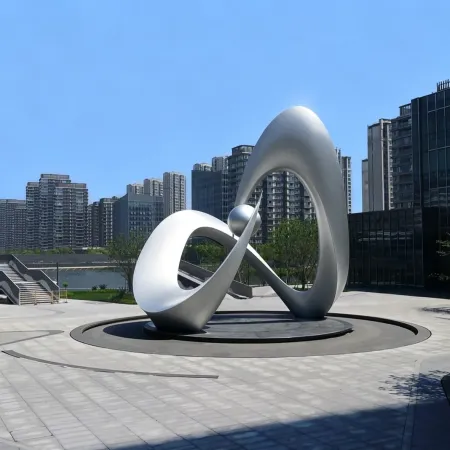
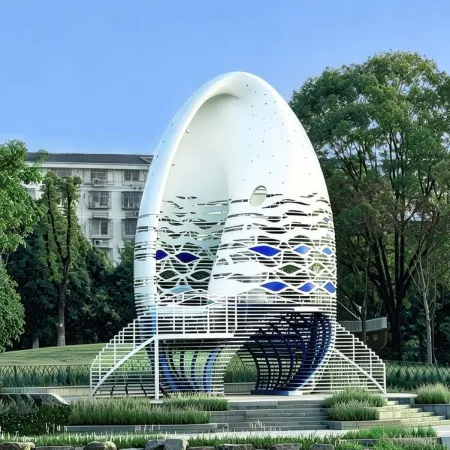
See how bespoke ideas become built works in Zhang Cangshui, Fishbone Corridor and Artistic Light Columns.
The Real Scope of a Custom Commission
A custom public art installation company is not selling an object from a catalogue; it is selling the capability to create something that has never existed, and the scope of that capability is much wider than most clients first imagine. The journey opens with listening and concept development, moves through design development and community consultation, continues into the engineering that makes the form stand, and then enters the workshop for fabrication, finishing and quality control before the work is crated, shipped and installed on a foundation engineered for its weight and its site. Each of these stages is a discipline in its own right, and a company that can only do some of them will hand your project across boundaries where vision and responsibility leak away.
The value of the full-service model is accountability. When one company holds the whole journey, there is a single team that answers when the engineering meets the design, when the fabrication reveals a problem in the drawing, or when the installation meets an unexpected foundation. The client does not mediate between a designer who blames the fabricator and a fabricator who blames the designer; the company resolves the issue internally and presents the solution. For a custom work, where every problem is new, that internal accountability is not a convenience but the core of the service.
Listening First: How a Custom Work Begins
The quality of a custom public art installation is decided in the first conversations, before any sketch is drawn, because the brief is the seed of everything that follows. A skilled company begins by listening: to the story the client wants the work to tell, the feeling it should give the people who encounter it, the practical demands of the site and the budget that bounds the ambition. It asks about the community, the climate, the maintenance the client can sustain and the lifespan they expect, and it reads between the answers to find the need behind the request. The client who has thought about these questions in advance will receive a far sharper proposal.
Good listening also means honest challenge. A custom public art installation company that simply agrees with everything the client says is not serving the client, because part of its value is knowing what will not work and saying so early. The company should question a concept that cannot be engineered safely, a material that will not survive the climate or a scale that will overwhelm the site, and it should explain its reasoning rather than merely refusing. Clients often thank us most for the objections we raised at the start, because those objections saved them from discoveries they would have made at the worst possible moment, when the work was already built.
From Concept to Approvable Design
Once the brief is understood, a custom public art installation company translates it into a design that can be seen, tested and approved. The process typically moves from concept sketches through a refined proposal with a scale model or digital visualisation, and the model is a moment of truth because it reveals the form in three dimensions, where ideas that looked strong on paper can disappoint and details that seemed minor can become the soul of the work. The client should insist on seeing the design in a form that honestly represents the final object, including its colour, its finish and its context, because approving a misleading image is the beginning of disappointment.
The design stage is also when the work must satisfy the approvals that surround public art. Depending on the site, the project may need planning permission, structural approval, community consultation or the blessing of a design review panel, and the company should know how to present the work to each of these audiences. The presentation materials matter: a clear narrative of the concept, honest images of the work in its setting and a plain-language account of the materials and their care. A custom public art installation company experienced in approvals will guide the client through this landscape, which for a first-time commissioner can otherwise feel like a maze of committees and paperwork.
| Stage of the journey | What the company delivers | What the client should watch |
|---|---|---|
| Briefing | Listening and honest challenge | Does it question what will not work? |
| Design | Models and honest visualisation | Does the image tell the truth? |
| Engineering | Structure, wind, foundations | Are the calculations shared? |
| Making | Fabrication with milestone control | Can you visit or watch progress? |
| Delivery | Installation, handover and aftercare | Is aftercare documented? |
Engineering the Impossible Safely
Every custom public art installation is an engineering problem, because the form has never been built before and no textbook contains its answer. The company must calculate how the structure will carry its own weight, how it will resist the wind loads of its site, how it will be supported on its foundation and how it will behave under the temperature swings, moisture and public use of its lifetime. These calculations are not paperwork; they are the difference between a work that stands for decades and one that fails in a storm, and they must be performed or verified by qualified engineers whose reports are shared with the client.
The client's role in engineering is to ask the questions that protect the public. Ask how the work has been checked against the wind and seismic conditions of the site, how the foundation design accounts for the actual ground, and how moving elements, if any, are engineered for fatigue and safety. Ask who signs the structural report and whether the site's insurers will accept it, and ask how the work will be installed without risk to the public or the surrounding architecture. A custom public art installation company that answers these questions with names, documents and calculations is treating your project with the seriousness that public safety demands.
The Workshop: Where Vision Becomes Material
Fabrication is where a custom public art installation company proves whether its promises were real, because the workshop is where skill, honesty and patience are tested daily. The client should understand what happens in the making: how the design is scaled up from model to full size, how the forms are cut, shaped and assembled, how the welds are made and inspected, and how the finish is built through its layers of preparation and application. Each of these steps carries choices that affect the final quality, and a company that explains its process is a company confident in its process.
Milestones give the client windows into the making without disrupting it. A good company proposes points at which the client can see the work or receive detailed progress reports: the material arrival, the completed primary structure, the finished surface before packing, and the final quality check. For large works, a factory visit at the structural stage is invaluable, because it reveals the bones of the sculpture before they disappear under its skin. The client who uses these windows to inspect and ask questions is not being difficult; it is exactly this attention that keeps the work to its standard.
What a Custom Company Should Hold
Your vision, protected from first sketch to site
Engineering that makes the impossible safe
One team accountable for the whole journey
Milestones that let you watch the making
Budgeting a Work That Has Never Been Made
Budgeting a custom public art installation is an exercise in honesty, because nobody has made this exact work before and every estimate carries uncertainty. A reputable company quotes from the real scope: the design time, the materials at current prices, the fabrication hours the form demands, the finishing system, the engineering, the crating and the installation, and it explains the assumptions behind each figure. The client should ask what could move the price, how variations will be priced when the design changes and what contingency the estimate assumes, because a custom work that changes direction will change its cost.
The client should also understand what the budget does not include and plan accordingly. Foundations, site preparation, electrical connections for illuminated or kinetic works, import duties and local transport are often separate from the fabrication quotation, and a company that lists these clearly at the start prevents the ugly surprises that sour so many commissions. The fairest approach is a staged budget that develops with the design: an early estimate to test feasibility, a firmer figure at design approval and a final quotation before fabrication begins, so that the client always knows where the money stands relative to the work.
Frequently Asked Questions About a Custom Public Art Installation Company
What makes a company able to deliver custom work?
The combination of design, engineering and fabrication under one roof, with a track record of bespoke installations. The capability to hold the whole journey is the core requirement.
Who owns the design of a custom work?
The client owns the commissioned work and its design, and the contract should say so in writing, including protection against the company reusing the concept for another buyer.
How do I know the design will work in reality?
Insist on scale models or honest visualisation and, for complex forms, a prototype section. Approve the design only in a form that truthfully represents the finished object in its site.
What engineering checks protect a custom work?
Structural calculations for dead and wind load, foundation design for the actual ground and fatigue analysis for any moving parts, with reports signed by qualified engineers.
What should the handover include?
A maintenance file naming materials, finishes, cleaning and inspection schedules, plus a warranty and a named contact who answers when the work needs attention in its first years.
A custom public art installation company earns its place by carrying your idea through every stage of its becoming, and the client who chooses well gains a partner who listens, challenges, engineers, makes and delivers as one accountable team. Choose a company that asks the hard questions early, shows the design honestly, shares its engineering, opens its workshop and documents its aftercare, and your custom work will arrive in the world as you imagined it, or better. The sculptures that move us are not made by magic; they are made by companies that hold the whole journey to one standard, and that standard is what your idea deserves.
Choose a custom public art installation company that will carry your vision with care, and your idea will become the work your community remembers.