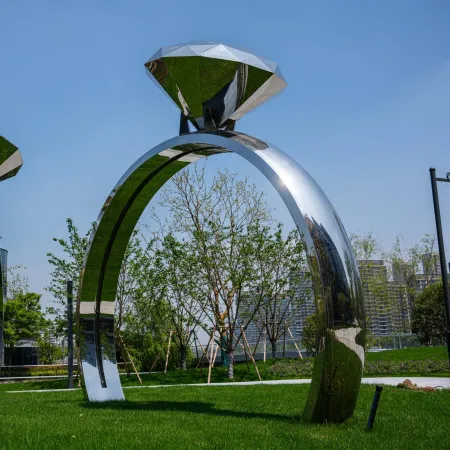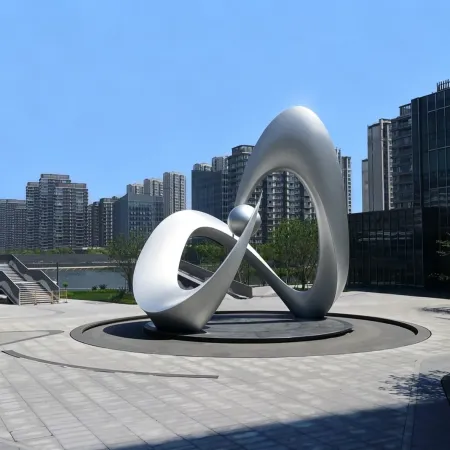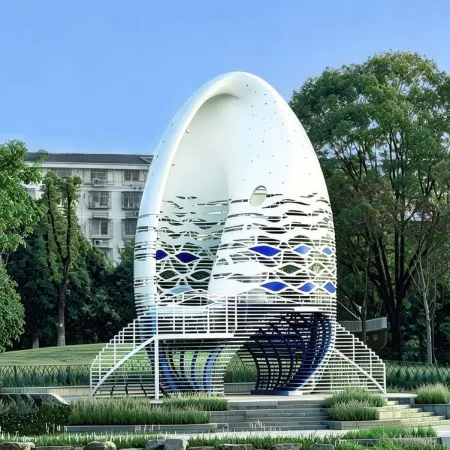
How to Design a Public Outdoor Monument That Beats the Weather for Decades
A public outdoor monument lives entirely in the weather, and its whole life is a negotiation with sun, rain, frost, salt and wind that no gallery work ever faces. The monument that is designed for its climate from the first sketch will still be standing with its dignity intact when the trends that shaped it have passed, while one that ignores the weather will begin its decline in the first few seasons, whatever its artistic merits.
This guide explains how public outdoor monument design and specification handle the realities of climate, the materials and finishes that endure, the detailing that protects the structure and the maintenance regime that keeps a monument beautiful across the decades. Our studio has delivered works across 23 countries since 2003, through coastal salt, desert heat, alpine frost and tropical storms, and the guidance below comes from what those works taught us.
See weather-tested outdoor works in the project gallery, the outdoor specification services in our services overview and a wind-driven outdoor work such as Rainbow Windmills.
Reading the Climate Before Choosing the Material
The design of a public outdoor monument should begin with an honest reading of the climate it will live in, because the same design that thrives in one region can fail in another. A coastal site brings salt-laden air that attacks most metals and many stones; an industrial or urban site brings pollutants that stain and etch; a cold site brings freeze-thaw cycles that can burst porous materials; a hot desert site brings ultraviolet light and thermal extremes that fade and fatigue; and a wet site brings the biological growth that stains and degrades. The studio should study the specific site, not the general region, because a monument a kilometre from the sea lives in a different climate from one ten kilometres inland.
The material choice then follows the climate with honesty. Stainless steel in the right grade, 316 for coastal and de-iced sites, is among the most weather-resistant of monument materials; bronze develops a protective patina in most climates though its care needs adjusting for severe pollution; weathering steel suits dry and moderate climates but needs careful detailing where salt or constant wetness would defeat its protective layer; granite and dense stone endure almost any climate; and painted or coated materials are only as durable as their coating systems and their maintenance. There is no perfect material, only the right material for the site, and the studio should present the trade-offs rather than a single answer.
| Climate challenge | What it does | Material response |
|---|---|---|
| Coastal salt | Pits metals, stains surfaces | 316 stainless, sealed bronze, washing regime |
| Freeze and thaw | Bursts porous stone and concrete | Dense stone, drained details, frost-proofing |
| UV and heat | Fades coatings, fatigues materials | UV-stable systems, thermal movement joints |
| Industrial pollution | Stains and etches finishes | Inert surfaces, periodic cleaning |
| Wind and storm | Loads, vibration, flying debris | Structural analysis, robust fixings |
Detailing That Keeps Water Out and Air Moving
Most weather damage to a public outdoor monument begins not with the material but with the detailing, the places where water is allowed to sit, penetrate or be trapped. The design should shed water everywhere, with slopes, drips and drainage that carry rain away from the work and its fixings; it should avoid horizontal surfaces and internal cavities where water collects; it should seal or ventilate every joint so that moisture cannot enter and then be trapped against the metal or stone; and it should protect the base, where the monument meets the ground and where splash, salt and de-icing chemicals do their worst. A monument detailed for drainage will outlive one detailed for appearance alone.
The base and the foundation deserve particular detailing attention, because the ground zone is the most corrosive environment a monument faces. The base should lift the monument clear of standing water and splash, with a plinth or a detail that sheds moisture; the joint between the monument and its foundation should be sealed or ventilated against capillary water; and the foundation materials and any exposed fixings should be chosen for the soil chemistry and the de-icing regime of the site. We have seen beautiful monuments fail from the base upward because the ground zone was detailed as an afterthought, and the lesson is always the same: in an outdoor monument, the lowest metre is the most important metre.
Testing and Proving Durability Before Installation
The durability of a public outdoor monument should be proven before installation rather than discovered after it, and serious studios test their choices against the site's reality. The evidence may include accelerated weathering and salt-spray testing of the specified finish, adhesion tests on the coating system, freeze-thaw testing of the stone or concrete and fatigue analysis of the structural connections, and where a standard applies to a material or a test, the studio should follow it and keep the records. A specification that rests on data rather than on habit is a specification the client can trust.
Prototyping carries the proof further. A sample panel finished in the actual specified system and exposed to the site's conditions for a season tells the truth about colour stability and surface behaviour faster than any brochure, and a full-scale mock-up of a critical joint proves that the geometry can be built, sealed and drained as drawn. Testing adds time and cost to the front of a project, and both are worth every unit, because the alternative is a monument that begins to fail in year three and costs many times the saving to repair. When a studio presents its test evidence openly, the client is not buying a promise; the client is buying a specification that has already met the weather and won.
Maintaining the Outdoor Monument Through Its Life
A public outdoor monument needs a maintenance regime that matches its material and its climate, planned before installation and owned by a named party. The regime typically includes periodic cleaning to remove the deposits that stain and etch, more frequent in coastal, industrial or heavily visited sites; an annual inspection of the structure, the fixings, the drainage points and the ground zone, where most problems begin; and the scheduled renewal that each material requires, whether the wax on a bronze patina, the coating on painted steel or the sealants at the joints. The regime should be written in plain language and handed to the owner with the monument.
The studio should also anticipate the repairs that time will bring and make them possible. Drainage details that can be rodded, fixings that can be inspected and replaced, panels that can be re-finished without dismantling the whole, and finish material that can be matched for future repairs, all of these decisions are made in the design and fabrication phases, and all of them determine whether the monument's middle age is graceful or costly. We design outdoor monuments with their repairs in mind, because a monument that is easy to maintain will be maintained, and one that is not will be abandoned to the weather that never stops.
- Read the real climate of the site, not the region's reputation.
- Detail for drainage before you detail for appearance.
- Protect the ground zone, where outdoor monuments fail first.
- Test the finish against the site before installation.
- Write the maintenance regime and name who owns it.
What Climate-Proof Design Delivers
A monument that still looks right in its tenth decade
Materials matched to the site's real attack
Detailing that sheds water and breathes
A maintenance plan the owner can actually run
Frequently Asked Questions About Public Outdoor Monuments
Which material is most weather-resistant for an outdoor monument?
Stainless steel in a coastal-grade alloy and dense granite endure almost any climate, while bronze and weathering steel excel when detailed and maintained for their specific environment.
Why do outdoor monuments fail at the base first?
The ground zone concentrates splash, standing water, salt and de-icing chemicals, so the lowest metre needs the most careful detailing, drainage and material choice.
Can weathering steel be used on a coastal site?
Only with caution, because salt can defeat the protective rust layer; many coastal engineers specify stainless or another material instead, or require a coating on the weathering steel.
How often should an outdoor monument be cleaned?
Usually one or two gentle cleanings a year, more often in coastal, industrial or heavily visited sites, plus an annual inspection of the structure, fixings and drainage points.
What testing proves a finish will last?
Accelerated weathering and salt-spray tests, adhesion tests on coatings, freeze-thaw testing of stone and site-exposed sample panels, with the records kept in the monument's dossier.
A public outdoor monument is a permanent commitment made to an environment that never rests, and its survival is decided by the climate reading, the material choice, the drainage detailing and the maintenance regime that the design puts in place. Specify for the real site, test before installation and hand the owner a maintenance plan, and the monument will face the weather for decades with its dignity intact.
If you are commissioning a public outdoor monument and want to know how your site's climate should shape the material and detailing, our engineers will prepare a durability specification for your specific location before you choose.