Why Commercial Metal Sculpture Delivers the Modern Statement
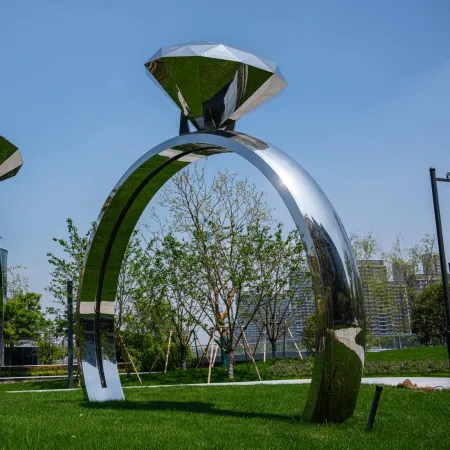
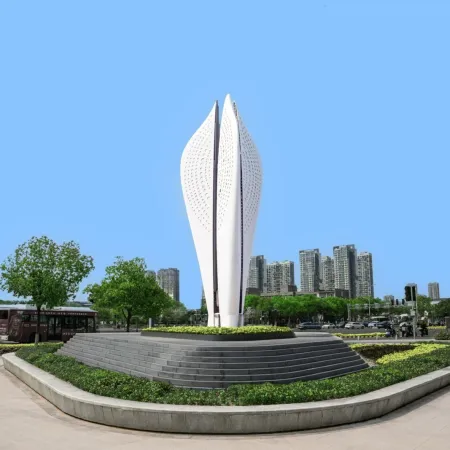
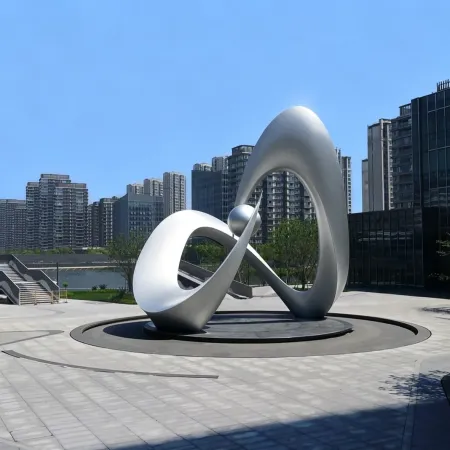
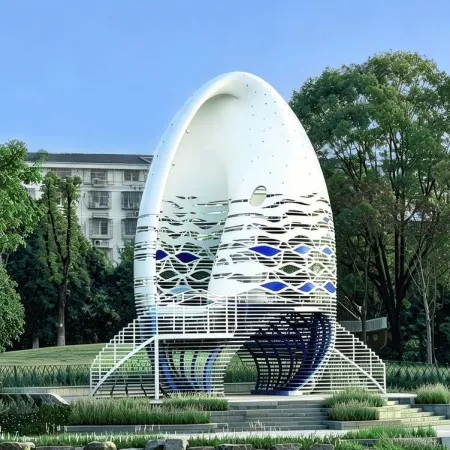
Commercial metal sculpture is the default language of modern development — the material that speaks fluently to glass towers, concrete plazas and the contemporary eye. Steel, stainless, aluminum and their alloys give sculptors a range no other material family can match: mirror surfaces that reflect the sky, painted forms in exact brand color, weathering steel that ages like the landscape, and structures that span, cantilever and soar. For commercial clients, metal means a sculpture that photographs dramatically, endures real weather and reads as serious investment. Yifeng Sculpture Studio has fabricated commercial metal sculpture for clients in more than twenty countries since 2003.
This guide covers the metal family and its characters, how quality shows up in fabrication, and how to specify a metal work that stays beautiful for decades.
Our project archive shows metal works in commercial settings, the services overview explains our fabrication capability, and the Eye of the Phoenix demonstrates a polished metal landmark.
The Metal Family and Its Characters
Metal is not one material but a family, and choosing within the family is choosing the sculpture's personality. Polished stainless steel is the extrovert — bright, reflective, contemporary — ideal for lobbies and landmarks that must photograph against any sky. Brushed and satin stainless speak more quietly, suiting corporate and medical settings where calm precision is the message. Painted steel is the chameleon, taking any color the brand requires at a cost that allows real scale. Weathering steel is the introvert, its oxide surface blending with earth and aging gracefully outdoors. Aluminum offers lightness for rooftop and facade works. Understanding these characters lets a commercial team choose the metal that speaks its message — and avoid the expensive mistake of a material that fights the architecture.
| Metal | Character | Best Commercial Use |
|---|---|---|
| Polished stainless | Bright, reflective, dramatic | Landmarks, lobbies, photo moments |
| Painted steel | Full color, playful or branded | Plazas, play areas, brand statements |
| Weathering steel | Earth oxide, ages with site | Landscapes, resort grounds |
| Aluminum | Light, precise, corrosion-resistant | Rooftop, facade and coastal works |
The Craft That Makes Metal Sing
Metal sculpture is judged in its seams and surfaces, and craft is where quality becomes visible. In a polished stainless work, every weld must be ground and buffed until the joint disappears — a mirror finish shows every imperfection, so the finish is only as good as the chasing beneath it. In painted steel, the preparation determines the life: blast cleaning, proper primers and UV-stable topcoats keep color true for years, while shortcuts show as rust within two seasons. In structural works, the hidden welding and bracing determine whether the form holds its line for decades. A serious fabricator talks about these details with precision because they are the difference between a sculpture that looks machine-perfect from every angle and one that reveals its compromises in certain light. Commercial buyers should tour the workshop or review fabrication videos — craft is visible long before the work is finished.
Surface Finishes: Mirror, Satin, Texture and Color
The finish is the sculpture's skin, and the choice of finish deserves the same care as the form. Mirror-polished stainless reflects the environment — a work that changes with the sky, the seasons and the people passing — which makes it endlessly photogenic but also means it shows fingerprints and smog in certain settings. Satin and brushed finishes soften the reflection for interiors where a calmer presence is wanted. Bead-blasted and textured finishes diffuse light and hide the dust of outdoor life. Painted finishes open the full color spectrum and can be textured or glossed to suit the brand. Each finish carries different maintenance, so the choice should balance the visual goal with the practical reality of the site. The studio should present physical finish samples — a finish is decided in the hand and the light, never from a photograph.
Finish Options Compared for Commercial Sites
- Mirror polish: maximum reflection and drama; needs regular cleaning in city air
- Satin / brushed: calm contemporary look; moderate maintenance
- Bead blast / texture: diffused light; forgiving of dust and touch
- Powder or wet paint: full brand color with UV-stable systems
- Weathering oxide: self-protecting rust tone; specify runoff management
Engineering for Structure and Wind
Metal's great gift — the ability to span, cantilever and soar — is also its great responsibility. A stainless ribbon that appears to float must in fact be engineered for the wind loads of the site's worst storm; a painted steel form that seems to balance on one point carries a counterweight or foundation engineered to keep it honest. The studio's engineers design the internal structure so that the exterior remains clean: no visible bracing, no compromise to the form. For every metal sculpture, the load path from every point of the form must be traced to the ground, and the foundation must be matched to the actual ground conditions of the site. Commercial buyers should ask for the structural summary at proposal stage — the confidence of a studio that presents engineering with its art is the confidence of a builder who expects the work to stand for fifty years.
Corrosion and the Coastal Question
Metal's enemy is corrosion, and the commercial buyer's job is to specify for the real environment. Inland, standard grades and coatings serve well; within a few kilometers of salt water, specifications must step up — higher-grade stainless for marine atmospheres, more robust coating systems for painted steel, and careful detailing to avoid crevices where salt and moisture collect. Even inland, dissimilar-metal contact (stainless against aluminum, for example) needs isolation to prevent galvanic corrosion, and fixings should match or outlast the sculpture itself. A studio that asks about the site's climate and distance from the coast before quoting is a studio that understands metal's weakness and knows how to design around it. The coastal specification costs little at design stage and saves a fortune in premature repair.
What Our Studio Delivers on Metal Commissions
Full metal family capability under one roof — stainless, steel, aluminum
In-house structural engineering for span, wind and foundation
Physical finish samples and corrosion specification per site
Fabrication, delivery, erection and a written care manual
Maintaining the Metal Landmark
Metal's maintenance reputation is better than its reality in one respect: no material is truly zero-maintenance outdoors. Mirror stainless in a city needs periodic washing to keep its reflection; painted steel needs an inspection regime and eventual recoating; weathering steel needs its drainage kept clear and its runoff managed. The good news is that the care is simple, infrequent and inexpensive when it is planned. The studio should hand over a care manual specifying the cleaning agents (never abrasive on stainless), the inspection intervals for fixings and coatings, and the touch-up methods. A metal work that is washed twice a year and inspected annually will still look like opening day in year twenty — and the modest cost of that care is the cheapest insurance a commercial asset can buy.
Frequently Asked Questions About Commercial Metal Sculpture
Which metal is best for our commercial project?
It depends on the message and the site: polished stainless for drama and reflection, painted steel for color at scale, weathering steel for landscape warmth, aluminum for coastal or rooftop lightness. A studio that fabricates all of them will advise without bias.
Will stainless steel rust?
Stainless is corrosion-resistant, not corrosion-proof. Correct grade selection for the environment, clean detailing without crevices, and isolation from dissimilar metals keep it rust-free for decades — which is exactly what a specialist studio specifies.
How do we keep mirror-polished sculpture clean?
With the right sequence: rinse, then wipe with a mild cleaner and clean water, then dry to prevent spots. The care manual specifies agents that protect the finish — never abrasive pads or harsh acids on polished surfaces.
Can metal sculpture combine multiple finishes or materials?
Yes — mixed finishes within one metal, or different metals combined, create rich contemporary works. The engineering must isolate dissimilar metals and design the junctions so each surface can be maintained. We do this regularly.
How long does a metal commission take?
Typically two to four months from approved design to installation for a medium work, longer for large or structurally complex pieces. Finishing and curing stages set the pace — rushing them is how finishes fail early.
Commercial metal sculpture is the modern statement — a work that reflects its architecture, endures its climate and photographs like an investment, because it is one. Since 2003 our studio has fabricated commercial metal sculpture for clients in more than twenty countries, from mirror-polished landmarks to painted steel playgrounds, each engineered to hold its beauty for decades. If your project calls for a statement in metal, bring us the site and the intention — the commercial metal sculpture we build together will be crafted in the right metal, finished to the right skin and engineered to stand the test of time.
Begin by sharing the space and showing us the feeling you want — our team will recommend the metal, the finish and the engineering that delivers it. That first conversation has opened every commercial metal sculpture in our archive, and it is the fastest route to a work that speaks for your brand in the language of steel.