How a Park Large Sculpture Serves Its Landscape and Its People
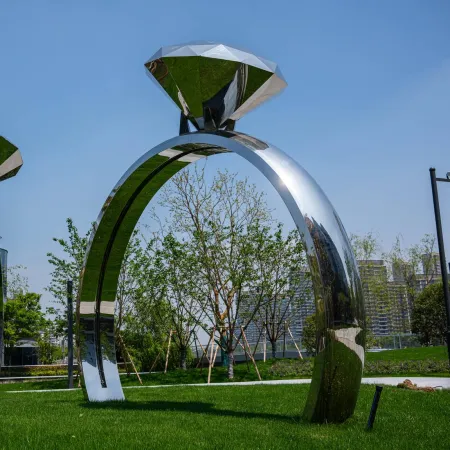
A park large sculpture has a different contract from any urban work, because it must hold its own among trees, lawns and water while serving families, walkers and children who come to the park for leisure, not for art. The sculpture must earn its place in a setting that is already beautiful, adding meaning and delight without competing with the landscape, and it must survive a public life that includes climbing, play and the full cycle of the seasons. After more than a decade creating and installing park large sculpture across twenty-three countries, I have learned that the best park works feel less like objects placed in nature and more like discoveries waiting among the trees.
This guide explains how park sculpture serves its setting, the special demands of the park environment and how to commission a work the whole community will adopt.
Our public sculpture services include park commissions, the works archive shows our landscape and park installations, and the Wisdom Tree demonstrates how a park work can become a beloved landmark among greenery.
The Park as a Different Kind of Stage
A park is not a plaza with grass, and a park large sculpture must respect the different nature of its setting. People come to parks to relax, play and escape the city, so the sculpture should reward discovery rather than demand attention, sitting comfortably among the landscape rather than shouting over it. A work that works in a square, bold, central and commanding, can feel wrong in a park, where the most successful sculpture often reveals itself gradually, framed by trees and encountered by chance on a path.
The relationship between sculpture and landscape cuts both ways. The sculpture can frame a view, mark a clearing, give a destination to a walk or tell the story of the place, and the landscape can provide the setting, the scale and the seasons that make the work change through the year. The best park commissions are designed with the landscape as a full partner, so that the sculpture and its setting enrich each other rather than compete, and the result feels as natural to the park as the trees themselves.
Designing for Discovery, Play and Wonder
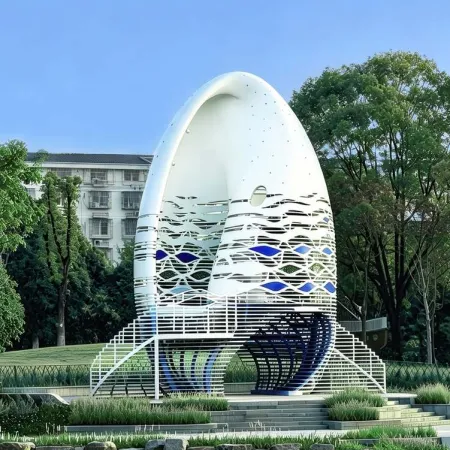
A park large sculpture succeeds when it invites the kind of engagement that parks exist to serve. Children should be able to approach it safely, touch it and play around it; families should find it a natural place to pause for a photograph or a rest; and walkers should feel that it rewards the journey to reach it. Works that allow safe interaction, that have openings to explore, surfaces to touch and forms that spark the imagination, become the landmarks that children remember for the rest of their lives, and that memory is the deepest return a park commission can earn.
The design must balance invitation with safety and durability. Every edge that a child may touch must be safe, every element that may be climbed must be strong enough to carry climbers, and every surface must tolerate the wear of play while remaining beautiful. A park large sculpture that welcomes the public without being harmed by them is a work of quiet engineering as much as art, and it is the kind of work that earns a permanent place in the community's affections.
| Park Setting | Role of the Sculpture | Design Approach |
|---|---|---|
| Children's park | Play, imagination, delight | Safe interaction and bold colour |
| Nature park | Harmony with the landscape | Natural materials, quiet forms |
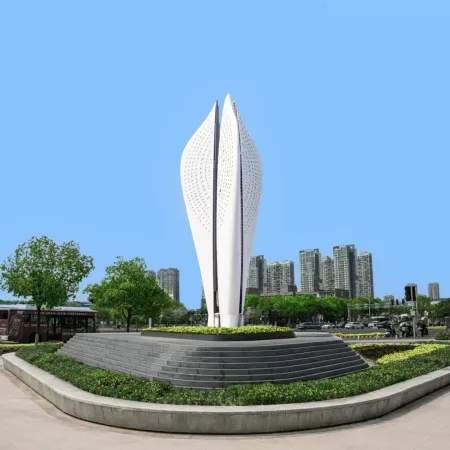
| Civic park | Community identity and events | Landmark presence, gathering point |
| Cultural park | Story and heritage | Narrative woven into form |
Materials for the Park Environment
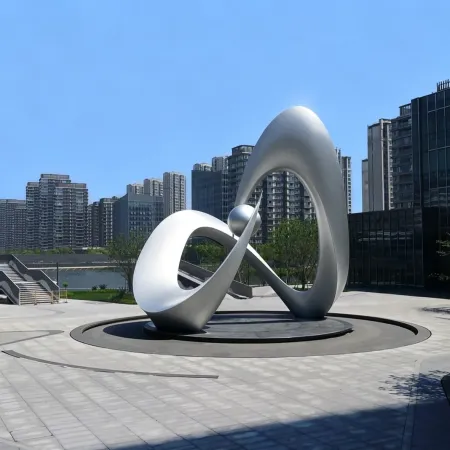
A park large sculpture lives among vegetation, moisture and wildlife, so its materials must suit a softer and wetter world than the urban plaza. Stainless steel shrugs off the moisture of sprinklers, rain and morning dew; painted steel allows the bright colours that children's parks love, provided the coating is durable; weathering steel tones harmonise beautifully with bark and earth; and stone carries a natural permanence that belongs in the landscape. The choice should consider not only the climate but the character of the park itself, so the work feels born of its setting.
Park maintenance is often lighter than urban maintenance, so the materials should be chosen with realistic care in mind. Surfaces that can be cleaned simply, finishes that tolerate the drip of trees and the touch of many hands, and forms that shed leaves and water rather than trapping them will all serve the park staff who look after the work. An honest studio advises on these realities, because a park large sculpture that demands intensive care will quietly decline in a setting where that care is rarely available.
Engineering for Trees, Ground and Seasons
The engineering of a park large sculpture must respect the special conditions of its site. The foundation must avoid damaging tree roots while still anchoring the work securely, which often demands careful positioning and root-respecting foundation types; the structure must survive the wind that funnels through open parkland; and the work must tolerate the moisture and organic matter of the park environment without corroding or staining. Each of these demands is different from urban installation, and a studio experienced in park work knows how to meet them without harming the landscape the sculpture is meant to enrich.
The seasons are more present in a park than anywhere else, and the design should embrace them. A work that frames the autumn colour, holds snow in winter, stands among spring blossom and offers shade or shelter in summer becomes part of the park's yearly rhythm rather than an interruption of it. We design park commissions with the full calendar in mind, considering how the foliage, the light and the weather will frame the sculpture in every season, because a park work that earns its place in January as well as June has truly joined the landscape.
- Respect the landscape: the sculpture should enrich, not compete
- Welcome safe play: children will climb, touch and remember
- Choose park-wise materials: moisture, trees and light care
- Design for all seasons: the work must earn winter too
The Right Park Sculpture Brings a Community
A landmark children ask to visit again
A destination that gives walks a purpose
A story that binds the park to its people
A work that belongs to every season
Commissioning a Park Large Sculpture
The commissioning of a park large sculpture should begin with the park itself, its character, its users and its place in the community. We start by walking the site through the seasons, studying where people gather, where children play and where a sculpture could give the park a new destination, and we develop concepts that grow from that understanding. The community should be involved in the journey, because a park work that the neighbours have helped to imagine is a work they will protect and love from the day it arrives.
Since 2003 our studio has designed and installed park large sculpture across twenty-three countries, working with landscape architects, park authorities and communities to create works that belong to their settings. We would be glad to walk your park with you, listen to what it means to your community and help you commission a sculpture that will become part of the place, remembered by every child who grows up beside it.
Frequently Asked Questions About Park Large Sculpture
Should park sculpture be safe for children to climb?
It depends on the intent and the location. Works in family and children's areas should welcome safe interaction and be engineered for it, while pieces in fragile landscape zones may be designed to be admired at a distance.
What materials suit a park setting best?
Stainless steel, painted steel, weathering steel and stone all work well in parks when matched to the character of the site and the maintenance available. Bright painted forms suit children's areas; natural tones suit landscape settings.
How do you install a sculpture without harming tree roots?
Through careful siting, root-respecting foundation types and coordination with the landscape architect. Protecting the trees is as important as installing the sculpture.
Can a park sculpture tell the story of the place?
Yes. Many of the most loved park works carry local stories through form, material and placement, giving the community a sense that the sculpture belongs to their own history and identity.
How do we involve the community in a park commission?
Through workshops, open dialogue and genuine consultation during the design process. When the community has helped shape the work, they adopt it as their own and defend it for generations.
A park large sculpture is a gift from one generation to the next, a work that children will remember and parents will revisit, standing among the trees as a permanent part of the community's shared life. Chosen with the landscape and designed with the people, it becomes as natural to the park as the oldest oak.
Let our studio help you bring a park large sculpture to your landscape, one that its people will love, protect and remember.