How Commercial Outdoor Sculpture Survives and Thrives in the Open Air
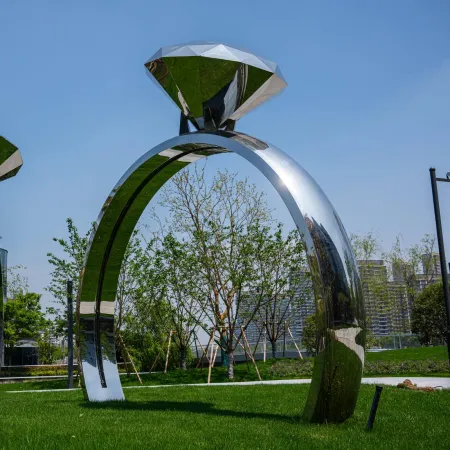
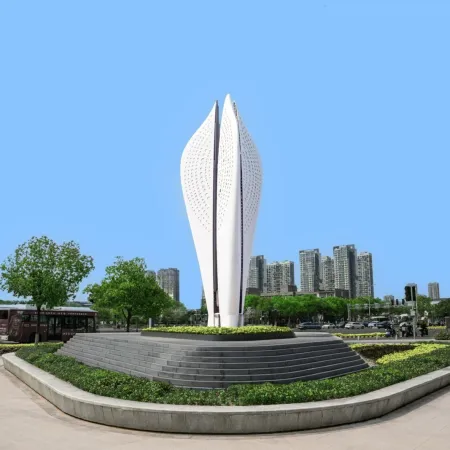
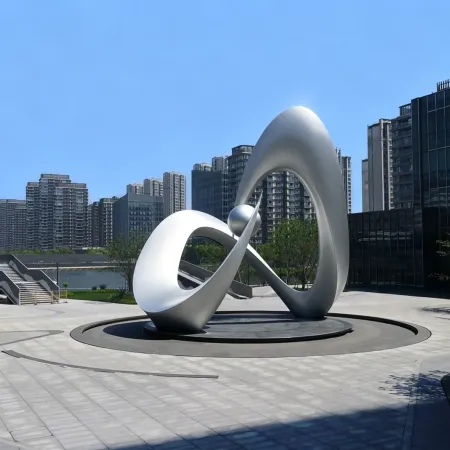
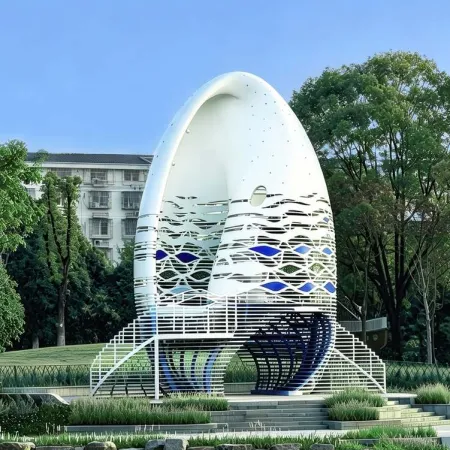
Commercial outdoor sculpture carries a double burden that indoor art never faces: it must hold its beauty against sun, rain, frost and wind while still doing its commercial job of drawing people, framing spaces and photographing well. The sculptures that succeed outdoors are not indoor works made weatherproof; they are designed from the first sketch for the outdoor life — its light, its seasons, its maintenance realities and its public. Yifeng Sculpture Studio has designed commercial outdoor sculpture for resorts, plazas, campuses and commercial districts since 2003, and this guide explains the discipline that keeps outdoor works beautiful for decades.
We cover the environmental forces that age outdoor work, the materials and finishes that resist them, and the detailing decisions that are invisible in photographs but decisive in year ten.
Our project archive shows outdoor commissions in real climates, the services overview explains our specification process, and the Wisdom Tree installation demonstrates an outdoor work designed for all-weather public life.
The Forces That Age Outdoor Sculpture
An outdoor sculpture is attacked from every direction, and knowing the enemy is the first step to durability. Ultraviolet light fades paints and degrades plastics; rain carries pollutants that stain and corrode; frost expands trapped water and cracks joints; wind loads the structure and fatigues fixings; and the public adds climbing, leaning and cleaning chemicals to the assault. Each force is manageable — but only if the design anticipates it. A sculpture specified for an inland courtyard may fail at a coastal resort within years, and a form that traps water in its upper surfaces will crack in its first hard frost. The professional response is not to fear the environment but to design for it: materials selected for the site's real climate, forms detailed to shed water, and finishes chosen for UV life.
Choosing Materials for the Real Climate
Material selection for commercial outdoor sculpture should begin with the site's climate, not the artist's preference. Coastal sites demand corrosion-resistant specification — marine-grade stainless or carefully protected painted steel. High-UV sites, from deserts to high altitudes, demand coatings with proven ultraviolet life. Frost climates demand drainage detailing that prevents trapped water from freezing and cracking. Wet and humid climates demand finishes that resist the biological growth that thrives on damp surfaces. The studio should ask about the site before recommending materials, and should be willing to say no to a beautiful material that the climate will destroy. The sculpture that stands for thirty years is the one whose materials were chosen for where it lives, not for how it looked in the studio.
Climate Questions Every Outdoor Brief Should Answer
- Coastal exposure: how close to salt water, and how exposed to salt-laden wind
- Temperature range: the extremes and the freeze-thaw cycles the work will face
- UV intensity: high-altitude and low-latitude sites need the toughest coatings
- Wind and storm: the design wind load for the structure and its anchors
- Rain and irrigation: water exposure, including sprinkler spray reaching the work
Detailing: The Invisible Difference Between Decades and Disappointment
In outdoor sculpture, durability is decided in details that never appear in photographs. Every horizontal surface must shed water or drain through it; every joint must be sealed or designed to breathe; every fixing must be stainless or otherwise protected; every cavity must be ventilated to prevent condensation. Edges are radiused so coatings do not thin and fail at sharp corners. Bases are raised or detailed so standing water and mowing equipment do not attack the work at ground level. The studio that sweats these details is the studio whose outdoor works still look right in year twenty, while the studio that treats them as afterthoughts delivers a sculpture that begins failing invisibly from its first season.
Finishes: The First Line of Defense
The finish is the sculpture's armor, and outdoor specification demands the best available. For painted work, that means blast-cleaned surfaces, proper primers and UV-stable topcoats designed for exterior life — the difference between paint that fades in two seasons and color that holds for a decade. For stainless, it means the right grade for the atmosphere and a finish that can be cleaned without damage. For weathering steel, it means accepting the oxide as the finish and managing its early runoff. For bronze, it means a sealed patina with a wax cycle. Whatever the material, the finish specification should be written, warranted and matched to the site's real exposure. A studio that presents finish samples and explains the coating system in detail is protecting the client's investment; one that treats finish as a color choice is selling a sculpture that will need refinishing far too soon.
| Material | Outdoor Finish Strategy | Care Cycle |
|---|---|---|
| Painted steel | Blast, primer, UV-stable topcoats | Inspect annually; recoat per schedule |
| Stainless steel | Marine grade in coastal atmospheres | Wash periodically in city air |
| Weathering steel | Oxide as finish; manage runoff | Keep drainage clear |
| Bronze | Sealed patina with protective wax | Wash and re-wax 1–3 yearly |
Anchoring and Structure: Standing Against Wind and Crowds
An outdoor sculpture must stand against the weather and the public, which makes anchoring a matter of engineering rather than installation habit. The foundation is designed from the site's ground conditions and the sculpture's wind load — a tall slender work in an exposed plaza needs a foundation that resists overturning, while a low solid form may need little more than a level pad. Climbable works are engineered for the loads of crowds. The anchoring system itself is detailed to be invisible, corrosion-proof and inspectable, so that a maintenance team can verify its integrity without excavating. The studio should provide the structural documentation and coordinate the foundation with the site contractor, because an outdoor sculpture is only as permanent as the unseen engineering that holds it.
Lighting and the Outdoor Night Presence
For commercial sites, an outdoor sculpture's night presence is part of its job — it must keep drawing attention after dark. Lighting should be designed with the sculpture, with fixtures selected for outdoor life and positioned for easy maintenance. Uplighting reveals form against the night sky; grazing light brings out surface texture; colored light can carry brand identity or seasonal mood. The electrical specification must be robust: weatherproof connections, accessible junction points and a lighting design that the grounds team can actually service. A sculpture that glows well at night becomes the site's evening landmark, extending the hours in which the commercial space feels special — and that return justifies the modest investment in proper outdoor lighting design.
What Our Studio Delivers for Outdoor Commissions
Site-climate analysis before any material is recommended
Weatherproof detailing, drainage and corrosion control
Structural engineering, foundations and anchoring design
Outdoor lighting design and a written care manual
The Care Program That Keeps Outdoor Work Beautiful
No outdoor sculpture is maintenance-free; every durable one has a maintenance program. The professional standard is modest and scheduled: an annual inspection that checks fixings, coatings, drainage and structure; a periodic wash that removes the grime feeding corrosion and biological growth; and a recoating or re-waxing cycle matched to the material and exposure. The studio should hand over this program in writing, train the responsible team and remain available for the annual check. Commercial clients who budget this modest care from the start are the ones whose outdoor sculpture still photographs like opening day in year fifteen — while the cost of neglect always arrives later, and always larger, as a repair bill that a wash and inspection would have prevented.
Frequently Asked Questions About Commercial Outdoor Sculpture
How long will an outdoor sculpture last?
Designed, fabricated and maintained properly, a metal or bronze outdoor sculpture is a multi-decade asset — thirty years is a reasonable expectation, and many works last far longer. The variables are material specification, climate and the care program.
Can painted outdoor sculpture hold its color?
Yes, when the system is specified for exterior life — UV-stable topcoats over proper primers, applied to a correctly prepared surface. The paint will eventually need recoating, but a good system holds its color for many years before that.
What is the most durable material for outdoor sculpture?
Stainless steel and bronze lead for longevity, with weathering steel close behind in suitable climates. The most durable choice, however, is the material correctly specified for the specific site — durability is a system, not a substance.
How do we protect outdoor sculpture from vandalism?
Mostly through design and siting: robust materials, no easily damaged protrusions, good visibility and lighting, and placement where the public naturally watches. Anti-graffiti coatings are available for painted and stone surfaces in vulnerable locations.
Do we need to hire a specialist to maintain the sculpture?
Not for routine care — a trained grounds or facilities team handles the washing and inspection with our manual. Specialist attention is needed only for recoating, repairs or the periodic structural check, which we can supply or supervise.
Commercial outdoor sculpture is an investment in the open air, and like any outdoor investment it rewards those who specify for the real climate, detail for the real weather and plan for the real decades. Since 2003 our studio has delivered commercial outdoor sculpture that stands in plazas, resorts and campuses across more than twenty countries, each work engineered to keep its beauty through sun, storm and season. If your site is ready for a work that will thrive outdoors, bring us the place and its climate — the commercial outdoor sculpture we build together will be designed for where it lives and maintained to look right for as long as the architecture around it.
Send us the site, a few photographs and your climate, and we will recommend the material and finish that will genuinely last there. That honest first assessment has begun every commercial outdoor sculpture in our archive, and it is the surest way to protect your investment before a single piece of steel is cut.