Why a Public Art Consulting Studio Beats a Single Advisor
A public art consulting studio brings more than one advisor can offer, because a serious commission needs several kinds of expertise at once and no single person can carry them all with equal depth. The studio is the structure through which designers, engineers, artists, fabricators and project managers work as one team, and that structure protects the client from the gaps that solo advice leaves open.
This guide explains what a public art consulting studio is, what the studio model protects and how to choose a studio whose depth matches your commission.
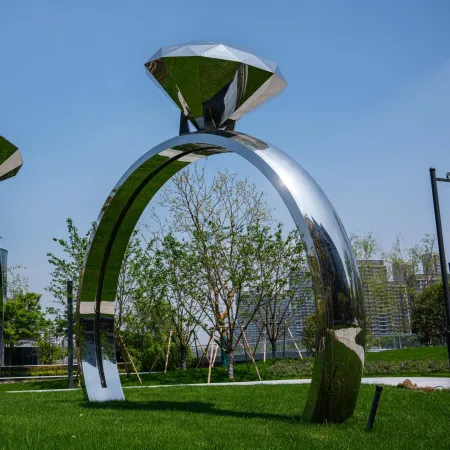
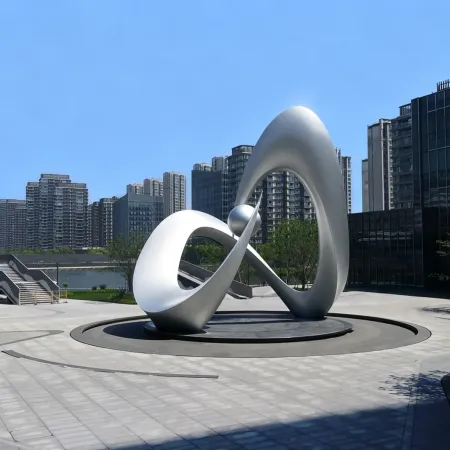
Meet the studio behind the work in our services, see outcomes in completed projects and judge craft in The Radiant Galaxy.
The Depth a Studio Brings
A public art consulting studio holds knowledge that a single advisor cannot, because the disciplines of public art have grown too deep for any one person to master alone. The studio gathers designers who shape concepts, engineers who make them stand, artists and fabricators who know how material truly behaves, project managers who keep programmes honest and engagement specialists who listen to communities, and it deploys them as the commission demands. The client of a studio receives the right expertise at the right moment rather than whatever one person happens to know.
Depth also means continuity when people change. In a solo practice, the illness, departure or overbooking of the one advisor can stall a commission for months; in a public art consulting studio, the knowledge is held by the team and the work continues through the changes that every long project experiences. The studio has institutional memory, the lessons of past commissions are kept, refined and applied to new ones, and the client benefits from learning that accumulates across decades and across countries rather than in a single career.
Consulting Joined to Making
The most valuable public art consulting studios join advice to making, because the two belong together and each makes the other honest. A studio that fabricates can price its advice against real workshop cost, can speak of weld detailing, casting and finishing from direct experience and can carry a commission from the first sketch to the installed work without the handovers that dilute a vision. When the advisors are also the makers, their advice carries the accountability of people who will live with the consequences of it.
The joined model also serves clients who want the studio to build what it plans. Rather than engaging a consultant to recommend artists and a separate workshop to make the work, the client can place the whole commission with one accountable team that designed it, engineered it, fabricated it and will stand behind it, and the savings in friction, miscommunication and divided responsibility are often as valuable as the savings in money. Public art consulting studio practice of this completeness is rare, and it is rare precisely because it is difficult, which is why it protects clients so well.
| Solo advisor | Consulting studio | Why it matters |
|---|---|---|
| One person's knowledge | A team of disciplines | The right expert at the right moment |
| Knowledge leaves with the person | Institutional memory kept | Continuity through change |
| Advice separate from making | Consulting joined to the workshop | Advice tested by real craft |
| Handovers dilute the vision | One accountable journey | The concept survives intact |
How a Studio Serves Each Stage
A public art consulting studio structures its work so that every stage of a commission is led by the people best suited to it. The studio's strategists and designers lead the early work of site analysis and concept; its curatorial eye shapes the artist selection; its engineers and technical specialists test the design against reality; its workshop carries the fabrication; and its installation team places the work and hands it over with the documentation and care plan that begin its public life. The client deals with one studio throughout, but at every moment the work is in the hands of specialists.
The studio model also manages the moments between stages, where so many commissions go wrong. When a concept passes to engineering, a studio ensures the engineers inherit the full intent rather than a simplified drawing; when a design passes to fabrication, the studio ensures the workshop understands the tolerances and the finishes; when the work passes to installation, the studio ensures the lifting plan honours the structure that was engineered. In a public art consulting studio these transitions are handled by people who share a common memory of the project, and that shared memory is the quiet secret of why studio-delivered works so often arrive as their designers dreamed them.
Choosing a Studio With Real Depth
Choosing a public art consulting studio requires looking past the name to the people and the practice behind it. Ask who would actually advise and make your work, and meet those people, because a studio that sells its senior reputation but staffs your project with juniors is selling a name rather than a service; ask how long the core team has worked together, because the trust that makes a studio seamless is built over years; and ask what the studio itself has made, because a consulting studio that does not make is missing the knowledge that keeps advice honest.
Our studio has worked as one team since 2003, rooted in academic training at the China Academy of Art and grown through commissions in more than twenty countries, and we have found that the studio model serves clients best when it is also a school, when senior makers teach juniors, when every commission is a place of learning and when the studio's craft deepens with every year. Look for that living quality in a studio, the sense that it is a community of makers rather than a roster of contractors, and your commission will be carried by something stronger than a contract.
- Look for depth: a team of disciplines, not one person
- Prefer making: consulting joined to the workshop
- Meet the people: the real team carries your work
- Test the memory: years together mean seamless handovers
The Strength of the Studio
Every discipline present when it is needed
Advice made honest by the workshop
Knowledge kept across years and people
One accountable journey from idea to site
The Culture of Learning Inside a Studio
The deepest asset of a public art consulting studio is its culture of learning, because a place where knowledge is shared grows wiser with every commission. In a living studio the senior makers teach the juniors, the failures of past projects are studied rather than hidden, the experiments of one commission inform the next and every member of the team is challenged to grow, and that culture produces a quality of advice and making that no individual could sustain alone. The client of such a studio inherits not only the experience of the team but the accumulated learning of every project the studio has ever undertaken.
The learning also keeps the studio honest and current. The field of public art changes, in materials, in engineering, in engagement practice and in the expectations of communities, and a studio that learns continuously is a studio whose advice reflects the present rather than the past. When a studio is also a school, its members question one another, test one another and hold one another to the standards that made the studio worth joining, and that internal rigour is the quiet guarantee of the quality the client receives. Choosing a public art consulting studio with a living culture of learning is choosing a partner that will be wiser for your project than it was for the last.
Frequently Asked Questions About a Public Art Consulting Studio
Why choose a studio over an individual consultant?
Because a commission needs several disciplines at once. A studio brings designers, engineers, artists and fabricators as one team and keeps its knowledge when individuals change, protecting continuity.
Should the studio also fabricate?
It is a strong advantage. Consulting joined to making is kept honest by real workshop knowledge, and one accountable team from concept to site protects the vision from the handovers that dilute it.
Who actually works on our project?
Ask before you sign. A serious studio introduces the team that would advise and make your work, and you should meet them, because the people carry the commission, not the brochure.
Is a studio more expensive than a solo consultant?
The fee reflects a deeper team, but the total cost is often lower, because the studio prevents the errors, rework and handover losses that fragment advice causes. Depth is an economy, not an indulgence.
How do we judge a studio's real depth?
Meet the team, visit the workshop, inspect works that have stood for years and ask how long the core people have worked together. Years together mean the handovers are seamless.
A public art consulting studio is more than the sum of its specialists, because it holds knowledge across people and years, joins advice to making and carries each commission as one accountable journey. When the studio has depth and continuity, the client gains a partner whose judgement has been tested by real making, and the work that results carries the confidence of a team rather than the reach of a single hand.
Put your next commission in the hands of a public art consulting studio with the depth to carry it.