Why Metal Art Sculpture Belongs at the Heart of Modern Design
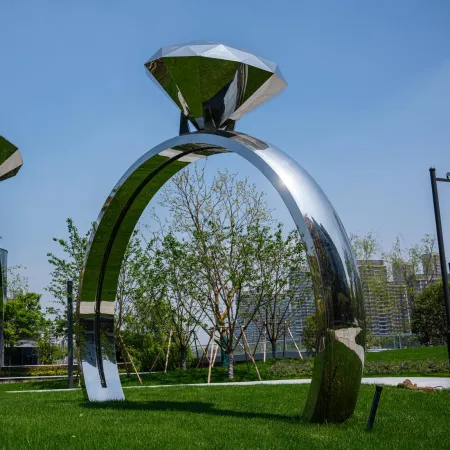
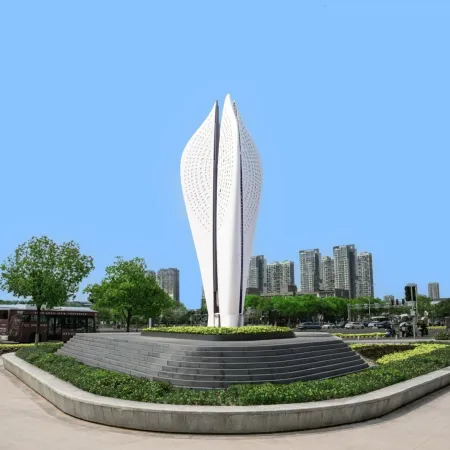
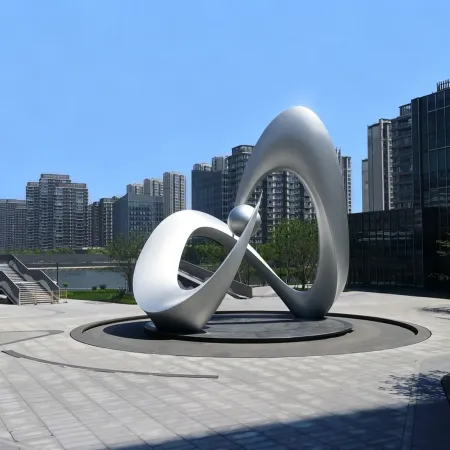
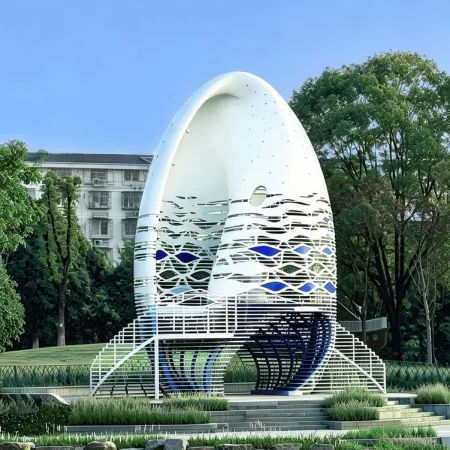
Metal art sculpture has become the defining accent of contemporary architecture and landscape because it combines the permanence of engineering with the freedom of art, and no other material speaks so fluently to modern design language. A polished stainless form can mirror the skyline around it, weathering steel can ground a garden in earthy warmth, and painted metal can inject pure colour into a restrained architectural palette. After more than two decades creating metal art sculpture for clients across twenty-three countries, I have watched this medium transform lobbies, plazas, rooftops and gardens into places people remember.
This guide explores what metal art sculpture can do for your project and how to commission a piece that truly belongs to its setting.
Explore our public art services, see Honeycomb Pavilion as architectural metal art at civic scale, and study Wisdom Tree for interactive metal art in a public setting.
What Metal Art Sculpture Brings to a Place
Metal art sculpture does what architecture alone struggles to do, it gives a place a soul that people can photograph, gather around and remember. In a lobby a sculptural form becomes the first thing a visitor tells a colleague about; in a plaza it becomes the meeting point that needs no explanation; in a garden it becomes the destination that draws people to the far corner. The value is partly visual and partly emotional, because a strong sculptural presence makes a space feel designed, curated and cared for.
For developers and designers this value translates into real-world returns. A distinctive sculptural feature helps a building or district stand out in marketing, gives journalists and influencers a visual hook, and creates the kind of identity that tenants and visitors associate with quality. Unlike furniture or planting, a well-made metal art sculpture is permanent, and it continues to carry the identity of the place for decades after the launch campaign has ended.
Indoor and Outdoor Metal Art Sculpture
The first question in any metal art sculpture project is whether the work will live indoors or outdoors, because the two worlds demand different materials, finishes and engineering. Indoor sculpture enjoys a protected environment, so it can explore finer surfaces, lighter structures and more delicate details, from mirror-polished forms in atriums to painted steel compositions in lobbies. Outdoor sculpture must be engineered for sun, rain, frost, salt air and public contact, and its materials and finishes must be specified for decades of exposure.
The site also shapes the scale and the viewing. An indoor piece is often experienced at close range from many angles, so its surface quality and detail matter intensely, while an outdoor piece must first win the battle of the silhouette from a distance. A studio that designs for both worlds will ask the right questions about your setting before proposing a material, because the same form that glows indoors can fail outdoors if its finish was never meant for the weather.
| Setting | Design considerations | Material directions |
|---|---|---|
| Indoor atrium | Close viewing, controlled climate, ceiling loads | Polished stainless, painted steel, bronze |
| Outdoor plaza | Wind, weather, public contact, foundations | Marine-grade stainless, weathering steel |
| Garden setting | Foliage, seasons, moisture and ground contact | Weathering steel, painted steel, bronze |
The Language of Metal: Materials and Finishes
Every metal speaks its own visual language, and choosing the language is as important as choosing the form. Mirror-polished stainless steel speaks of precision and modernity, reflecting its surroundings and changing with the light, while brushed stainless offers a quieter, satin calm. Weathering steel speaks of earth, time and endurance, its rust patina deepening like the seasons, and painted steel speaks in the purest colours, able to match a brand palette or sing against a neutral facade.
Finishes also carry practical commitments. A mirror surface needs periodic cleaning and the right care products; a painted surface depends on the quality of its coating system; a weathering steel surface requires managed runoff in its first years. An honest studio will explain these commitments before the material is chosen, so that the sculpture's beauty is matched by the owner's ability to care for it. Metal chosen with both eyes open is metal that will look right for generations.
- Mirror stainless: reflects the life of the place into the work
- Weathering steel: ages with dignity in landscape settings
- Painted steel: colour matched to brand or architecture
- Bronze and mixed metal: warmth and heritage where they suit
Commissioning for Developers and Designers
For developers and design firms, commissioning metal art sculpture works best when it is woven into the project early rather than added at the end. A sculpture conceived alongside the architecture can respond to sightlines, material palettes and circulation patterns, while a sculpture chosen after the building is finished must fight for its place. Engaging the studio during the design phase also allows the structural provisions, foundation points and lighting to be planned properly, saving cost and expanding what the art can be.
The commission itself should follow a clear path from brief to handover, with concept studies, approvals, engineering, fabrication and installation managed by one accountable studio. Yifeng Sculpture, founded in 2003, has taken this path more than three thousand times, delivering installed works across twenty-three countries for developers, architects, landscape firms and institutions. Our academy-trained artists collaborate closely with the design team, so the sculpture extends the architecture instead of competing with it.
Why the Studio Behind the Work Matters
Metal art sculpture is only as good as the studio that conceives and builds it, because the gap between a concept and an installed work is filled with decisions that demand both art and engineering. A studio with in-house artists, engineers and fabricators controls that entire gap, resolving the design, verifying the structure and building the piece in its own workshops. A client commissioning through such a studio gains one point of accountability instead of a chain of subcontractors, and that single fact protects the project from its weakest link.
The studio's history also matters, because metal sculpture is a discipline learned through installed work, not through renderings. When a studio has delivered thousands of works across many climates and cultures, it has met the problems your project will raise, from coastal corrosion to seismic anchoring to the politics of public approvals. That accumulated judgement is what turns a beautiful idea into a sculpture that stands, glows and endures exactly as intended.
- One accountable team: artists, engineers and fabricators together
- Early integration: art planned with the architecture, not after it
- Proven experience: thousands of works across many countries
- Honest material advice: finishes chosen with their care in mind
Metal Art That Earns Its Place
Forms that anchor lobbies, plazas and gardens
Materials matched to climate and architecture
Commissions managed from brief to handover
Identity that outlasts the launch campaign
Caring for a Metal Art Sculpture Over Time
A metal art sculpture is a long-term asset, and like any asset it rewards a simple care routine. Mirror stainless benefits from periodic cleaning with the correct products, painted steel from occasional inspection of its coating, and weathering steel from keeping drainage clear in its early years. A responsible studio hands over a written maintenance guide with the work, so the owner knows exactly what to do and what to watch for across the seasons.
The care commitment is not a burden but a sign of quality, because well-maintained metal looks better with age while neglected metal declines visibly. Clients who plan the care from the start protect their investment, and they also protect the sculpture's role in the identity of their place. A few minutes of attention each season keeps a landmark looking as the artist intended for decades.
Frequently Asked Questions About Metal Art Sculpture
How much does metal art sculpture cost?
Costs vary widely with scale, material and finish, so studios should discuss a realistic budget envelope before design begins. What is consistent is the value of a single-source studio that avoids the hidden layers and corrections of brokered projects.
Can the sculpture match our brand or architectural palette?
Yes. Painted steel can be matched to brand colours, and finishes can be specified to complement facades and interiors. The studio should review the palette before proposing materials so the work belongs to its setting.
How long does a commission take?
The timeline depends on scale, material and approvals, and a studio will set a realistic schedule from the design phase. Larger outdoor commissions typically take longer than indoor pieces because of engineering and installation.
Is maintenance a burden for the owner?
No, when the material is chosen wisely and a care guide is provided. Mirror surfaces need periodic cleaning, painted surfaces need occasional inspection, and a written guide keeps the routine simple and effective.
Do you work with architects and landscape designers?
Collaboration with design teams is central to our practice. Early engagement lets the sculpture respond to sightlines, materials and structure, and we coordinate fully with the project team through design, fabrication and installation.
Metal art sculpture gives a place the accent that turns good design into memorable design, and it rewards the client who commissions it with decades of identity. Choose the material for your setting, the studio for its accountability and the form for your place, and the work will speak for you every day.
Share your site with our studio and let us propose a metal art sculpture that belongs to it.