Why Stainless Steel Metal Sculpture Dominates Modern Public Art
Stainless steel metal sculpture has become the signature material of contemporary public art because it offers a combination no other medium can match, mirror brilliance that reflects the life of a place, structural strength that allows daring forms, and a resistance to weather that lets the work endure for decades with minimal care. From civic landmarks and waterfront installations to corporate plazas and museum courtyards, stainless steel carries the language of our time. After more than two decades fabricating stainless steel metal sculpture in our own workshops and delivering it across twenty-three countries, I have learned both its power and its disciplines.
This guide explains the grades, finishes and fabrication standards that make stainless steel metal sculpture succeed, and how to commission a piece that stays brilliant.
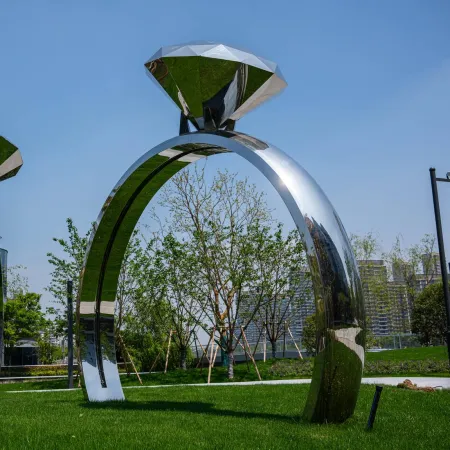
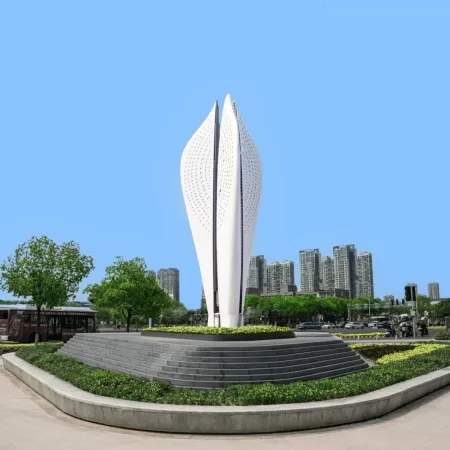
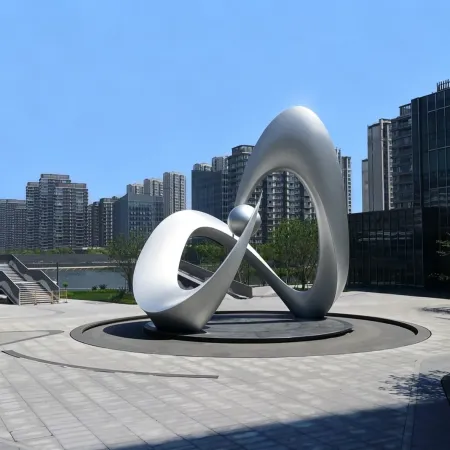
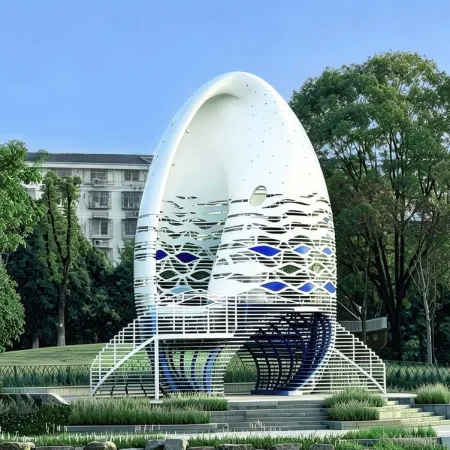
See Wind Sail as a stainless form engineered for public space, study the polished surfaces of The Radiant Galaxy and review Artistic Light Columns as stainless composition in vertical rhythm.
Why Stainless Steel Metal Sculpture Leads Modern Commissions
Stainless steel metal sculpture leads modern commissions for reasons that are both visual and practical. Visually, the mirror surface is unique in the sculptor's palette, it reflects the sky, the trees, the buildings and the people around it, so the work changes with the light, the weather and the seasons, and the public literally sees itself in the art. Practically, stainless steel is enormously strong for its weight, which allows forms, soaring arches, floating rings, cantilevered wings, that would be impossible in stone or difficult in bronze, and it resists corrosion in almost every environment.
The material also belongs to the modern world in a way that speaks to modern clients. Stainless is the metal of architecture, transport and industry, so a sculpture made from it feels native to contemporary cities rather than imported from another century. Developers and institutions choose stainless steel metal sculpture because it photographs superbly, ages gracefully and communicates the values of precision, progress and permanence that modern brands and cities want to project.
Grades and Environments: Choosing the Right Alloy
The first engineering decision in stainless steel metal sculpture is the grade, because not all stainless steel resists corrosion equally. Grade 304 stainless, the most common, serves well in most urban and interior settings, while grade 316, which adds molybdenum for resistance to chlorides, is the standard for coastal sites, areas with road salt and environments with industrial pollution. Choosing the wrong grade for the environment is the most common cause of stainless sculpture developing surface staining and pitting years after installation.
The environment also shapes other specifications. Coastal sites demand not only grade 316 but careful detailing that avoids crevices where salt can concentrate, and fabrication discipline that prevents carbon steel contamination from embedding rust particles in the stainless surface. A studio that fabricates stainless steel metal sculpture regularly will specify the grade and the details for your specific site rather than defaulting to a single alloy, and that specificity is the difference between a sculpture that stays bright and one that slowly disappoints.
| Environment | Recommended grade | Reason |
|---|---|---|
| Inland urban and interior | Grade 304 | Excellent general corrosion resistance |
| Coastal and salt air | Grade 316 | Molybdenum resists chloride attack |
| Road salt and winter grit | Grade 316 | De-icing salts demand higher resistance |
| Industrial atmospheres | Grade 316 | Pollutants accelerate lower grades |
Fabrication and the Mirror Finish
The mirror finish that defines the best stainless steel metal sculpture is one of the most demanding surfaces in all of sculpture, because every flaw, every weld, every handling mark is reflected and magnified. Fabrication must be planned so that welds are placed where they can be ground and polished to invisibility, surfaces are protected from contamination at every stage, and the polishing itself proceeds through progressively finer abrasives until the reflections run true. This is craft that only a workshop performing stainless work daily can deliver.
The workshop environment matters as much as the skill. Stainless must be fabricated separately from carbon steel tooling or at least with dedicated abrasives, because embedded carbon steel particles rust and stain the surface for years. Grinding and polishing must happen in clean conditions, and the finished surface must be protected immediately with peelable film. When you visit a stainless specialist, look for these disciplines, because they are the invisible hand behind every surface that stays brilliant.
- Match the grade to the site: 316 for coastal and salt exposure
- Isolate the stainless: carbon steel contamination causes rust spots
- Polish in stages: the mirror is built from finer and finer abrasives
- Protect the surface: film applied before the work leaves the shop
Finishes Beyond the Mirror
While the mirror finish is stainless steel metal sculpture's most famous voice, the material offers a full range of surfaces, and the choice should follow the setting and the design. A brushed or satin finish softens the reflection into a gentle glow, suiting quieter, more contemplative settings and forgiving the fingerprints that mirror surfaces show. A bead-blasted or textured finish diffuses light completely, creating a soft grey presence that reads well against architecture. Each finish has its character and its care requirements.
Stainless can also be combined with other treatments and materials within one work, colour via specialist coatings, contrast with weathering steel or bronze, or integration with water and light features that play across its surface. The design possibilities are rich, and a studio that knows stainless intimately can advise which finish will serve your site, your light and your maintenance commitment, rather than defaulting to the mirror because it photographs well.
Maintenance and the Long Life of Stainless
One of the great practical virtues of stainless steel metal sculpture is how little it demands over its life, but minimal maintenance is not zero maintenance. A mirror surface in the open air collects dust and needs periodic washing with clean water and mild detergent, and in coastal or industrial air it benefits from more frequent cleaning to prevent stubborn staining. A written maintenance guide from the fabricator, explaining what to use and what to avoid, keeps the routine simple and protects the finish for decades.
Stainless also rewards occasional inspection, because early attention to a scratch, a stain or a failing seal prevents far larger problems later. A scratch in a mirror surface can often be polished out by a specialist; left alone it becomes a permanent flaw. Clients who plan the simple routine, a wash now and then, a check each season, protect their investment and keep their sculpture looking as the artist intended, which is why responsible studios hand over both the work and the knowledge to care for it.
- Wash periodically: clean water and mild detergent suffice
- Clean coastal sites more: salt demands a more frequent routine
- Inspect each season: early care prevents permanent flaws
- Follow the guide: the fabricator's care notes protect the surface
Stainless That Stays Brilliant
Grade matched to the real environment
Mirror built through disciplined polishing
Surface protected to the moment of install
Simple care that keeps it brilliant for decades
Commissioning Stainless Steel Metal Sculpture
Commissioning stainless steel metal sculpture rewards clients who understand the material's one great risk, distortion. A mirror surface reveals the true geometry of a form without mercy, so a curve that is even slightly out of true, a panel that is fractionally distorted or a seam that is a hair off will be visible in the reflections forever. This is why the studio's fabrication discipline matters so much, and why clients should choose a workshop that builds stainless sculpture regularly rather than occasionally.
The commission should also consider how the work will read in its site, because a mirror sculpture is shaped by everything around it. A form that reflects the sky and trees will behave differently from one that reflects traffic and billboards, and the studio should advise on placement, orientation and finish to achieve the effect the client wants. When the material, the form, the fabrication and the site are all considered together, stainless steel metal sculpture delivers a presence that no other medium can match, and a landmark that will still be brilliant in fifty years.
Frequently Asked Questions About Stainless Steel Metal Sculpture
Which stainless grade do we need for a coastal site?
Grade 316 is the standard for coastal and salt-exposed environments because its molybdenum content resists chloride attack. Grade 304 serves most inland urban and interior settings, but the site should always be specified before the grade is chosen.
How is the mirror finish achieved and protected?
Through progressive polishing with finer and finer abrasives in clean conditions, with the surface protected by peelable film immediately after finishing and during transport. The discipline of the workshop determines whether the mirror stays true.
Does stainless sculpture need much maintenance?
Minimal but regular care is ideal, periodic washing with clean water and mild detergent, more often in coastal or industrial air, plus a seasonal inspection. A fabricator's written care guide keeps the routine simple.
Can the finish be anything other than mirror?
Yes. Brushed, satin, bead-blasted and textured finishes each give a different character, from a soft glow to a diffused grey presence. The finish should follow the setting, the light and the maintenance commitment.
Why does stainless sometimes show rust spots?
Surface staining usually comes from carbon steel contamination during fabrication or from a grade unsuited to the environment. Both are preventable through dedicated stainless tooling, correct grade selection and proper cleaning, which is why workshop discipline matters.
Stainless steel metal sculpture offers the modern public realm a material of brilliance, strength and permanence, and it rewards those who respect its disciplines. Choose the right grade, the right finish and a studio that fabricates stainless daily, and the work you commission will reflect its place for generations.
Discuss your site with our stainless steel metal sculpture specialists and see what the material can do.