What Government Public Art Projects Require From a Studio
Government public art projects run on a different clock and a different standard from private commissions, because the money is public, the scrutiny is permanent and the work is expected to serve citizens for generations. A studio that treats a government commission like any other contract will stumble on the process; a studio that understands public procurement delivers works that survive both the approvals and the decades.
This guide explains what government public art projects demand at every stage, from the procurement language to the community process to the engineering and the handover, and how agencies can choose and manage studios for a smooth public outcome. We have carried public commissions through government processes across more than twenty countries since 2003.
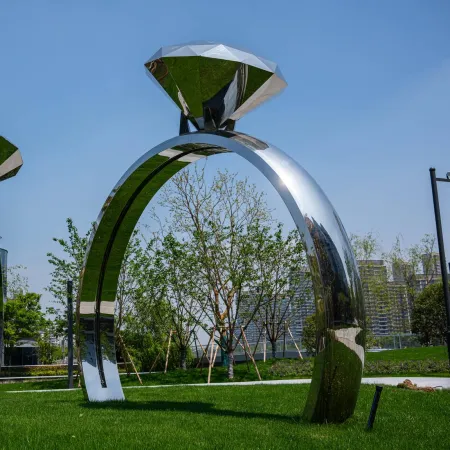
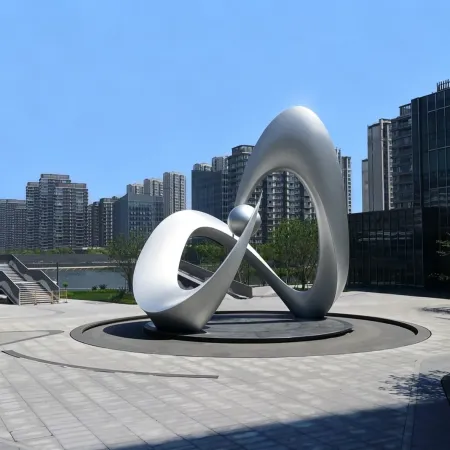
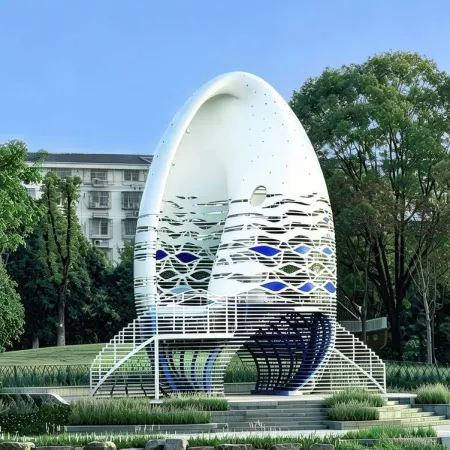
See civic works delivered through public processes at Zhong Gong Water Control, Yinzhou Pagoda and across our services.
The Public Standard Changes Everything
Government public art projects answer to a standard that private commissions never face: the work must be defensible to the public that paid for it. Every decision, from the choice of the artist to the shape of the final form, sits inside a record that can be reviewed by councils, auditors, journalists and citizens. This means the studio must document its process with a rigor that feels bureaucratic to the uninitiated and is simply professional to those who know the arena: clear procurement responses, transparent design rationale, engagement records that show public input was gathered and answered, and engineering documentation that meets the letter of the applicable standards. The public standard is not an obstacle to good art; it is the discipline that keeps public art honest.
The same standard reshapes the timeline. Government public art projects move through cycles that private clients rarely see: the budget year that funds the work, the procurement window that selects the studio, the approval chain that reviews the design, the community consultation that shapes it and the construction schedule that hosts the installation. A studio that has lived through these cycles knows where the delays hide and how to keep the art alive through them; a studio meeting them for the first time tends to lose either time or vision. Agencies should look for demonstrated experience with the public cycle, because that experience is what keeps a civic work moving when the calendar and the process tighten around it.
Procurement: Writing a Process That Gets Good Art
The quality of government public art projects is largely set by the quality of the procurement that selects the studio. A request that asks only for images and a price will attract trading companies with borrowed portfolios and thin process; a request that asks for process, team, workshop evidence and references will attract the studios that can actually deliver. Agencies should structure the evaluation around what predicts delivery: the named team and its public-art experience, the workshop and fabrication capacity behind the proposal, the engineering and quality process, the references from completed government works and the artist collaborations that give the work its depth.
Shortlists should meet the actual people. Public art is made by a specific team, and a government commission will live or die by the project manager, the designer and the engineer who carry it, so the procurement should put the agency face to face with those people before the decision. Design competitions have their place for landmark works, but for the majority of civic commissions a structured interview with the shortlisted studios, probing how each would approach the site, the community and the process, reveals far more than a stack of beautiful images. Agencies that buy process and people, not just pictures, consistently end up with the works that serve their citizens best.
| Procurement element | Why it matters | What to demand |
|---|---|---|
| Team | People make the work | Named project manager, designer, engineer |
| Capacity | Delivery needs a workshop | Owned fabrication and installation crew |
| Process | Public money needs rigor | Documented quality and approvals plan |
| Record | Past predicts delivery | References from completed civic works |
The Community Process Under Public Scrutiny
Government public art projects carry a community process as a matter of public duty, and the studio's handling of that process will be part of the public record. The engagement should be genuine and visible: the community should be told what is being decided, given real opportunities to contribute and shown how its input shaped the outcome. The studio should design engagement that reaches beyond the usual voices, drawing in residents, schools, local organizations and the everyday users of the site, and it should document the sessions so the agency can demonstrate that the public was heard. A defensible process protects the work when the inevitable critic appears, because the record shows the community had its say.
The studio must also be honest about what engagement can and cannot change. Public processes that promise the community a veto it does not have breed cynicism, while processes that explain the real scope of influence build trust. The skilled studio frames the conversation clearly: these are the themes we can carry into the design, these are the constraints of safety, budget and site that shape the form, and here is how your voice will weigh in the balance. When the community understands the frame, its contributions are more useful and its acceptance of the final work is more generous, because the process respected its intelligence.
Engineering, Safety and the Civic Duty of Care
A public work stands among citizens, often children, and government public art projects therefore carry a duty of care that is written into the engineering. The structural design must meet the applicable public standards for the site, with wind, seismic and live loads calculated by qualified engineers and the documentation kept in the public record. Materials and finishes must be specified for the site environment and for the maintenance regime the agency can actually sustain, because a civic work that cannot be maintained becomes a liability rather than an asset. The studio should hand over the engineering record with the work, so the agency and its engineers can own the structure with full knowledge.
Accessibility and public safety belong in the same design conversation. The work should be approachable by the full range of citizens, without barriers that exclude or hazards that endanger, and the lighting, surfaces and sight lines should serve the safety of the space as well as the beauty of the object. Public agencies should probe these questions in the selection process and at design review, asking how the studio has handled safety, accessibility and maintenance in delivered civic works. The answers separate studios that have internalized the public duty of care from those that would learn it on the agency's project and at the public's expense.
- Structural documentation that meets public standards and stays in the public record.
- Maintainable materials matched to the agency's real care regime.
- Accessible design that welcomes the full range of citizens.
- Safety integration across lighting, surfaces and sight lines.
- Handover records that give the agency full ownership of the structure.
What Public Agencies Should Protect
A defensible process from procurement to handover
Engineering that meets the public standard
Community voices genuinely reflected
A work the city can maintain for decades
Timelines, Approvals and Keeping the Vision Alive
Government public art projects test a studio's patience as much as its art, because the vision must survive a gauntlet of reviews that private work never meets. The design passes through the agency's staff, the arts committee, the planning process and the community sessions, and at every gate there is pressure to simplify, to soften or to change what was approved. The studio that serves the public best holds the approved concept through the process, presenting it clearly, defending its integrity and adjusting only where the public realm genuinely requires. Agencies should name a single point of accountability for the design and protect the approved concept, so the work that emerges from the process is the work the community approved rather than a diluted memory of it.
Realistic scheduling protects the art too. Public processes take time, and a studio that is squeezed into an unrealistic window will cut corners in the least visible places, often in the finishing and the documentation that determine a work's long life. The agency should build the public cycle into the schedule from the start, allowing for the approvals, the engagement and the review gates, and it should hold the fabrication and installation phases to the quality standards agreed at procurement. A government commission that is given the time its process demands delivers a work the public can be proud of for the decades the funding intended.
Frequently Asked Questions About Government Public Art Projects
What makes a studio right for public procurement?
Demonstrated experience with the public cycle, an owned workshop, a documented quality process and references from completed civic works that survived both approvals and years.
How should the community be engaged?
Genuinely and visibly, with clear framing of what input can change, sessions that reach beyond the usual voices and a documented record for the public file.
Who owns the engineering documentation?
The agency, from day one. The studio hands over structural records, material specifications and maintenance guidance so the public owner can care for the work.
Can a design survive the approval gauntlet?
Yes, when the agency names one accountable owner for the design and the studio defends the approved concept through every review gate.
How is a civic work kept maintainable?
Materials and finishes are matched to the agency's real maintenance regime from the design stage, so routine public care keeps the work in condition for decades.
Government public art projects succeed when every party respects the public standard: agencies that procure for process and people, studios that document their work and hold the vision through the approvals, and communities that see their voice honestly reflected in the final form. The civic works that endure are those where the discipline of public process and the integrity of the art were held together rather than traded against each other.
If your agency is planning government public art projects and wants a studio that understands the public cycle, bring us into the conversation early and we will help you shape a process that delivers a work your citizens will defend.