Why Custom Public Art Consulting Outperforms Generic Advice
Custom public art consulting treats every commission as a unique problem rather than a repeat of a formula, and that distinction decides whether the art that finally stands in your space belongs to it or merely occupies it. A consultant who listens first and advises second will ask about your site, your community, your budget, your approvals and your ambitions before offering a single opinion, because advice that ignores context is not advice at all.
This guide explains what genuine custom public art consulting involves, why generic processes fail, and how to choose and work with a consultant who tailors every recommendation to your project.
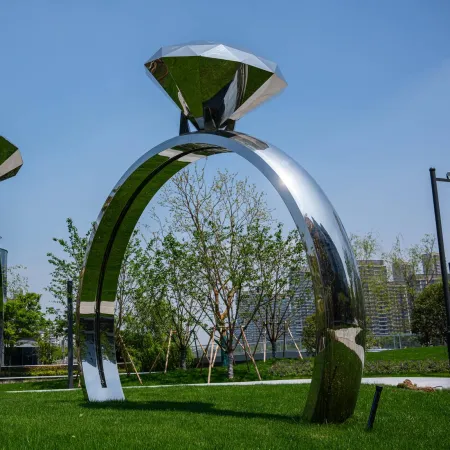
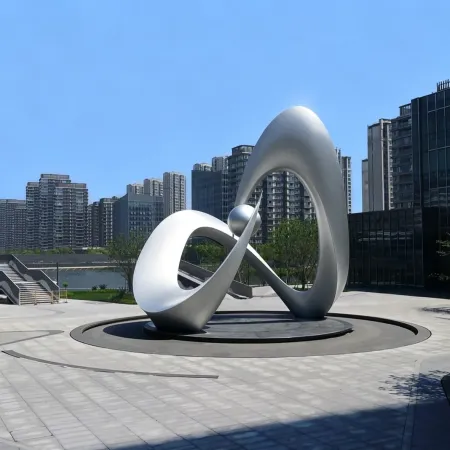
See commissions shaped by site and story in The Radiant Galaxy, Heart of Changfeng and the range of studio services that carry them from concept to site.
What Makes Consulting Custom Rather Than Generic
A generic consultant arrives with a fixed menu of services and a portfolio of similar answers, offering the same advice to a hospital garden, a commercial plaza and a heritage street because the process is built around what the consultant sells rather than what the client needs. Custom public art consulting inverts that logic, beginning with a diagnostic phase in which the consultant studies the site, the stakeholders, the purpose of the commission, the constraints of budget and programme and the character of the community that will live with the work. Only after that study does the consultant shape a recommendation, and the recommendation is different in every case because the evidence is different in every case.
The custom approach also extends to how the project is run. Some clients need deep community engagement, others need rapid decisions; some commissions are led by a design team, others by a developer or a municipality; some sites demand early structural study, others demand early artist selection. A consultant who adapts the process to these realities saves time, money and goodwill, while a consultant who forces every client through the same sequence creates friction that the art eventually pays for. Custom public art consulting is therefore not a luxury; it is the difference between advice that fits and advice that has to be made to fit.
Where a One-Size-Fits-All Process Fails
The failure of generic advice becomes visible in predictable places. A process designed for large civic commissions may overwhelm a modest commercial project with unnecessary bureaucracy; a process built around permanent monuments may be useless for a client exploring temporary activation; a method that assumes generous budgets may propose options that the real project cannot carry. In each case the consultant is not wrong in principle, merely wrong for this project, and the client pays for the mismatch in wasted studies, delayed approvals and art that answers questions nobody asked.
Generic advice fails most painfully when it ignores the human dimension. A work that thrills a design jury may alienate the neighbours who must live beside it; a concept that reads beautifully in a render may die in community consultation; a process that rushes engagement may produce art the public never adopts. Custom public art consulting exists precisely to catch these risks early, reading the political, social and cultural currents of each place and shaping both the art and the process to suit them. When the consultant has listened properly, the recommendations carry the confidence of evidence rather than the confidence of habit.
| Generic consulting | Custom consulting | Why it matters |
|---|---|---|
| Fixed menu of services | Scope shaped by the brief | The project leads, not the seller |
| Same answers everywhere | Diagnosis before advice | Context decides the solution |
| One process for all clients | Rhythm matched to the client | Saves time and goodwill |
| Art judged by render | People consulted early | Adoption begins in the process |
| Advice ends at handover | Support through the life of the work | A commission is a long relationship |
The Custom Consulting Process We Follow
Custom public art consulting in our studio opens with listening, because a consultant cannot tailor advice to a project they do not yet understand. We begin with the site and its people, walking the ground, studying the light and the weather and the movement, reading the planning documents and the community's own sense of itself, and meeting the client's team to learn what the commission must achieve beyond decoration. We then shape a scope that fits, whether the client needs a single opinion, a full strategy or ongoing guidance through selection, fabrication and installation.
Our advice always connects concept to consequence. We test ideas against the real constraints of engineering, maintenance, safety and approval, we introduce artists and makers whose work fits the place rather than the strongest portfolio, and we stay with the project while it is built, because advice that ends at the drawing board leaves the client to carry the hardest questions alone. The studio has walked this path since 2003 across more than twenty countries, and every one of those commissions taught us that the right answer for one place is rarely the right answer for another.
- Listen before advising: site, people and purpose come first
- Shape the scope to fit: the brief decides the process
- Connect concept to consequence: engineering and approval tested early
- Stay through delivery: advice does not end at the drawing board
Advice Built Around Your Project
A diagnostic study of site, people and purpose
Scope and process shaped to your brief
Recommendations tested against real constraints
Guidance that continues through installation
Who Should Commission Custom Public Art Consulting
Custom public art consulting serves every client who is commissioning art for a place they care about, but it is most valuable to those facing complexity they have not met before. Developers adding art to a commercial scheme benefit from advice that aligns the work with tenants, branding and footfall; municipalities seeking community adoption benefit from guidance through engagement and approval; institutions and campuses benefit from a strategy that fits their identity; private collectors with a demanding site benefit from honest counsel on scale, material and maintenance. In each case the client brings the ambition and the consultant brings the map.
The value is greatest when the stakes are high and the experience is thin. A client commissioning their first public work does not yet know the questions to ask, the documents to require or the pitfalls to avoid, and the cost of learning by mistake can be measured in years and in public disappointment. A consultant who has guided dozens of commissions translates that experience into foresight, protecting the client from the errors that beginners make and saving far more than the fee. For repeat commissioners, custom public art consulting refreshes the process each time, because every site and every community brings a new set of truths.
How to Judge a Consultant's Fit
The first test of a consultant is whether they ask more questions than they answer, because a genuine custom advisor arrives curious rather than certain. Ask how they would begin with your project, what they would study first and what they would need to know before offering an opinion, and measure their response against your own sense of the project's complexity. The second test is evidence: works they have guided that still serve their communities, relationships they have kept with clients, and lessons they admit from commissions that went wrong. Honest consultants carry scars and share them.
The third test is fit of philosophy. Custom public art consulting is not a product to be compared by price alone; it is a working relationship that will carry your commission through decisions and disagreements, and you should choose someone whose judgement you trust and whose manner you can sustain. Ask who will actually advise you, because some studios sell the senior partner and deliver the junior; ask how the consultant is paid and what happens when advice is difficult; and ask for references you may call. When the consultant passes these tests, the commission begins with a partner rather than a vendor.
Bringing Custom Advice to Your Own Site
Every site has a story waiting to be read, and the discipline of custom public art consulting is to read it before anything is proposed. Stand in the place at different hours, watch how people use it and where they pause, notice what the architecture and the landscape already say, and ask the people who know the place what it needs and what it fears. The answers will shape a brief that no formula could produce, and they will also shape the community's readiness to welcome whatever the brief produces. Listening is not a courtesy; it is the first act of design.
Then choose the advisor who will honour that listening. Look for a studio with real workshop depth, because advice about public art is only trustworthy when it understands how art is actually made, and with a record of commissions that have stood and served for years. When you have found that partner, give them the whole truth of your project, the budget, the politics, the doubts as well as the dreams, because custom public art consulting works only when the consultant is trusted with everything. The work that follows will carry your place's character, and that is the only kind of public art worth commissioning.
Frequently Asked Questions About Custom Public Art Consulting
How is custom consulting different from standard consulting?
A custom consultant begins with a diagnostic study of your site, people and purpose, then shapes the scope and the process around what they find. A generic consultant sells the same service to every client regardless of context.
When should we bring in a consultant?
As early as possible. Advice given before the brief is fixed can shape the site strategy, the artist selection and the budget, while advice given late is reduced to damage limitation.
What does a consulting engagement deliver?
Typically a site and context diagnosis, a tailored strategy, artist shortlists or selection support, guidance through approvals and fabrication, and advice that continues to the installed work and its care.
Can a studio both consult and fabricate?
Yes, and it is often an advantage, because advice about public art is only trustworthy when the advisor understands how art is made. A studio that fabricates can price honestly and foresee the engineering questions early.
Is custom consulting more expensive?
The fee reflects a tailored scope, but the total cost of the commission is usually lower, because the consultant prevents the expensive mistakes that generic advice allows. Good counsel is the cheapest insurance a public art project can buy.
Custom public art consulting is the difference between art that decorates a place and art that belongs to it, and that difference is decided in the listening long before it is decided in the making. When the advice is tailored to your site, your people and your purpose, the commission begins with the truth of the place and carries that truth through every decision to the installed work.
Tell us about your site and let custom public art consulting show you what it could become.