What a Custom Metal Sculpture Project Involves From Concept to Installed Work
A custom metal sculpture is the workhorse of contemporary public art because metal can be shaped into almost anything, engineered to stand for decades and finished to suit any architectural or landscape setting, but the freedom of the material brings a hidden demand: metal sculpture is an engineering discipline as much as an artistic one. I have managed custom metal sculpture commissions for plazas, campuses, resorts and brand landmarks, and the projects that deliver on time and on quality are those where design, structural calculation and fabrication are treated as one continuous process from the first sketch to the final weld inspection. This guide walks through that entire journey so you know what to expect and what to demand from your fabricator.
We cover the design and approval stage, material selection, structural engineering, fabrication quality and the finishing systems that protect metal outdoors.
Our services overview explains our in-house fabrication capability, the project archive shows completed metal commissions, and the Wind Sail case demonstrates how a metal form is engineered for movement and wind.
Design Development: Where the Project Is Won or Lost
Every custom metal sculpture starts as a conversation about the site, the message and the feeling the work should carry. The design stage translates that conversation into a form the client can see and approve: concept sketches, 3D visualisations and, for complex geometry, physical or digital models. This is where the biggest value is created, because the decisions made here determine the cost, the buildability and the final impact. A good studio will challenge the brief productively, testing whether the proposed form can be fabricated efficiently, how it will read from the public's viewpoints and whether the scale suits the setting. The outcome of this stage should be a design the client genuinely loves and a studio that is confident it can build it, confirmed in writing before any metal is cut.
Choosing the Metal for the Job
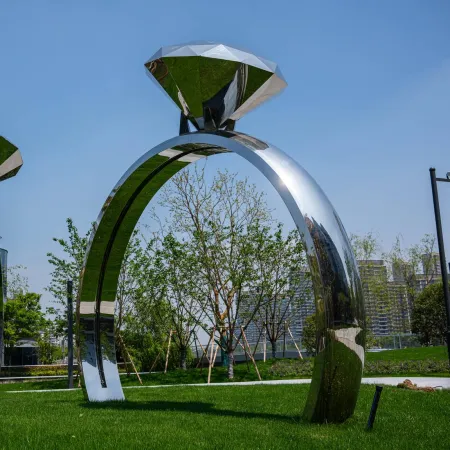
Metal is a family of materials, and choosing the right one is a design decision with real consequences. Stainless steel offers a bright, contemporary finish and excellent corrosion resistance, making it the default for polished and architectural work. Weathering steel develops a stable rust patina and suits bold, naturalistic forms. Carbon steel is versatile and economical when protected by a quality coating system, often used for painted sculpture. Bronze and other copper alloys bring warmth and are prized for figurative and memorial work. Aluminium offers light weight for large assemblies. Each metal has its own welding characteristics, structural behaviour and maintenance profile, and the choice should weigh the visual intent, the site climate and the long-term care the client can provide. A studio that helps you choose honestly is a studio worth working with.
| Metal | Visual Character | Best Suited To |
|---|---|---|
| Stainless steel | Mirror, satin or coloured finish | Contemporary architectural work |
| Weathering steel | Stable rust-brown patina | Landscape and bold public forms |
| Carbon steel painted | Full colour range under coating | Colourful and cost-conscious work |
| Bronze | Warm cast or forged surfaces | Figurative and memorial pieces |
Structure: Making Art That Stands Safely
Metal sculpture in public space is a structure governed by the same physics as a building. Its own weight, the wind load on its surfaces and the live loads from the public must all be calculated, and the internal frame, base plate and foundation must be engineered as one system. For tall or large works, the wind calculation is especially important: a sculpture can act like a sail, and its connections must resist both steady wind and the dynamic effects of gusts. The engineering should be carried out by or with a qualified structural engineer, and the client should receive the calculations as part of the handover. A studio that treats structural design seriously is protecting both the sculpture and the people around it, and this is one area where experience is not optional.
Fabrication Quality and the Welds You Never See
The quality of a custom metal sculpture lives in its fabrication details. For stainless work, the welds must be made by skilled welders and then ground and polished until the seam disappears into the surrounding surface, a process that can consume as much time as the welding itself. For painted steel, the surface preparation and coating system determine how long the finish survives, and corners and edges must be detailed so moisture cannot creep in. The sculpture's interior, though unseen, must be properly vented and drained to prevent condensation and corrosion. When you visit a workshop or review progress photos, look at the seams, the weld transitions and the hidden details, because those reveal the standard of care that will determine the work's life. A serious studio treats the invisible parts with the same discipline as the visible surface.
Signs of Quality Metal Fabrication
Welds are ground and polished into invisible seams
Material certificates accompany the work
Structural calculations are shared with the client
Hidden interiors are vented, drained and protected
Finishing, Delivery and Long-Term Care
The finish is what the public remembers, and it must be specified for the site's real conditions. Polished stainless is protected by its own passive layer but may need periodic cleaning in coastal or polluted environments. Painted work requires a coating system suited to UV and weather, applied over proper preparation. The handover should include the care manual explaining how to clean the piece, what to check seasonally and how to address any minor damage before it becomes major. Delivery and installation are themselves part of the quality chain: the work must be crated for transport, erected safely and aligned to its design position. A full-service studio manages all of it, so the client receives a finished, documented sculpture rather than a collection of responsibilities to coordinate.
Kinetic, Interactive and Light-Integrated Metal Work
Metal's strength and precision make it the natural medium when a sculpture must move, respond or shine. Kinetic metal works, where wind or mechanisms drive motion, have become icons of contemporary public art, their changing forms drawing visitors again and again. Interactive pieces invite the public to participate, through touch, movement or sound, turning the audience into part of the artwork. Light-integrated metal sculpture carries illumination within its structure, becoming a completely different work after dark. These dynamic commissions are among the most memorable a client can make, and they are achievable because metal can be engineered to the exacting tolerances that movement and mechanism demand.
Dynamic metal work requires engineering disciplines beyond static sculpture. Moving elements need bearings, pivots and drive systems designed for years of outdoor service; the structure must handle the dynamic loads of motion as well as wind; and the electrical systems for lighting or interactivity must be specified for the environment and remain serviceable. The maintenance implications are real, and a responsible studio plans them into the design, providing clear guidance on what must be checked and serviced and when. We develop kinetic and interactive metal commissions with the mechanism engineered as carefully as the form, because a sculpture that stops moving or stops shining has failed its promise. When the engineering is right, these works become the living heart of the spaces they occupy.
Frequently Asked Questions About Custom Metal Sculpture
Which metal is best for an outdoor sculpture in a coastal area?
Marine-grade stainless steel is the usual recommendation for coastal sites because of its high corrosion resistance. The specific grade and the finishing system should be confirmed with your fabricator based on the exact exposure, and routine rinsing helps protect the surface.
How do I know the sculpture will stand up to wind?
Your studio should provide structural calculations covering the sculpture's weight, wind load and base connection, prepared with a qualified engineer. For large works this is standard practice, and the client should receive the calculations as part of the handover documents.
Can you match a specific colour or finish on metal?
Yes. Painted metal can be colour-matched to your brand or design palette, and stainless can be finished from mirror polish to satin or even coloured treatments. Samples should be provided and approved before full production so the finish meets your expectation.
How long does a metal sculpture project take?
The timeline depends on complexity, scale and finish specification. Design and approval typically take several weeks, fabrication follows over weeks to months, and the schedule should be planned backwards from your required installation date with milestones confirmed in writing.
What maintenance does an outdoor metal sculpture need?
Maintenance ranges from periodic cleaning of stainless to occasional coating inspection for painted steel. Your studio should provide a care manual suited to your material and climate, and regular seasonal checks keep minor issues from becoming major ones.
A custom metal sculpture is a fusion of artistic vision and structural engineering, and it succeeds when both are given equal seriousness from the first concept to the final weld inspection. Our studio has designed, fabricated and installed custom metal sculpture across twenty-three countries since 2003, with in-house engineering, fabrication and finishing teams that keep the whole chain accountable. We help you choose the right metal, engineer it for your site and finish it for decades of public life.
Send us your site conditions and the feeling you want the work to carry, and we will show you what a custom metal sculpture can become when design, engineering and fabrication are one process.