How Scenic Spot Theme Public Art Design Tells a Place Story
Scenic spot theme public art design is the art of turning a scenic area into a story, giving visitors images, characters and moments that carry the theme of the place and make the visit unforgettable. A scenic spot that relies on its natural beauty alone competes on views that every competitor also has; a scenic spot that weaves its theme through art competes on an experience that only it can offer.
This guide explains what scenic spot theme public art design must achieve, how themed art works with landscape and narrative, and how to commission works that delight visitors and serve the business of the destination.
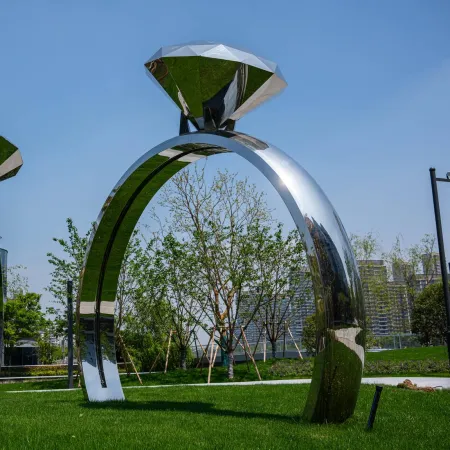
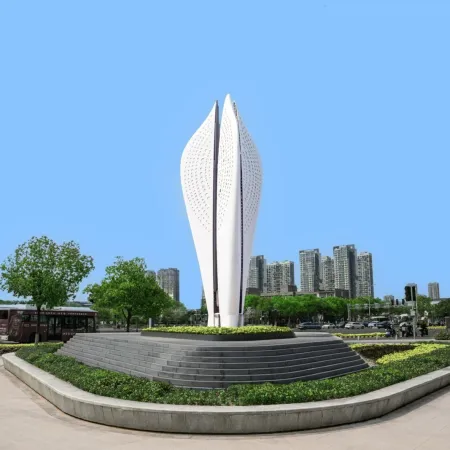
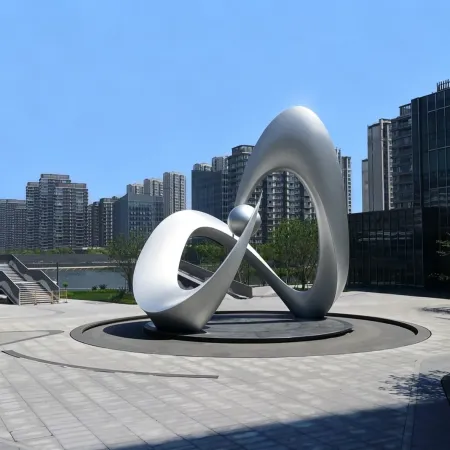
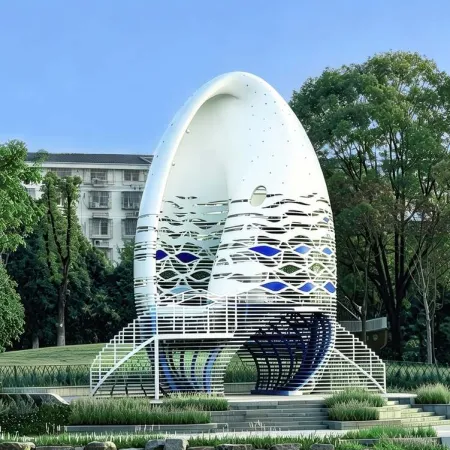
See themed public works in Yangming Ancient Town Series, Past Events of the North Bank and Cloth Dragon.
Theme First, Then Art
Scenic spot theme public art design begins with the theme, because the theme is the contract between the destination and its visitors and every work of art must honour it. A scenic spot built around a legend needs art that brings the legend to life; a park celebrating local craft needs works that speak the language of that craft; a cultural tourism district reviving an old town needs pieces that connect its past to its present; and a family attraction needs characters and forms that children will love and parents will photograph. The designer must first understand the story the destination is telling, then create works that extend it, because art that ignores the theme is decoration, while art that serves it is destination.
The theme also defines the emotional register of the work, and getting that register right is as important as the subject matter. A cultural heritage theme calls for dignity and authenticity, art that respects the history it represents; a fantasy theme calls for wonder and play, art that releases the visitor from the ordinary; a nature theme calls for harmony, art that celebrates the landscape without shouting over it. The designer should test every concept against the theme, asking whether this work deepens the story the destination tells or merely fills a space, because a scenic spot is a story told in three dimensions and every weak chapter weakens the whole.
| Theme type | Art role | Design emphasis |
|---|---|---|
| Legend and myth | Bringing the story to visible life | Narrative scenes and key characters |
| Heritage and craft | Connecting past and present | Authentic materials and local motifs |
| Nature and landscape | Celebrating the scenery itself | Harmony, light forms and viewpoints |
| Family and fantasy | Wonder, play and photo moments | Colour, characters and safe interaction |
Art and Landscape in Conversation
The scenic spot is first a landscape, and scenic spot theme public art design must place its works in conversation with the scenery rather than in competition with it. The designer studies the views, the routes, the resting points and the light, and places each work where it earns its keep, closing a vista, marking a turning point, rewarding a climb, giving a photo point its frame or making a waiting area a moment of its own. A work that blocks a magnificent view is a failure however beautiful it is; a work that completes a view is a triumph however simple, and the difference is a matter of placement studied with the landscape, not decoration applied to it.
The scale and material of the art should also answer the landscape, because a setting of mountains and forests has a different measure than a town square. A scenic work may need to be monumental to hold its own against a vast backdrop, or deliberately intimate to create a moment of quiet; it may use materials that echo the local stone and timber, or contrast with them to create a deliberate accent; and it must survive the climate of the place, from mountain frost to seaside salt. The works that visitors love in scenic settings are those that feel as if the landscape had proposed them, and that feeling is the product of design that listened before it spoke.
Characters, IP and the Photo Economy
Modern scenic spots live partly in the photo economy, and scenic spot theme public art design should create the moments that visitors photograph and share, because every shared image is free advertising for the destination. Themed works that visitors can stand beside, frame themselves with and post to their networks multiply the reach of the destination many times over; characters and mascots give children something to hug and parents a reason to stop; and a work designed to be photographed is a work designed with the visitor's eye as well as the artist's. The designer should think about the photo from every angle, the best light, the best time of day and the composition that will make strangers want to visit.
Themed character works also carry the commercial life of the destination, because the characters visitors meet in the park are the characters they buy as souvenirs and remember as the face of the place. The art should be designed with this wider life in mind, with forms that translate into merchandise, stories that extend into the restaurant and the show, and an identity consistent enough to build recognition over years. This is where the scenic spot differs from a museum, the art is not only to be admired but to be met, photographed, remembered and bought, and the designer who understands that commercial reality serves the destination as a business and as a place.
Safety, Durability and the Crowds
Scenic spots are used hard, and scenic spot theme public art design must engineer for the crowds that a successful destination attracts. Works are touched by thousands of hands, climbed by children, leaned on for photographs and exposed to the weather of an open site, so they must be robust in structure, safe in every edge and detail, and finished to survive both the climate and the contact. The foundations must carry the loads of public use as well as the wind; the surfaces must tolerate cleaning that happens constantly; and the forms must invite interaction without inviting injury, because a themed work that hurts a child is a disaster for the family, the destination and the art alike.
Maintenance is part of the design brief, because a scenic spot cannot afford works that quietly decline under the pressure of popularity. The designer should specify materials and finishes matched to the maintenance team the destination can actually field, plan for the repainting and re-polishing that bright themed work will need, and hand over the documentation that lets the operators keep the collection looking fresh year after year. The most successful scenic spots treat their art as an asset with a maintenance budget, not as a one-time purchase, and the studio that designs for that reality is the studio whose works still look new when the season returns.
A Themed Work That Works Hard
Serves the story the destination tells
Converses with the landscape around it
Creates the photographs visitors share
Engineered for crowds and maintenance
Commissioning Themed Art for a Destination
Commissioning scenic spot theme public art design is a collaboration between the destination's story and the artist's imagination, and it works best when both sides bring clarity. The destination should brief the theme with its evidence, the legends, the history, the visitor research and the brand promise, and the designer should respond with concepts that test the theme rather than merely illustrate it; the approvals should involve the people who know the destination, its operators and its marketers as well as its owners; and the budget should be set for works that will carry real public use and real maintenance, because a themed work that fails in service damages the destination more than the absence of art would have done.
The relationship should also look beyond the first commission, because the strongest scenic identities are built over years and the first work should establish the standard for those that follow. Documentation of the theme, the concepts and the making gives future designers the context to extend the collection; a simple art masterplan names the zones, the scales and the story beats that future works should carry; and the studio that returns for maintenance and for the next chapter becomes a partner in the destination's growth. Our studio has created themed public works across more than twenty countries since 2003, and the destinations that stayed vivid in visitors' memories were those that treated their art as a story told over time, each work a chapter that made the next one stronger.
Frequently Asked Questions About Scenic Spot Theme Public Art Design
How do we choose the right theme for our scenic spot?
Start from what makes the place unique, its legends, history, craft, landscape or audience, and test the theme against visitor research. The strongest themes are true to the place and clear to the visitor.
How much art does a scenic spot need?
Quality matters more than quantity. A few works placed at the key moments of the visitor journey, arrival, viewpoint, rest and photo points, outperform a scatter of forgettable pieces across the whole site.
Should themed art match the natural landscape?
It should converse with the landscape, sometimes harmonising and sometimes contrasting deliberately. The placement must never block a great view, and the scale should answer the scale of the setting.
How do we protect visitors interacting with the art?
Design for real use: robust structures, no sharp edges or pinch points, safe climbing limits and foundations that carry public loads. Children should be designed for from the first sketch.
How do we keep themed art looking fresh?
Budget for maintenance from the start. Bright finishes need periodic renewal, and the design should specify materials and a care schedule matched to the team the destination can actually field.
Scenic spot theme public art design turns a beautiful place into a memorable story, giving visitors images and moments that belong to the destination alone. Serve the theme with every work, place the art in conversation with the landscape, design for the photographs visitors share and engineer for the crowds that success brings, and the scenic spot will gain an identity that no competitor can copy. The destinations visitors remember are the ones that told them a story, and the art that tells it best is the art that was designed for the place, the theme and the people together.
Let scenic spot theme public art design give your destination a story worth travelling for.