How Public Art Projects Design and Fabrication Work Together
Public art projects design and fabrication are two halves of one act, and the works that move us most are those where the designer and the maker understood each other so completely that the drawing and the steel seem to have been born together. When the two are separated, the design can promise what the workshop cannot build, and the workshop can flatten what the design intended.
This guide explains how public art projects design and fabrication should work together, what a client should expect when both live in one studio, and how to protect the art across the bridge from the concept to the built work. We have practiced both disciplines under one roof since 2003, delivering works across more than twenty countries.
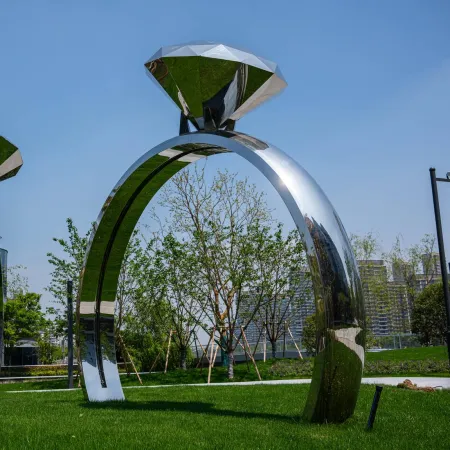
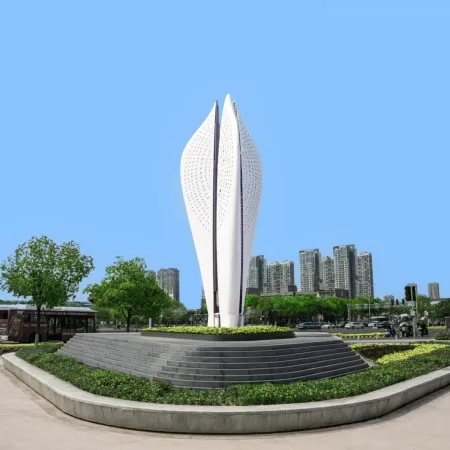
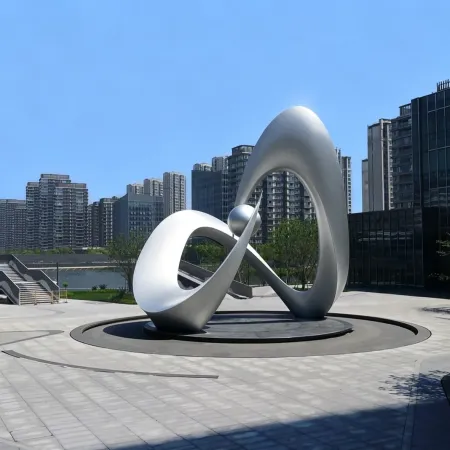
See the marriage of design and making in our project gallery, the crafted geometry of Honeycomb Pavilion and the playful color of Rainbow Windmills.
The Conversation Between the Drawing and the Steel
Public art projects design and fabrication fail each other when they do not converse. A design developed in isolation will make demands that the workshop can only meet with struggle or compromise: forms that cannot be formed, finishes that cannot be achieved, tolerances that the real materials will not hold, and section sizes that the workshop floor and the transport route cannot accept. When the fabricator sees the design only at the handoff, the fabricator's problems become the client's problems, paid for in change orders, delays and a finished work that is not quite what was approved.
When design and fabrication live in one studio, the conversation runs from the first sketch. The designer knows the workshop's real capacities, so the concept is born buildable; the fabricator understands the design's intent, so the making serves the art rather than the drawing's minimum; and the engineer sits between them, resolving the loads and the materials while the form is still pliable. The work that emerges from this conversation is not a compromise between art and practicality; it is a design that was practical from birth and a fabrication that was artistic from the first cut. That unity is the difference between a public work that merely stands and one that sings.
Why Design Must Know the Workshop
The most valuable knowledge a designer can carry is an accurate sense of how things are actually made, because public art projects design and fabrication meet at every material decision. The designer should know how stainless steel is formed, welded, polished and finished, so that the surfaces drawn can be achieved in the material; how sections are sized for transport, so that the monumental form can actually reach its site; and how finishes age outdoors, so that the palette chosen at the drawing board still honors the work in year ten. A design that ignores the making is a design that has already begun to fail.
The workshop, in turn, must honor the design. The fabricators should read the approved drawings as the expression of an artistic intent, not as a list of minimum requirements to be met and moved past; they should raise the inevitable production questions early, when the answers can still serve the art; and they should take pride in the surfaces, the joints and the details that the public will never consciously notice but will feel as quality. When the workshop treats every weld as part of a work of art, the fabrication lifts the design; when it treats the drawing as a spec to be beaten, the fabrication flattens it. The culture of the workshop is part of the art.
| Design question | The fabrication reality | The integrated answer |
|---|---|---|
| Form | Some geometry is costly to form | Shape resolved with real processes in mind |
| Surface | Finish is earned, not drawn | Finishes specified to achievable standards |
| Sections | Scale meets transport limits | Sectioning planned with the route in mind |
| Tolerance | Materials hold only real tolerances | Precision specified to what the making holds |
Material Selection as a Shared Discipline
Materials are where public art projects design and fabrication must agree most completely, because the choice made at the drawing board determines what the workshop can achieve and what the public will live with for decades. Stainless steel in grades such as 304 and 316 carries many public works, with the grade chosen against the site's environment and the finish specified to the standard the workshop can genuinely deliver. Painted surfaces demand a coating system matched to the site and a surface preparation that the workshop must execute with discipline, because the best paint cannot save a poorly prepared surface. Where the design calls for stone, bronze or other materials, the fabrication plan must respect their nature.
The integrated studio selects materials knowing both sides of the equation: the aesthetic the design requires and the behavior the fabrication and the site will demand. It will not specify a finish it cannot achieve nor a material that the environment will punish, and it will tell the client the truth about the trade-offs, because an honest conversation about materials at the design stage protects the client from a disappointed conversation about the finished work years later. The client should ask how the studio's material choices have performed in delivered works, because the record of the making is the truest guide to the design.
The Bridge of Drawings, Prototypes and Samples
Between the design and the full fabrication lies a set of bridges that protect the art, and an experienced studio crosses them deliberately. The first bridge is the fabrication drawing, which translates the design into the geometry, the sections and the connections that the workshop will build, and which the client should review because it is the last place where changes are cheap. The second is the sample and the mock-up, where the studio builds a piece of the surface, a corner of the detail or a scale section so that the client can see the actual finish and the actual join before the whole work commits to them. The third is the prototype of any complex or moving element, tested before it is multiplied across the work.
These bridges are the moments where public art projects design and fabrication prove their partnership. A studio that moves from concept straight to full fabrication is gambling with the client's money and the work's quality; a studio that walks the client through the drawings, the samples and the prototypes is investing in certainty. The client should insist on seeing the real materials and the real details before the work is committed, because a photograph of a finish is not the finish, and a render of a joint is not the joint. The bridges exist to catch the differences between the imagined and the real while they are still cheap to resolve.
- Fabrication drawings reviewed before the first cut, while changes are cheap.
- Material samples that show the real finish before the work commits.
- Detail mock-ups that prove the corners, the joints and the surfaces.
- Mechanism prototypes tested before they are multiplied.
- Approval gates that keep the design and the making in agreement.
Why One Roof Produces Better Work
Designs born buildable from the first sketch
Making that serves the artistic intent
Materials chosen with both sides in mind
Bridges that catch problems while cheap
Quality Control Across the Making
Quality control is where public art projects design and fabrication either honor each other or betray each other, because the finest design is worth nothing if the making does not deliver it. The studio should run a written inspection plan that covers the materials as they arrive, the welding and its inspection, the surface preparation before any coating, the finish system as it is applied and cured, and the final assembly and dressing before the work ships. Each check should be documented, and the client should receive the record, because the record is the proof that the approved design was actually built to its standard.
The client should be invited into the quality process at the moments that matter, whether in person or through documented evidence from the workshop. The key inspections are those that cannot be repeated after the fact: the welding that will be hidden inside the finished form, the surface preparation that determines whether the coating will last, and the alignment of the sections that will join into the whole. A studio that schedules these inspections and shows the client the evidence is a studio that treats the design and the fabrication as one promise, and that unity is what the client is really buying.
Frequently Asked Questions About Public Art Projects Design and Fabrication
Why should design and fabrication live together?
Because the designer who knows the workshop creates buildable concepts, and the fabricator who knows the intent builds the art rather than flattening it.
What bridges protect the design before fabrication?
Fabrication drawings reviewed by the client, material samples, detail mock-ups and prototypes of complex elements, each catching problems while changes are cheap.
How are materials chosen fairly?
By a studio that knows both sides: the aesthetic the design needs and the behavior the fabrication and the site will demand over decades.
How do I know the build matches the design?
Through a written inspection plan, documented checks at the key stages and the client's presence or evidence at the inspections that cannot be repeated.
What if the workshop finds a problem in the design?
A serious studio raises production questions early, when the answers can still serve the art, and resolves them with the client before the work commits.
Public art projects design and fabrication are one act performed by two disciplines, and the works that endure are those where the two conversed from the first sketch to the final polish. Choose a studio where the drawing and the steel live under one roof, walk the bridges of drawings, samples and prototypes, and hold the making to the design through documented quality control, and your public commission will be built as it was conceived.
If you are starting a commission and want public art projects design and fabrication held in one pair of hands, bring us your site and your idea and we will carry it from the first sketch to the standing work together.