What Public Art Projects Planning Covers Before Fabrication Begins
Public art projects planning is where commissions are won or lost, because the decisions made before the first cut determine whether the work arrives on time, on budget and on vision, while the decisions postponed to the workshop floor tend to arrive as problems. The planning phase is unglamorous and indispensable, and the clients who respect it receive the works they approved.
This guide explains what public art projects planning should cover, how to build a plan that protects the vision through the making, and what to resolve before fabrication so that the build runs without crisis. We have planned and delivered public works across more than twenty countries since 2003.
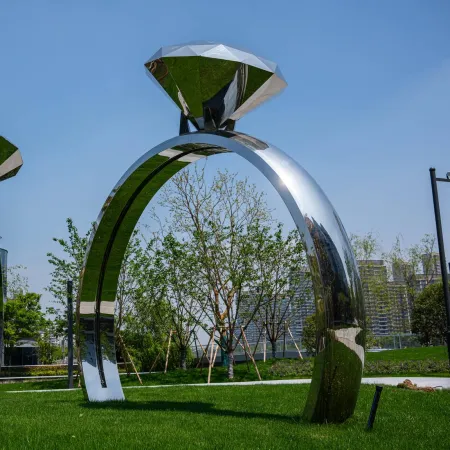
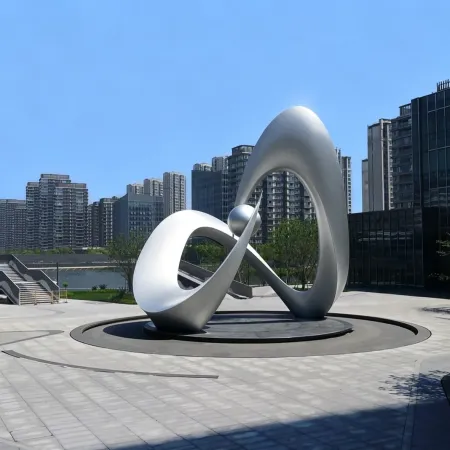
See the planning behind delivered works in our services, the finished range in our project gallery and a site-responsive piece like Zhang Cangshui.
Why Planning Decides the Outcome
Public art projects planning decides the outcome because every phase of a commission consumes the decisions of the phase before it. The site conditions gathered in planning shape the engineering; the engineering resolved in planning shapes the fabrication; the fabrication planned in advance shapes the schedule and the cost; and the installation thought through before the build shapes whether the finished sections can actually reach and stand on the site. When planning is done well, each phase flows into the next and the work progresses with confidence; when planning is skimped, each phase discovers the problems that the previous phase should have solved, and the commission pays for the skimping in delays, changes and compromises.
The value of planning is most visible in what it prevents. A planning phase that confirms the ground conditions prevents a foundation surprise; one that resolves the sections against the transport route prevents a section that cannot travel; one that agrees the approvals and the standards prevents a work that cannot be signed off; and one that fixes the design gates prevents changes in steel that cost many times the same changes on paper. The client who invests in planning is not adding cost to the project; the client is buying the project's certainty, and certainty is the cheapest thing a public commission can purchase.
The Site First: Conditions and Constraints
Public art projects planning begins with the site, because every subsequent decision depends on what the site actually offers and demands. The planning should confirm the ground conditions that the foundation will bear on, the access that the transport and the installation will use, and the surroundings that the work must relate to, from the sight lines to the scale of the neighboring buildings to the daily life of the space. It should gather the climate and the environmental loads, the wind, the seismic and the exposure that will govern the engineering, and it should establish the approvals that the work must pass in its jurisdiction.
The site planning should also cover the human context that public art always enters. Who owns and maintains the space, and what maintenance regime can they sustain? Who are the neighbors whose lives the work will enter, and what engagement does the commission require? What are the uses of the space across the day and the seasons, and how will the work serve them? Public art projects planning that reads only the physical site produces work that stands correctly and belongs nowhere; planning that reads the human site as well produces work that the place adopts as its own.
| Planning stream | What it resolves | Cost of skipping it |
|---|---|---|
| Site | Ground, access, surroundings, climate | Foundation and approval surprises |
| Design | Concept, gates, community voice | Changes in steel instead of on paper |
| Engineering | Structure, materials, standards | A work that cannot be approved |
| Making | Sections, transport, quality plan | Sections that cannot travel or join |
| Installation | Sequence, access, commissioning | Assembly improvised on site |
Design Gates That Keep Changes Cheap
Public art projects planning must fix the moments at which the design is approved, because changes are dramatically cheaper on paper than in steel and the plan should force them onto the paper. The first gate approves the concept, the direction that the design will take and the promise it makes to the site; the second approves the developed design, the resolved form, the materials and the engineering approach; the third approves the fabrication drawings, the last place where the geometry and the details can be adjusted without cutting metal. Between the gates, the client's feedback is welcome and cheap; after the final gate, the design belongs to the making and changes cost what they cost.
The gates also protect the schedule, because a design that is never quite approved is a schedule that is never quite real. The planning should name the decision-makers, the review windows and the response deadlines for each gate, so that the commission does not stall while an approval waits in an inbox. Public art is a collaboration, and the plan should make the collaboration concrete: the client approves at the gates, the studio develops between them and the community is engaged at the moments where its voice can still shape the form. When the gates are agreed, the design conversation is productive rather than endless.
Engineering, Standards and the Approvals Roadmap
The engineering of a public work belongs in the planning phase, because the structure, the materials and the standards must be resolved before the fabrication can be priced and scheduled with confidence. The planning should confirm the engineering approach for the site's loads, the material and finish specification for the environment and the maintenance regime, and the sectioning strategy that will carry the work from the workshop to the site. It should also map the approvals that the work must pass, naming the authorities, the documentation they require and the sequence in which the approvals must be obtained.
The approvals roadmap is where public art projects planning protects the client from the most expensive kind of surprise, the discovery after fabrication that the work cannot be signed off. The plan should identify the applicable standards early, prepare the documentation in the language and the format that the authorities expect and schedule the reviews so that the approvals run alongside the making rather than against the deadline. A studio that has carried works through public approvals knows where the process delays hide, and the planning phase is where that knowledge becomes the client's protection.
- Confirm the site before a single line is drawn or a price is trusted.
- Fix the design gates so changes stay cheap and the schedule stays real.
- Resolve the engineering before the fabrication is priced or started.
- Map the approvals so sign-off runs beside the making, not against it.
- Plan the installation before the sections leave the workshop floor.
What Good Planning Prevents
Foundation and approval surprises
Changes that should have been cheap
Sections that cannot travel or join
Installations improvised in the open air
Making, Transport and Installation in the Plan
Public art projects planning should reach all the way to the site, resolving the making, the transport and the installation before the workshop begins. The fabrication plan should name the sections, the sequence and the quality gates, with the materials and the finishes specified and the inspection plan agreed. The transport plan should confirm that the sections can travel the route from the workshop to the site, by the roads, the ports and the access that actually exist. And the installation plan should resolve the sequence of the assembly, the lifting and the fixing, so that the crew on site is guided by a plan rather than by improvisation.
The planning should also cover the human logistics of the delivery: who installs, whether the studio's own team or a local contractor, and how the two will coordinate; who commissions the work and signs it off; and what documentation the owner receives for the decades of care. When the plan runs this deep, the fabrication can proceed at full speed because every downstream question has been answered, and the installation can proceed without crisis because every upstream decision has been made. That is the dividend of planning, and it is paid in the smoothness of the whole commission.
Frequently Asked Questions About Public Art Projects Planning
Why is planning so important in public art?
Because every phase consumes the decisions of the phase before it. Good planning lets each phase flow into the next; skimped planning makes each phase pay for the last one's omissions.
What must the site plan confirm?
Ground conditions, access, surroundings, climate and environmental loads, plus the approvals the work must pass and the maintenance the owner can sustain.
What are design gates for?
To fix the moments of approval so changes happen on paper while they are cheap, and to name the decision-makers so the schedule stays real.
How far should the plan reach?
All the way to the site: sections, transport, installation sequence, commissioning and the documentation the owner needs for decades of care.
Who should do the planning?
A studio that will carry the work through fabrication and installation, because planning is only honest when the planner is accountable for the phases the plan predicts.
Public art projects planning is where commissions are won or lost, because the decisions made before the first cut determine whether the work arrives on time, on budget and on vision. Confirm the site, fix the design gates, resolve the engineering, map the approvals and plan the installation before the workshop begins, and your commission will run on certainty rather than on hope.
If you are at the start of a commission and want public art projects planning that protects your vision through the making, bring us your site and your ambition and we will build the plan that carries the work to its standing.