What Public Art Projects Examples Teach Before You Commission
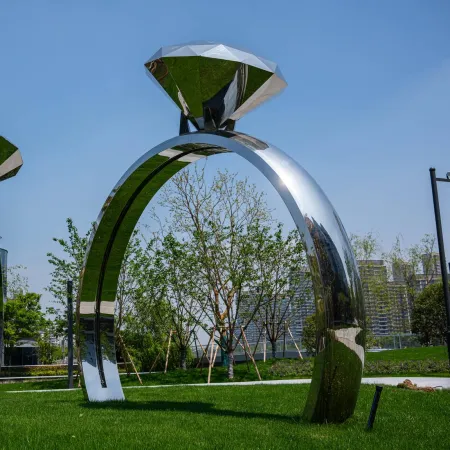
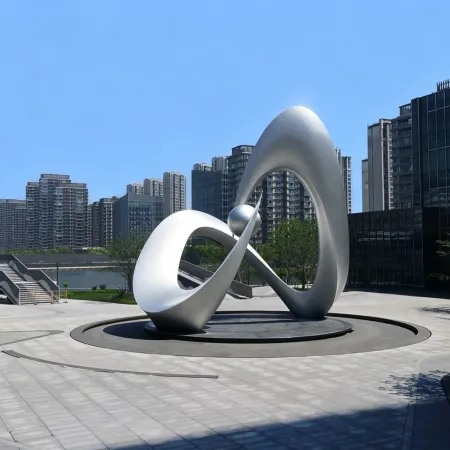
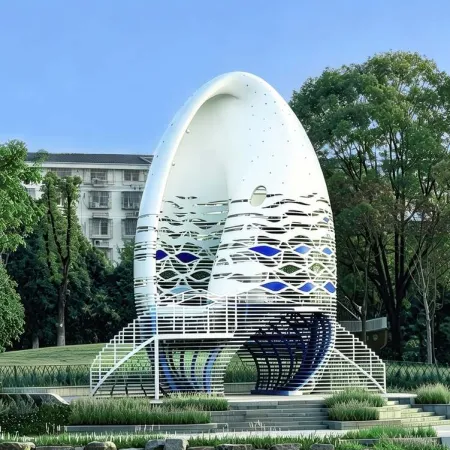
Public art projects examples are the most honest teacher a client can consult, because a finished work in its real site reveals what no render can: how the form reads at true scale, how the materials have aged, how the public has adopted the piece and how the concept survived the journey from the sketch to the standing work. Read the examples well and they will save you from costly mistakes.
This guide explains how to read public art projects examples, what a delivered work can tell you about a studio's true capacities and how to use examples to brief your own commission with confidence. We have built the examples across more than twenty countries since 2003.
Study the range in our project gallery, the interactive landmark Hello Conch and the community work The Bountiful Harvest.
Reading Examples Like a Professional
Most clients look at public art projects examples the way tourists look at monuments, admiring the surface and missing the evidence, but a professional reads a delivered work as a document of the studio that made it. The first question is not whether the work is beautiful but whether it fits its place, because a work that sits awkwardly in its site reveals a studio that designs in a vacuum. The second is how the work has aged, because a finish that has faded, stained or failed within years reveals a studio that does not engineer for the outdoor life. The third is how the public has adopted the work, because a landmark that people photograph, gather at and protect has passed the only test that matters.
The delivered examples also reveal the studio's range and honesty. Does the portfolio show works of the scale, the material and the setting of your project, or does it stop at a different size that flatters the images? Does the studio present the works with their real context, including the compromises and the lessons, or does every case read like a triumph? A studio that speaks honestly about what each project demanded and what it would do differently is a studio whose examples you can trust; a studio that presents only perfect surfaces is selling you a portfolio, not a record.
What a Great Example Looks Like in Its Site
The most instructive public art projects examples are those that show the work living in its environment rather than posing in a studio photograph. Look for images that place the work among its real users: the children playing beneath the large form, the commuters passing the landmark at scale, the families gathering at the interactive piece at dusk. A work that looks magnificent in a clean studio shot and awkward among real people has failed its true test, and the examples that include the human context let you judge whether the studio designs for the life of the place or only for the lens.
The best examples also show the work over time and across conditions. A single perfect photograph proves little about durability; a work photographed in different seasons, at different hours and after years of weather tells you how the materials and the finishes have truly behaved. When a studio can show its delivered works still looking right years after installation, it is showing you the engineering honesty that a public commission needs, and when a client is choosing between studios, that evidence of time is worth more than any number of opening-day photographs.
| What to study | The question it answers | What it reveals |
|---|---|---|
| Site fit | Does the work belong to its place? | Design rooted in real context or in a vacuum |
| Age | How has the work weathered? | Material and engineering honesty |
| Adoption | Has the public made it their own? | The only test that truly matters |
| Scale | Is there work like mine? | Real capacity at your scale of ambition |
Using Examples to Test a Studio's Claims
Public art projects examples are also a testing ground for the studio's claims, and the client should interrogate them with the same rigor as any procurement evidence. When a studio claims it can deliver a certain scale or a certain material, ask for an example that proves it, and then verify that the example is real: ask for the location, the client and the date, and if the work is significant, ask to speak to the people who commissioned it. Ask what the studio learned from each example and what it would do differently, because the answers reveal a studio that reflects on its work rather than one that merely collects trophies.
The examples should also be read for what they do not show. A portfolio of only small indoor works cannot prove the capacity for a monumental outdoor commission, and a gallery of only rendered concepts cannot prove the ability to deliver built reality. The client should look for the full arc: examples that show the work in the workshop, the work in transit, the work on its foundation and the work years later, because that arc is the evidence that the studio can carry a commission end to end. When the examples cover the whole journey, the studio has shown you its whole hand.
Briefing Your Own Commission From the Examples
Studied well, public art projects examples become the raw material of your own brief. Look at the works that move you and ask what they have in common: the scale that thrilled you, the material that felt right, the relationship to the site that made the work inevitable. Then translate those reactions into the brief: the size and the presence your site can carry, the materials that suit your environment and your maintenance reality, the interaction or the stillness that fits your community, and the budget envelope within which the studio must design. A brief built from honest reactions to real examples communicates far better than a brief built from abstract wishes.
Bring the examples to the conversation with the studio and ask how it would approach the translation: which of the qualities you admired are achievable at your site and your scale, which would need to change and why, and what the studio would add from its own experience. The studio's response to your chosen examples is a test of its listening and its honesty, and it gives you a preview of the design conversation to come. When the client and the studio discuss the work through real examples, the brief is already halfway to a concept that fits the place.
- Study the site fit to judge whether the studio designs for real places.
- Look for the years to test material and engineering honesty.
- Check the adoption to see whether the public made the work their own.
- Demand the arc from workshop to site to years later.
- Build your brief from what the examples truly moved in you.
What Examples Are Worth
A record of real capacity and range
Evidence of how work ages and lives
A test of the studio's honesty
The raw material of your own brief
Asking the Right Questions About the Examples
The value of public art projects examples is unlocked by the questions the client asks about them, and the strongest questions go beyond the surface. Ask how each project's concept grew from its site, because the answer reveals whether the studio designs responsively or repeats its signature forms. Ask how the materials and finishes were chosen for each environment and how they have performed since, because the answer reveals the engineering honesty behind the beauty. Ask what surprised the studio during each delivery and how it responded, because the answer reveals the resilience that every real commission demands.
Ask, too, about the relationships behind the examples. A work that the client still speaks of warmly, years after the handover, tells you more about the studio than the work itself does, and a studio that can connect you to those clients is a studio confident in its record. When you have read the examples, questioned the studio and spoken to the clients, you will have assembled the evidence that no render and no pitch can replace, and your decision will rest on the record of real works in real places rather than on the polish of a presentation.
Frequently Asked Questions About Public Art Projects Examples
How do I judge a studio by its examples?
Study the site fit, the weathering over time, the public's adoption and whether the portfolio proves real capacity at your scale of ambition.
What should a portfolio prove beyond beauty?
The full arc: the work in the workshop, in transit, on its foundation and years later, showing the studio can carry a commission end to end.
How do examples improve my brief?
They reveal what genuinely moves you in scale, material and site relationship, which you can translate into concrete requirements for the studio.
Which questions test a studio's honesty?
Ask how each concept grew from its site, how materials have performed since and what the studio learned and would do differently.
Are rendered concepts as valuable as delivered works?
No. Renders show imagination; delivered works show the capacity to carry a commission through engineering, fabrication and installation to a standing reality.
Public art projects examples are the truest evidence a client can gather, because real works in real places reveal what no render can promise. Study the site fit, look for the years, check how the public adopted the work and demand the full arc from workshop to site, and you will choose your studio on the record of delivered reality rather than the polish of a pitch.
If you are gathering public art projects examples to guide your own commission, explore our gallery, ask us the hard questions and we will show you the arc behind every work we have delivered.