How a Professional Sculpture Company Runs a Commission From Brief to Handover
A professional sculpture company is defined less by its artistry than by its process, because professionalism in sculpture means running a creative commission with the discipline of a serious business: written agreements, documented decisions, honest budgets, managed schedules and accountable people. When those systems are in place, the artistry is free to flourish; when they are missing, even a brilliant concept can collapse in chaos.
Yifeng Sculpture Studio has operated as a professional sculpture company since 2003, delivering more than 3000 works across 23 countries. Our team unites sculptors trained in the traditions of the China Academy of Art, the Academy of Arts & Design at Tsinghua University and the Royal Society of Sculptors with project managers who keep every commission structured, documented and on schedule from the first call to the final handover.
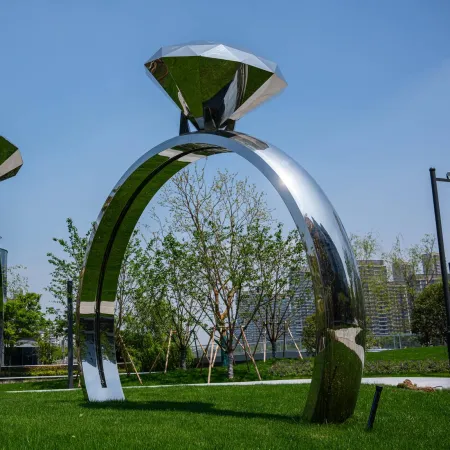
See the results of professional delivery in our project gallery, review the structured services on the services overview, and study a professionally delivered commission such as Peach Blossom, a 20.8-metre landmark that demanded project management as rigorous as its engineering.
What Professionalism Actually Means in Sculpture
Professionalism in sculpture is easy to recognise and hard to define, because it lives in systems rather than in any single moment. It means a written proposal that states the scope, the schedule and the commercial terms clearly before work begins; a named project lead who answers within a working day; a documented decision trail so nothing is lost or disputed; and honest reporting when a risk appears, so the client can act early rather than discover problems late.
Professionalism also means protecting the client's interests as a matter of habit. The studio insures the work and its liability, holds the client's materials and models securely, respects intellectual property and confidentiality, and keeps the financial relationship transparent with milestone payments tied to defined deliverables. These may sound like business details, but they are the difference between a studio that behaves like a partner and one that behaves like a gamble.
The Professional Commission Structure
A professional sculpture company runs every commission through a defined structure that gives the client control at each stage. The table below shows the phases and the professional practices that protect the client in each one.
| Phase | Professional practice | Client protection |
|---|---|---|
| Proposal | Written scope, schedule and commercial terms | No surprises about what is included |
| Consultation | Site study and brief documented in writing | The brief cannot drift later |
| Concept approval | Formal approval gates with recorded decisions | The client steers before costs escalate |
| Fabrication | Staged inspection and progressive documentation | Quality is verified, not assumed |
| Handover | Installation, records, care guide and sign-off | The client can maintain the work for decades |
Honest Budgets and Clear Commercial Terms
Money is where professionalism is most tested, because a sculpture commission involves custom work with no price list and many variables. A professional sculpture company itemises its quotation so the client can see where the budget sits, ties payments to defined milestones rather than demanding large advances, and prices changes in writing before they are made. The commercial terms, including what happens on delay, cancellation or dispute, are set out clearly at the start rather than improvised at the end.
Transparency about money is not just fairness; it is the foundation of trust. When the client understands exactly what they are paying for and why, they can make good decisions about where to invest and where to economise, and the studio can deliver the best work for the actual budget rather than defending a vague number. A studio that resists this transparency is usually a studio that profits from its absence.
Schedules, Reporting and Risk Management
A professional sculpture company treats the schedule as a promise and manages it with the same discipline as the budget. The proposal sets a realistic timeline with the critical path explained; the studio reports progress at a fixed rhythm; and when a risk appears, whether in materials, approvals or logistics, the client is told early with the options and the implications. Silence is the enemy of professionalism, because problems do not improve with concealment.
Risk management begins before the contract is signed. The studio assesses the feasibility of the brief, the site conditions, the regulatory requirements and the realistic timeline, and it raises the risks it can foresee so the client can decide how to carry them. During the project, the named project lead owns the risk register, and every significant decision is recorded so that if something goes wrong, the cause and the responsibility are clear rather than disputed.
The People Behind a Professional Studio
Professionalism ultimately lives in people, and a professional sculpture company should be able to name them. There is the artist or designer who owns the creative vision, the engineer who owns the structure, the production manager who owns the fabrication and the project lead who owns the client relationship, and the client should know who each one is and how to reach them. When a studio hides behind a sales team and cannot name who will actually carry the work, the client is buying a brand rather than a capability.
Continuity of people matters as much as their identity. The contract should name the key individuals and require that they not be replaced without the client's consent, because the chemistry and accumulated understanding of a team are part of what the client is paying for. A professional sculpture company protects that continuity because it knows that a commission is a relationship, and relationships are carried by people, not by departments.
Red Flags That Signal an Unprofessional Studio
- No written proposal: if the studio will not put scope, schedule and terms in writing, the client has nothing to hold them to.
- Vague pricing: a lump sum with no breakdown hides where the money goes and invites disputes later.
- No named lead: if nobody specific is accountable for answering the client, the client will be passed around forever.
- Silence under risk: a studio that goes quiet when problems appear is storing trouble for the worst moment.
- No care handover: if the studio disappears after installation, the client is left unable to maintain the work.
Each red flag is a test the client can run in the very first conversation, because an unprofessional studio reveals itself early to anyone who asks the right questions.
Professional Delivery Across Borders
International commissions magnify both the need for professionalism and its rewards. With clients in 23 countries, we run every cross-border project on written agreements, named leads, fixed reporting rhythms and documented decisions, because distance punishes vagueness without mercy. The client on the other side of the world receives the same structure, the same transparency and the same accountability as a client across the street, and that consistency is the essence of a professional sculpture company.
Every international handover includes the full record of the work: the specifications, the engineering, the installation package and the care guidance, so the client can own and maintain the sculpture with complete confidence. When professionalism is applied consistently, a commission on the far side of the planet runs as smoothly as a local project, and the client's trust is rewarded with a work that arrives as promised, documented and ready for its public life.
The Signs of a Professional Partner
Scope, schedule and terms written down before work starts
A named lead who answers within a working day
Honest reporting the moment a risk appears
A complete handover that protects the work for decades
Frequently Asked Questions About a Professional Sculpture Company
What is a professional sculpture company?
A studio that runs creative commissions with business discipline, using written agreements, named leads, documented decisions, transparent budgets and accountable project management.
How should a sculpture quote be structured?
Itemised by phase so the client can see where the budget sits, with milestone payments tied to defined deliverables and changes priced in writing before they are made.
Who is accountable during my commission?
A named project lead owns the client relationship, supported by named artists, engineers and production managers, so the client always knows who carries the work.
How do I protect myself in a sculpture contract?
Insist on a written scope and schedule, milestone payments, named key people, insurance, intellectual property terms and a clear process for changes and disputes.
What should I receive at handover?
The installed work, its specifications and engineering records, an installation and care guide, and the documentation needed to maintain the sculpture through its life.
A professional sculpture company is the partner who brings order to the beautiful chaos of creation, running the commission with a discipline that lets the artistry flourish. Choose a studio that writes things down, names its people, reports honestly and hands over completely, and your sculpture will be delivered with the professionalism it deserves.
If you want to commission with confidence, we will show you how a professional sculpture company structures its proposals, its budgets and its delivery, so you can judge the process before you commit to the art.