Public Art Installation Examples That Show What Great Work Looks Like
Public art installation examples are the best teachers for anyone planning a public commission, because they show what great work looks like in real places and reveal the ideas, the materials and the decisions behind works that succeed. Studying examples sharpens a client's eye and prepares them for the conversations that will shape their own project.
This guide walks through public art installation examples across different settings and ambitions, explaining what makes each work effective and what a client can learn from it for their own commission.
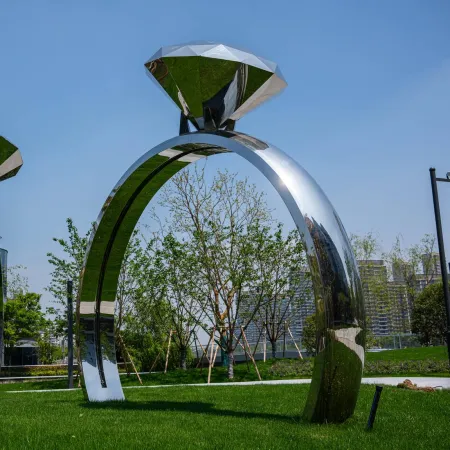
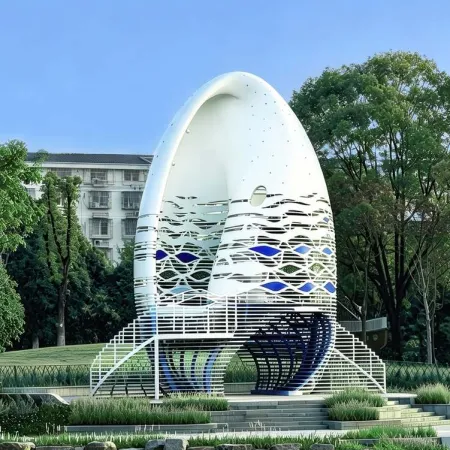
Browse real public art installation examples at our project gallery, Eye of the Phoenix and Fishing Net Canopy.
The Landmark That Anchors a District
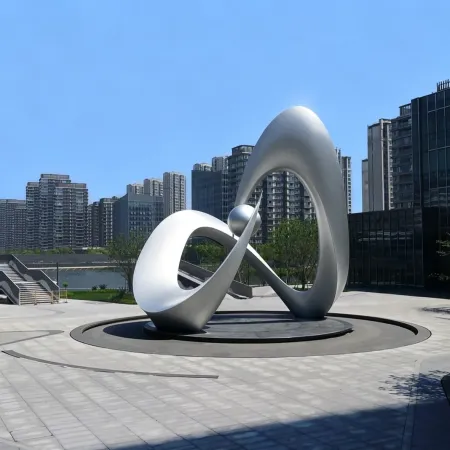
The first family of public art installation examples is the landmark work that anchors a district, giving a place an identity visible from a distance. Consider a large sculptural form rising at a city gateway or a commercial quarter's central plaza: its scale commands the approach, its silhouette reads against the sky and its materials carry the permanence that public landmarks demand. Such works succeed when they are conceived for their specific setting, when their form grows from the place's character rather than from a catalogue, and when their engineering is equal to their ambition, so that the work that dazzles on opening day still stands proud decades later.
The lesson for clients is about ambition and process. Landmark examples teach that the strongest works are those whose meaning belongs to their place, whether that meaning is drawn from local history, natural forms or the story of the community, and that the commission must give the studio room to find that meaning rather than prescribing a shape. They also teach that a landmark is a long commitment: the foundations, the engineering, the lighting and the maintenance are all part of the work, and the client who plans for the whole life of the piece is the client whose landmark will still be loved by the next generation.
The Interactive Work That Builds Belonging
Another rich family of public art installation examples is interactive and kinetic work, which invites the public to complete the art with their participation. A kinetic sculpture that turns in the wind, a playable form that children climb, or a responsive piece that changes with movement or sound, each creates a different relationship between the work and its public, and the strongest examples are those whose interaction is matched to their place. A wind-driven work belongs where the breeze is reliable, a playable work belongs where families gather, and an interactive piece belongs where people linger, and the examples that succeed are those whose makers understood that the site chooses the interaction.
The lesson for clients is about reliability and care. Interactive examples teach that the public will test a work far beyond its designer's imaginings, so the engineering must anticipate real behaviour, and that a moving or responsive work is a living thing needing maintenance that must be budgeted from the start. They also teach that participation builds belonging: a community that has played with a work, made it move or watched it respond adopts it as its own and protects it accordingly. The interactive examples that endure are those whose owners understood that they were commissioning a relationship, not merely an object, and that relationship is what makes the work beloved.
The Landscape Work That Belongs to Its Setting
A third family of public art installation examples is the landscape work, placed among trees, water and open ground to share its life with the natural setting. The finest landscape examples feel as though the land itself produced them: a form of weathering steel that echoes the bark around it, a stone piece that seems to have grown from the earth, or a sculpture that composes with a view across a lake, each entering a dialogue with its environment rather than competing with it. These works are designed in seasons, their forms composed with the growth of planting and the movement of light, and their materials chosen to age gracefully within the landscape's own rhythm of change.
The lesson for clients is about listening to the land. Landscape examples teach that the siting of a work is often more important than its form, that a piece placed where it is discovered with delight serves its setting better than a grander work placed without thought, and that the ecology of the site must be respected through the making and the installation. They also teach patience: a landscape work is completed by the seasons, and its full beauty may only appear after the planting has grown and the weather has worked on its surfaces. The client who commissions a landscape work with that patience gains a piece that deepens in beauty for decades.
| Type of example | What it demonstrates | Lesson for a new commission |
|---|---|---|
| Landmark | Identity that anchors a district | Meaning must belong to the place |
| Interactive | Participation that builds belonging | Budget for the maintenance of life |
| Landscape | Dialogue with the natural setting | Siting matters more than size |
| Community | Stories that carry local meaning | Listen before you design |
| Light | Presence that commands the night | Design darkness as part of the work |
The Community Work That Carries Local Stories
A fourth family of public art installation examples is the community work, created with and for a specific neighbourhood to carry its stories and honour its identity. These works may draw on local history, celebrate the people of the place or give form to the community's own memories, and the finest examples are those where the community was a true partner in the making rather than an audience for a finished idea. The process of listening, the workshops with residents and the shared ownership of the result are as much a part of these works as their physical form, and the works that emerge from genuine partnership are the ones the community protects and loves.
The lesson for clients is about the quality of the listening. Community examples teach that the stories which matter to a place are often small and specific, the memory of a vanished industry, the name of a beloved tree, the daily rhythm of a street, and that the studio must earn the right to hear them through patience and respect. They also teach that community work carries a responsibility to represent the place truthfully, honouring its complexity rather than flattening it into a slogan. The community works that endure are those whose communities see themselves truly reflected, and that truth is the foundation of the work's meaning.
The Light Work That Commands the Night
A fifth family of public art installation examples is light-based work, which extends the life of a place into the night and creates presences that sculpture alone cannot achieve. Illuminated forms, light installations that respond to passers and works designed around their own radiance each transform the hours after dark, turning a district into a stage and giving the night economy a reason to linger. The strongest light works are those designed with light as a material from the beginning, their forms conceived for what they will become when the sun goes down, rather than daytime sculptures that happen to have lamps added.
The lesson for clients is about designing for the full day. Light examples teach that a place is experienced at every hour, and that the work which commands the night extends its influence and its value across the whole daily cycle, and they teach the engineering realities of public lighting, the standards for outdoor electrical work, the maintenance of fixtures and the running costs that must be planned. They also teach restraint, because the most magical light works are often those that do least, a single glowing form, a shadow cast with precision, a colour that changes slowly, achieving more than a festival of effects. The light works that stay beloved are those whose magic is engineered to endure.
What Examples Teach a Commissioner
Great work grows from the character of its place
The site chooses the form of the work
Engineering and maintenance carry the beauty
Communities protect what they helped to create
What a Client Should Look For in Examples
When a client studies public art installation examples, the eye should look beyond the photographs to the evidence of how the work was made and how it has lived. Ask whether the example is recent or has weathered years of public life, because a work that still looks confident after a decade teaches more than one photographed on its opening day; ask about the process behind the work, whether the community was heard and the engineering was shared; and ask about the maintenance, because a work that is kept alive by its owners reveals the commitment that public art truly requires. The examples that teach most are those whose full story is visible.
The client should also look for examples that speak to their own situation, a project of their scale, in their kind of place, with their kind of ambition, because a landmark in a capital city teaches different lessons from a community work in a small town. A studio with a wide range of public art installation examples across settings and scales can show the client work that answers their questions directly, and the conversation about those examples, what succeeded, what was difficult and what they would do differently, is one of the most valuable parts of choosing a partner. Our studio has delivered public art installation across more than twenty countries since 2003, and we are always glad to walk clients through our examples and the honest stories behind them.
Frequently Asked Questions About Public Art Installation Examples
Where can I see public art installation examples?
Project galleries, public art databases and the portfolios of experienced studios. The best examples are seen in person, where their scale, materials and public life can be truly judged.
What makes an example worth studying?
A work that has weathered years of public life and still serves its place. The process behind it, its engineering, its community engagement and its maintenance, teaches more than the opening photograph.
Should my commission copy a successful example?
No. Examples teach principles, not templates. The work that succeeds for you must grow from your place, your community and your ambitions, not from imitating another site's solution.
How do I judge a studio's examples honestly?
Look for installed works of relevant scale and setting, visit or video-call them where possible, and ask about process, engineering and maintenance. The honest story behind the work is the real evidence.
What should I learn from examples before commissioning?
That great work grows from place, that the site chooses the form, that engineering carries beauty and that communities protect what they helped create. Those lessons will guide every decision you make.
Public art installation examples are a library of lessons for anyone who plans to commission public art, and the client who studies them with care enters their own project with eyes wide open. Look for works that have lived, ask about the process and the maintenance behind them, and seek examples that speak to your own place and ambition, and you will carry those lessons into every conversation with your chosen studio. The public works that move us were not born from ignorance but from understanding, and the understanding you gain from the examples of others is the foundation of the work you will create together.
Study public art installation examples with care, and your own commission will be wiser for everything they teach.